


French Classic Table Lights
These French classic table lights bring architectural form and warm illumination to a room, spanning periods from the eighteenth century to the Art Deco era.
French Classic Table Lights
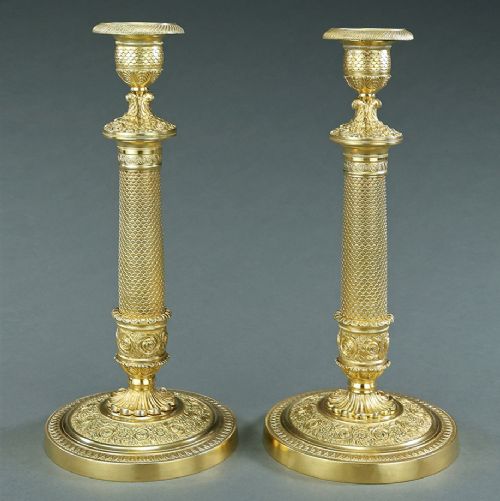
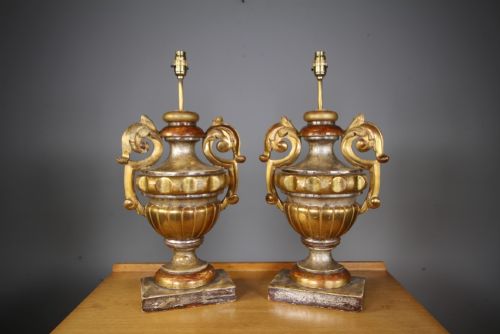
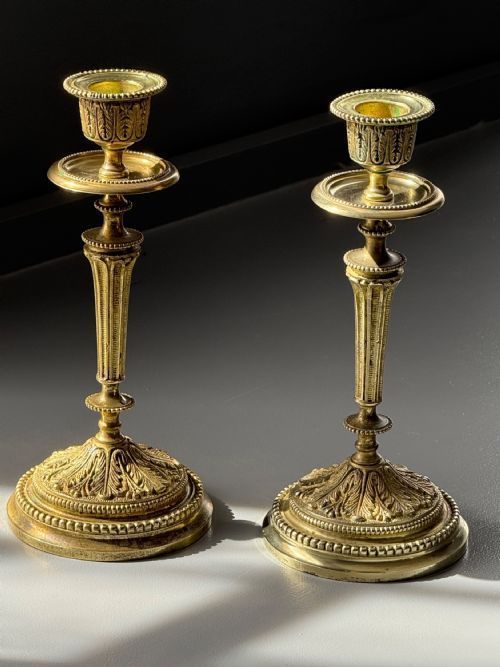
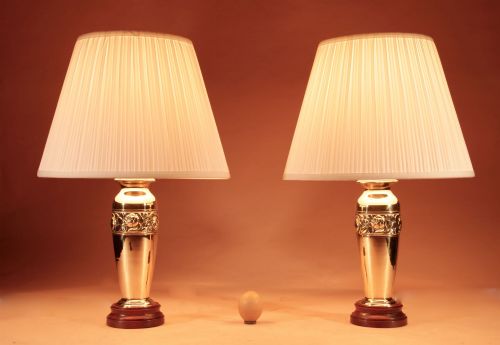
When searching for French classic table lights, collectors encounter a diverse array of forms including bouillotte desk lamps, candelabra, and electrified urns. These pieces originate from periods spanning the eighteenth to the early twentieth centuries, reflecting changing domestic lighting needs. The selection frequently includes pairs designed for symmetry on sideboards or desks.
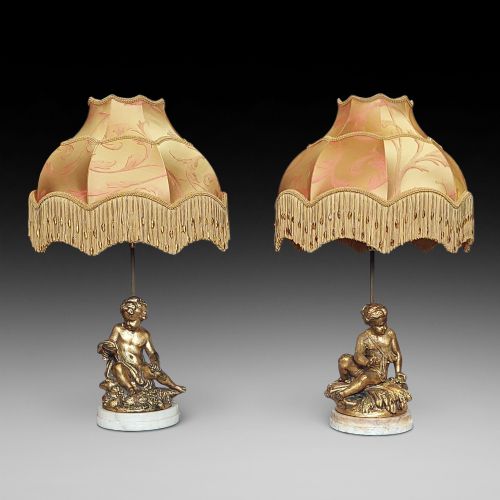
The aesthetic vocabulary draws heavily on neoclassical, empire, and rococo revival styles, often incorporating figurative elements such as cherubs and putti. Many examples began life as oil lamps, candlesticks, or candelabra before receiving thoughtful conversion to electricity. This adaptation preserves the sculptural integrity of the metalwork while accommodating modern living.
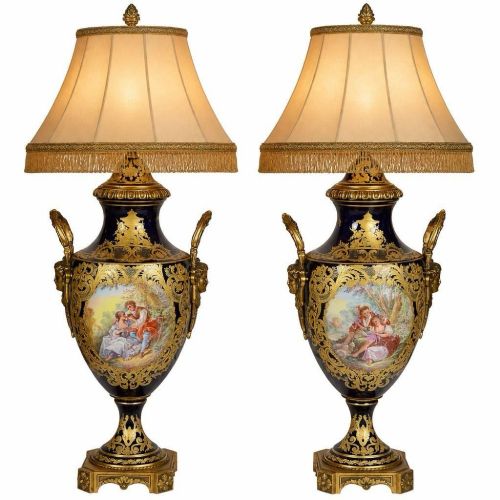
Porcelain components often feature hand-painted decoration in the Sèvres style, complemented by mounts of ormolu, gilt bronze, or brass. Marble and alabaster frequently form the structural bases, adding weight and tonal contrast to the metallic elements. Toleware shades appear regularly on desk lamps, providing directional light through painted metal surfaces.
Materials and construction methods
The construction of these lamps relies on cast and chased bronze, brass, and ormolu, often assembled from multiple sections fixed with internal rods. Gilt bronze and ormolu components show crisp detail achieved through mercury gilding or modern electroplating techniques depending on the period. Marble and porcelain elements are turned or moulded before being integrated into the metal framework with threaded fittings.
Toleware shades and bodies utilise sheet metal shaped by hand and coated with durable painted finishes, frequently in green or dark tones. Fabric elements, where present, complement the rigidity of the metal and stone structures. Joinery and wiring methods reveal the transition from original burning mediums to electrical current during twentieth-century adaptations.
Markers of distinction and craftsmanship
The integration of porcelain, such as hand-painted Sèvres style plaques or bodies, reveals superior artistry through careful enamel work and gilding durability. Conversions from older candlesticks or candelabra require technical precision to ensure the original antique components remain undamaged. The cohesion between the base object and the electrical fittings demonstrates the care taken during adaptation.
Aug. Moreau
The French Classic Table Lights Glossary
- Ormolu
- Gilded bronze, where a gold amalgam is applied to a bronze base through heat or chemical processes. This technique creates a rich, durable golden surface characteristic of fine French decorative arts.
- Bouillotte
- A type of adjustable desk lamp featuring a central shaft, multiple candle arms, and a painted metal shade. It derives its name from a popular eighteenth-century card game.
- Toleware
- Lacquered or painted sheet metal used for lamp bodies and adjustable shades. The finish is typically baked to provide durability and a distinctive semi-gloss appearance.
- Candelabra
- A branched candlestick designed to hold multiple lights. Many antique examples are later converted into table lamps while retaining their original branch structure.
- Sèvres style
- Decoration inspired by the famous French porcelain manufactory, featuring hand-painted scenes, floral motifs, and rich background colours framed by gilt mounts.
French Classic Table Lights: Frequently Asked Questions
What is a bouillotte lamp?
A bouillotte lamp is a traditional desk light featuring a central column, multiple candle arms, and a distinctive painted metal shade that slides up and down.
Originally designed for card players in the eighteenth century, these pieces provide focused directional light suited for writing desks and side tables.
How do I identify converted candelabra?
Converted candelabra show evidence of former candle nozzles or drip pans that have been adapted to conceal electrical wiring and lamp holders.
Examining the upper sections reveals the transition from a multi-branched lighting device into a domestic table lamp.
What materials are typical for these lamps?
The primary materials include cast bronze, brass, ormolu, hand-painted porcelain, marble, and toleware.
These substances are frequently combined within a single piece, such as a bronze figure mounted on a marble base with porcelain decorative elements.
Are these lamps suitable for modern wiring?
Most antique lighting pieces require professional rewiring to meet current safety standards before regular domestic use.
Buyers should have a qualified electrician inspect the internal components and plugs upon acquisition.