


Classical Ceramic Table Lamps
Classical ceramic table lamps bring sculptural form and rich material depth to a room, offering a distinct lighting choice for traditional and period interiors.
Classical Ceramic Table Lamps
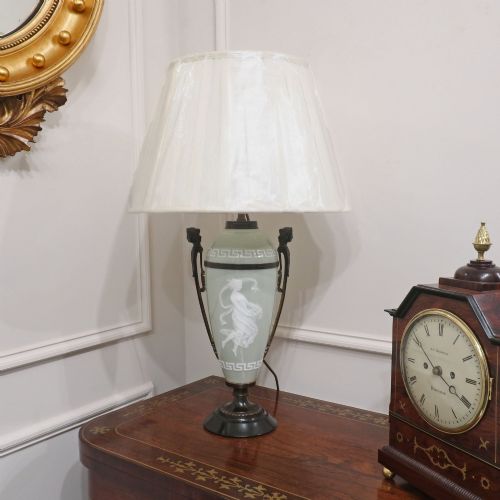
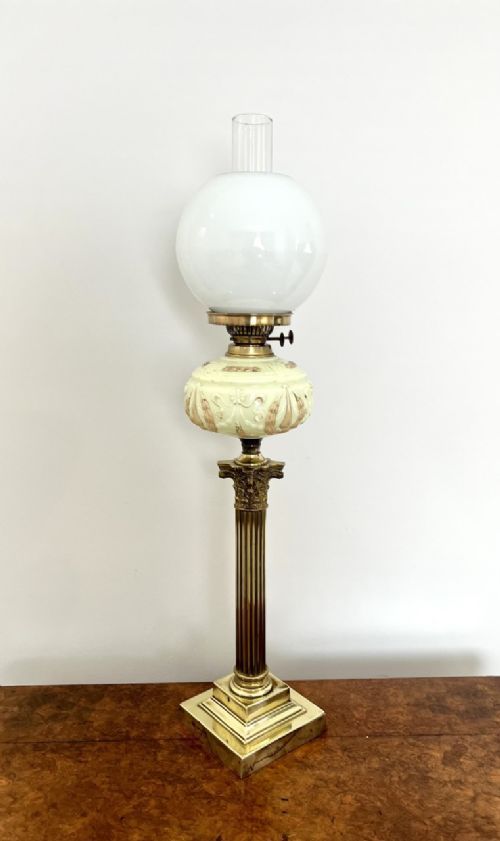
Classical ceramic table lamps combine traditional pottery forms with functional lighting, drawing on aesthetic traditions from the nineteenth century up through the art deco period. When searching for classical ceramic table lamps, buyers encounter a diverse selection ranging from converted oil lamps to purpose-built porcelain and majolica fixtures.
The material vocabulary of these pieces relies heavily on porcelain, ceramic, and majolica bodies paired with metal mounts in brass, bronze, gilt bronze, and ormolu. Many examples incorporate fabric shades or glass elements to complete the composition.
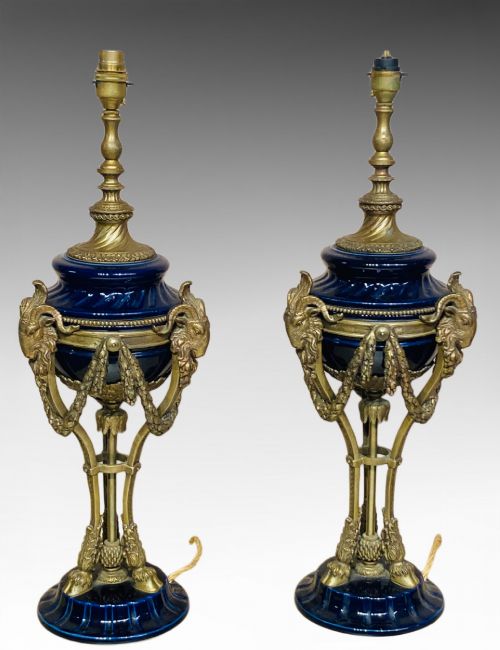
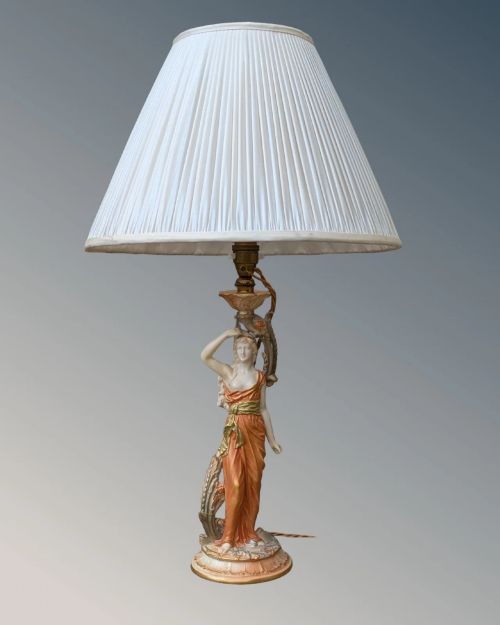
Stylistic influences span widely across French neoclassical, Renaissance revival, Victorian, Louis XVI neoclassical, and French chinoiserie designs. Pairs and single vessels appear alongside figural subjects and hand-painted or glazed finishes.
Materials and construction
Potters shaped the ceramic and porcelain bodies by hand or mould before applying glazes, hand-painted details, pate sur pate decoration, or blue and white pigments. These ceramic components frequently received reinforcement or decorative framing from metalworkers.
Foundries supplied the ormolu, gilt bronze, brass, and bronze mounts, bases, and fittings that secured the ceramic vessels and housed the lighting mechanisms. The combination of fired clay and cast metal required precise assembly to maintain structural balance.
Makers occasionally adapted nineteenth-century vases and oil lamps into electrical table lamps, preserving the original ceramic body while integrating contemporary wiring and fabric elements.
Listings feature porcelain, ceramic, and majolica bodies combined with bronze, brass, and ormolu mounts across Victorian and art deco styles.
Assessing quality and execution
The refinement of the ceramic body and the skill of the hand-painted or pate sur pate decoration determine the visual sophistication of a lamp. Finer pieces display crisp detail in the glazes and careful adherence to historical styles like neoclassical or Louis XVI motifs.
The weight and finish of the metal mounts, whether bronze, ormolu, or brass, distinguish standard production from exceptional examples. High-grade mountings fit snugly against the ceramic contours and exhibit sharp chasing and casting work.
Royal Worcester·Samuel Alcock
The Classical Ceramic Table Lamps Glossary
- Pate sur pate
- A porcelain decoration technique where wet white slip is built up in layers on a coloured background to create a low relief cameo effect. This method requires immense skill from the ceramic artist.
- Ormolu
- Gilded bronze mounts and decorative elements applied to furniture and ceramic objects, originating from the French method of using ground gold. It adds a warm metallic lustre to nineteenth-century decorative arts.
- Majolica
- Tin-glazed earthenware decorated with colourful metal oxides fired over an opaque white glaze. Italian examples showcase deep historic glazing traditions.
- Sevres style
- Decoration and porcelain forms imitating the famous French royal factory aesthetic, typically featuring rich blue grounds and hand-painted details with gilding. It reflects luxury tastes of the nineteenth century.
- Paris porcelain
- High-quality hard-paste porcelain produced by numerous independent workshops and factories in and around Paris during the nineteenth century. These works are known for vibrant hand-painted scenes and generous gilding.
Classical Ceramic Table Lamps: Frequently Asked Questions
What periods do these lamps come from?
The pieces span the nineteenth century, including Victorian examples, alongside twentieth-century items up through the art deco era.
Production dates cluster around the 1850s to the 1940s, encompassing various revivals of classical aesthetics.
How are old porcelain lamps wired?
Many older pieces have been rewired at various points in their history to meet modern safety standards while retaining their original ceramic and metal components.
Buyers should inspect the internal wiring and consult an electrician to ensure safe operation in a modern home.
Are these lamps sold in pairs?
The selection includes both individual statement lamps and matched pairs suitable for placement on sideboards or bedside tables.
Pairs often feature symmetrical hand-painted motifs or identical ormolu mountings.
What materials make up the bases?
Bases and structural mounts utilise brass, bronze, gilt bronze, and ormolu to support the porcelain or ceramic bodies.
Some designs incorporate china bases beneath figural bronze elements.