
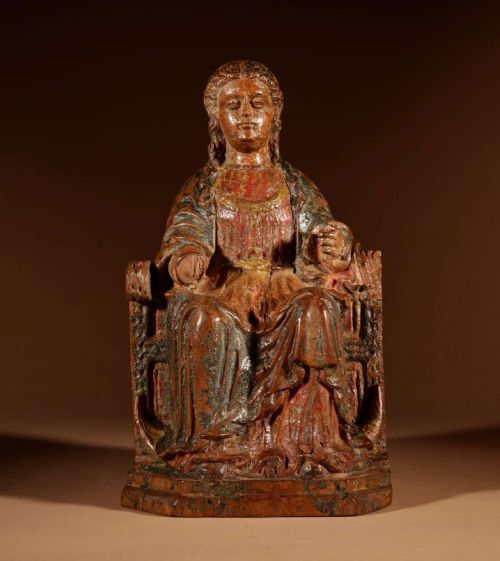
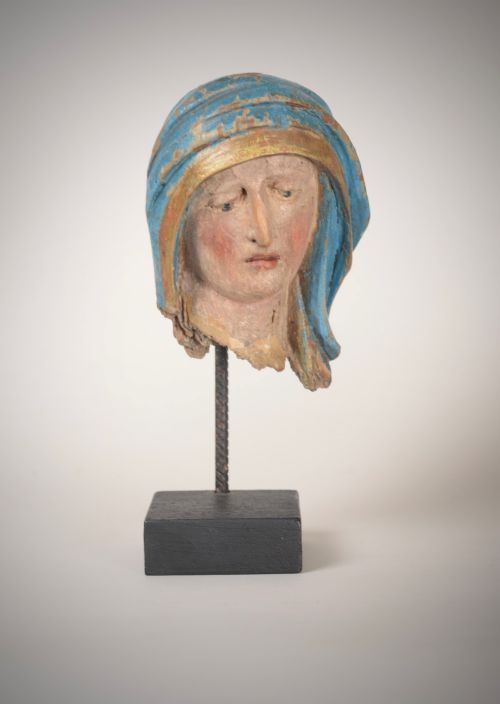
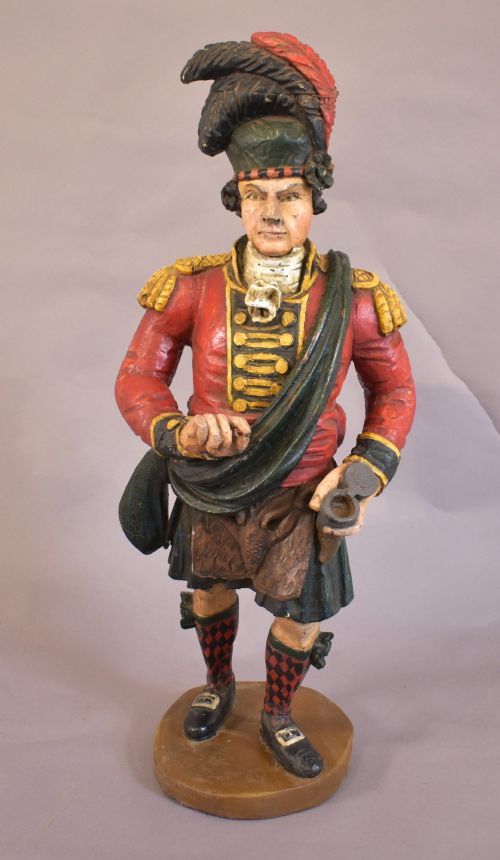
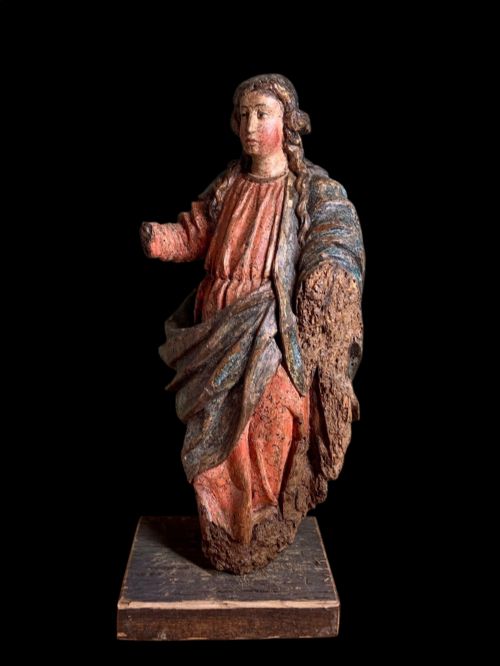
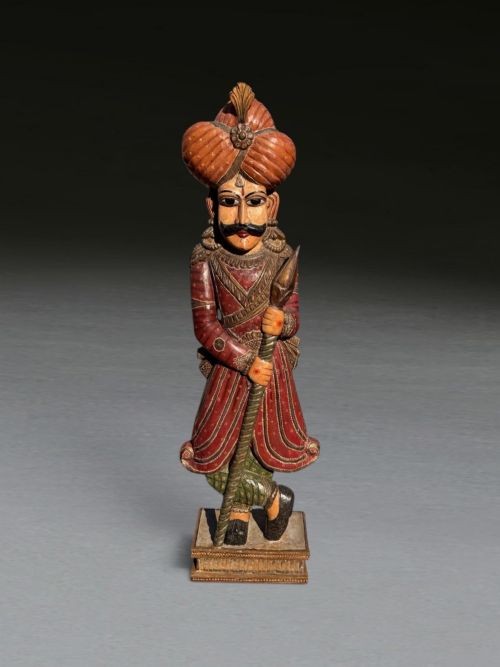
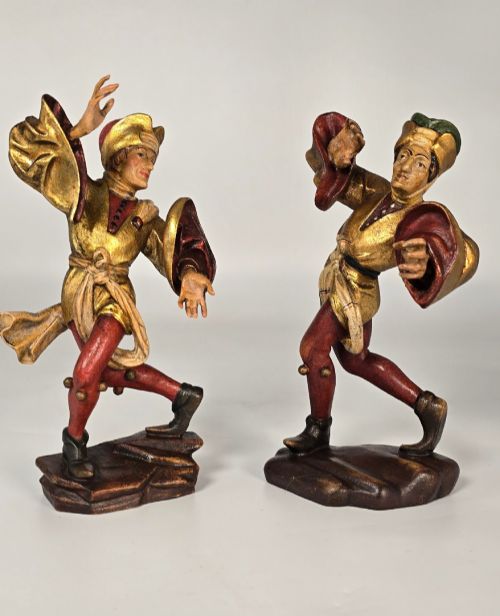
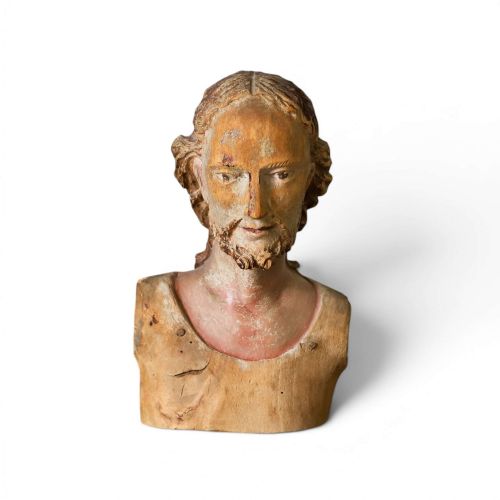
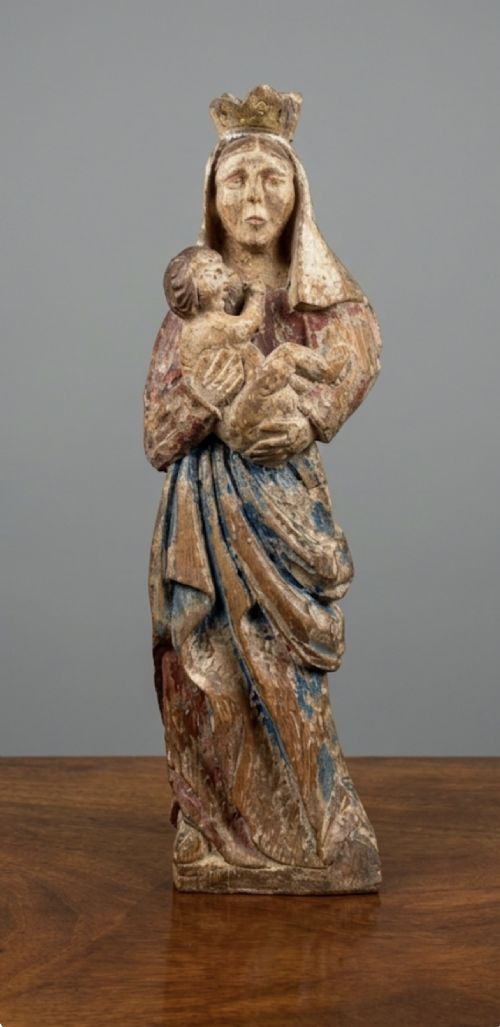

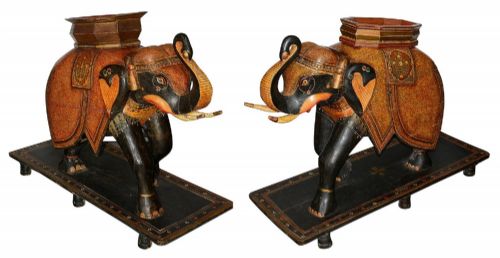
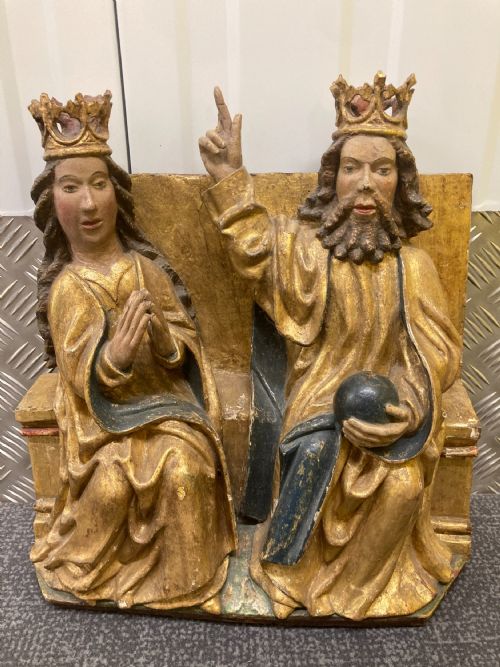

Polychrome Wooden Figure
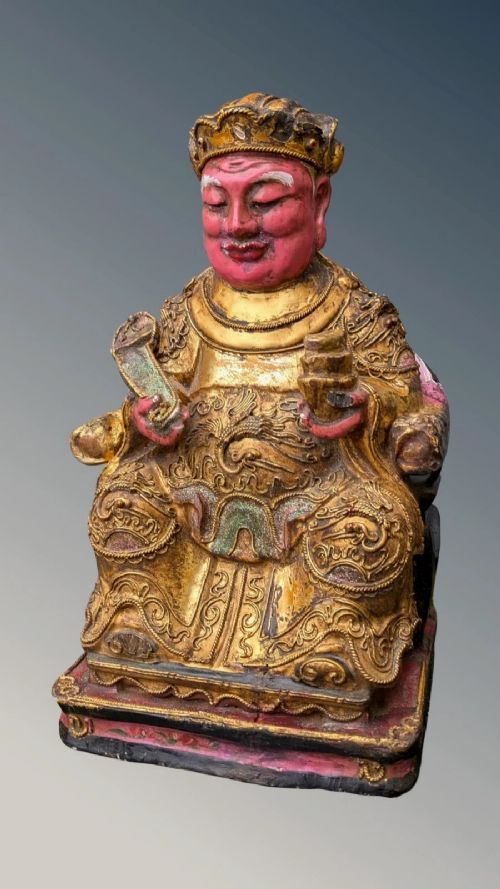
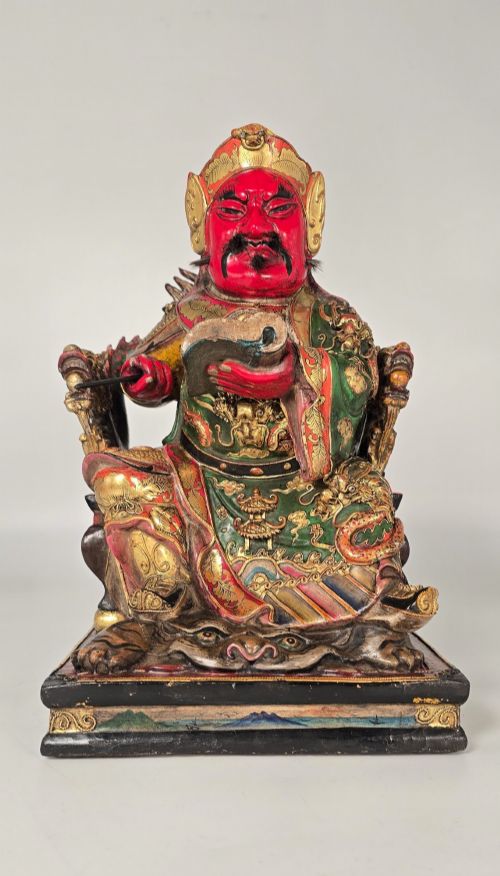
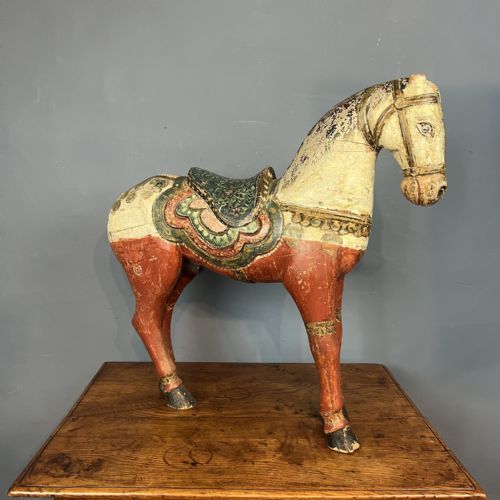
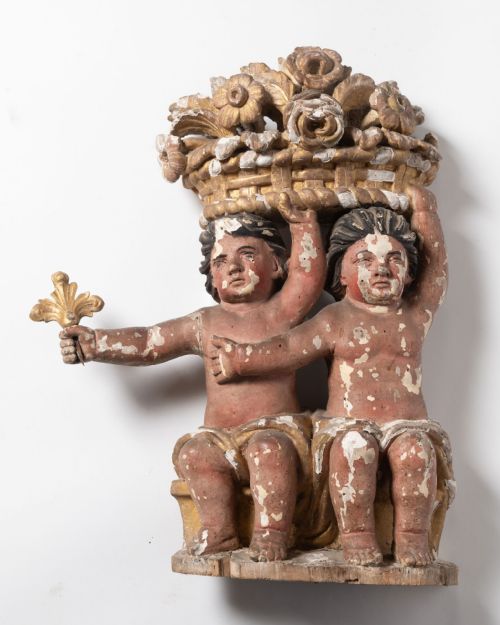
A polychrome wooden figure brings carved presence and layered pigment into a room, offering centuries of historic character.
Understanding the polychrome wooden figure
A polychrome wooden figure combines carved form with historic surface decoration, ranging from religious subjects to folk art and trade figures. These pieces appear across several eras, including pre-sixteenth century, eighteenth century, nineteenth century, and the Edwardian period.
The selections span church sculptures, trade signs, and decorative table bases, reflecting diverse uses from devotional spaces to commercial premises. Forms include saints, secular servants, musicians, and sports figures created within Venetian, Baroque, and folk art traditions.
Buyers frequently encounter works depicting distinct cultural or historical archetypes, such as church figures of saints, Blackamoor statues, and trade sign sculptures. Each category carries specific regional styles and period details that define its visual identity.
Materials and construction methods
Carved wood forms the structural core of every piece, shaped by hand using traditional woodworking tools before receiving its surface finish. Artisans applied layers of gesso to smooth the timber substrate and prepare it for subsequent decoration.
Surfaces were brought to life using polychrome paint, often enhanced with gold leaf to highlight drapery, garments, and decorative attributes. The interaction between the carved wooden body and the aged paint layers creates the characteristic depth seen in these sculptures.
Retail Price Guide 2026
Typical UK retail prices for polychrome wooden figure, calculated from the Sellingantiques database of over a million retail prices indexed since 2003. This retail price guide relies exclusively on Sellingantiques data; no external sources or auction records are used, so the figures do not describe the wider market.
Materials recorded across the inventory include carved wood, gesso, gold leaf, and traditional polychrome paint.
Distinctions in quality and execution
Quality rests in the anatomical confidence of the carving and the dexterity shown in the folds of drapery and facial expression. Finer examples display a fluent handling of the chisel that brings vitality to the timber.
The integrity and survival of the original polychrome surface dictate the visual impact of the piece. Surfaces that retain their early paint layers without heavy modern intervention hold greater historic cohesion.
The Polychrome Wooden Figure Glossary
- Polychrome
- Decorated in multiple colours. This term describes sculpture and woodwork finished with varied painted pigments.
- Gesso
- A plaster mixture used as a base. Artisans applied it to wood to create a smooth surface for painting and gilding.
- Blackamoor
- A European artistic genre depicting figures from North Africa or sub-Saharan Africa. These pieces frequently served as decorative supports, torcheres, or trade figures.
- Folk art
- Art produced from an indigenous cultural tradition or by untrained artisans. It encompasses utilitarian objects and trade figures created for local communities.
Frequently Asked Questions
What were polychrome wooden figures used for?
These figures served diverse functions ranging from religious devotion in churches to commercial advertising as trade signs. Figures like the Madonna or Joseph belonged to sacred ecclesiastical settings.
Other examples, such as organ figures and trade sign sculptures, functioned within public spaces, theatres, and commercial premises to attract attention or animate mechanical displays.
How do I date a wooden figure?
Dating relies on stylistic clues, tool marks, and the ageing characteristics of the wood and gesso foundation. Early pieces often exhibit medieval or baroque drapery conventions.
Later nineteenth-century and Edwardian examples show shifts towards folk art interpretations, trade purposes, or specific regional carving traits associated with Italian workshops.
How should I care for a painted wooden sculpture?
Keep the sculpture away from direct sunlight and steady temperature fluctuations to prevent the wood from splitting and the paint from flaking. Stable indoor conditions preserve the fragile gesso and pigment layers.
Dust the surface gently with a soft, dry brush. Avoid liquid cleaners, oils, or modern polishes that can permanently alter or damage historic painted surfaces.
What is the difference between folk art and church figures?
Church figures were created for liturgical environments, adhering to iconographic traditions and formal ecclesiastical styles. They often represent specific saints, biblical figures, or religious narratives.
Folk art figures emerge from vernacular traditions, frequently capturing secular subjects like cricketers, tobacco sellers, or dancers with charming local character and less formal anatomical precision.