
Baroque Religious Art
Baroque religious art brings devotional intensity and dramatic movement into a room through oil paint and carved wood.
What these pieces are
Baroque religious art encompasses devotional works produced across the seventeenth and eighteenth centuries in oil paint, canvas, giltwood, and polychrome. When you search for baroque religious art, you encounter sacred subjects rendered with theatrical depth and emotional resonance.
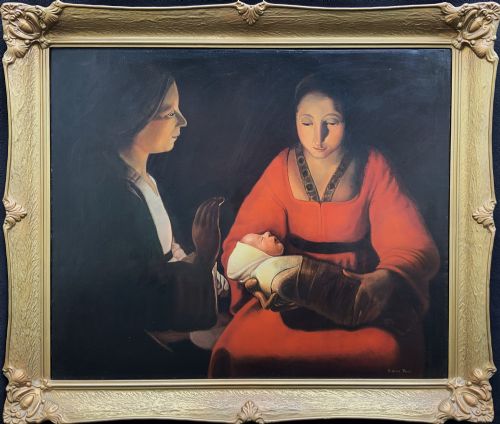
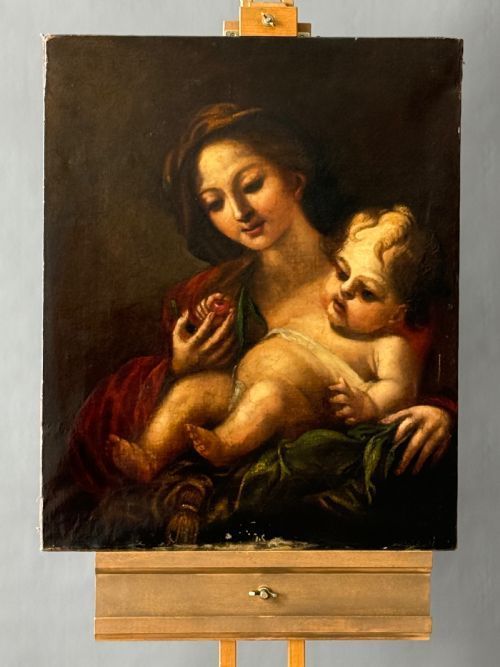
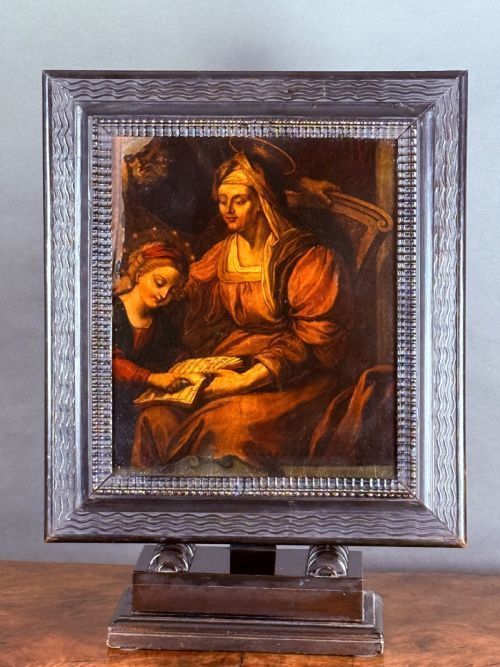
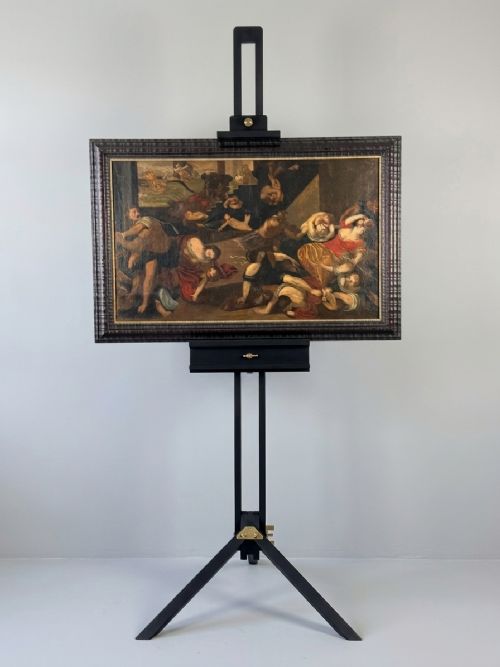
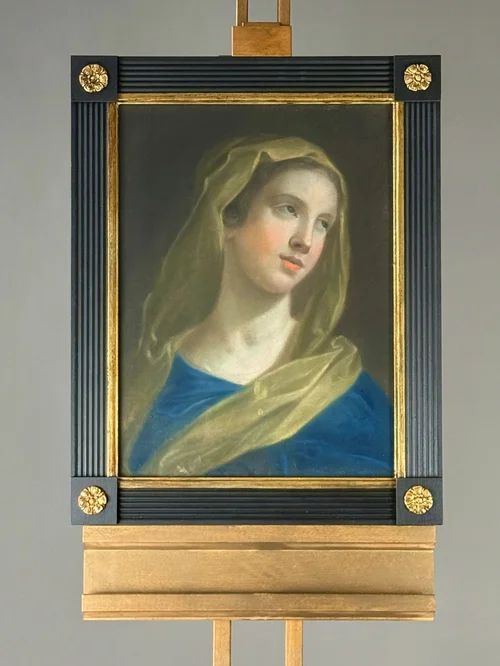
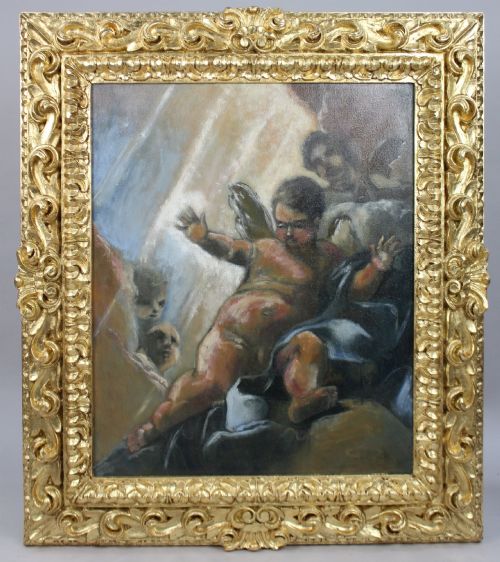
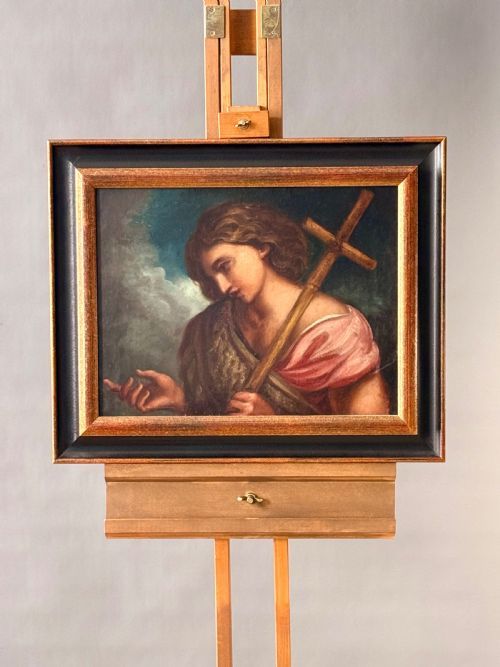
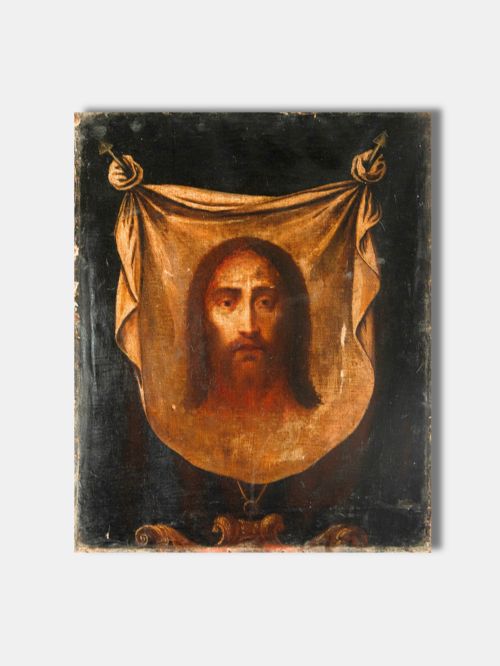
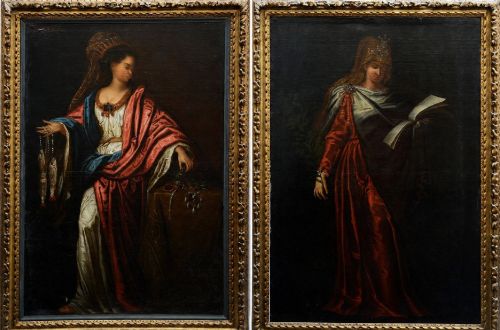
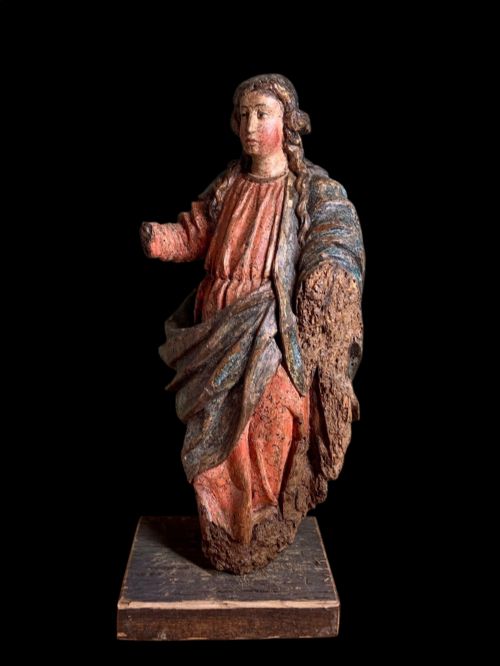
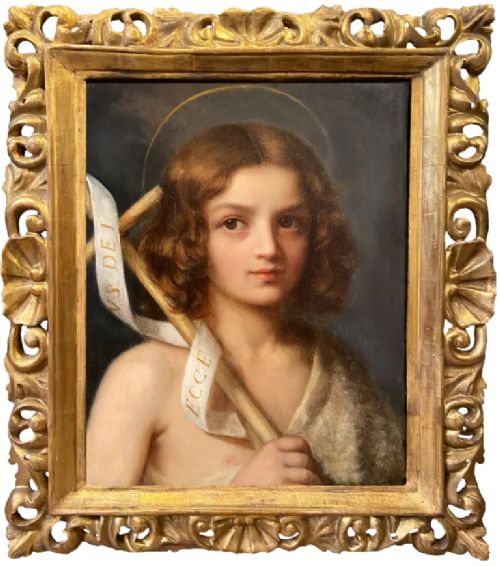
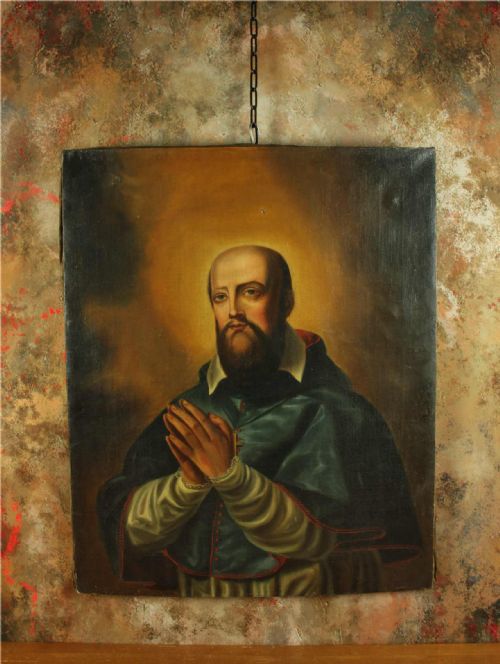
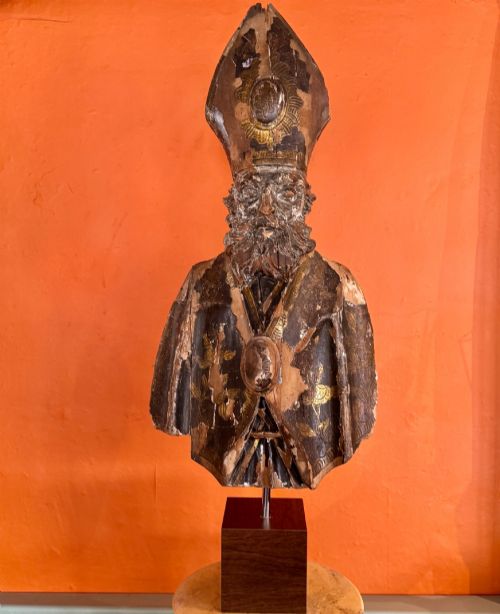
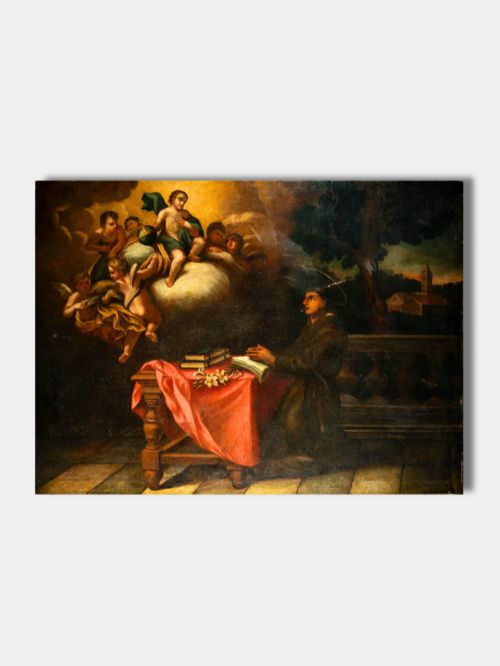
The pieces available on this page include fine art paintings such as seventeenth-century oil canvases depicting the Holy Family alongside John the Baptist. Alongside these canvases appear large eighteenth-century gilt figures carved from wood.
How they were made
Makers applied oil paint to stretched canvas surfaces to build up rich chiaroscuro effects and deep tonal contrasts characteristic of the period. Pigments were layered to create luminous flesh tones and heavy drapery folds.
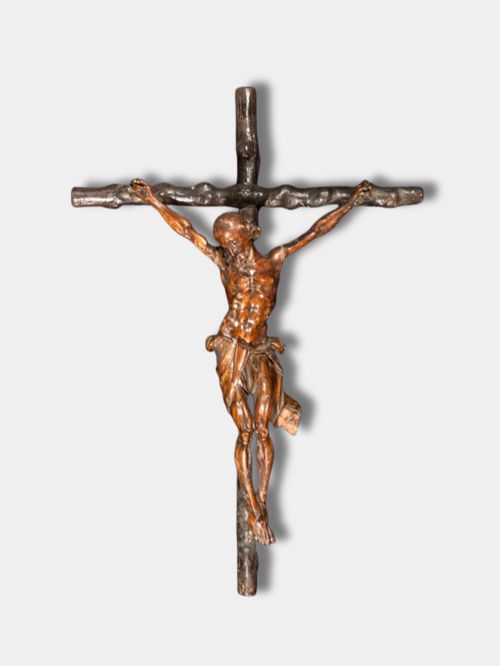
Woodcarvers shaped solid timber into substantial statues and figures, subsequently applying layers of gesso, gold leaf, and polychrome paint to achieve a brilliant, light-reflecting finish.
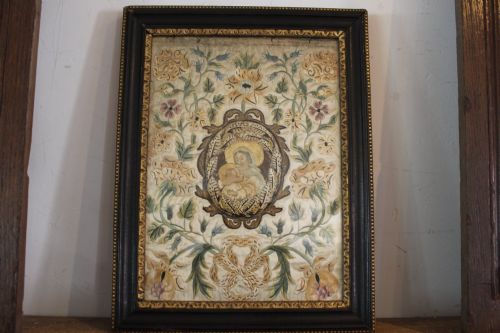
Listings feature works from the seventeenth and eighteenth centuries, utilising oil paint, canvas, giltwood, carved wood, gold leaf, and polychrome.
What varies in quality
Quality rests upon the confidence of the brushwork in the paintings and the anatomical precision within the carved wooden figures. Masterful execution creates a palpable sense of weight, movement, and spiritual gravity.
The preservation of original surface finishes, from delicate gold leaf to underlying polychrome pigments, dictates the visual power of each piece. Intact layering retains the intended theatrical brilliance conceived by the maker.
The Baroque Religious Art Glossary
- Oil paint
- A slow-drying medium composed of pigments suspended in a drying oil, typically linseed. This allowed artists to blend tones smoothly and achieve deep shadows.
- Giltwood
- Timber that has been coated with a thin layer of gold leaf or powder. It catches candlelight and daylight to elevate sacred forms.
- Polychrome
- Painted in several colours, frequently applied over gesso on carved wooden sculptures. This technique brought lifelike vibrancy to devotional figures.
- Canvas
- A heavy woven fabric used as a support surface for oil paintings. Stretched tightly across a wooden frame, it provided a durable ground for seventeenth-century compositions.
Frequently Asked Questions
What periods do these pieces date from?
The pieces span the seventeenth and eighteenth centuries, reflecting the height of the baroque aesthetic in sacred art.
Craftsmanship from these eras prioritises dynamic movement and emotional engagement.
How were large gilt figures constructed?
Artisans carved solid wood into sculptural forms before applying preparatory gesso layers and delicate gold leaf.
This method produced radiant surfaces designed to command attention in sacred interiors.
What subjects appear in these paintings?
Religious narratives dominate, including traditional scenes such as the Holy Family with figures like John the Baptist.
Artists used dramatic lighting to draw focus toward the central devotional figures.
How do I care for giltwood items?
Keep carved wooden and gilt pieces away from direct sunlight and fluctuating humidity to protect the gold leaf.
Dust gently with a soft, dry brush to preserve the fragile metallic surface.