





Gilded Wooden Sculpture
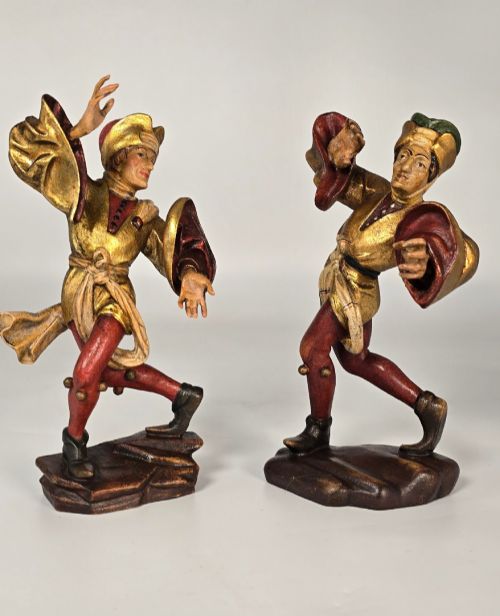
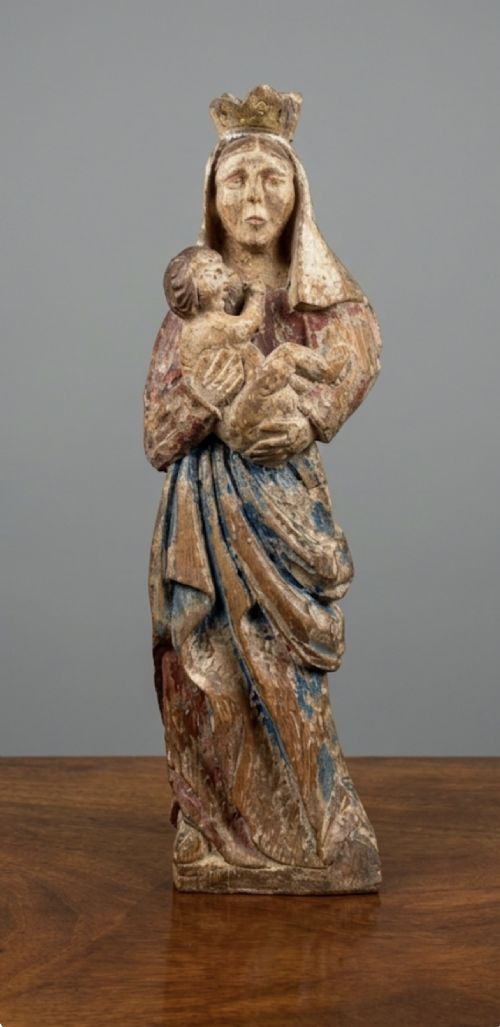
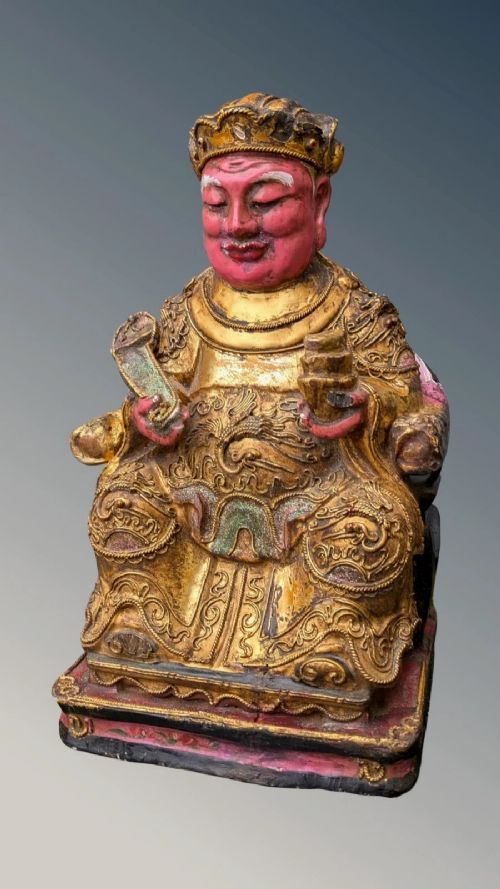
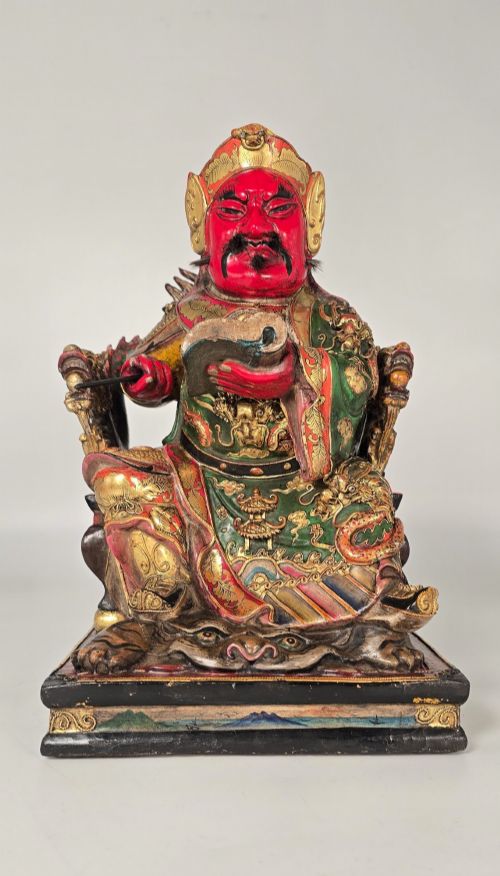
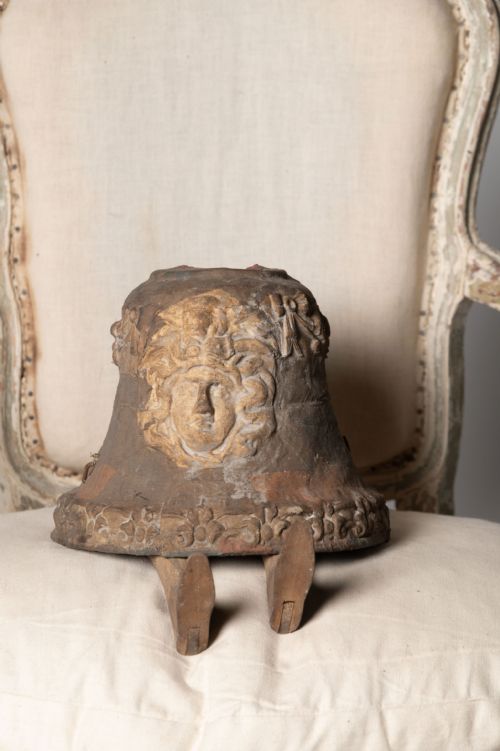
These gilded wooden sculpture pieces bring centuries of carved figures, temple deities and angels into a room.
Gilded Wooden Sculpture
A gilded wooden sculpture carries the physical trace of devotional and decorative traditions spanning several centuries, from medieval altarpieces to regional folk art. Buyers seek these works for their presence and surface texture, which modern reproductions cannot replicate.
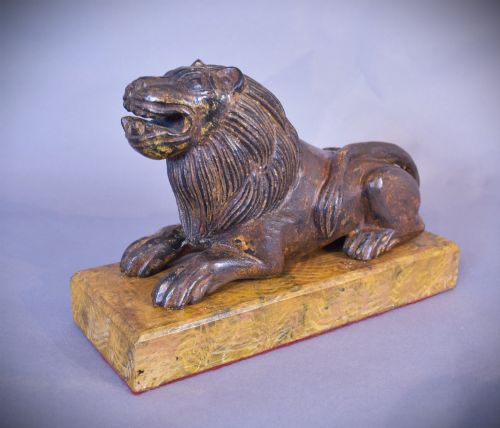
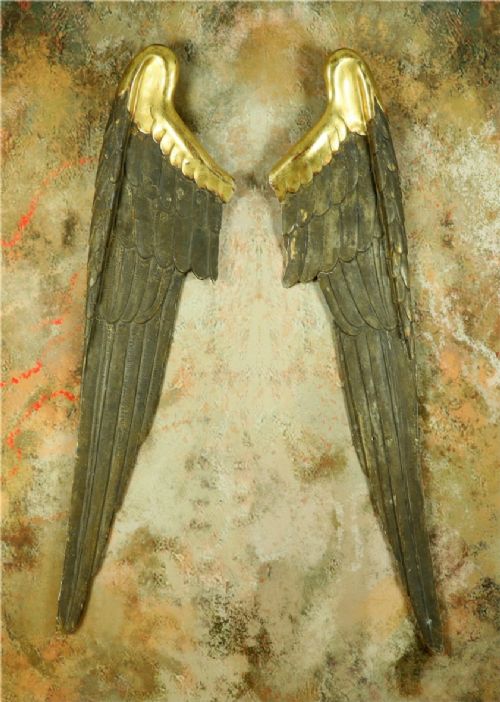
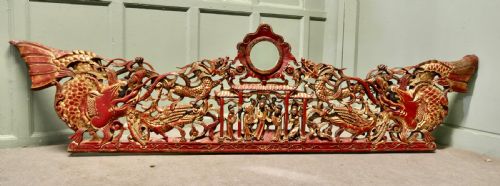
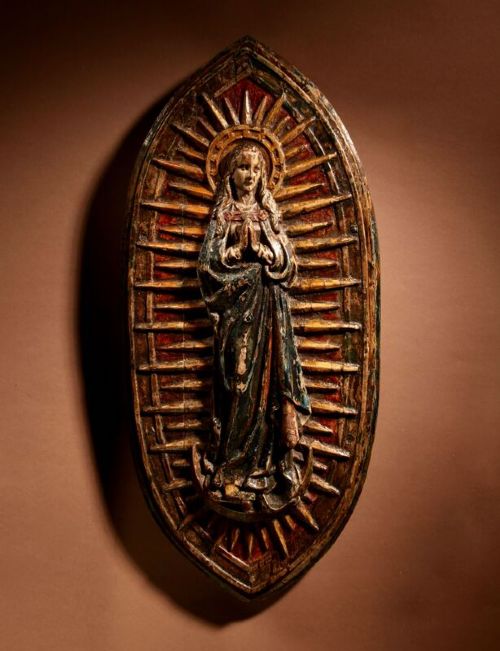
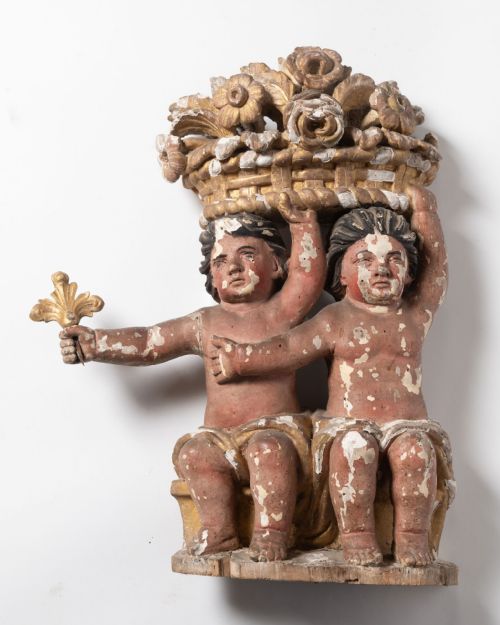
Religious figures dominate the offerings, including saints, angels, putti and seated deities from European and Asian workshops. Secular carvings such as architectural pediments, theatrical props and decorative animals also appear frequently.
The materials reflect diverse geographical origins, encompassing limewood and oak in Europe alongside specialised Asian timbers used for temple figures. Surfaces often combine layers of gold leaf with polychrome paint or lacquer applied over gesso grounds.
Materials and Techniques
Craftsmen carved these pieces from solid blocks of timber, selecting dense woods like oak, limewood or pine that could hold intricate detail. Tool marks left by gouges and chisels remain visible beneath the prepared surfaces on many examples.
A thin layer of gesso, composed of chalk and size, was applied over the timber to provide a smooth ground for subsequent decoration. Artisans then laid delicate sheets of gold leaf onto the gesso or painted the surface with polychrome pigments and lacquer.
Listings feature wood and gold leaf alongside gesso and polychrome paint across periods spanning from the sixteenth century into the twentieth century.
Evaluating Quality and Character
Quality rests in the anatomical confidence of the carving and the subtlety with which the artisan handled drapery, facial expression and form. Superior pieces retain the crispness of their initial execution despite centuries of handling and environmental exposure.
The integrity of the original surface finish dictates much of the visual impact, as later repainting or re-gilding alters the historical honesty of a piece. Examples that preserve their primary gilding and polychrome layers demonstrate greater material authenticity.
The Gilded Wooden Sculpture Glossary
- Gesso
- A plaster mixture used as a smooth base applied to wood before gilding or painting. It provides the crucial adhesive ground that holds gold leaf and pigments securely to the timber.
- Polychrome
- The practice of decorating architectural elements, sculptures and pottery in a variety of colours. This surface treatment often combines painted details directly with gilded areas.
- Giltwood
- Timber that has been coated with thin sheets of gold leaf. It creates a rich metallic surface finish common on altarpieces, decorative figures and mirrors.
- Putti
- Depictions of chubby male children, often winged, originating in classical art and common in Renaissance and Baroque sculpture. They frequently appear as attendants in pairs or groups.
- Lacquer
- A clear or coloured varnish applied in multiple layers to wood and dried to a hard, durable finish. It is particularly characteristic of Asian decorative carvings and temple figures.
Gilded Wooden Sculpture: Frequently Asked Questions
How do I clean gilded wood?
Dust surfaces gently using a soft, dry brush without applying moisture or chemical cleaning agents. Liquid cleaners can damage delicate gesso layers and strip historical gold leaf.
Keep pieces away from direct sunlight and dramatic humidity shifts to prevent the underlying timber from splitting or warping.
Are these pieces religious?
Many examples originate from religious contexts, including church altarpieces, temple figures and processional statues. Subjects range from Christian saints and angels to Asian deities and Buddhist figures.
Secular decorative carvings, theatrical props and architectural ornaments also feature within the selection for domestic display.
How old are these sculptures?
The pieces span multiple centuries, ranging from medieval fragments dating to the sixteenth century up to early twentieth-century examples. Dates are assigned through stylistic analysis of the carving technique and material composition.
Regional traditions in Europe and Asia continued specific aesthetic approaches across long periods.
What is gesso?
Gesso is a preparation mixture consisting of a binder mixed with chalk, gypsum or pigment. Artisans coated raw wood surfaces with this substance to create an absorbent, smooth foundation for gilding.
The quality and thickness of the gesso layer influence how the subsequent gold leaf reflects light.