



Carved Wooden Wings
Carved wooden wings bring dynamic movement and sculptural depth to an interior, drawing the eye with rich texture and historical detail.
Carved Wooden Wings
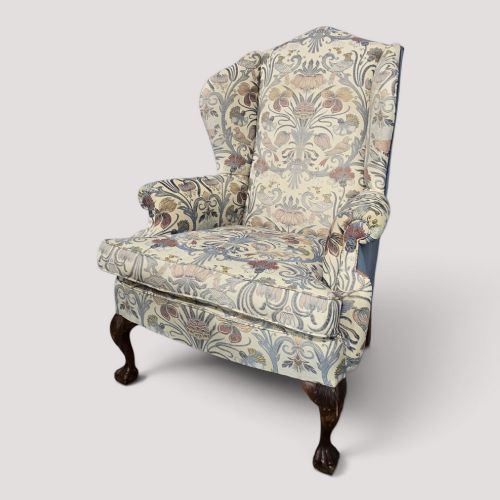
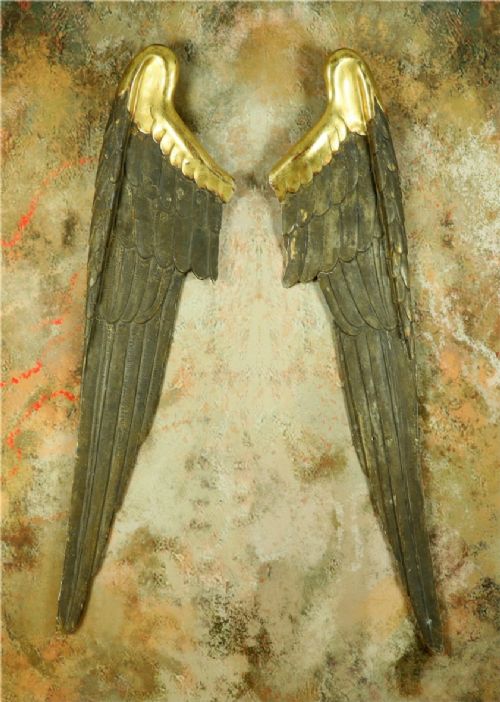
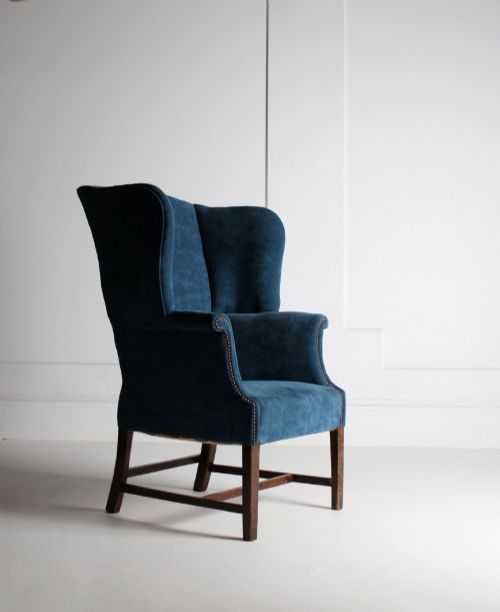
When searching for carved wooden wings, collectors encounter architectural fragments, religious sculptures, and seating forms incorporating winged elements. The selection ranges from devotional angel wings and cherub carvings to Italian baroque figures and wingback armchairs.
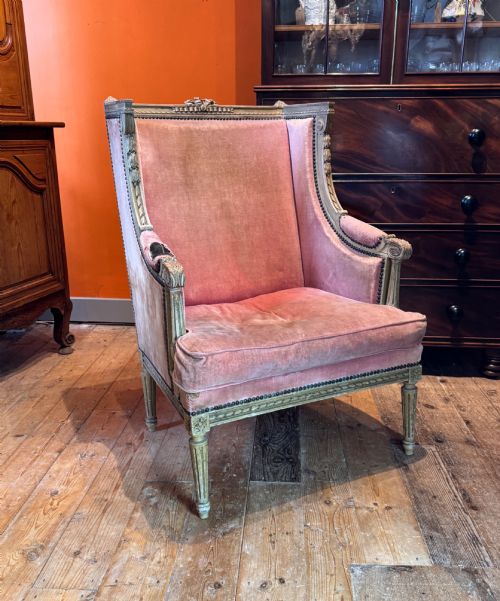
Pieces from the eighteenth and nineteenth centuries dominate the current range, with examples spanning French, Italian, and British origins. Architectural carvings and wall sculptures provide direct representations of wings, while seating such as wingback chairs and armchairs utilise the form for comfort and style.
The objects serve diverse functions, appearing as standalone wall art, lecterns depicting eagles, and decorative stands. Buyers select these items to introduce distinct historical character and sculptural presence into domestic spaces.
Factors of quality and execution
The depth and fluidity of the carving separate standard items from superior works, particularly in the rendering of feathers and anatomical proportions. Master carvers achieved a lifelike tension and movement in winged figures that lesser artisans missed.
Original surface treatments, including patinated timber, historic gilt gesso, and untouched paint, dictate the desirability of a piece. The integrity of the wood and the survival of delicate projections without heavy restoration determine the standing of each object.
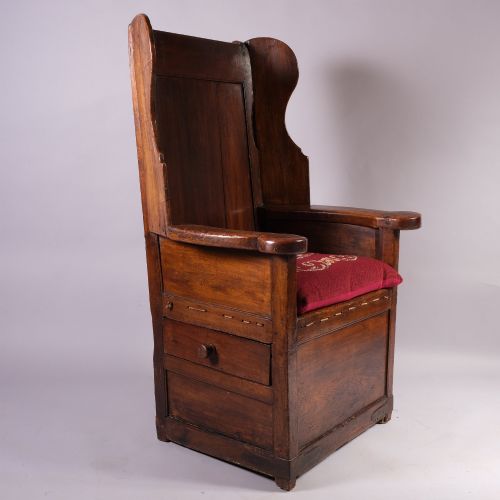
An eighteenth-century Lakeland lambing chair sits comfortably alongside winged griffins and archangels, proving that historic woodcarving has a delightfully varied imagination.
Luigi Frullini
The Carved Wooden Wings Glossary
- Gilt gesso
- A plaster-like material applied to wood and covered with gold leaf. This technique creates a luminous, reflective surface often seen on devotional carvings.
- Wingback armchair
- An upholstered seat featuring protective side panels designed to shield the sitter from drafts. Eighteenth and nineteenth-century examples often use generous proportions and deep cushioning.
- Architectural carving
- A sculptural element originally designed to be part of a building's interior or exterior scheme. These pieces are removed to be displayed as independent works of art.
- Ormolu
- Finely ground high-carat gold cast and chased onto a brass base. This decorative mount appears on furniture and mirrors from the eighteenth and nineteenth centuries.
- Bergere
- An enclosed upholstered armchair with wooden framing visible around the sides and back. Walnut and mahogany versions frequently incorporate elaborate carved details.
Carved Wooden Wings: Frequently Asked Questions
How do I hang a wall sculpture safely?
Heavy wooden carvings require secure wall anchors and proper brackets suited to the weight of the timber. Ensure the fixing attaches directly to a solid wall or stud rather than plaster alone.
Position the piece at eye level to appreciate the depth of the carving and the direction of the wing span within the room.
Where should I place a wingback chair?
These chairs work well beside a fireplace, reading corner, or as a statement piece in a hallway. Their substantial proportions anchor a room and create a defined seating zone.
Allow enough space around the piece to display the wooden frame and upholstery details without crowding the surrounding furniture.
How do I care for antique carved wood?
Dust the carvings regularly with a soft, dry cloth to prevent buildup in the recessed areas of the feathers or scrollwork. Avoid commercial polishes that can leave a residue on historic wax or oil finishes.
Keep the pieces away from direct heat sources and strong sunlight to prevent the timber from drying out, cracking, or fading over time.
Are these pieces from churches or homes?
The selection includes items from both domestic interiors and ecclesiastical settings. Architectural fragments and angel figures often originated from altarpieces, churches, or grand chateaus.
Seating and tables were made for domestic use in country houses and town residences, reflecting the changing interior styles of the eighteenth and nineteenth centuries.