


French Carved Wings
French carved wings bring architectural presence and sculptural depth to a room, ranging from gilded wooden angel motifs to high-backed seating designed for comfort.
French Carved Wings
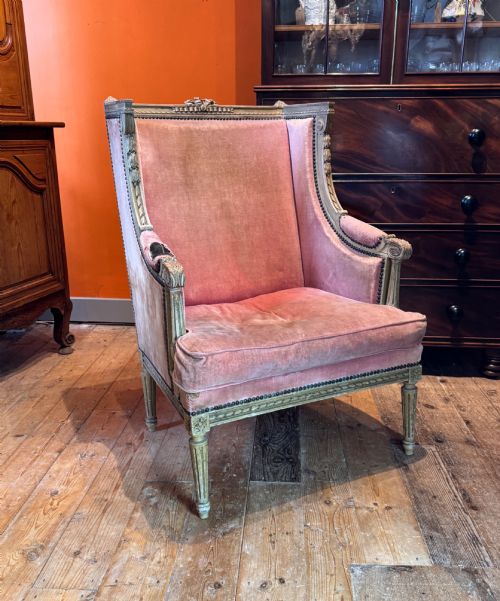
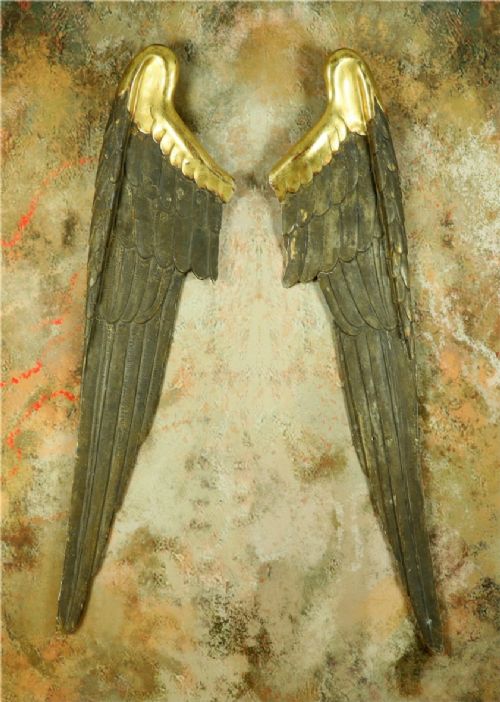
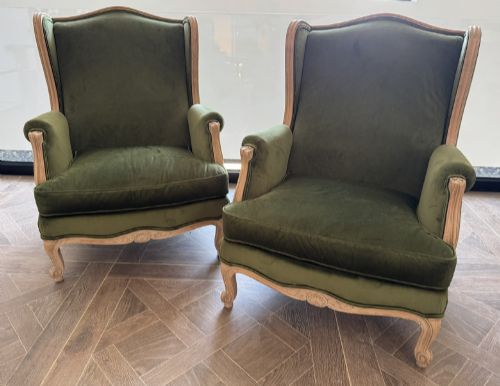
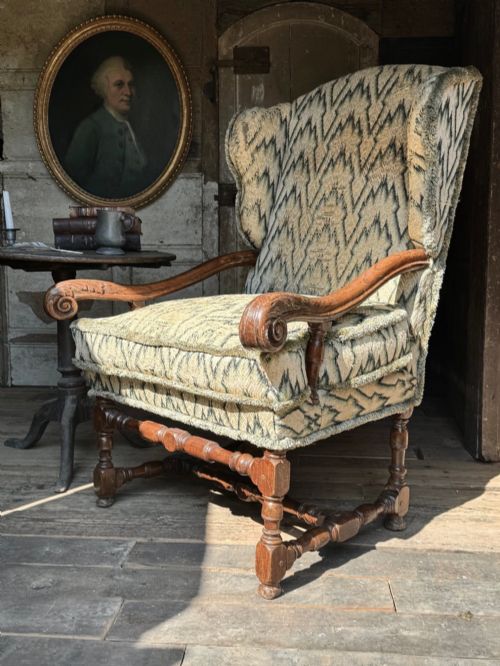
When you search for french carved wings, you are looking at a diverse selection of pieces including decorative architectural wall sculptures and high-backed upholstered seating. The most common examples encountered on this page are nineteenth-century armchairs with prominent wings, alongside eighteenth-century gilded gesso angel wings.
These items span periods from the early eighteenth century through to the early twentieth century, taking in Louis XVI, Rococo Revival, and Empire styles. The forms range from functional wingback armchairs to wall brackets, corbels, and mirrors originating from French chateaux and continental workshops.
Buyers will also find related nineteenth-century forms such as bergere armchairs, console tables, and dressing chests that share the French aesthetic. The selection balances decorative architectural carvings with comfortable seating designed for domestic interiors.
How they were made
The wooden elements rely upon traditional carving techniques applied to hardwoods such as walnut, mahogany, and oak. Gilding and gesso are common on decorative wall sculptures and angel wings, providing a metallic surface finish over carved wood.
Seating frames incorporate textiles, velvet, and leather for upholstery, often paired with brass or ormolu mounts on cabinet furniture and mirrors. Original paint finishes and gilt details appear directly on the timber structures of the period.
What varies in quality
The standard of carving defines the upper tier of these pieces, where depth, precision, and hand-tooled detail distinguish master workshops from routine production. Crisp lines on architectural corbels and finely sculpted feathers on wooden angel wings indicate superior craftsmanship.
Material selection and upholstery integrity dictate the value of seating, with original paint, patinated leather, and solid walnut or mahogany frames commanding attention. The cohesion between the structural woodwork and the decorative surface finish determines the overall merit of each piece.
Jean Joseph Chapuis
The French Carved Wings Glossary
- Gesso
- A plaster-like mixture applied to wood as a base for gilding or painting. It provides a smooth surface for intricate carved detail.
- Corbel
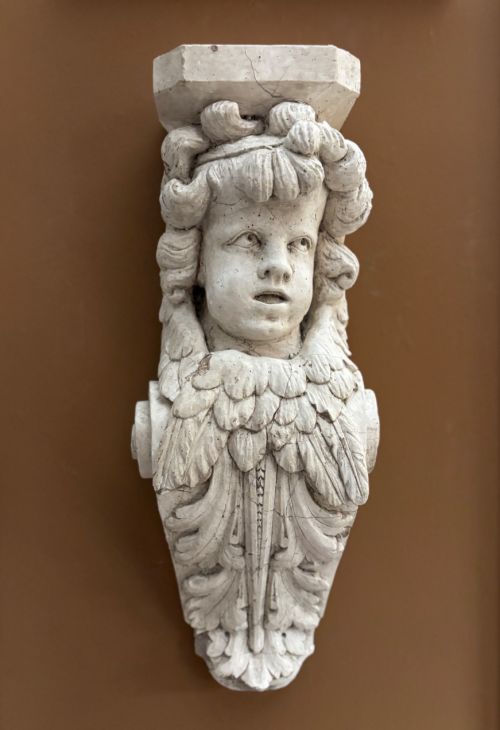
- A structural piece of stone, wood, or metal projecting from a wall to carry a weight. In decorative pieces, it often takes sculptural forms such as putti.
- Ormolu
- Gilded bronze used as decorative mounts on furniture and mirrors. It is particularly characteristic of Empire and neoclassical pieces.
- Louis XVI
- A style distinguished by straight lines, classical symmetry, and restrained ornamentation. It stands in contrast to the earlier curving lines of the Rococo.
French Carved Wings: Frequently Asked Questions
How do I identify eighteenth-century wings?
Eighteenth-century examples typically display hand-carved wooden construction with historic gesso and gilding techniques. The patination of the timber and the depth of the hand-tooling offer clear indicators of age.
Later nineteenth-century revivals often adopt similar motifs but lack the specific surface wear and tool marks associated with earlier workshops.
Are these armchairs comfortable for daily use?
Many nineteenth-century wingback and bergere armchairs were built with deep cushioning and generous proportions for domestic comfort. The inclusion of wings historically served to block draughts around the head.
Upholstery materials such as leather and velvet provide durable seating surfaces, though older springs and stuffing may require sympathetic restoration.
Where should I place a wall corbel?
Wall corbels and architectural brackets suit prominent positions where their sculptural details can be appreciated. They work well mounted on flat wall spaces or supporting shelves.
Ensure the wall construction can bear the weight of solid wood or plaster pieces before hanging them.
What is the difference between Empire and Louis XVI styles?
Louis XVI pieces favour restrained classical symmetry, straight tapered legs, and subtle carved ornaments. They reflect an eighteenth-century aesthetic focused on elegance and proportion.
Empire style, developing later, introduces heavier mahogany forms accented with ormolu mounts, brass details, and bold architectural references to antiquity.