

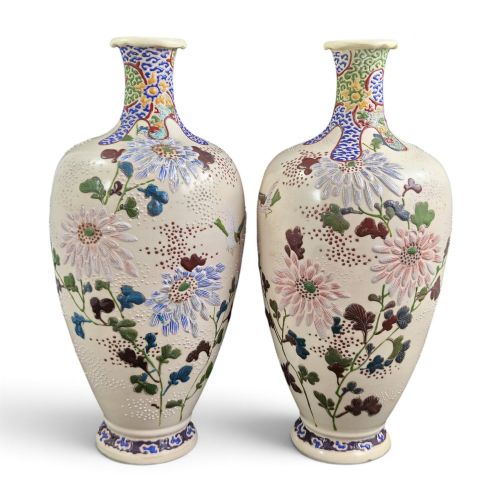
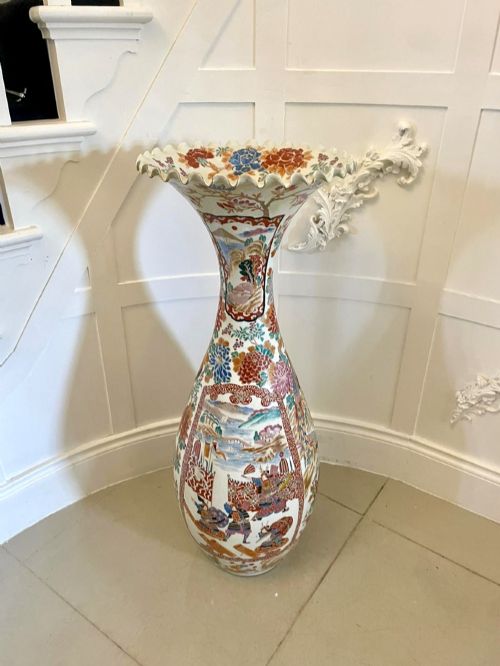
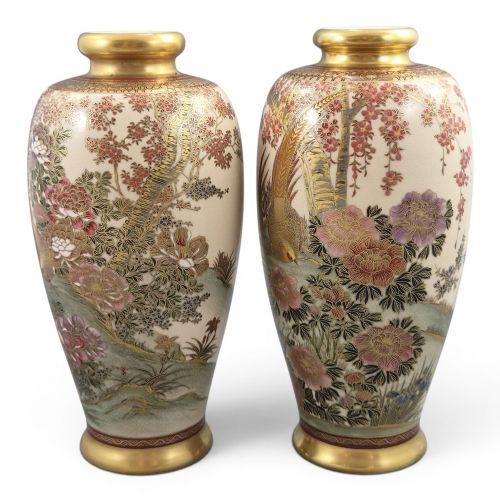
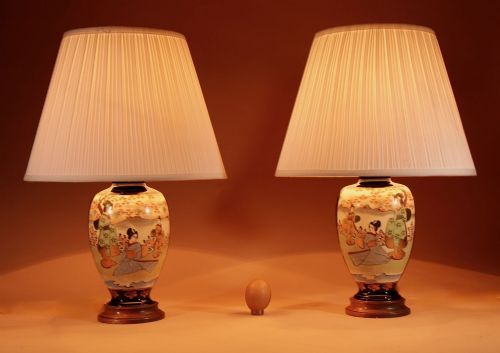
Polychrome Japanese Ceramic Vases
Polychrome japanese ceramic vases bring rich hand-painted palettes and intricate historic craftsmanship directly into a room.
Polychrome Japanese Ceramic Vases
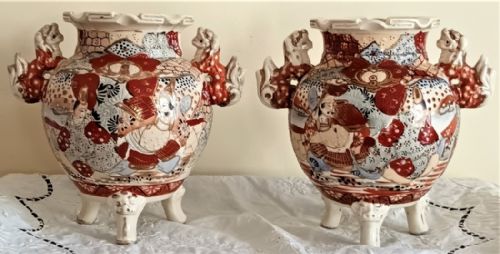
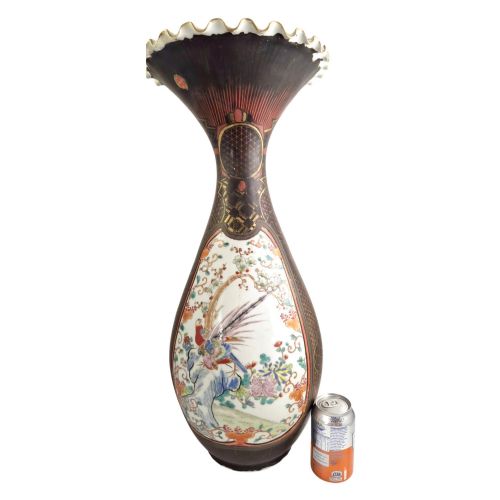
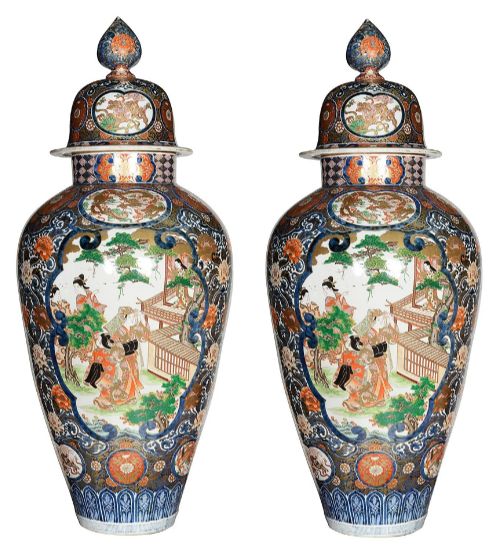
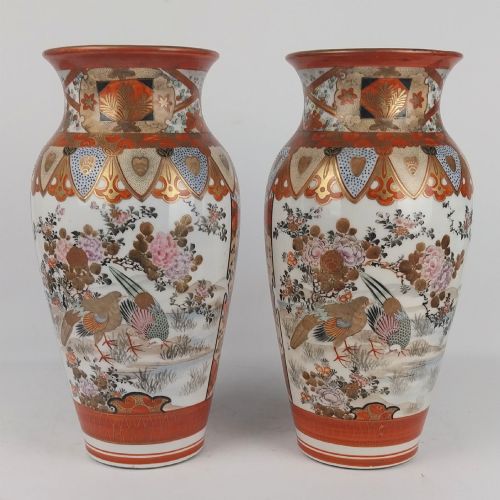
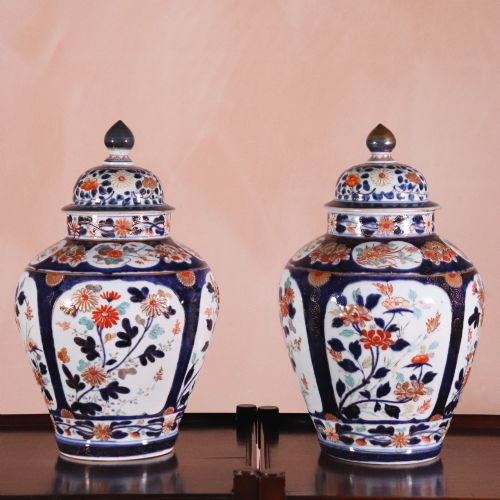
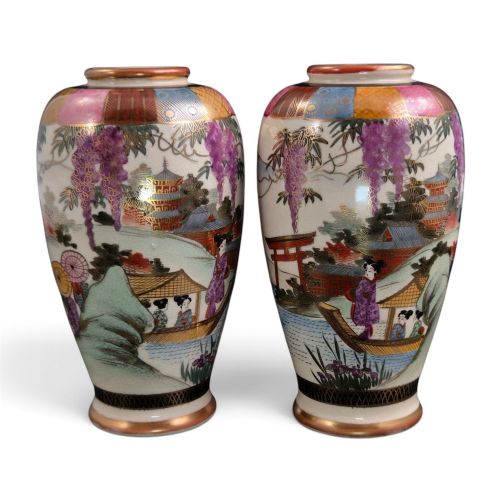
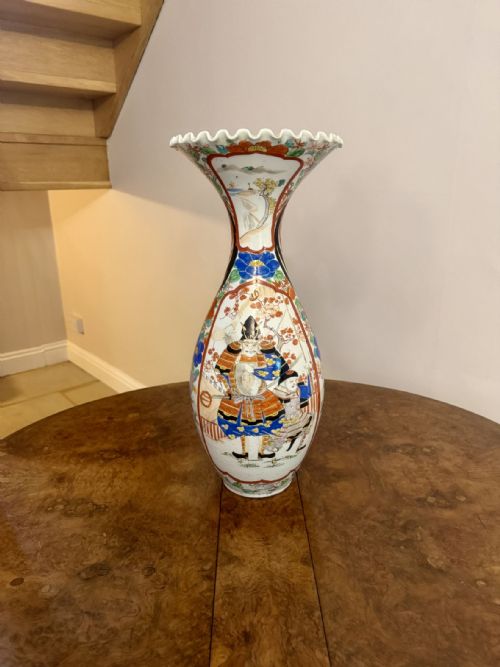
When you search for polychrome japanese ceramic vases, you encounter decorative vessels spanning from the Edo period through the Meiji, Taisho and early Showa eras. These pieces take the form of standard vases, lidded ginger jars, trumpet vessels, and large floor-standing urns.
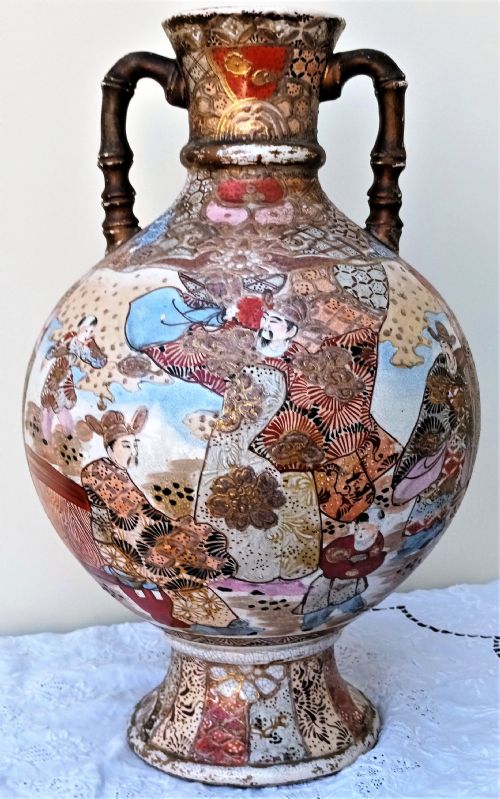
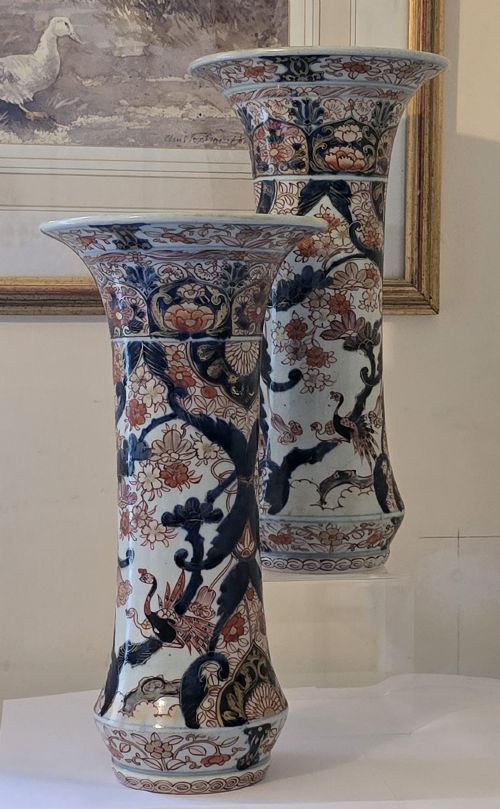
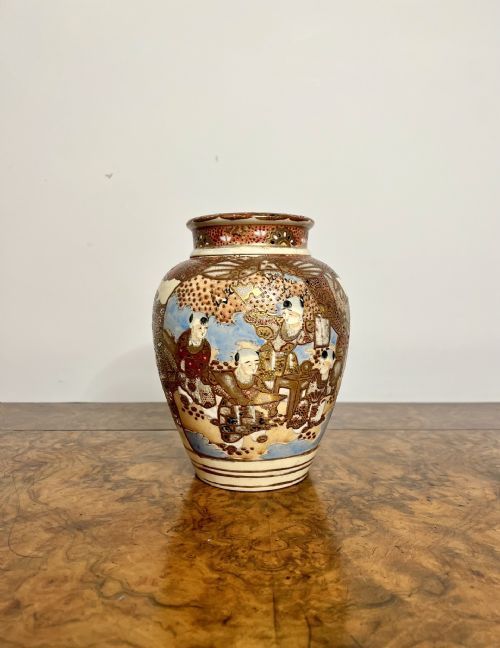
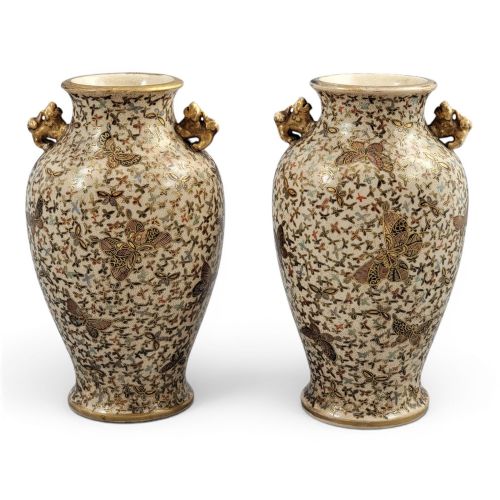
The most common examples on this page belong to the Satsuma and Kutani traditions of the 19th century, alongside earlier Arita Imari porcelain exports. Buyers select these works for their painted enamel surface detail and historic regional styles.
Materials and Construction Techniques
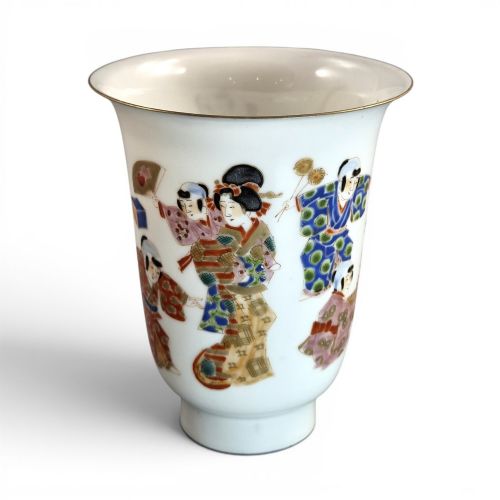
Potters shaped these vessels using porcelain and earthenware bodies, applying white and coloured glazes as a base for subsequent decoration. Artisans then hand-painted detailed scenes and patterns using mineral enamels.
Many workshops incorporated gold leaf and heavy gilt highlights across the surface designs. Certain Satsuma wares utilise raised moriage paste work to create textured, dimensional decoration on the ceramic body.
Polychrome Japanese Ceramic Vases Retail Price Guide 2026
Typical asking prices for polychrome japanese ceramic vases among the pieces listed under this phrase on Sellingantiques today, from the lower quarter to the upper quarter. They describe what is for sale here now, not the wider market.
The listings span the 18th century through the early Showa period, utilising porcelain and earthenware bodies decorated with enamel and gold leaf.
Distinguishing Quality Levels
The standard of a painted vessel depends on the precision and density of the brushwork across the enamel and gilt motifs. Finer examples display meticulous control in figural scenes, flora, and geometric borders.
Signatures from recognised artist studios or specific exhibition pieces indicate higher workshop standards. The clarity of the glaze and the crispness of the underlying ceramic form also separate standard production wares from exceptional creations.
Yamaka and Tomomae·Manpei Kobe·Hichozan Shinpo·Kinzan·Yamashu·Choshuzan·Jissei·Yoshisada·Hododa·Hayakawa
The Polychrome Japanese Ceramic Vases Glossary
- Satsuma
- A type of earthenware with a fine crackle glaze, typically decorated with polychrome enamels and extensive gilt. It originated in Satsuma Province before production spread to major urban centres like Kyoto.
- Imari
- A style of Japanese porcelain featuring a distinct palette of underglaze blue, iron red, and gold, named after the port of export. These pieces often display intricate panel designs and floral motifs.
- Kutani
- A style of Japanese ceramic identified by bold colour schemes, frequently utilising rich greens, yellows, purples, and reds. Kutani wares often depict figurative compositions and dense natural scenery.
- Moriage
- A decorative technique where slip is piped onto the ceramic surface in raised dots or lines before firing and painting, creating a tactile relief effect. This method appears frequently on late 19th-century Kyoto Satsuma.
- Mon
- A Japanese heraldic badge or crest used to identify families or clans. These crests appear on high-status export ceramics, such as the Shimazu family paulownia crest.
Polychrome Japanese Ceramic Vases: Frequently Asked Questions
How do I distinguish Satsuma from Kutani?
Satsuma ceramics feature an earthenware body covered in a warm ivory glaze with fine crackles, painted in detailed enamels and heavy gold. Kutani pieces use a porcelain body with bolder, brighter colour palettes dominated by greens, reds, and dark blues.
Examining the base and the texture of the glaze helps confirm the distinction between these two major historic traditions.
What is the difference between Imari and Arita?
Arita is the historic manufacturing town in Japan where porcelain production began. Imari is the port from which these distinctively patterned blue, red, and gold porcelain wares were shipped to Europe.
Collectors use Imari to describe the specific decorative style, while Arita identifies the geographical source of the porcelain body.
How should I display a floor vase safely?
Large floor-standing vessels require a stable, level surface away from busy walkways to prevent accidental tipping. Placing them directly on solid flooring rather than unstable carpets ensures a secure footing.
Keeping the piece out of direct sunlight protects the delicate polychrome enamels and gold leaf from gradual fading.
Are signed vases more valuable?
Signed pieces carry identifiable workshop names or artist signatures that link them to known Meiji period production centres. These marks provide historical context and help attribute the work to specific master painters or studios.
While signature verification aids dating and provenance, the overall execution quality remains the primary measure of the object's standard.