



Polychrome Faience Dishes
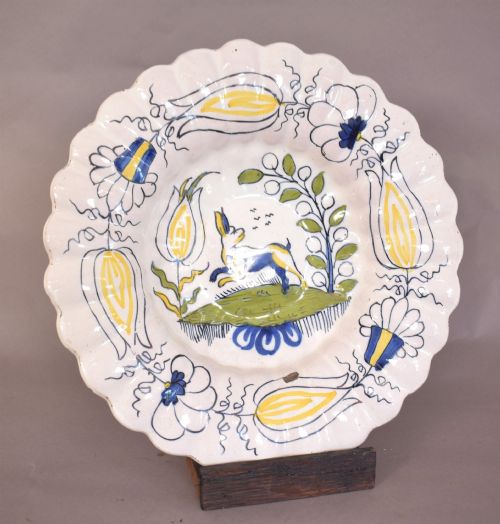
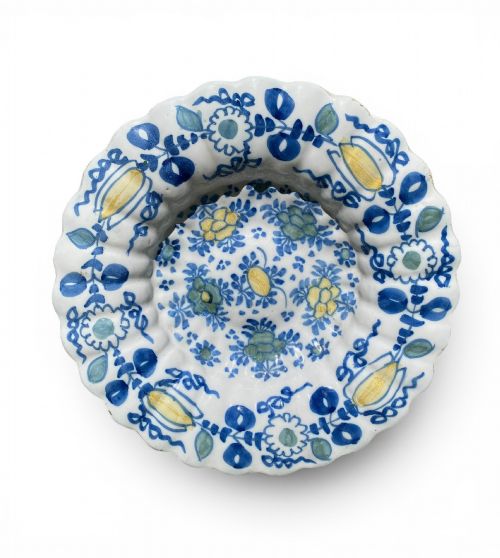
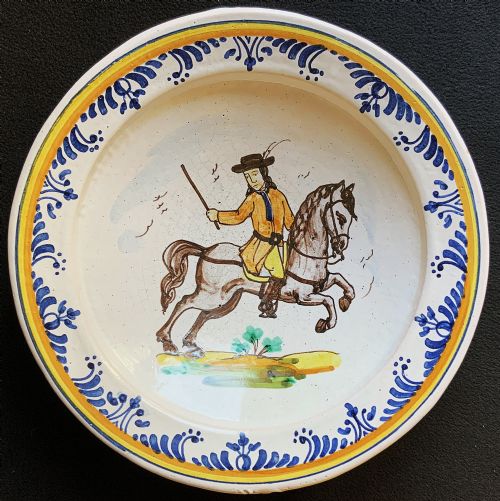
Polychrome faience dishes are tin-glazed earthenware vessels carrying vibrant painted pigments across chargers, plates, and plaques.
Polychrome Faience Dishes
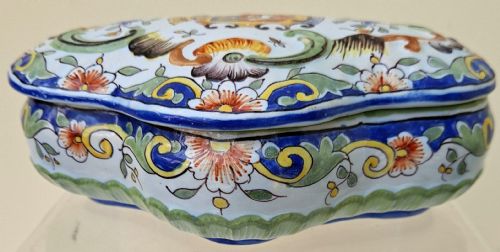
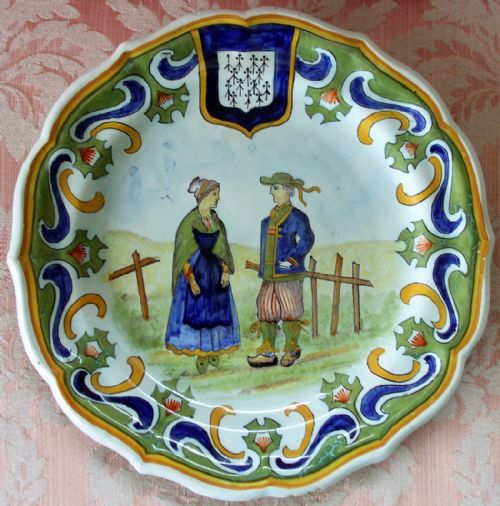
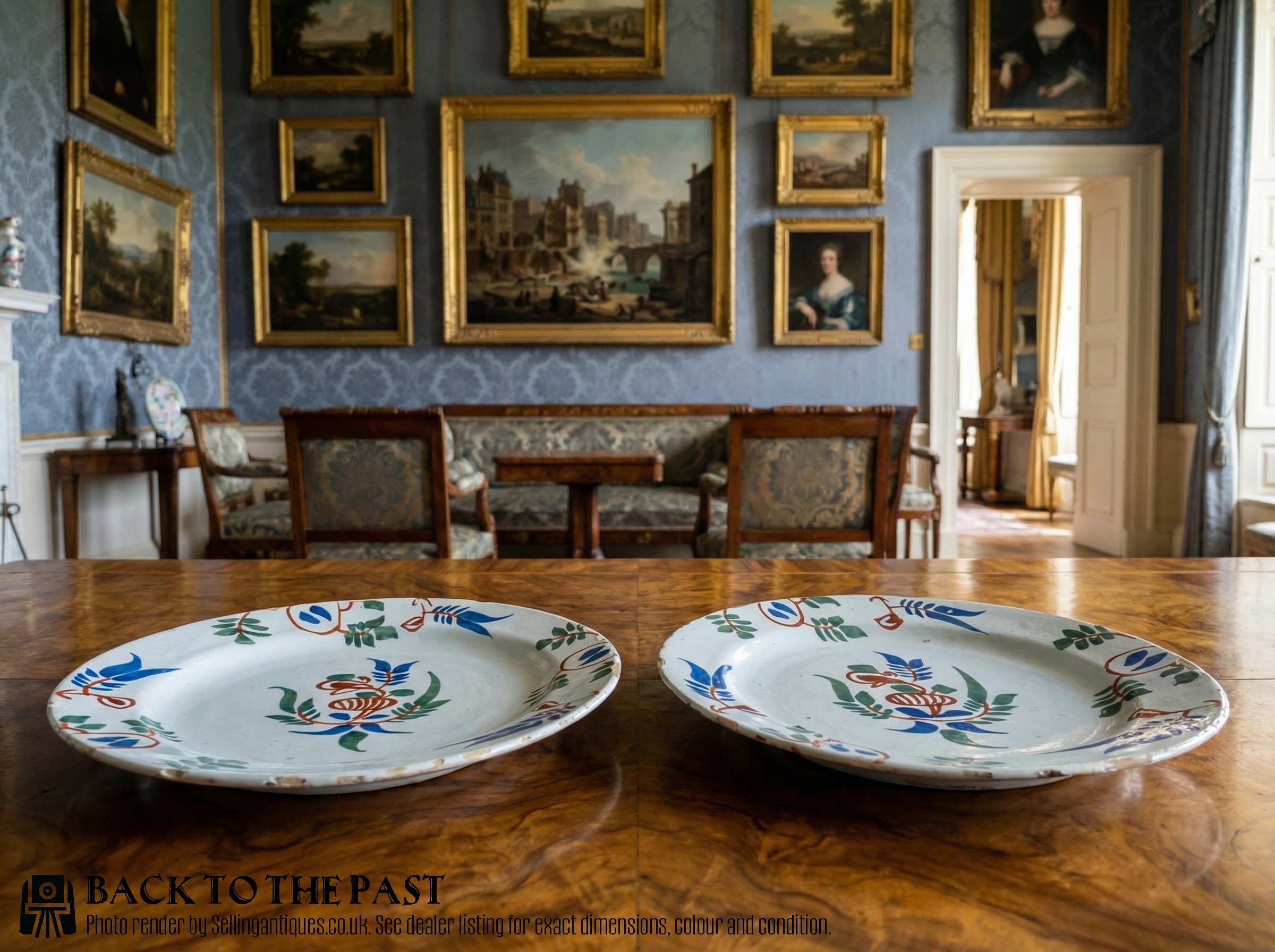
When you search for polychrome faience dishes, you encounter tin-glazed earthenware vessels spanning several centuries of European production. The selection encompasses seventeenth-century Dutch chargers, eighteenth-century Spanish and French plates, alongside nineteenth-century wall plaques and trinket boxes.
Most pieces on this page appear as large decorative plates and chargers, often adorned with geometric floral motifs or figurative scenes. These earthenware forms originate from various regional centres including Dutch, French, Spanish, Italian, and German kilns.
Vessels range from deep serveware and sweetmeat presentiers to lidded boxes and wall plaques. Each iteration demonstrates the enduring appeal of tin glaze combined with colourful pigments across domestic and decorative contexts.
How they were made
Potters shaped local clays into earthenware bodies before applying an opaque white tin glaze to create a smooth canvas. Artisans then painted colourful pigments directly onto the unfired glaze, which absorbed the pigments during the firing process.
Kiln techniques allowed Dutch, French, and Spanish makers to achieve distinct colour palettes and glossy surface textures. The combination of tin-glazed earthenware and mineral pigments defines the structural and visual identity of these objects.
Polychrome Faience Dishes Retail Price Guide 2026
Typical asking prices for polychrome faience dishes among the pieces listed under this phrase on Sellingantiques today, from the lower quarter to the upper quarter. They describe what is for sale here now, not the wider market.
Listings feature tin-glazed earthenware and terracotta from seventeenth-century Dutch kilns up to early twentieth-century French workshops.
What varies in quality
Quality rests upon the crispness of the painted pigment and the stability of the tin glaze across the earthenware body. Superior examples display confident brushwork and balanced compositions within regional styles such as Dutch Baroque or French Provincial.
The precision of the form and the clarity of the glaze separation distinguish finer chargers and plaques from simpler utilitarian wares. Artisanal skill in controlling the kiln temperature dictates the depth of colour and surface gloss.
The Polychrome Faience Dishes Glossary
- Faience
- Tin-glazed earthenware produced in Europe, particularly in France, Germany, and Spain. This technique provides an opaque white background for painted decoration.
- Charger
- A large decorative plate or dish traditionally used for service or display. These substantial pieces often feature elaborate geometric or floral schemes.
- Tin Glaze
- A ceramic glaze made opaque by the addition of tin oxide. It creates the characteristic white surface onto which pigments are applied.
- Sweetmeat Presentier
- A specialised serving dish designed for confectionery or sweet delicacies. These elevated vessels often showcase intricate modelling and detailed painting.
- Maiolica
- Italian tin-glazed earthenware decorated with colourful pigments. The term corresponds closely to faience produced in Mediterranean workshops.
Polychrome Faience Dishes: Frequently Asked Questions
How do I clean polychrome faience dishes?
Clean these tin-glazed earthenware pieces gently using a soft cloth and lukewarm water without harsh detergents. Avoid soaking them, as moisture can penetrate old ceramic bodies through microscopic glaze fissures.
Dry the surfaces thoroughly immediately after washing to protect the historic glaze and painted pigments. Display or store them in stable environments away from excessive humidity.
Can I use these dishes for serving food?
Historic polychrome faience dishes serve primarily as decorative objects or wall plaques rather than daily tableware. Historic glazes may contain components unsuitable for modern culinary use.
Preserve the integrity of the tin glaze and pigments by keeping these ceramics away from acidic foods, dishwashers, and microwaves. Enjoy them as historic visual artefacts rather than functional kitchenware.
How do I identify seventeenth-century Dutch pieces?
Seventeenth-century Dutch pieces typically appear as large chargers featuring distinctive cobalt and polychrome floral designs. Potters in centres like Delft utilised tin glaze on earthenware to emulate imported Asian porcelain.
Examine the weight, glaze thickness, and palette to connect individual dishes with Dutch Baroque traditions. Reference pieces often display characteristic geometric floral arrangements unique to that era.
What is the difference between faience and ceramic?
Ceramic is a broad term encompassing all objects made from fired clay, including earthenware, stoneware, and porcelain. Faience specifically denotes earthenware coated with an opaque tin glaze.
Every faience dish is ceramic, but not all ceramics feature the tin glaze characteristic of these European wares. This specific glazing technique defines the smooth white surface required for polychrome painting.