


Polychrome Enamel Plate
A polychrome enamel plate brings vivid colour and intricate hand-painted detail to a room, drawing the eye across centuries of ceramic artistry.
Polychrome Enamel Plate
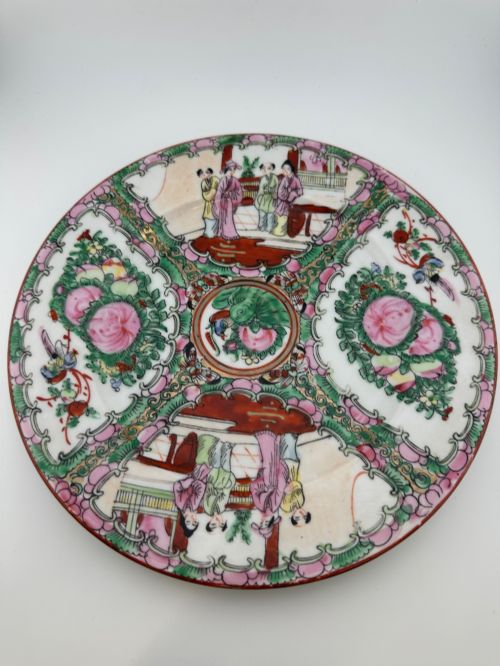
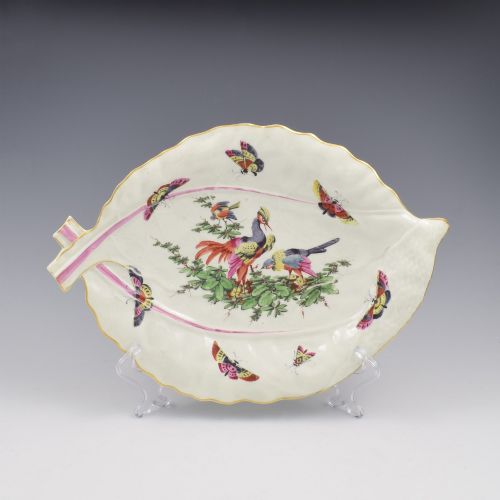
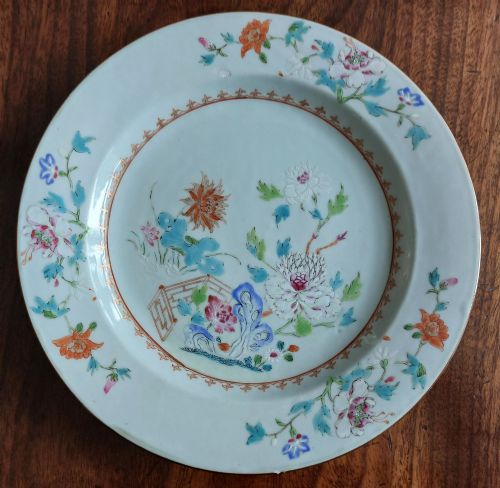
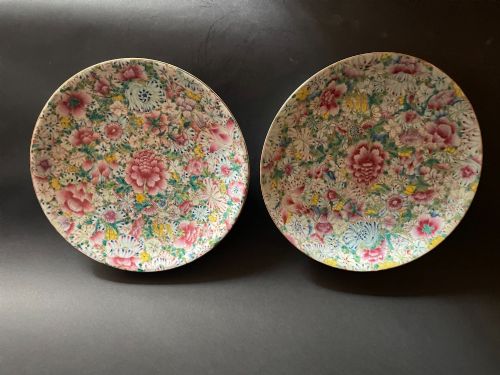
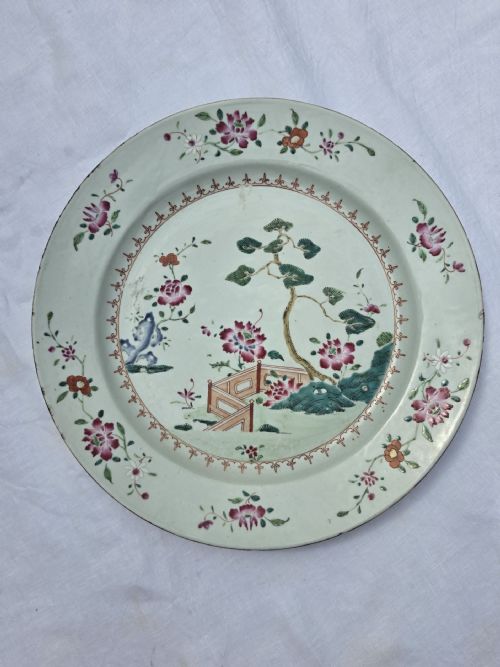
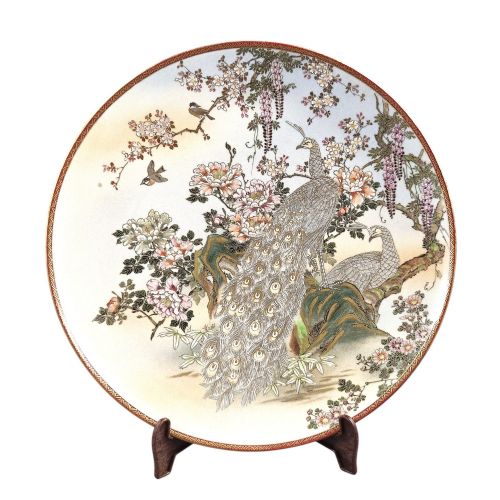
A polychrome enamel plate is a decorative ceramic or metal vessel painted with multiple vibrant colours, spanning several centuries of global craftsmanship. These objects include chargers, dishes, and platters originating from diverse cultural traditions and historical periods.
The pieces appearing most frequently on this page hail from the eighteenth and nineteenth centuries, encompassing Chinese export porcelain, Japanese Meiji wares, and European manufactories. Buyers encounter everything from large armorial chargers to delicate tea bowls and smaller display dishes.
Forms range from deep circular platters and shallow bowls to specialised shapes like trefoil trays and leaf dishes. Each item serves primarily as a decorative display piece rather than everyday tableware.
Materials and construction methods
Makers utilised hard-paste porcelain, earthenware, and copper as the foundational bases for these brightly decorated objects. Artisans then applied metallic enamels, gold leaf, and gilt highlights over or under the glaze before firing the pieces in kilns.
Techniques varied between cultures, ranging from the delicate brushwork of Chinese Famille Rose and Famille Verte palettes to the raised moriage details of Japanese Satsuma wares and the wire-inlaid cells of Japanese cloisonné.
Listings feature hard-paste porcelain, copper, and cloisonne alongside earthernware bases across eighteenth and nineteenth century periods.
Distinctions in quality and execution
Quality rests primarily in the precision of the brushwork and the complexity of the polychrome palette. Superior examples display crisp, meticulously controlled lines and a harmonious balance of multi-coloured pigments across the surface.
The depth of the glaze, the inclusion of refined gilding or gold leaf, and the clarity of painted motifs such as birds, flora, or figural scenes separate master-executed pieces from standard commercial output.
Dr Wall·Shuzan for Yasuda·Meizan·Shozo·Mason
The Polychrome Enamel Plate Glossary
- Famille Rose
- A palette of opaque rose-pink and other soft enamel colours introduced in Chinese ceramics during the Qing dynasty. This distinctive colour scheme defines many eighteenth-century export pieces.
- Famille Verte
- A dominant green enamel colour palette used in Chinese porcelain decoration. It often incorporates iron red, yellow, and blue to create vibrant pictorial scenes.
- Cloisonne
- A metalwork technique where fine wires form raised barriers on a copper or brass body to create compartments. Artisans fill these cells with enamel paste before firing and polishing the surface.
- Moriage
- A Japanese ceramic decorating technique using slip trailing to build up raised dots and lines on the body. This method adds a tactile, three-dimensional texture beneath the enamel and gold finishes.
- Armorial
- A specific style of decoration featuring painted family coats of arms or crests. European families frequently commissioned these pieces from overseas manufactories.
Polychrome Enamel Plate: Frequently Asked Questions
How were these plates originally displayed?
These decorative items were typically shown on sideboards, walls, or inside cabinets rather than used for dining. Wealthy households utilised them to display status, artistic taste, and global trade connections.
Over time, collectors transitioned to dedicated display stands and specialised wall mountings to protect the fragile glazed edges while keeping the colourful designs visible.
Can I hang an antique plate on the wall?
Wall hanging remains a popular method for displaying these decorative pieces safely in domestic spaces. Collectors should use padded wire hangers specifically designed for ceramics to prevent pressure fractures along the rim.
Placing the display away from direct sunlight protects the delicate enamel pigments and gold leaf details from fading over the decades.
How do I identify a Qianlong period piece?
Qianlong period pieces date from the eighteenth century during the Qing dynasty and usually feature fine hard-paste porcelain. Look for characteristic enamel palettes like Famille Rose, alongside meticulous hand-painted floral, bird, or figural compositions.
Expert examination often reveals specific potting characteristics, such as carefully finished foot rims and finely proportioned body thickness typical of imperial export workshops.
What is the difference between Satsuma and Kutani?
Satsuma wares originate from Japanese pottery traditions characterised by a fine crackle-glaze earthenware body, often enriched with heavy gilding and raised moriage decoration. Figures, deities, and complex floral scenes dominate this style.
Kutani wares typically utilise porcelain or stoneware bodies decorated with a bold, distinctive colour palette dominated by intense greens, blues, purples, and reds, often signed by individual artists.