
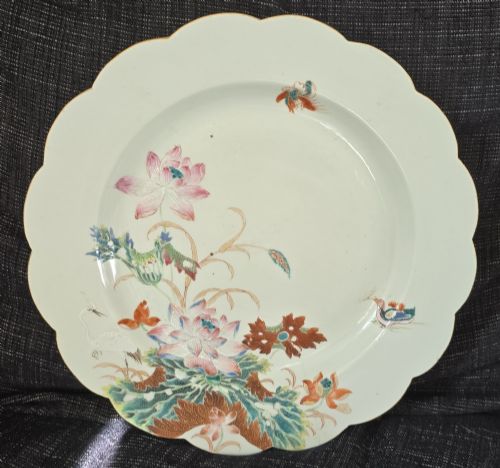
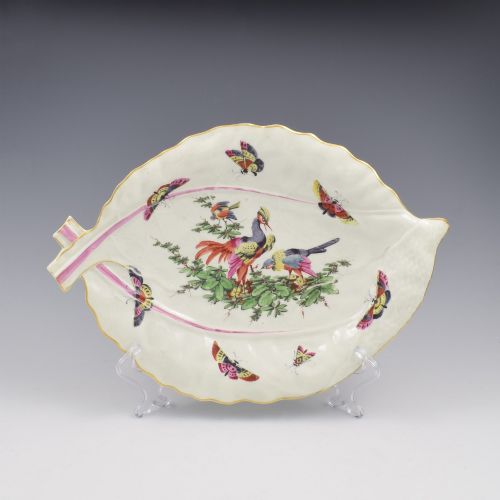
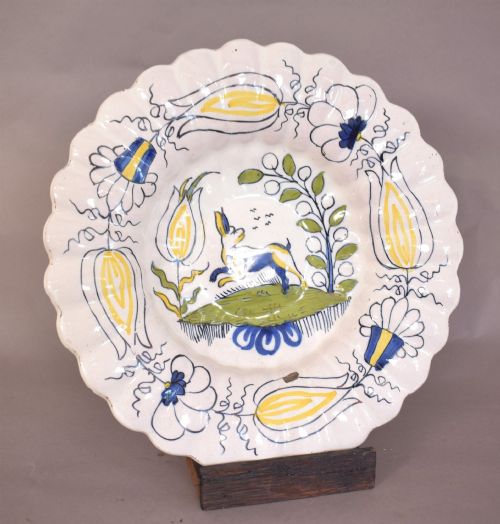

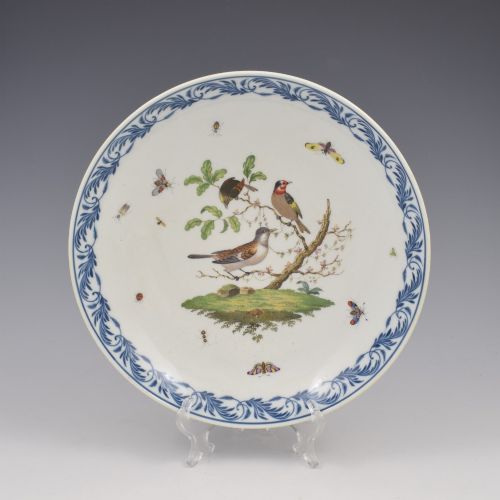
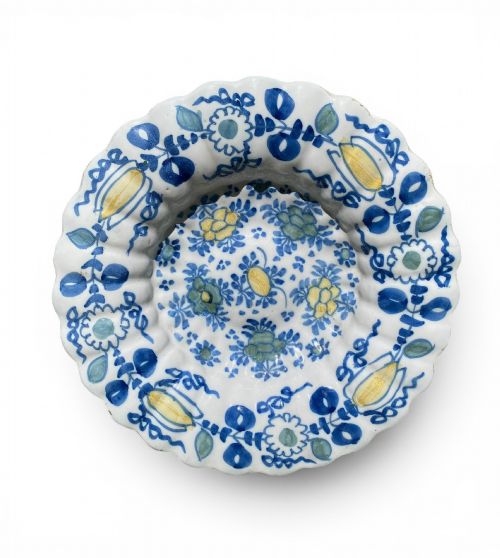
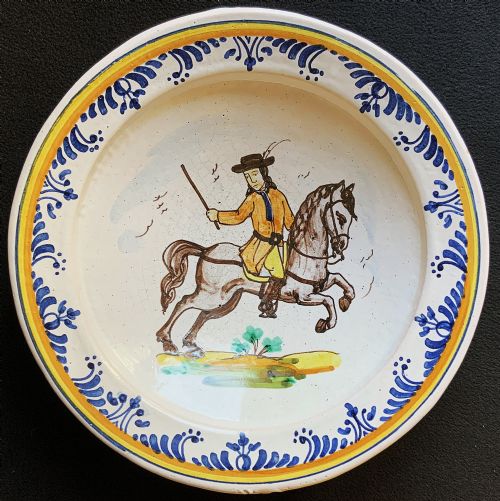

Polychrome Ceramic Wall Dish
A polychrome ceramic wall dish brings vibrant hand-painted colour and intricate historical glaze work directly to an interior scheme.
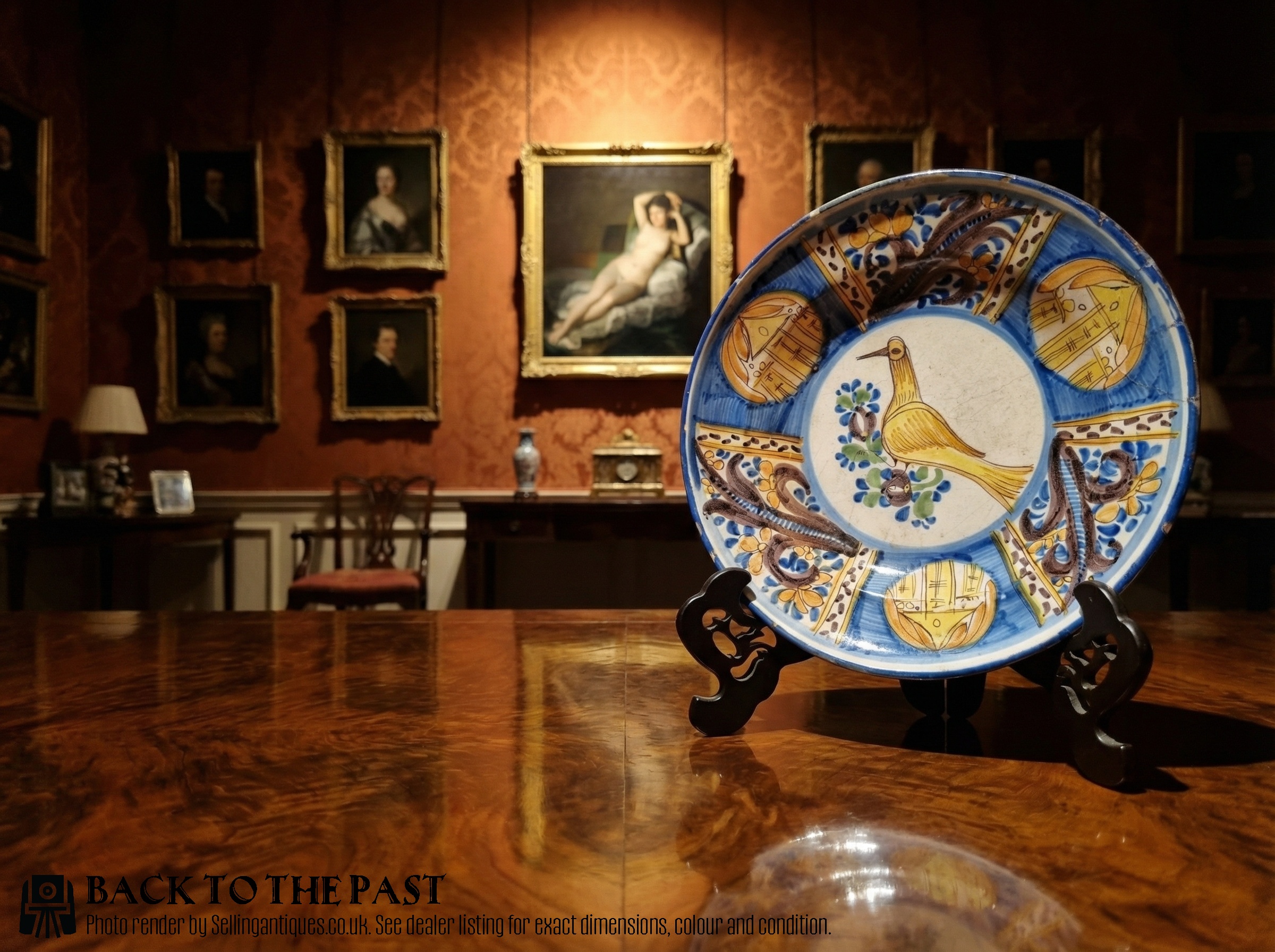
Polychrome Ceramic Wall Dish
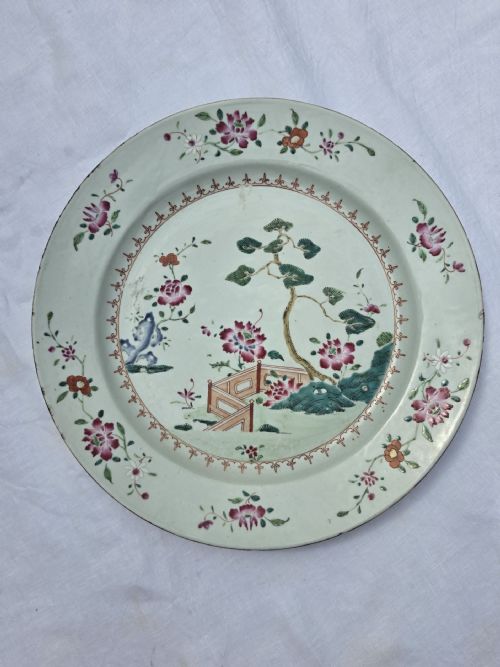
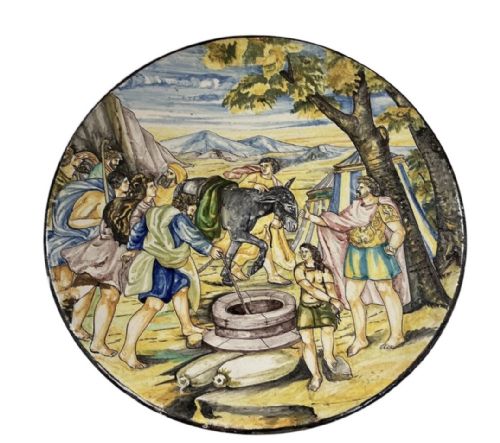
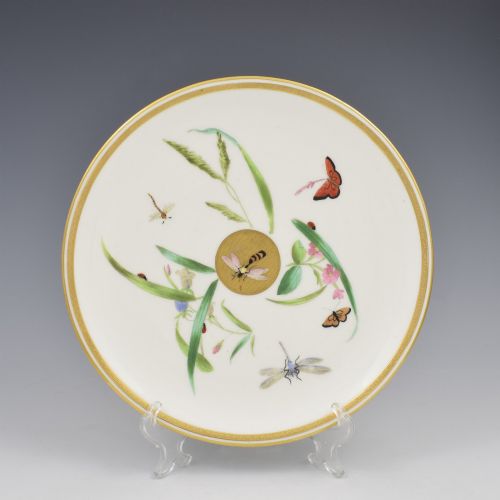
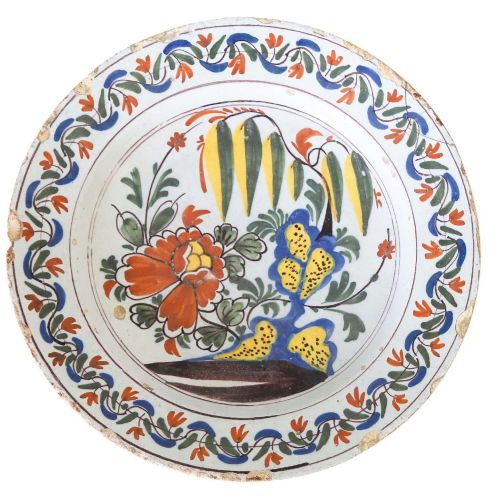
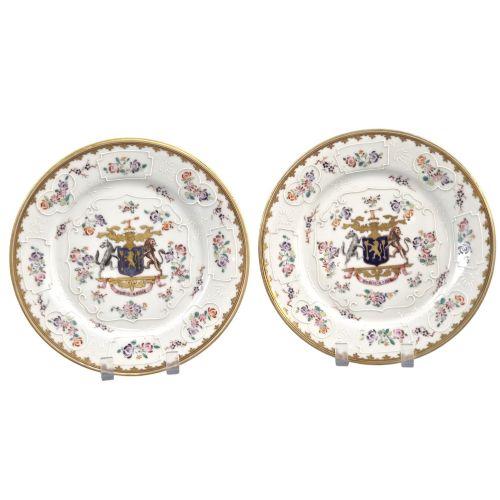
A polychrome ceramic wall dish encompasses decorative chargers, cabinet plates, and large earthenware or porcelain platters designed for display. These pieces originate from diverse global traditions, spanning Japanese Imari, Chinese Export, Dutch Delftware, and European porcelain factories.
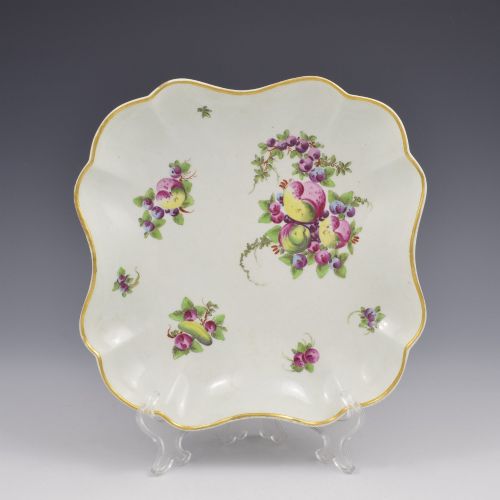
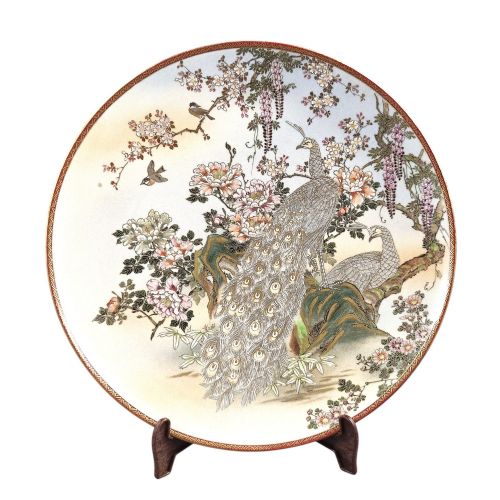
The selection frequently includes seventeenth- and eighteenth-century tin-glazed chargers alongside nineteenth-century Japanese Satsuma and Meiji period wares. Formats range from deep circular bowls and lobed dishes to square plates and shell-shaped centerpieces.
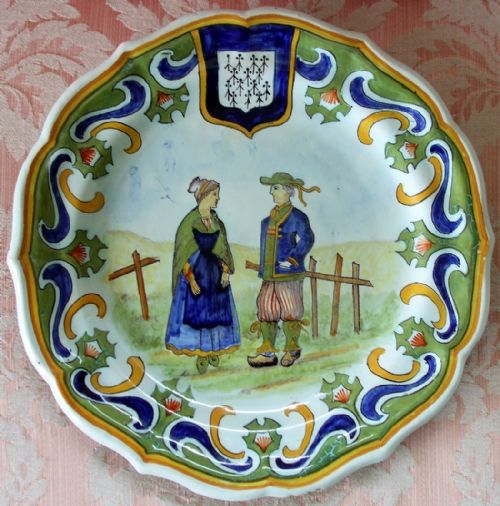
Buyers encounter substantial tin-glazed earthenware dishes alongside fine porcelain cabinet plates, each intended to be hung on a wall or showcased on a stand. The common thread is the multi-coloured painted surface, utilising vibrant enamels, cobalt blue, and iron red.
Materials and methods
Makers shaped these wares using earthenware, stoneware, or hard-paste porcelain, applying tin-glaze or transparent enamel coatings to form the smooth ground. Artisans then painted motifs by hand using mineral pigments that fused with the glaze during kiln firing.
Techniques varied from the opaque tin-glazing of Dutch and English Delftware to the delicate overglaze enamel work found on Japanese Imari and Chinese export porcelain. Selected pieces integrate applied gold leaf or raised moriage details to add textural depth to the surface.
Listings feature tin-glazed earthenware, hard-paste porcelain, and ironstone across English, Dutch, French, German, Chinese, and Japanese origins.
Judging execution and artistry
Quality rests in the precision and confidence of the brushwork, distinguishing hurried commercial production from master painter output. The crispness of the polychrome palette and the alignment of complex botanical, avian, or figural compositions dictate the distinction.
The stability of the ceramic body and the purity of the white glaze ground provide the foundation for the painted decoration. Superior examples demonstrate harmonious integration between the ceramic form and the applied ornament, whether geometric floral borders or intricate bird studies.
Dr Wall Worcester·John Ridgway·Helena Wolfsohn
The Polychrome Ceramic Wall Dish Glossary
- Charger
- A large decorative plate traditionally used for ceremonial display rather than dining. These substantial dishes command visual attention on a wall or sideboard.
- Tin-Glazed Earthenware
- Pottery covered with a lead glaze made opaque by the addition of tin oxide. This white surface provides the absorbent ground for painted cobalt and polychrome decoration.
- Imari
- A style of Japanese export porcelain originating from Arita, characterised by a palette of underglaze blue, iron red, and gilt. It heavily influenced European kilns during the eighteenth century.
- Moriage
- A decorative technique in Japanese ceramics where slip is piped onto the surface in dots or lines to create raised relief patterns. This provides a tactile element beneath the enamel and gilding.
- Famille Rose
- A palette of Chinese porcelain decoration introduced in the eighteenth century, dominated by opaque pink enamel derived from colloidal gold. It allowed artists to render subtle tonal gradations in floral and figural scenes.
Polychrome Ceramic Wall Dish: Frequently Asked Questions
How do I hang a heavy ceramic charger?
Heavy chargers require secure, coated wire display hangers that distribute weight evenly across the rim without exerting pressure on vulnerable sections. Ensure the wall fixing anchors directly into solid masonry or a timber stud.
Avoid spring-loaded clips with excessive tension on fragile earthenware edges. Check the security of the mounting periodically to maintain safe display.
How do I distinguish Delft from Chinese export?
Delftware utilises a porous earthenware body covered in an opaque tin-glaze that often shows minor surface crazing or edge chipping. Chinese export pieces consist of hard-paste porcelain with a dense, white vitrified body and clear glaze.
Weight, ring sound when tapped, and footrim construction immediately separate the European earthenware tradition from East Asian porcelain.
What causes crazing in the glaze?
Crazing appears as a fine network of microscopic cracks in the glassy surface layer caused by tension between the ceramic body and the glaze during cooling. Age, historical temperature fluctuations, and natural expansion contribute to this network over centuries.
In tin-glazed wares, stable crazing is a normal characteristic of the firing process and does not compromise the structural integrity of the dish.