
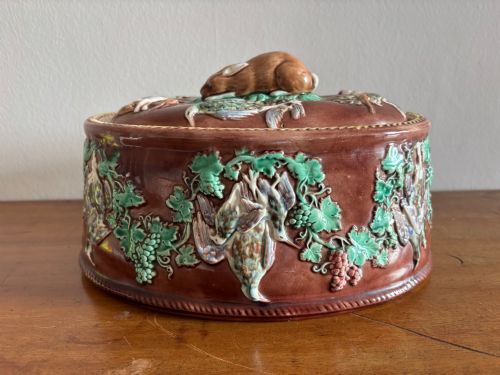
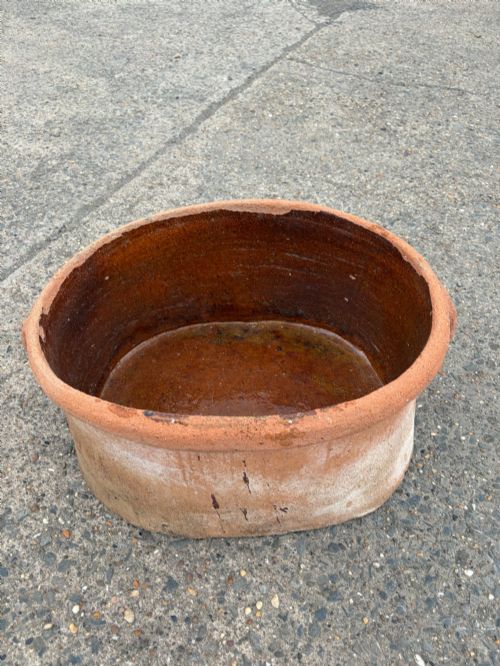


Glazed Terracotta Dish
A glazed terracotta dish brings tactile warmth and historic utility into a room, offering genuine earthenware character for everyday display.
Glazed Terracotta Dish
When you search for a glazed terracotta dish, you are looking at earthenware vessels designed for food preparation, serving, or display. These objects emerge from various periods including the 19th Century and Victorian eras, carrying distinct utilitarian origins.
The versions you are most likely to meet on this page span kitchenalia and decorative forms such as game pie dishes and wash bowls. They reflect traditions ranging from English country pottery and folk art to Islamic Samanid influences.
Makers recorded in the evidence such as Wedgwood and Royal Dux demonstrate the diverse manufacturing scope of these ceramic items. Each piece reveals the functional aesthetic of its specific historical context.
Materials and construction
These items rely primarily on clay, earthenware, and terracotta as foundational bodies, shaped into vessels and decorative objects. Potters applied surface treatments including glaze, slip, and polychrome pigments to seal the porous clay and provide colour.
Firing techniques transformed raw clay into durable stoneware and ceramic forms suited for kitchenware and decorative bowls. The interaction between the clay body and the applied glaze defines the tactile surface texture of each piece.
The site listings combine 19th Century earthenware and stoneware with earlier pottery traditions, showcasing diverse regional origins from English country wares to Islamic styles.
Judging quality in earthenware
Quality separates objects through the precision of the form and the skill applied in the glazing process. Finer examples display harmonious proportions and controlled application of slip or polychrome decoration across the ceramic surface.
The distinction between standard utility items and finer studio or factory pieces lies in the crispness of the moulding and the depth of the glaze finish. Evidence of regional skill, such as North Devon or English country pottery traditions, adds character to the physical execution.
Wedgwood·Royal Dux
The Glazed Terracotta Dish Glossary
- Terracotta
- A porous, fired clay body ranging in colour from orange to brown. It forms the structural base for many traditional utility vessels and decorative figures.
- Earthenware
- Pottery fired at lower temperatures that remains porous unless glazed. This material is standard for traditional kitchenalia and country pottery.
- Glaze
- A vitreous coating fused to a ceramic body through firing. It seals the porous clay and provides both waterproofing and decorative surface colour.
- Slip
- A liquid mixture of clay and water applied to pottery before firing for decoration. Potters use it to create contrasting surface patterns and lines.
- Stoneware
- A robust ceramic fired at higher temperatures until vitrified and non-porous. It offers increased durability compared to standard earthenware.
Glazed Terracotta Dish: Frequently Asked Questions
What is a glazed terracotta dish used for?
These vessels served practical domestic roles in the kitchen and dining room, including cooking, food storage, and serving. Game pie dishes and wash bowls exemplify the utilitarian purpose behind their creation.
Over time, many of these utilitarian objects transitioned into decorative pieces collected for their historic charm. Today, buyers use them to add rustic warmth and period character to interior spaces.
How do I identify a 19th-century piece?
Nineteenth-century items often display specific regional earthenware characteristics, traditional folk art styles, or Victorian manufacturing traits. Evidence of hand-shaping and early glazing methods helps distinguish them from later reproductions.
Examining the underside, base wear, and material composition provides further clues to age. Pieces associated with makers like Wedgwood carry impressed marks characteristic of the period.
Are these dishes safe for food use?
While originally designed for culinary tasks such as cooking and serving, older ceramics require careful evaluation before modern consumption use. Historic glazes and porous earthenware can absorb liquids or contain materials unsuited for modern food safety standards.
Most collectors choose to display these items as decorative art or kitchenalia rather than utilising them for active daily dining. Gentle cleaning preserves the fragile historic surfaces.
How should I care for terracotta?
Terracotta and earthenware require gentle handling to protect the porous clay body and surface glazes from chipping. Avoid harsh chemical cleaners and abrasive scrubbing that might damage the historic finish.
Keep the items in stable environmental conditions away from excessive moisture and sudden temperature shifts. Dusting with a soft, dry cloth is usually sufficient for routine maintenance.