



Polychrome Ceramic Jug
These polychrome ceramic jugs bring vibrant glaze colours and characterful British forms straight into a room.

What polychrome ceramic jugs are
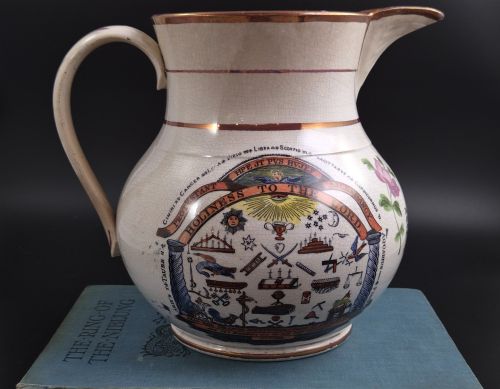
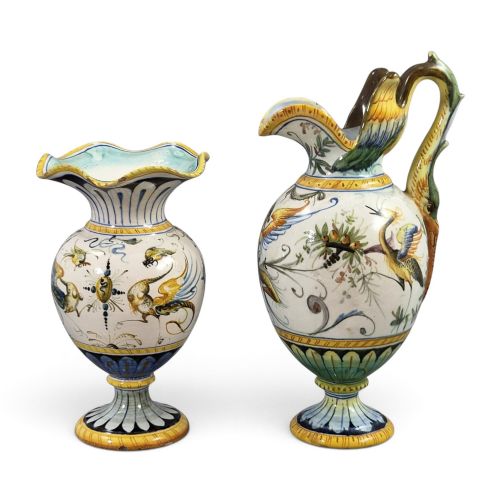
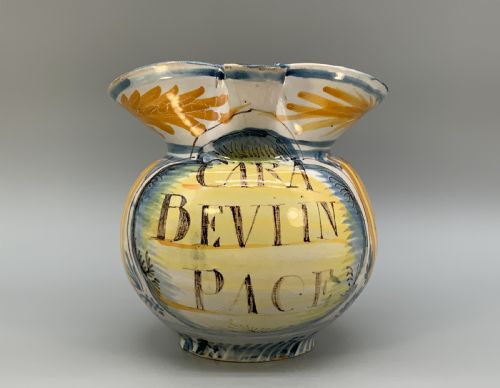
A polychrome ceramic jug encompasses nineteenth-century earthenware and ironstone vessels finished with hand-painted enamel glazes. Buyers searching this phrase seek characterful antique examples that display rich colour palettes from the Victorian and Regency eras.
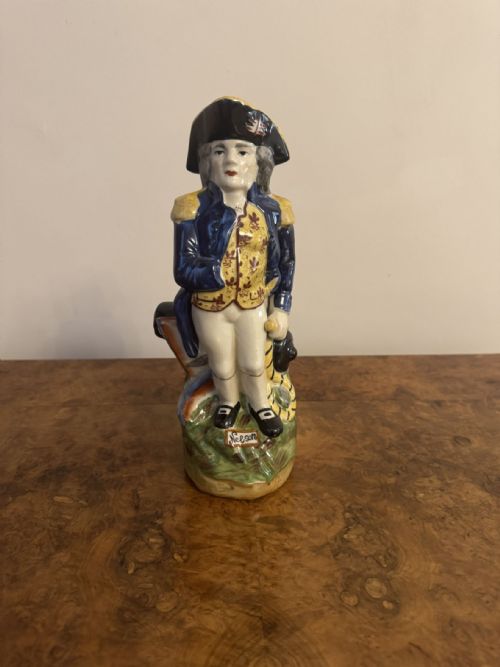
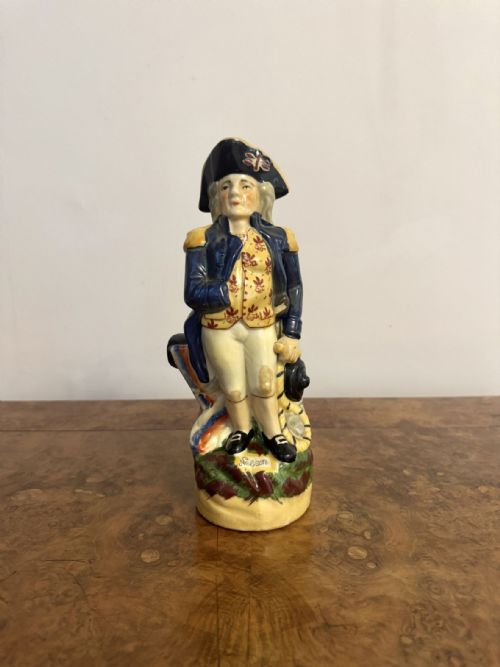
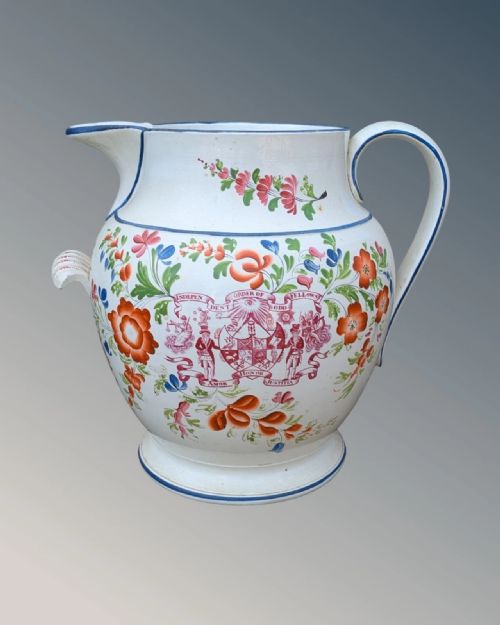
The pieces on this page include traditional figural Toby jugs and large washbasin jugs in Regency Chinoiserie styles. These functional objects served domestic and tavern uses before becoming decorative pieces for collectors.
How they were made
Potters shaped earthenware and ironstone ceramic bodies using traditional moulding and throwing techniques before applying detailed hand-painted designs. The application of enamel glaze created durable, glossy surfaces that held bright pigments securely across the body of each vessel.
Makers utilised high-temperature kilns to fire the ceramic pieces and fix the complex polychrome decorations. Skilled artists then added finishing touches by hand to highlight the distinct facial expressions and decorative motifs.
Mr Snuff sits permanently ready to pour, capturing Victorian character in vibrant enamel glaze.
What varies in quality
The artistic skill in the hand-painted enamel glaze work sets the finest examples apart from standard production pieces. Crisp details on figural subjects and refined brushwork in decorative motifs show superior craftsmanship.
The choice of body material also influences the character of the vessel, with heavier ironstone ceramic offering different weight and durability compared to traditional earthenware. Finer potting and well-defined moulding elevate the visual impact of the jug.
The Polychrome Ceramic Jug Glossary
- Polychrome
- Decoration executed in multiple distinct colours. This technique brings pictorial depth and vibrancy to ceramic surfaces.
- Earthenware
- A porous pottery body fired at lower temperatures. It requires a glaze to hold liquids and forms the base of many nineteenth-century jugs.
- Ironstone ceramic
- A dense, durable type of pottery developed in the nineteenth century. It bridges the gap between earthenware and fine porcelain.
- Enamel glaze
- A vitreous coating applied to ceramics and fused in a kiln. It provides a glossy, brightly coloured finish resistant to everyday wear.
- Toby jug
- A pottery jug shaped as a jovial seated figure holding a mug and jug. These figural pieces are traditional British folk art.
Frequently Asked Questions
What is a polychrome ceramic jug?
A polychrome ceramic jug is a nineteenth-century earthenware or ironstone vessel decorated with hand-painted enamel glaze colours. These pieces range from figural Toby jugs to large Regency washbasin jugs.
They combine practical domestic utility with striking decorative visual appeal.
How do I date a Victorian jug?
Dating a Victorian jug relies on examining the ceramic body, glaze characteristics, and stylistic markers such as Regency Chinoiserie or specific figural forms. Makers often incorporated specific moulding techniques typical of the mid-nineteenth century.
Comparing the hand-painted palette to documented pieces helps narrow down the period of production.
Where were these jugs made?
These ceramic pieces were produced in British potteries during the nineteenth century. Major manufacturing centres utilised local earthenware and ironstone materials to create functional wares.
Potters applied enamel glazes to suit both domestic washing routines and tavern settings.
How do I clean an antique jug?
Cleaning an antique polychrome ceramic jug requires gentle dusting with a soft cloth to protect the enamel glaze. Harsh chemical cleaners can damage the hand-painted colours and older ceramic surfaces.
Keeping the vessel away from direct moisture preserves the structural integrity of the earthenware body.