



Polychrome Ceramic Charger Dish
A polychrome ceramic charger dish brings bold colour and scale to a room, offering the collector a rich surface of hand-painted glazes.
Polychrome Ceramic Charger Dish
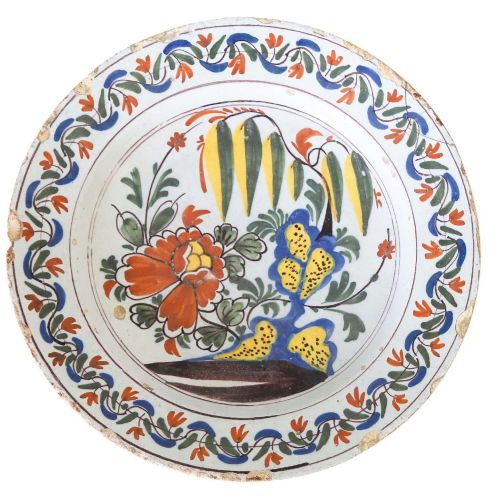
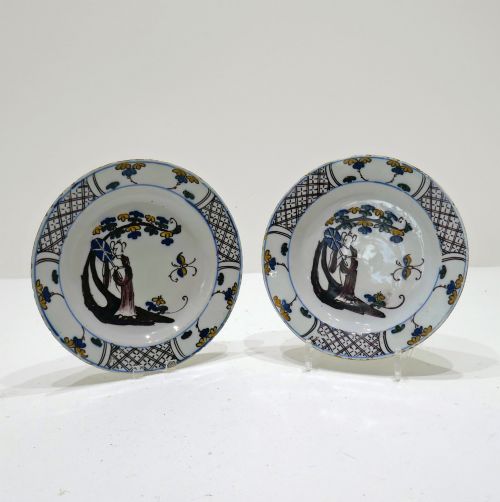
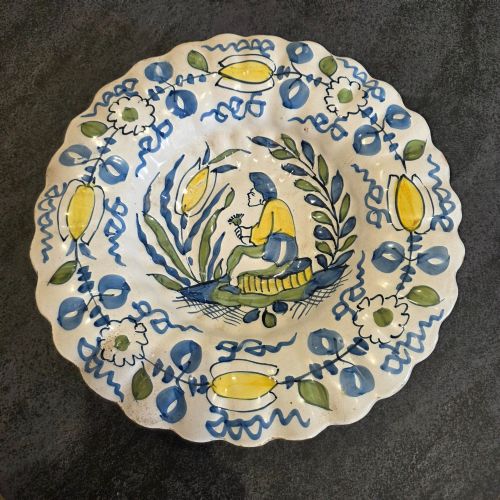
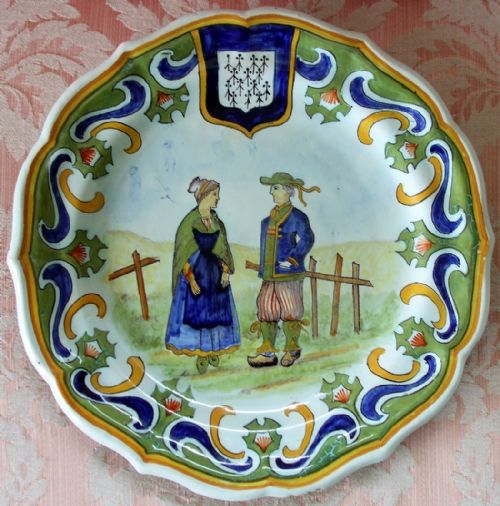
When you search for a polychrome ceramic charger dish, you encounter large decorative plates and shallow bowls produced across centuries in Europe and Asia. These pieces served primarily for display rather than dining, designed to command attention on sideboards, walls or large tables.
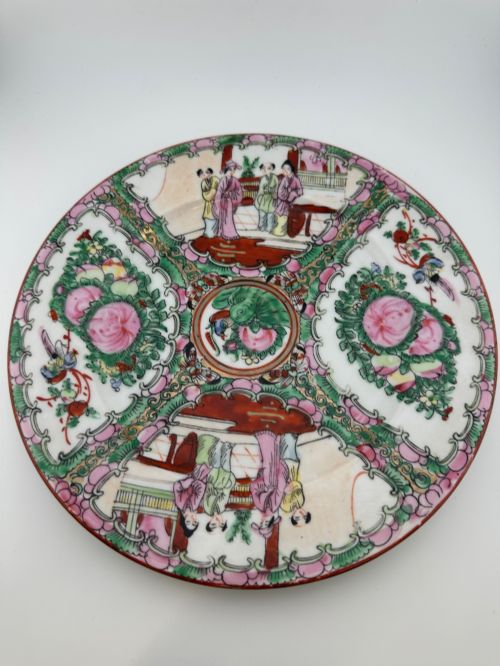
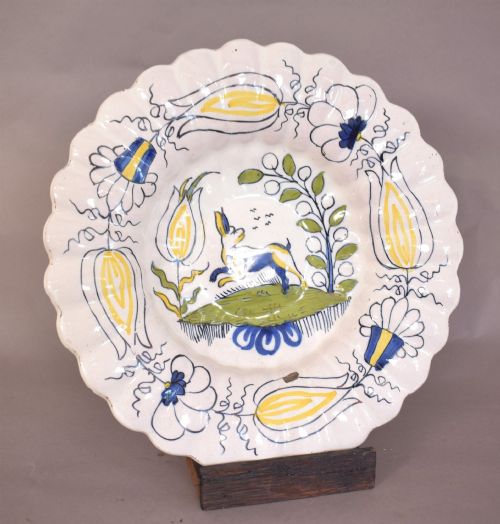
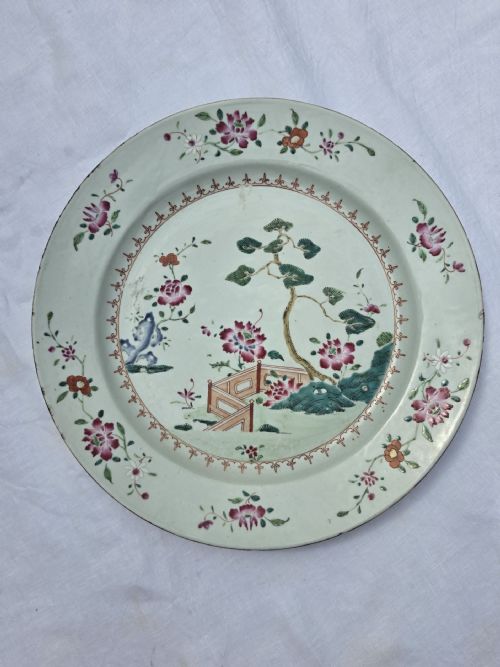
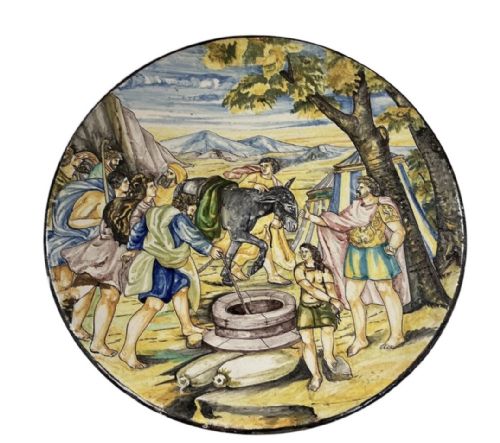
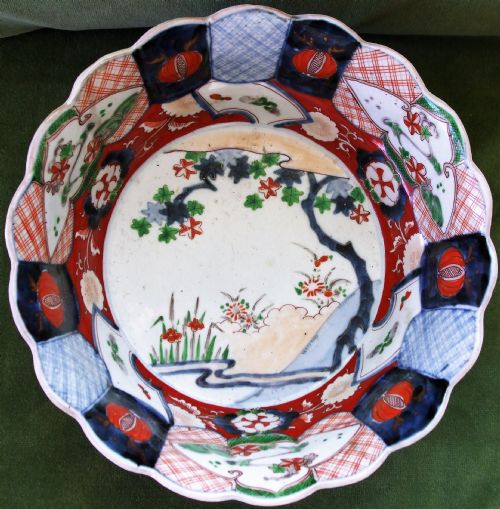
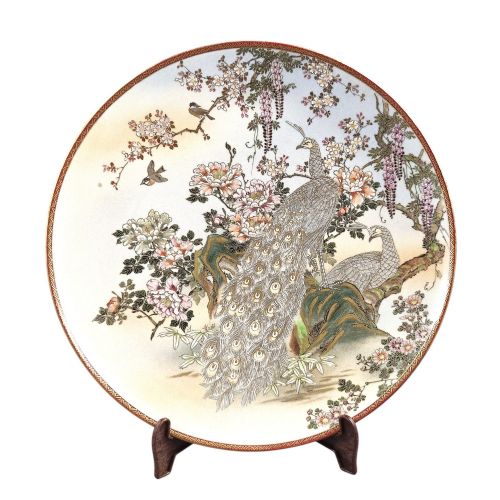
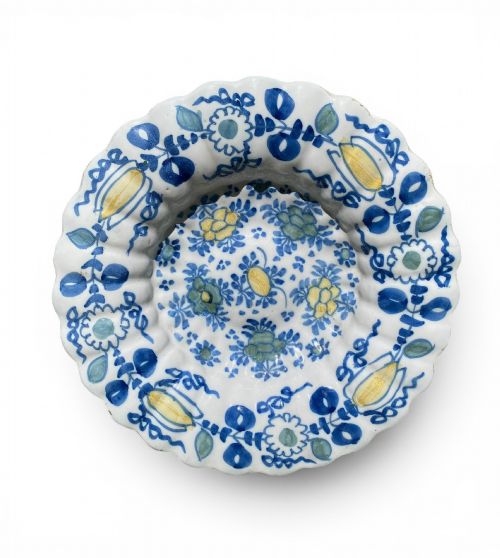
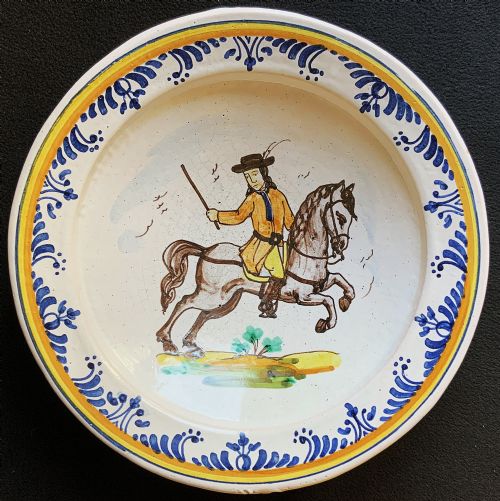
The versions most commonly met on this page span the seventeenth to the early twentieth century, taking in English, Dutch and Spanish tin-glazed earthenware alongside Japanese Imari porcelain and Chinese export wares. Makers employed vibrant multi-coloured palettes, ranging from the cobalt and iron-red of Japanese export pieces to the soft floral pigments of English Delftware.
Forms vary from broad circular chargers with deep wells to lobed dishes, octagonal plates and scalloped edges. Each piece reflects the aesthetic priorities of its origin, whether the geometric florals of seventeenth-century Dutch workshops or the intricate figural scenes of the Meiji period.
How they were made
Potters built these vessels using earthenware or porcelain bodies, often coating them in tin glaze or enamel to provide a smooth, opaque ground for painting. Artisans applied mineral pigments by hand, working pigments directly onto the raw glaze or over fired porcelain before a final kiln transformation set the colours.
Gold leaf and moriage detailing appear on select Japanese Satsuma and Kutani pieces, adding raised textures and metallic lustre to the painted surfaces. Ironstone and porcelain bodies demanded high-temperature firing, while earthenware chargers relied on tin-glaze techniques developed across European potteries.
Listings feature tin-glazed earthenware alongside porcelain, spanning centuries from seventeenth-century European Delft to late Meiji Japanese works.
What varies in quality
The distinction between ordinary production and superior craftsmanship rests upon the confidence of the brushwork and the complexity of the composition. Master painters executed flora, fauna and figures with fluid precision, whereas lesser examples show stiff outlines and repetitive, hurried execution.
Palette richness and glaze stability also separate tiers of quality, with finer pieces maintaining vibrant, well-fixed pigments and minimal kiln distortion across wide diameters. The clarity of detail in subsidiary borders and the sharpness of underglaze or overglaze painting reveal the hand of a more accomplished workshop.
Meizan·C.J. Mason
The Polychrome Ceramic Charger Dish Glossary
- Charger
- A large decorative plate, typically exceeding thirty centimetres in diameter, intended for display on a wall or sideboard rather than practical table service.
- Tin-Glazed Earthenware
- Pottery covered with an opaque white glaze containing tin oxide, providing an absorbent white ground for painted decoration.
- Imari
- A style of Japanese export porcelain characterised by a palette of underglaze blue, iron-red and gold, produced originally in Arita.
- Famille Rose
- A major palette of Chinese ceramic glazes introduced in the eighteenth century, distinguished by opaque pink or rose enamel derived from colloidal gold.
- Delftware
- Tin-glazed earthenware made in England, the Netherlands and elsewhere in Europe, frequently decorated with blue or polychrome botanical and figural motifs.
Polychrome Ceramic Charger Dish: Frequently Asked Questions
How were charger dishes used historically?
These large plates functioned primarily as display pieces on sideboards or dining tables, demonstrating the wealth and taste of the household through their painted decoration.
In some settings, they held fruit or sweetmeats during formal gatherings, though their size and decorative weight made wall hanging or cabinet display more common.
How do I distinguish English Delftware from Dutch Delft?
English tin-glazed pieces often display distinct potting characteristics, slightly heavier bodies and specific regional palettes associated with centres like Bristol and Lambeth.
Dutch counterparts from the seventeenth and eighteenth centuries frequently exhibit finer potting and specific geometric or floral borders native to workshops in Delft.
What is the difference between Imari and Kutani ware?
Imari pieces rely on a strong tripartite palette of cobalt blue, iron-red and gold, featuring dense floral and brocade patterns.
Kutani wares often utilise a broader, earthier spectrum of greens, purples and yellows alongside gold detailing, focusing heavily on pictorial scenes and natural subjects.
How should I hang or display a heavy ceramic charger?
Secure display requires a dedicated wall bracket or spring-loaded plate hanger designed to distribute the weight evenly across the rim and base.
For surface display, utilise a sturdy wooden or brass easel rated for large porcelain and earthenware bowls to prevent tipping.