



Antique Dutch Faience
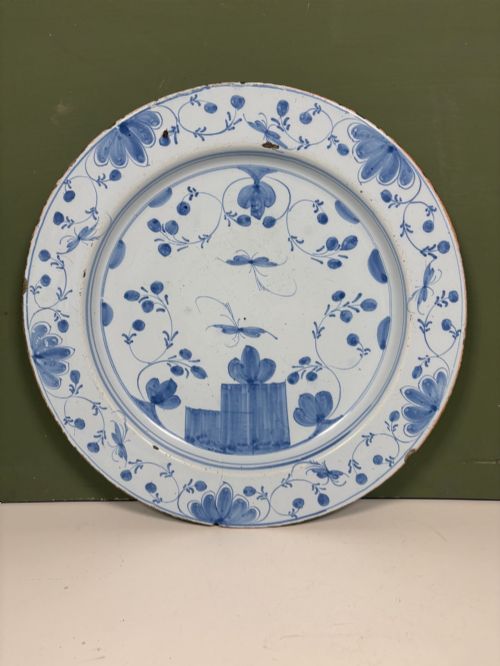
Antique dutch faience consists of tin-glazed earthenware vessels and plates from the seventeenth, eighteenth, and nineteenth centuries that bring vibrant hand-painted colour to a room.
Antique Dutch Faience
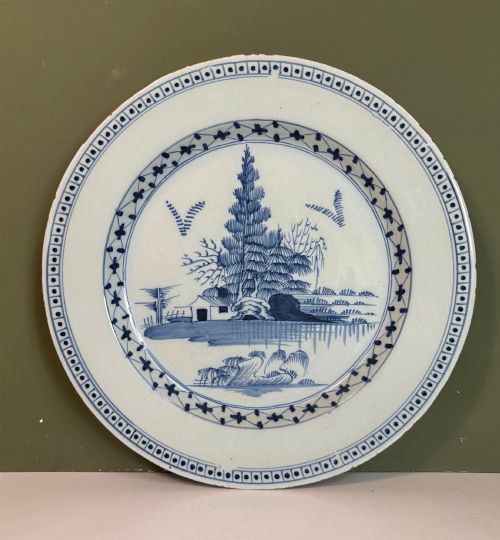
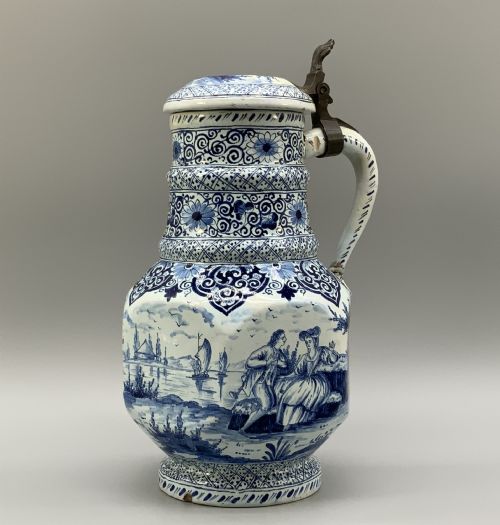
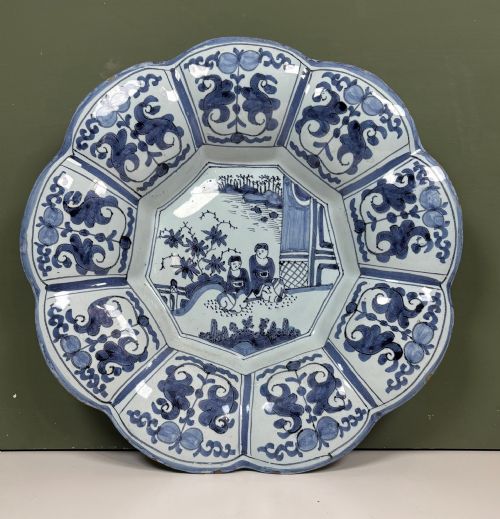
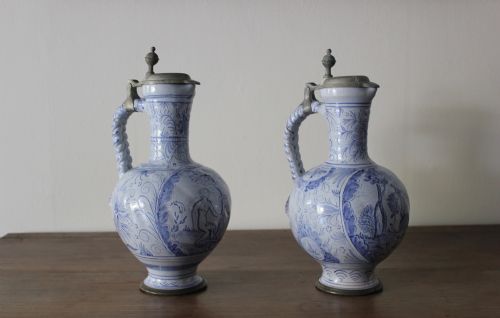
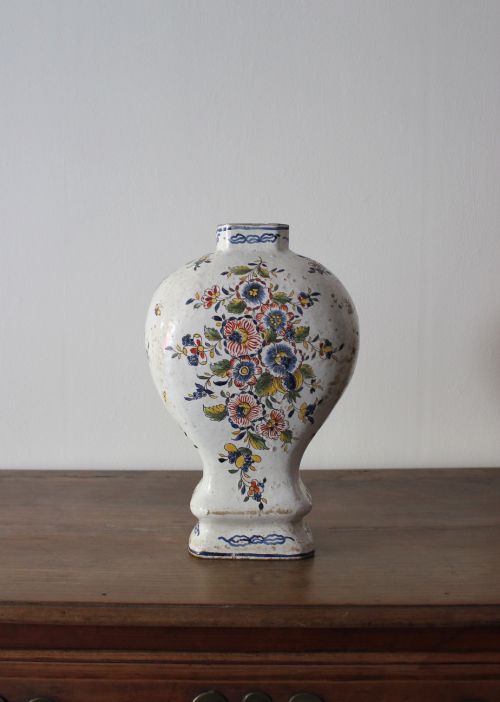
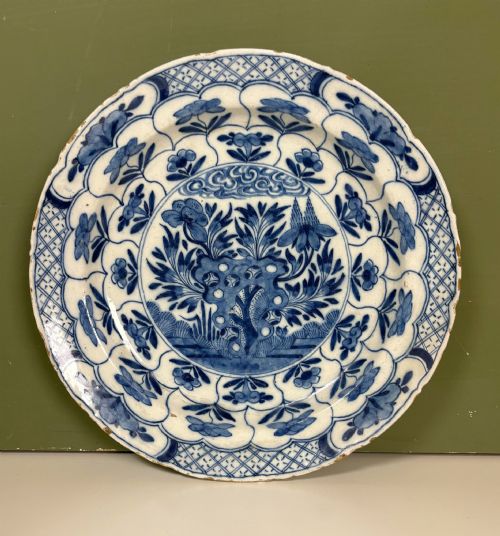
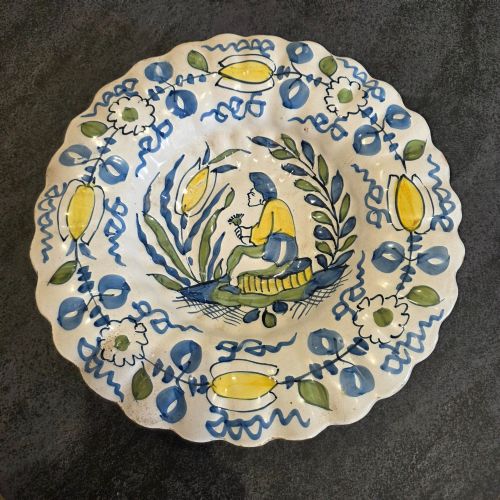
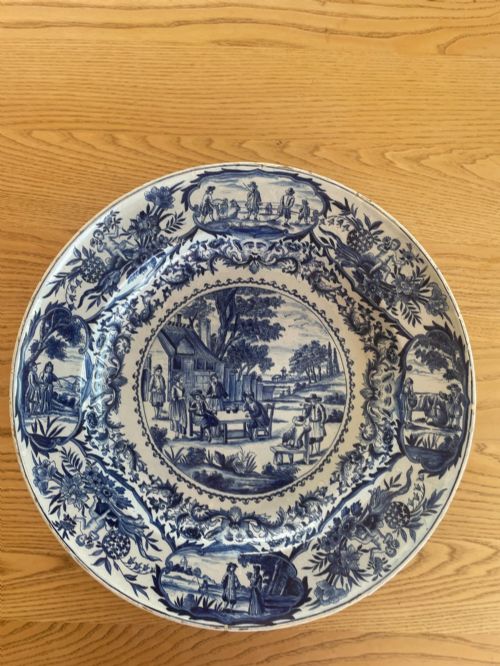
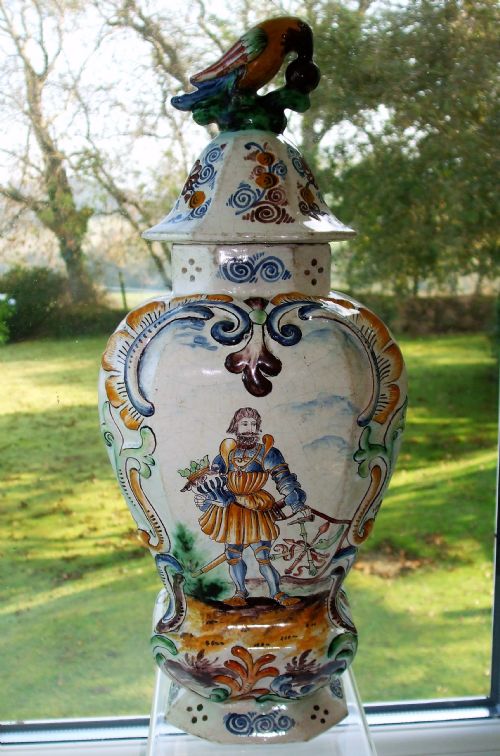
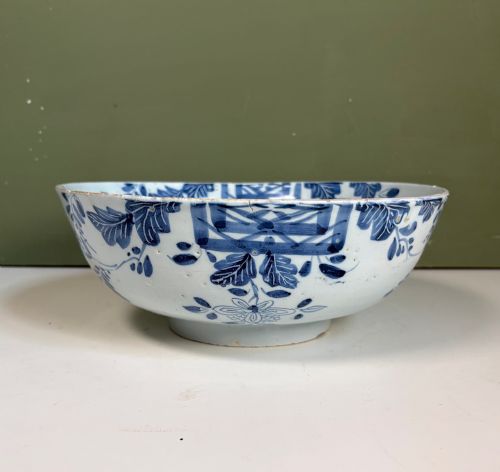
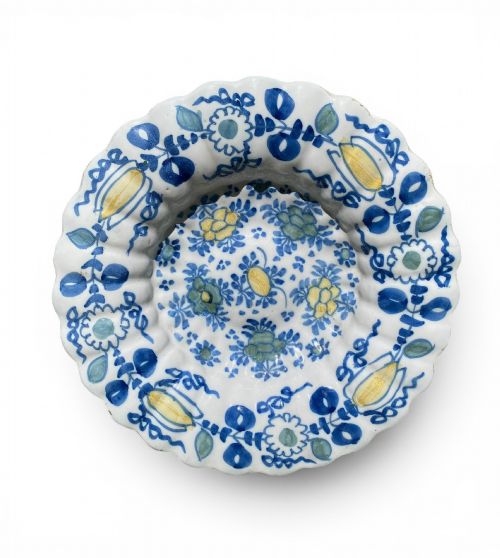
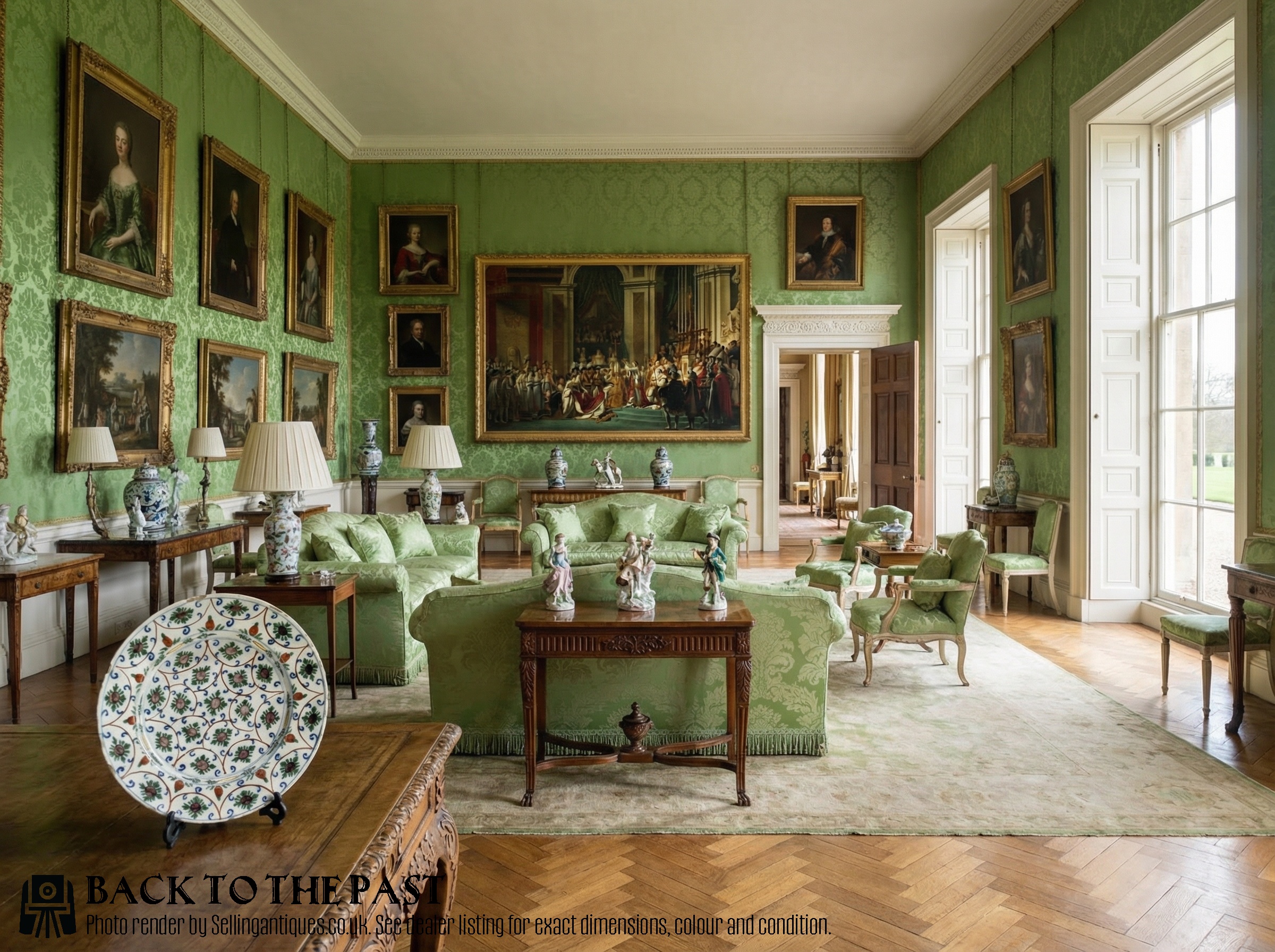
Antique dutch faience comprises tin-glazed earthenware objects created across the seventeenth, eighteenth, and nineteenth centuries in the Netherlands. Buyers encounter a diverse array of forms including charger plates, decorative dishes, vases, jars, and pitchers.
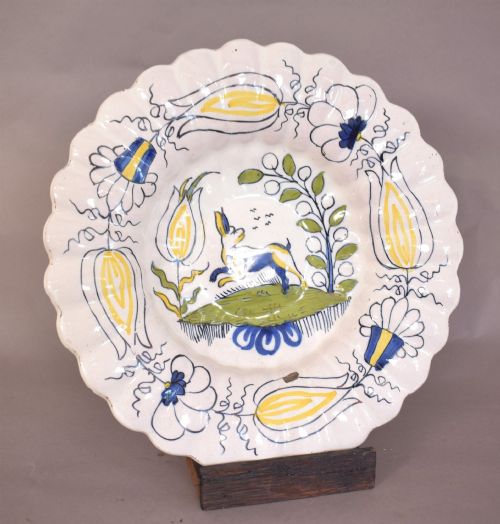
The domestic and decorative objects span simple blue and white colour schemes as well as richer polychrome palettes. Common functional items range from inkstands and sweetmeat presentiers to tobacco jars and Toby jugs.
Vessels from this tradition frequently display stylistic influences from Chinese porcelain alongside traditional European botanical and figural scenes. Pieces survive from the seventeenth century through to late nineteenth-century revivals.
How They Were Made
Potters shaped earthenware bodies and coated them in an opaque tin-lead glaze to create a smooth white surface suitable for painting. Artisans applied cobalt pigment and multi-coloured mineral paints directly onto the absorbent unfired glaze.
Firing in a kiln fused the metallic oxides into the white tin glaze, fixing the characteristic deep blue and polychrome designs. Pewter mounts were sometimes added by metalsmiths to complete pitchers and jugs.
Some seventeenth-century potters painted industrious little birds amongst floral branches, ensuring your ceramic shelf comes with permanent feathered company.
What Varies in Quality
Quality rests upon the crispness of the hand-painted brushwork and the complexity of the design, ranging from loose floral motifs to intricate Chinoiserie landscapes. Early seventeenth-century pieces often demonstrate exceptional fineness in line and pigment depth.
The smoothness of the tin glaze and the control shown during the high-temperature firing distinguish finer chargers and vases from standard domestic output. Intact rims and minimal glaze chipping preserve the visual integrity of these historic ceramic items.
Pieter Verburg
The Antique Dutch Faience Glossary
- Tin Glaze
- An opaque white ceramic glaze containing tin oxide that forms the canvas for painted decoration. It gives antique earthenware its characteristic pale surface.
- Charger
- A large decorative plate designed to be displayed upright on a wall or dresser rather than used for dining. These wide surfaces often showcase elaborate painted scenes.
- Polychrome
- A multi-coloured decorative scheme utilising various mineral pigments alongside standard blue. Painters employed greens, yellows, reds, and manganese to create vibrant pictorial compositions.
- Chinoiserie
- European artistic interpretations of Chinese and East Asian decorative motifs. Potters frequently adapted these exotic scenes onto seventeenth and eighteenth-century vases and plates.
Antique Dutch Faience: Frequently Asked Questions
How do I clean antique faience?
Dust surfaces gently with a soft dry cloth to prevent accumulation of dirt on the tin glaze. Avoid immersion in water or chemical cleaning agents which can penetrate old ceramic bodies.
Display items away from direct sunlight and moisture to protect the fragile mineral pigments from fading or deterioration over time.
Were these pieces used daily?
Many chargers, plates, and jugs served functional roles in seventeenth and eighteenth-century homes for serving food and drink. Others were strictly decorative items displayed on walls and mantelpieces to signal household status.
Specialist forms like inkstands and patch boxes fulfilled specific desk and dressing table duties for affluent owners.
How are different centuries told apart?
Seventeenth-century pieces often feature thin potting and refined Chinoiserie detailing influenced by imported porcelain. Eighteenth-century examples expand into rich polychrome palettes and geometric floral borders on chargers and plates.
Late nineteenth-century items typically show heavier earthenware bodies and revival styles alongside pseudo factory marks.
What is a Toby jug?
A Toby jug is a seated ceramic figure depicted as a robust character holding a mug of beer or a pipe. These humorous figural vessels were produced in polychrome tin-glazed earthenware during the eighteenth and nineteenth centuries.
Pots of this form combine sculptural modelling with traditional hand-painted glaze techniques.