

Antique Tin Glaze Plate
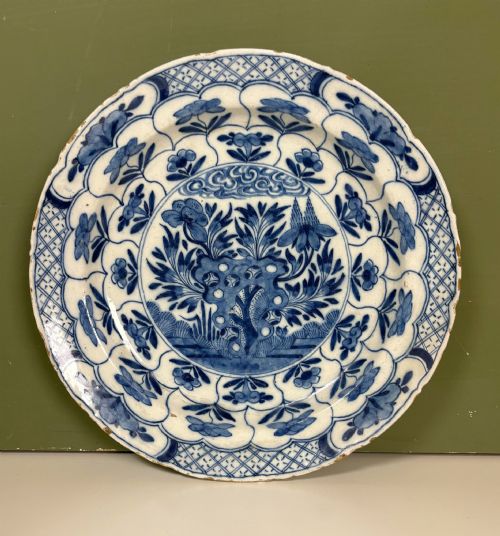
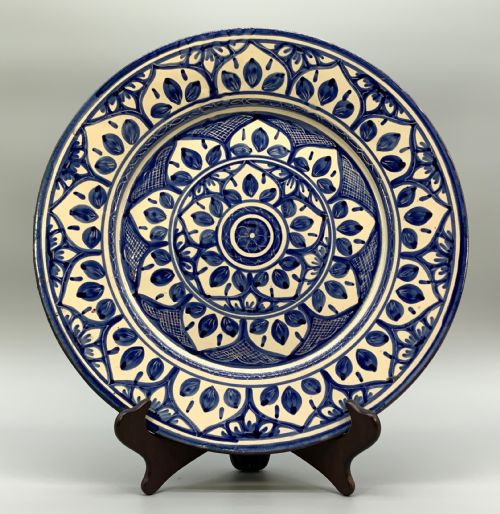
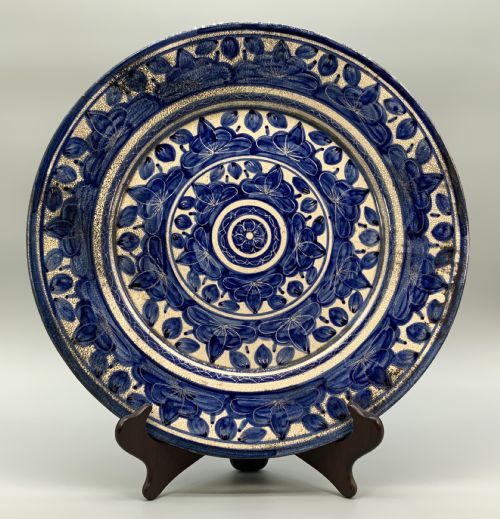
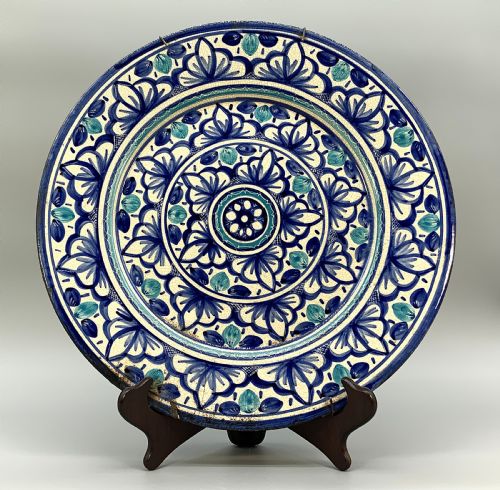
An antique tin glaze plate brings centuries of European earthenware craft and cobalt painting into a modern interior.
Antique Tin Glaze Plate
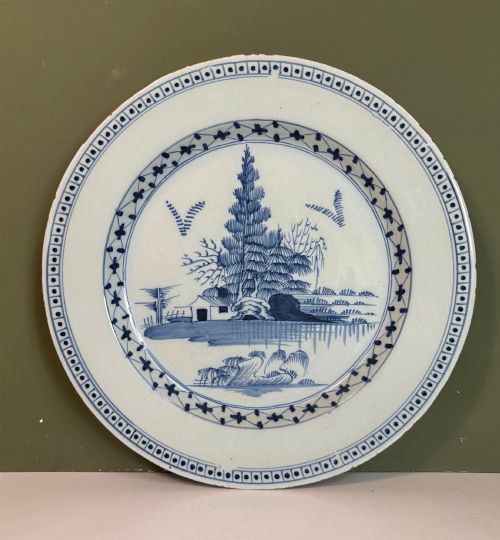
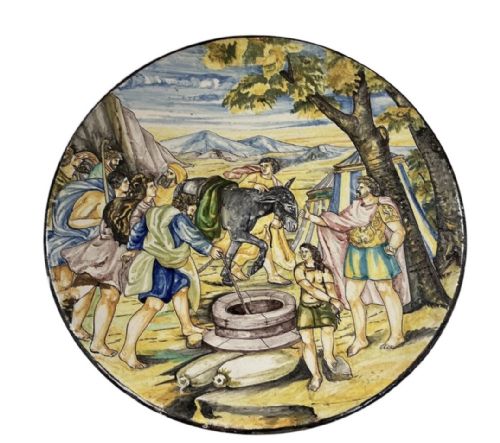
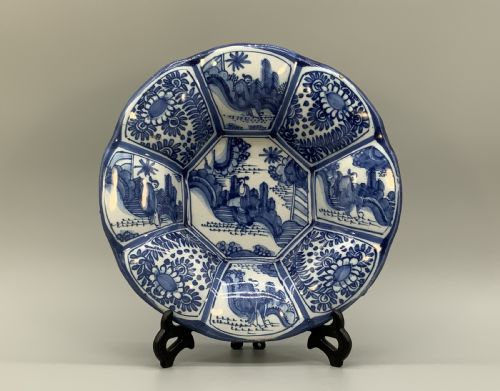
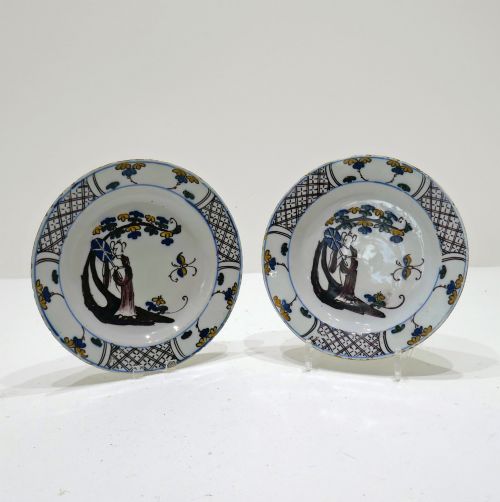
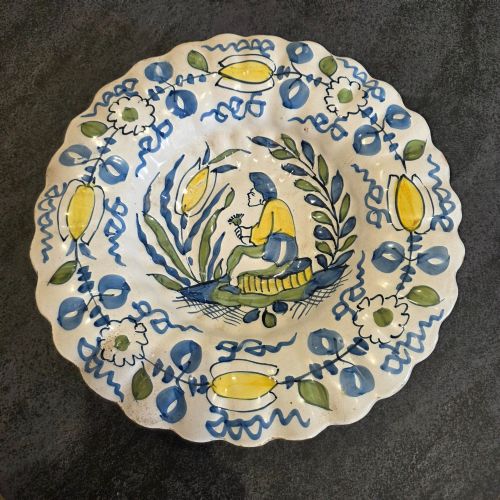
An antique tin glaze plate encompasses historic earthenware dishes, shallow bowls, and large decorative chargers originating across Europe. The selection spans the seventeenth, eighteenth, and nineteenth centuries, with occasional twentieth-century continental pieces.
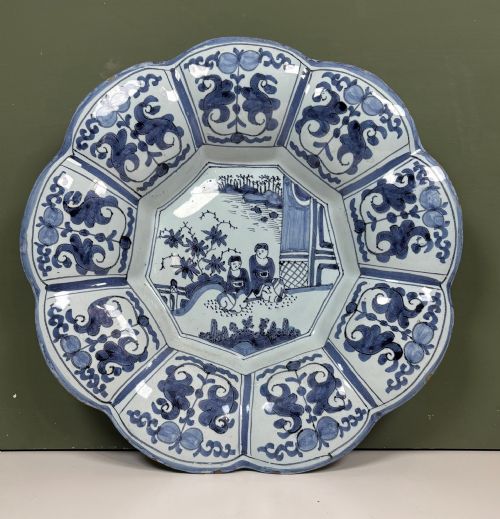
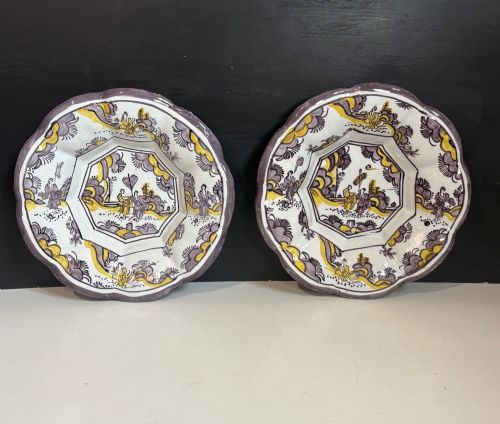
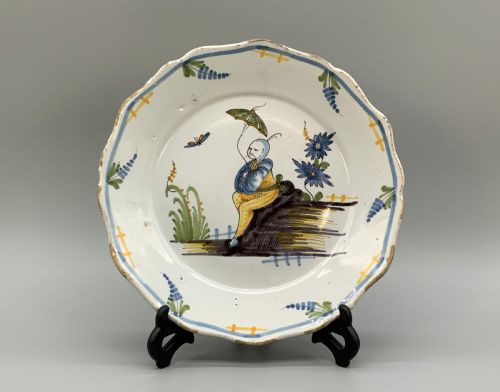
Buyers encounter substantial chargers alongside smaller dinner plates and lobed dishes. These forms represent traditions from English, Dutch, French, Spanish, and Italian potteries.
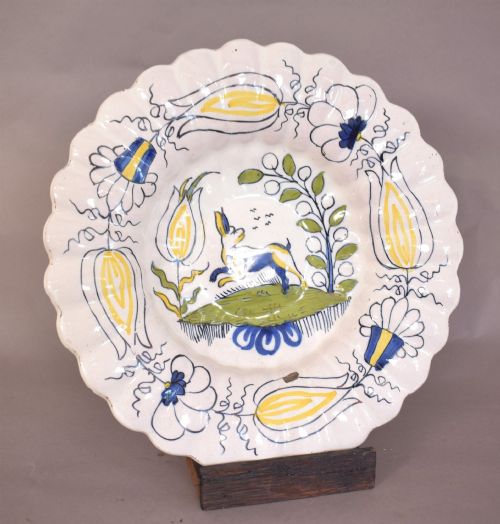
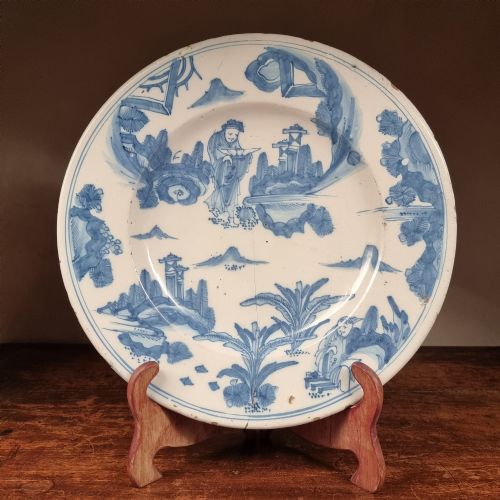
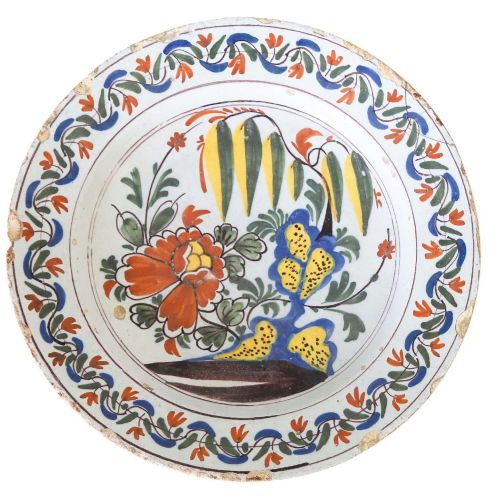
The aesthetic ranges from blue and white maritime scenes to vibrant polychrome florals and classical narratives. Pieces frequently display specific regional styles such as Dutch Delftware, French faience, and Italian maiolica.
How They Were Made
Potters formed these items from earthenware clay before coating the vessel in an opaque white tin glaze that provided a smooth canvas for subsequent brushwork. Artisans then applied mineral pigments directly onto the porous unfired or biscuit-fired glaze.
Cobalt oxide delivered deep blue tones, while manganese, yellow, and other mineral colours created polychrome motifs. High-temperature firing set the metallic oxides into the glaze, producing the characteristic glossy surface and distinct palette.
Listings feature earthenware materials alongside cobalt pigment and tin glaze across seventeenth, eighteenth, and nineteenth-century periods.
What Varies in Quality
Quality rests upon the crispness of the hand-painted decoration and the ambition of the composition. Master painters executed intricate Chinoiserie figures, geometric borders, and historic scenes with fluid brushstrokes and precise control.
The stability and purity of the white tin glaze dictate visual success, alongside the depth of cobalt pigment and the richness of polychrome enamels. Early examples with complex firing results or sophisticated istoriato painting command attention for their artistic execution.
Quimper French Faience·Desvres French Faience
The Antique Tin Glaze Plate Glossary
- Tin-glazed earthenware
- Pottery coated with a lead glaze made opaque by the addition of tin oxide. This white surface serves as the ground for painted decoration.
- Charger
- A large ornamental plate or platter designed primarily for display on a sideboard or wall rather than for table service.
- Polychrome
- Decoration employing multiple colours rather than a single pigment. On these ceramics, painters utilised combinations of blue, yellow, manganese, and orange.
- Chinoiserie
- European interpretations of Chinese artistic motifs and styles. Potters adapted these fanciful oriental scenes onto plates and dishes during the seventeenth and eighteenth centuries.
- Faience
- European tin-glazed earthenware produced chiefly in France, Germany, and Spain. The term encompasses a broad range of decorative tableware and chargers.
Antique Tin Glaze Plate: Frequently Asked Questions
How do I clean an antique plate?
Dust these historic ceramics gently with a dry, soft cloth. Avoid submerging them in water, as moisture can infiltrate old earthenware through microscopic cracks in the glaze.
Keep pieces away from direct sunlight and damp environments to protect the porous ceramic body and historic pigments from further degradation.
Can I use these plates for food?
Historic tin glaze plates are unsuited for modern dining or microwave use. The soft earthenware bodies and historic glazes are fragile and easily damaged by utensils or acids.
Display them securely on plate stands or hang them safely on walls to preserve their painted surfaces.
What is the difference between Delft and faience?
Delft specifically refers to tin-glazed earthenware produced in Dutch potteries, notably the city of Delft, famous for its blue and white wares. Faience is the broader continental term used for similar tin-glazed pottery made in France, Spain, and other regions.
Both categories utilise identical glazing techniques but display distinct regional decoration styles and colour palettes.
How do I date an antique charger?
Dating relies on stylistic clues, including the composition of the painted scene, the shade of the blue pigment, and the thickness of the earthenware body. Seventeenth-century examples often display heavy construction and Kraak influences, while eighteenth-century pieces favour refined polychrome florals or lighter Chinoiserie motifs.
Comparing the tin glaze opacity and foot rim construction with documented examples helps narrow the production period.