


Polychrome Bronze Figure
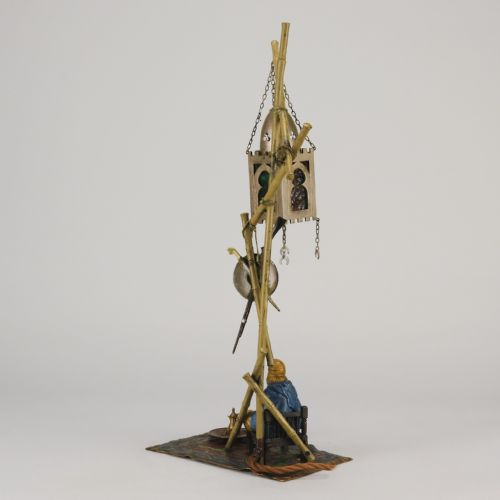
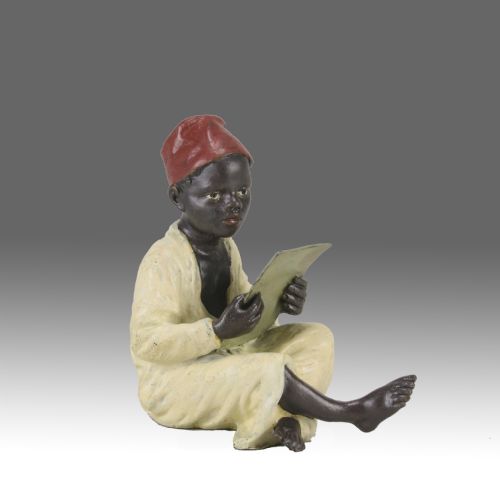
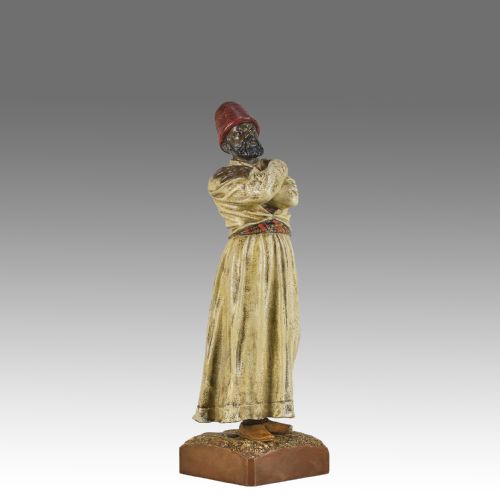
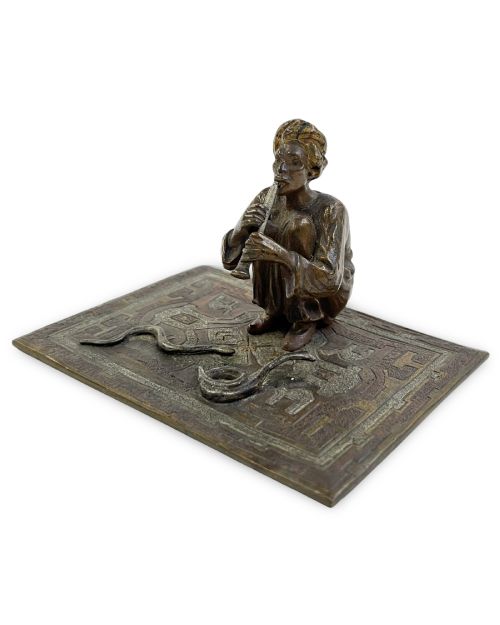
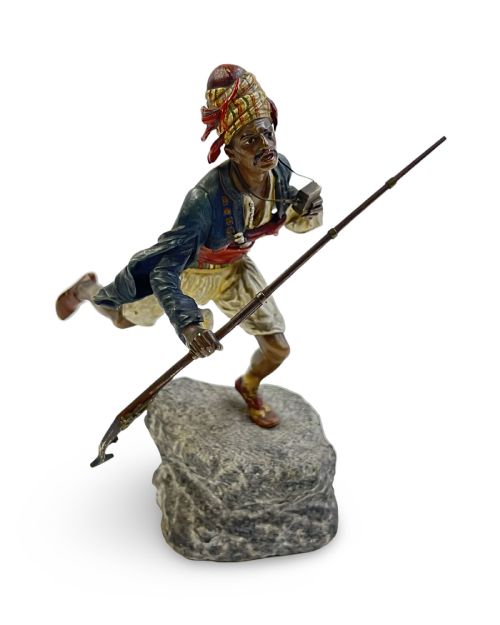
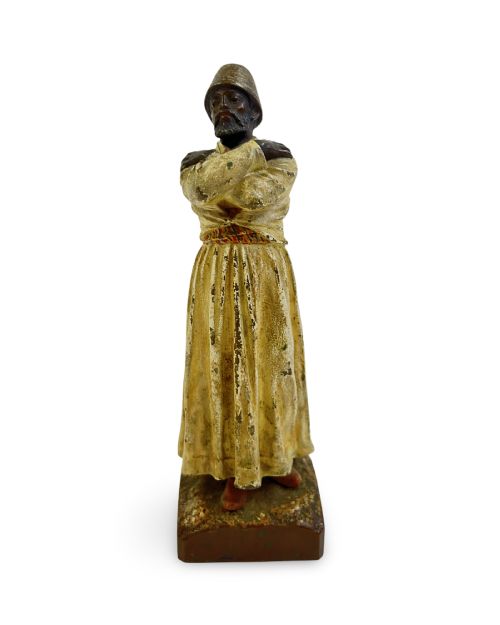
A polychrome bronze figure brings colourful detail and character to a room through meticulous cold-painted surfaces applied to cast metal.
Polychrome Bronze Figure
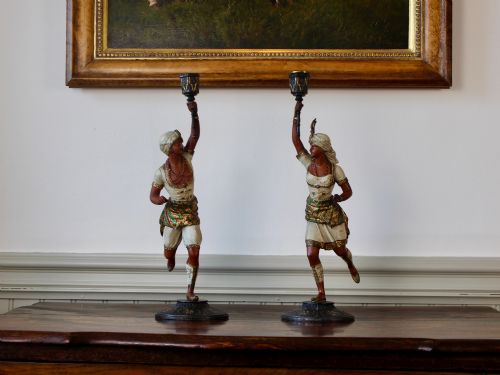
A polychrome bronze figure encompasses small sculptures, table lamps, candlesticks, and decorative objects cast primarily during the late nineteenth and early twentieth centuries. These works frequently depict figures, animals, and narrative scenes rooted in Orientalist themes and European stylistic revivals.
The most common examples encountered in this selection are cold-painted bronzes originating from Austrian foundries, notably featuring Middle Eastern figures, birds, and genre subjects. These pieces combine cast metal forms with applied surface pigments to create vibrant depictions of human and animal subjects.
How they were made
Foundries cast these objects using bronze or spelter, employing traditional metal-foundry techniques to achieve detailed sculptural forms. Metal alloys were poured into moulds, finished by hand, and prepared to receive surface decoration.
Workers applied polychrome paint or cold paint directly onto the unheated metal surface, allowing intricate patterns on garments, feathers, and furnishings to emerge. This cold-painting technique required steady brushwork and distinct layers of pigment rather than kiln firing.
Polychrome Bronze Figure Retail Price Guide 2026
Typical asking prices for polychrome bronze figure among the pieces listed under this phrase on Sellingantiques today, from the lower quarter to the upper quarter. They describe what is for sale here now, not the wider market.
A monkey races a greyhound across a Vienna bronze dish, capturing an eccentric moment in cast metal.
What varies in quality
The preservation and execution of the cold-painted surface determine the visual impact of the work. Skilled application creates depth in multi-coloured robes and naturalistic bird feathers, whereas lesser examples show flat or heavily retouched paint layers.
Franz Bergman·Franz Xaver Bergman·Arthur Waagen·Louis Hottoot·Goldscheider
The Polychrome Bronze Figure Glossary
- Cold-painted bronze
- Metal sculpture decorated with non-fired paint applied after casting. This technique was widely utilised by Viennese foundries around nineteen hundred.
- Vienna bronze
- Small-scale cast metal sculpture produced in Austrian workshops. These pieces often depict animals or Orientalist human figures with detailed polychrome surfaces.
- Spelter
- A zinc-based alloy used as an economical alternative to bronze. It was commonly cast into figural candlesticks and decorative objects during the nineteenth and twentieth centuries.
- Orientalism
- An artistic style inspired by Middle Eastern and North African cultures. It influenced numerous European sculptors and foundries working in the nineteenth century.
- Polychrome
- Decorated in multiple colours. This term describes surfaces finished with various paints, enamels, or patinas to enhance realism.
Polychrome Bronze Figure: Frequently Asked Questions
What is a cold-painted bronze?
A cold-painted bronze is a metal sculpture finished with paint applied to the cold surface rather than fired in a kiln. This method allows for bright, multi-coloured details on small figures and animals.
The technique gained popularity in nineteenth-century workshops, particularly in Vienna, where artisans decorated cast bronze subjects with realistic or imaginative pigments.
How do I clean a polychrome bronze figure?
Dust these pieces gently with a dry, soft brush to protect the delicate paint layers. Avoid water, solvents, and commercial metal polishes entirely.
Moisture and harsh cleaners strip away cold-painted pigments and damage the underlying metal surface permanently.
Are these pieces made of solid bronze?
Many works are cast in bronze, while others utilise spelter, a zinc-based alloy used as a cost-effective alternative. Both materials accept cold-painted finishes.
Examining the underside or weight of the object often helps distinguish between bronze and spelter bases.
What periods do these figures come from?
The pieces available originate predominantly from the nineteenth and early twentieth centuries, spanning the Victorian era through the nineteen-twenties. This period saw peak production for Vienna bronzes and Orientalist sculptures.
Stylistic cues and foundry marks help narrow down the specific decade of manufacture.