
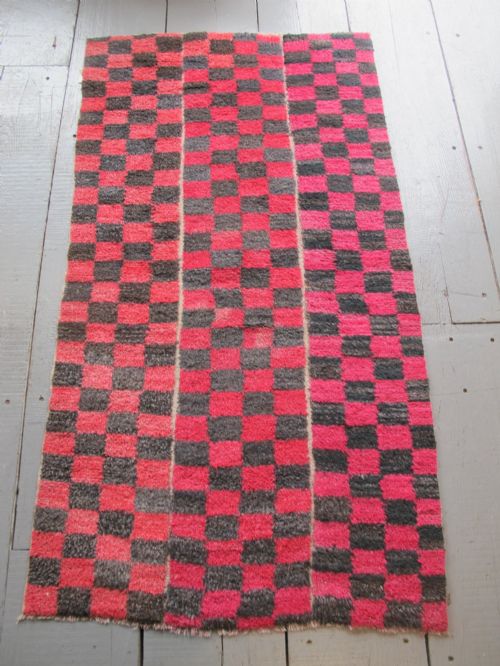


Pink Wool Tribal Rug
These pink wool tribal rug examples bring distinctive village and nomadic geometry into a room, valued for their rich texture and historic dyes.
Pink Wool Tribal Rug
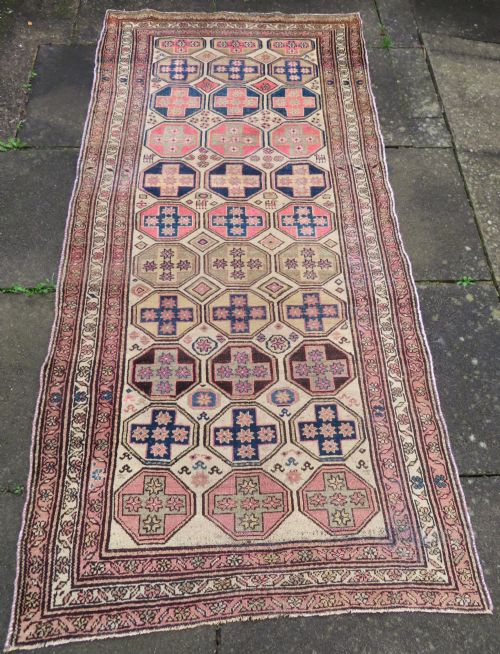
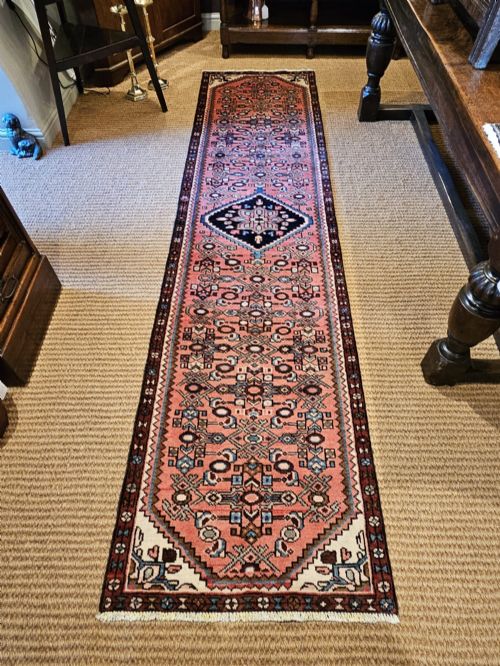
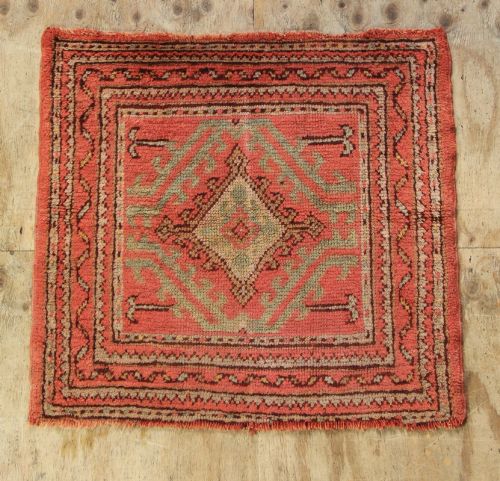
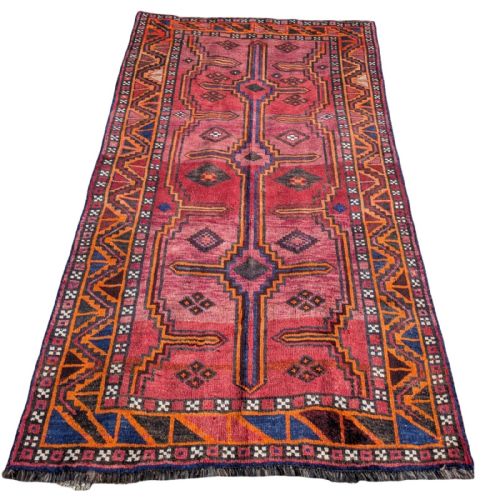
When searching for a pink wool tribal rug, you encounter village and nomadic weaving traditions spanning the nineteenth and early twentieth centuries. These pieces encompass regional formats such as runner rugs, flatweave rugs, mats, and larger area rugs created by specific tribal groups.
The selection ranges from Persian tribal and Kurdish pieces to Anatolian, Tibetan, and Caucasian works. Village weavers utilised local iconography and traditional wool foundations to produce these practical floor coverings and textiles.
Nomadic workshops produced specialised items like bread sofreh and meditation rugs alongside standard formats. Each piece reflects the specific regional heritage and weaving techniques of its maker.
How they were made
Weavers constructed these pieces using wool and Tibetan wool foundations combined with cotton elements. Hand weaving techniques governed the production of both piled carpets and flatweave structures.
Makers applied natural dyes to colour the wool, yielding the characteristic soft faded patina seen across surviving examples. These organic colouring methods interact with the fleece to age with considerable depth.
Listings feature pieces spanning from the nineteenth century through the 1930s, utilising wool, cotton, Tibetan wool, and natural dyes.
What varies in quality
The calibre of a weaving depends on the density of the knotting and the precision of the tribal geometry. Tighter structures and more resolved medallion designs distinguish finer workshop output from simpler village pieces.
The integrity of the natural dye palette dictates visual success, where subtle variations in tone create depth across the field. Superior examples maintain balanced proportions and well-preserved structural edges.
The Pink Wool Tribal Rug Glossary
- Sofreh
- A flatweave textile used by nomadic tribes for wrapping bread or processing flour. These utility pieces often feature striking tribal iconography.
- Flatweave
- A rug constructed without pile by interlacing warp and weft threads together. This technique produces a thin, durable textile.
- Medallion
- A central ornamental design motif placed in the field of a rug. It forms the focal point of the composition.
- Patina
- The surface sheen and softening of colour developed by wool and natural dyes through age and use. This quality indicates organic ageing.
- Runner
- A long, narrow carpet format designed for hallways and corridors. These pieces accommodate restricted spatial dimensions.
Pink Wool Tribal Rug: Frequently Asked Questions
How do I clean a tribal rug?
Gentle surface vacuuming without a beater bar removes loose dirt from the wool pile safely.
Professional specialist cleaning remains necessary for deeper maintenance to protect natural dyes.
Where were these rugs made?
Weavers produced these textiles across Persia, Anatolia, the Caucasus, Tibet, and North Africa.
Nomadic tribes and village communities fashioned them for domestic use and local trade.
Are these rugs suitable for hallways?
Narrow runner formats and corridor rugs fit well in high-traffic transitional spaces.
Underlay placement helps stabilise the flatweave or piled structure on wooden floors.
How do I identify village rugs?
Asymmetrical motifs and spontaneous geometric designs typically signal village or nomadic origin.
Local materials and regional colour palettes provide further clues to provenance.