


Hand Knotted Luri Carpet
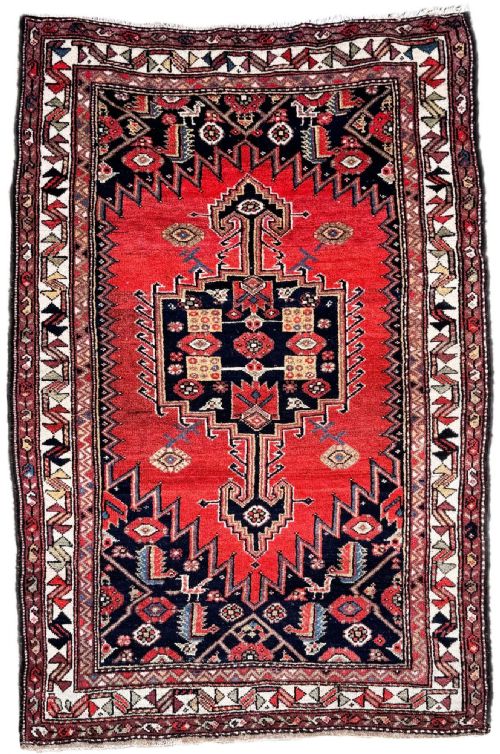
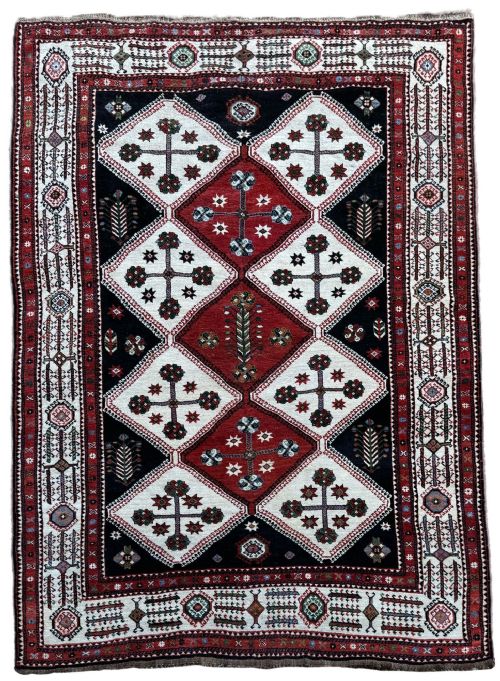
A hand knotted luri carpet brings the bold geometric motifs and rich natural dyes of Western Persia straight to your floor.
Hand Knotted Luri Carpet
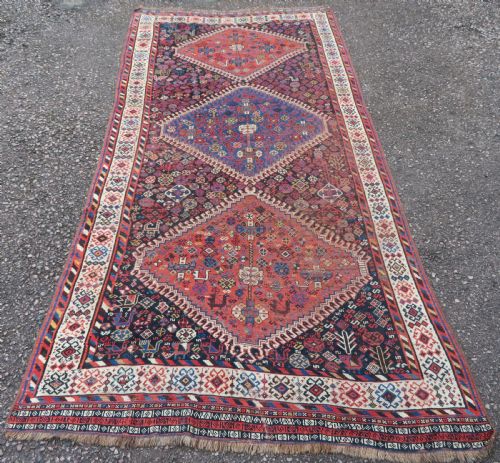
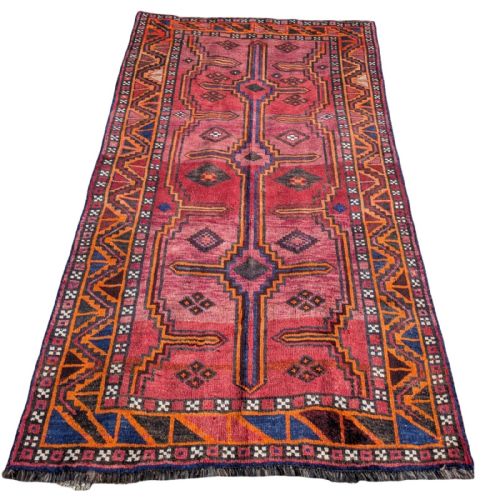
A hand knotted luri carpet is a tribal textile woven by the nomadic and village weavers of Luristan in Western Persia. These pieces range from substantial carpets and kelleh formats to smaller utility items such as saddle bags and narrow runners.
The versions you are most likely to meet on this page date from the nineteenth century up through the early decades of the twentieth century. They often share aesthetic ground and tribal interest with neighbouring Qashqai and Khamseh weavings.
Makers focused on traditional formats, producing everything from square area rugs featuring tree of life designs to long, narrow runners. Each piece reflects the nomadic lifestyle and indigenous iconography of the Luri tribe.
What varies in quality
Quality in a hand knotted luri carpet rests in the tightness of the knotting and the handling of the wool. Finer examples display a crispness in their geometric or pictorial motifs, such as birds and flowers.
The handling of natural dyes also dictates the visual depth of the piece. Superior examples possess rich, variegated coloration where the tones shift subtly across the surface.
Listings feature pieces utilising hand-spun wool and natural dyes across periods spanning the nineteenth and early twentieth centuries.
The Hand Knotted Luri Carpet Glossary
- Kelleh
- A medium-to-large rectangular carpet format, typically longer than it is wide. This format served specific domestic purposes in Persian homes.
- Natural Dyes
- Colourants derived from plants, insects, and minerals rather than synthetic compounds. These materials yield rich, complex tones that age gracefully.
- Saddle Bag
- A utilitarian woven container used by nomadic tribes for transport on animals. Collectors frequently encounter surviving faces or halves of these bags as small decorative rugs.
- Tree Of Life
- A symbolic motif depicting a branching plant rising from a pot or earth. It represents eternal life and spiritual growth in tribal weaving.
- Pile
- The vertical or diagonal loops of yarn that form the soft surface of a carpet. In these pieces, the pile is hand-knotted onto a foundation.
Hand Knotted Luri Carpet: Frequently Asked Questions
What is a luri carpet?
A hand knotted luri carpet is a tribal textile originating from the Luristan region of Western Persia. These pieces are woven by nomadic and village makers using traditional techniques.
They often feature rustic qualities, natural dyes, and distinctive geometric or pictorial motifs such as birds, flowers, and trees of life.
How do I style a tribal rug?
These carpets work well as grounding elements in traditional or eclectic interiors. Their durable wool construction makes them suitable for areas with moderate foot traffic.
Placing them on wooden floors highlights their natural dyes and textured weave. Smaller formats like runners and saddle bag faces suit hallways or compact spaces.
How old are these carpets?
The pieces available range from the nineteenth century through the early decades of the twentieth century. Dating relies on stylistic evidence, material analysis, and construction methods.
Earlier examples often show distinct hand-spun wool characteristics and specific regional palettes associated with Western Persian tribes.
Are these rugs rare?
Tribal textiles from this region were produced in limited numbers for practical use rather than mass export. Surviving examples from the nineteenth and early twentieth centuries represent specific weaving traditions.
Format variations, such as narrow runners and complete saddle bag pieces, add to the distinct character of the available selection.