
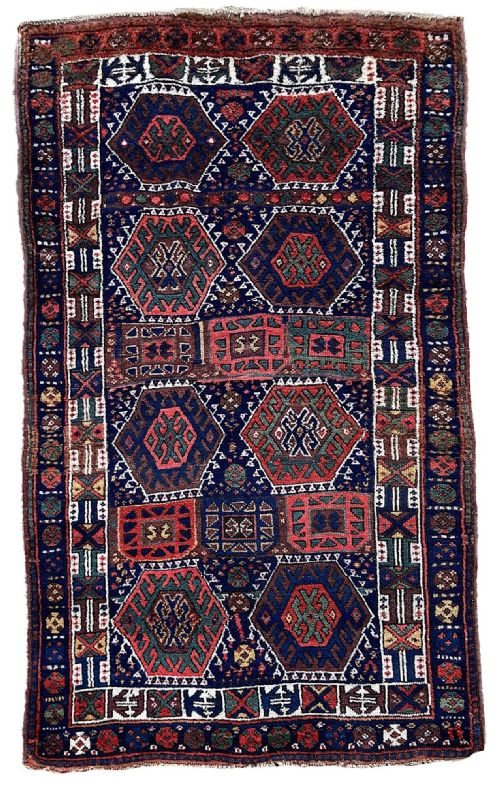


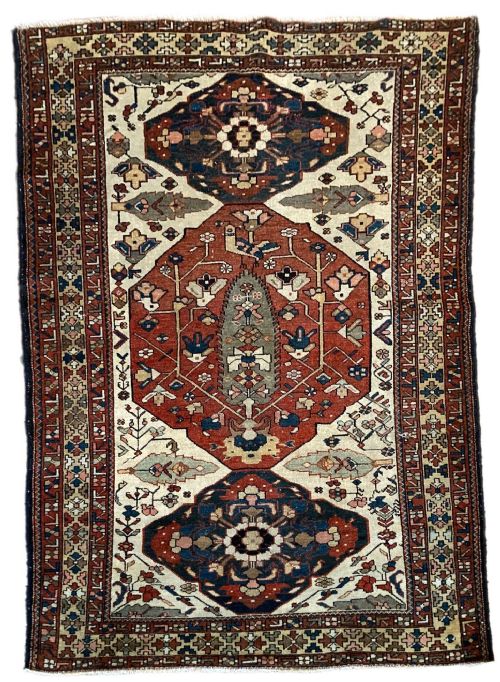
Nomadic Persian Runner
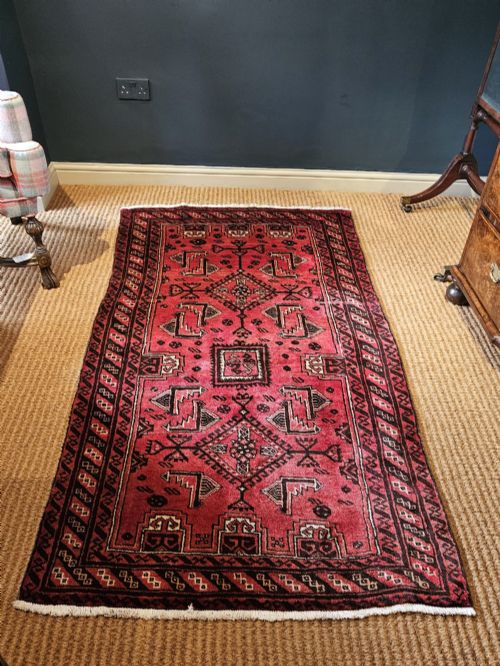
A nomadic persian runner brings the storied tribal artistry of Persia into a modern hallway with rich wool pile and geometric motifs.
Nomadic Persian Runner
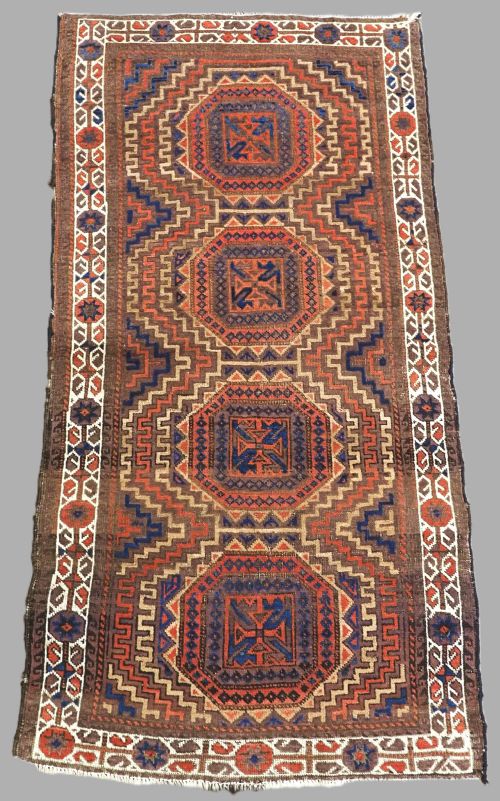
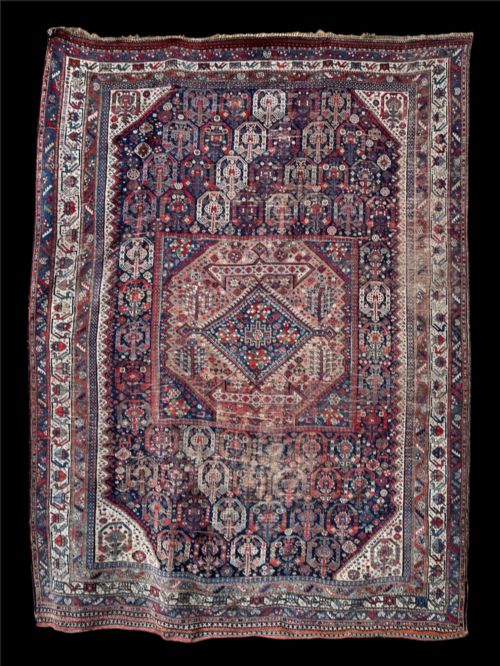
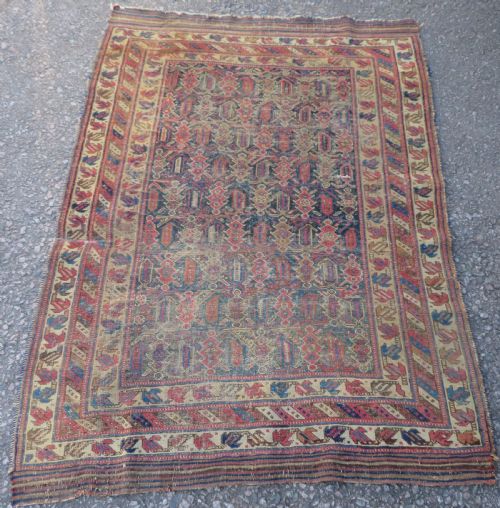
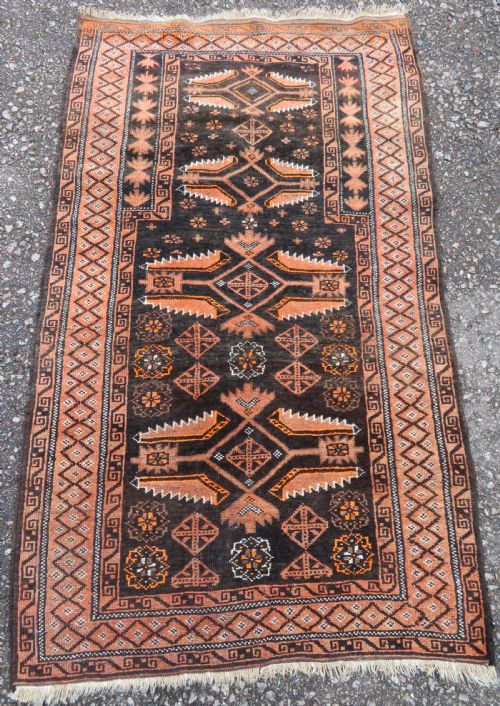
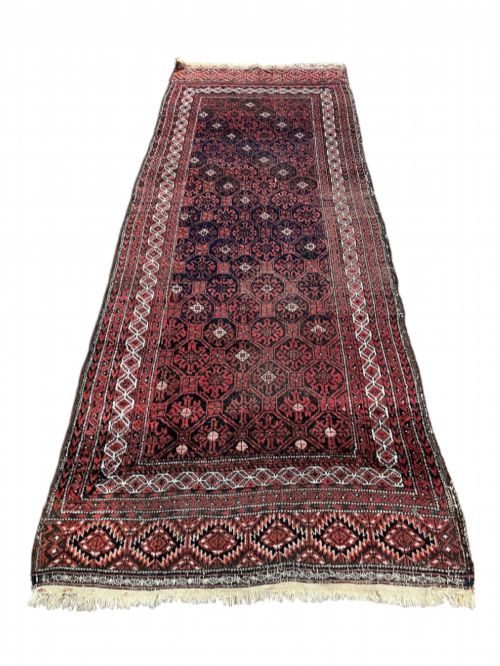
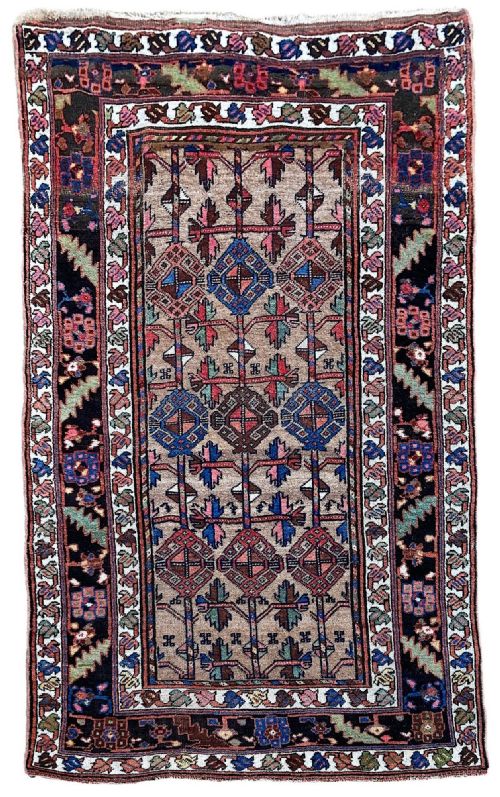
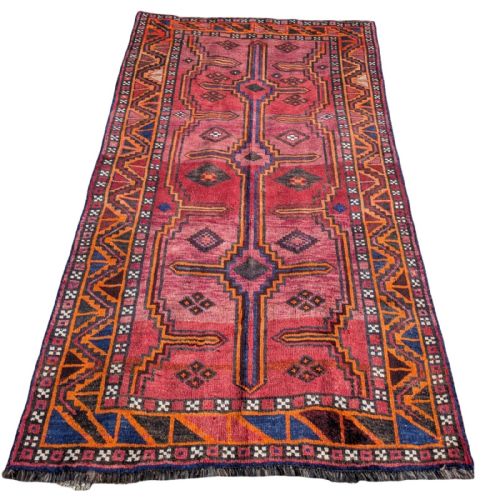
When you search for a nomadic persian runner, you are looking at narrow, elongated carpets woven by tribal confederacies and village weavers across Persia. These pieces span periods from the nineteenth century into the early decades of the twentieth century, reflecting regional weaving traditions passed down through generations.
The selections encountered here include specific tribal works attributed to groups such as the Baluch, Kurdish, Khamseh, Afshar, and Qashqai. Forms range from traditional long runners to specialised floor coverings, kelims, and flatwoven sofreh.
Tribal makers produced these textiles for domestic use or local transport, resulting in formats naturally suited to corridors and narrow spaces. Their patterns draw upon indigenous motifs, large guls, and distinctive field arrangements rooted in specific geographic provinces.
Materials and construction
Weavers relied on locally sourced materials, predominantly utilising hand-spun wool for the pile alongside cotton foundations. Certain pieces incorporate resilient goat hair or camel hair in the outer structures to add durability and varied texture.
The vibrant colouring stems from traditional natural dyes applied to the fleece before hand-knotting or flatweaving. These organic colourants yield subtle tonal variations across the field as the wool absorbs the dye unevenly.
Some weavers included accidental asymmetric tribal symbols in the border to ward off the evil eye.
Assessing the weaving
Quality in these textiles rests upon the density of the knotting and the integrity of the wool foundation. Finer piles maintain crispness in the geometric guls and tribal symbols, while looser structures display a more relaxed, rustic charm.
The handling of natural dyes dictates the visual depth of the runner. Superior examples exhibit harmonious patination and nuanced colour shifts that enhance the tribal patterns over decades of use.
The Nomadic Persian Runner Glossary
- Gul
- A repeating medallion or octagonal motif frequently found in tribal weaving. These symbols often identify specific tribal groups.
- Sofreh
- A flatwoven spread or cloth utilised traditionally for dining or preparing bread within nomadic households. They double as striking decorative textiles.
- Kelim
- A flatwoven rug produced without a raised pile. These lightweight pieces showcase sharp geometric designs through interlocking weft techniques.
- Gabbeh
- A thick, coarsely knotted tribal rug featuring minimalist designs and large fields of solid colour. They represent an unpretentious expression of nomadic life.
- Kelleh
- A large format rectangular carpet, typically longer than it is wide. This traditional proportion serves narrow spaces and grand hallways alike.
Nomadic Persian Runner: Frequently Asked Questions
How do I clean an antique runner?
Gentle surface brushing and professional specialist washing preserve the delicate natural wool fibres.
Avoid immersion in water or harsh chemical detergents that strip the organic dyes from the pile.
Where were these tribal rugs woven?
Nomadic groups produced these textiles across various regions of Persia, including Khorasan, Fars, and western provinces.
Weavers travelled seasonally, incorporating local flora and fauna into their geometric designs.
What is the difference between a kelim and a pile rug?
Kelims are flatwoven without any raised pile, resulting in a lighter and thinner textile.
Pile rugs utilise knotted wool yarn fixed to a cotton or wool foundation to create a soft, textured surface.
Can I place these runners in high traffic areas?
The robust construction of hand-spun wool and sturdy foundations allows these runners to handle moderate hallway traffic.
Using an appropriate underlay prevents slipping and cushions the natural fibres against premature wear.