
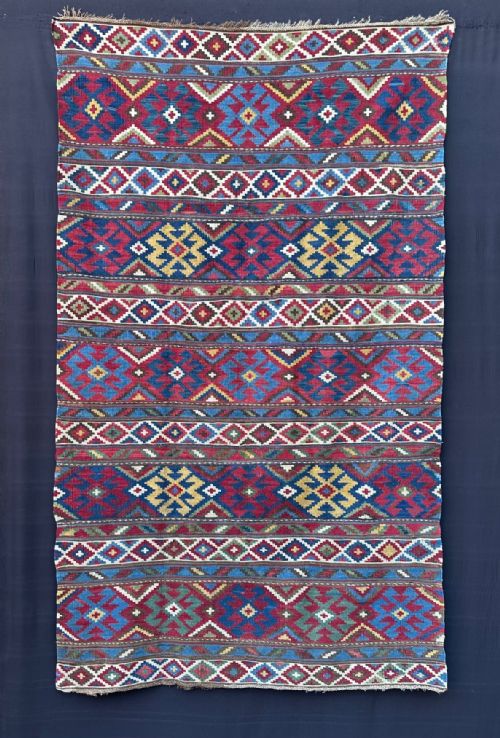
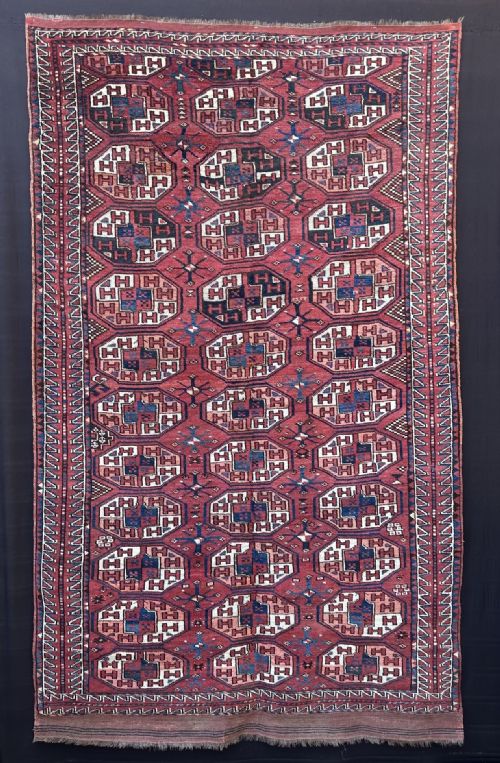


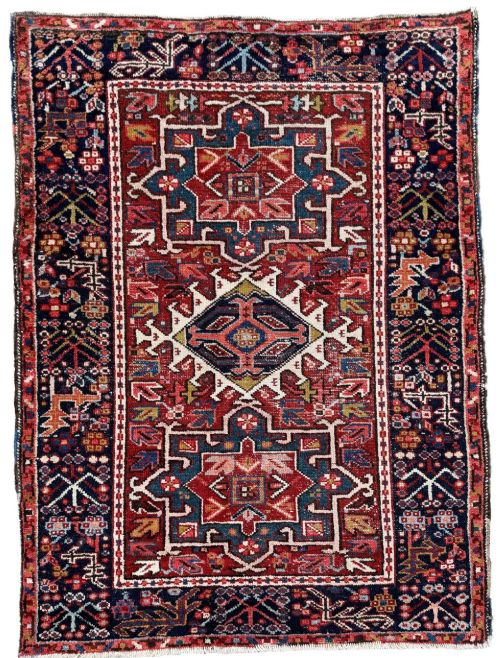
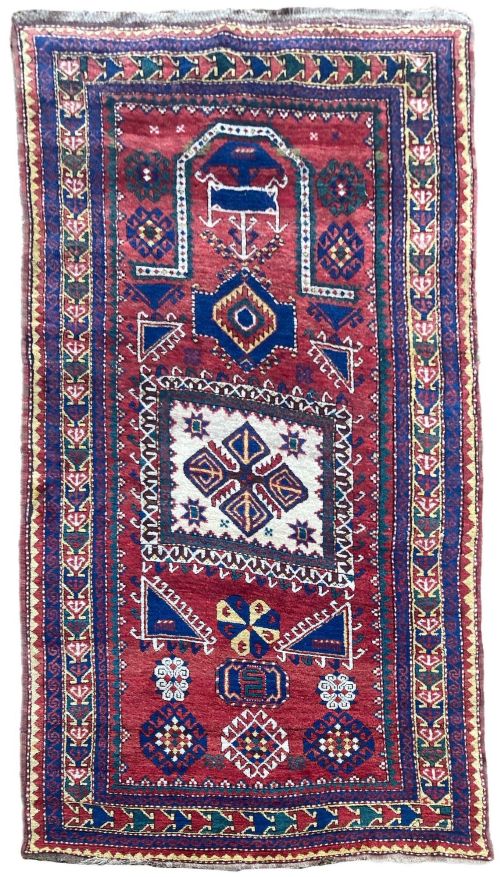
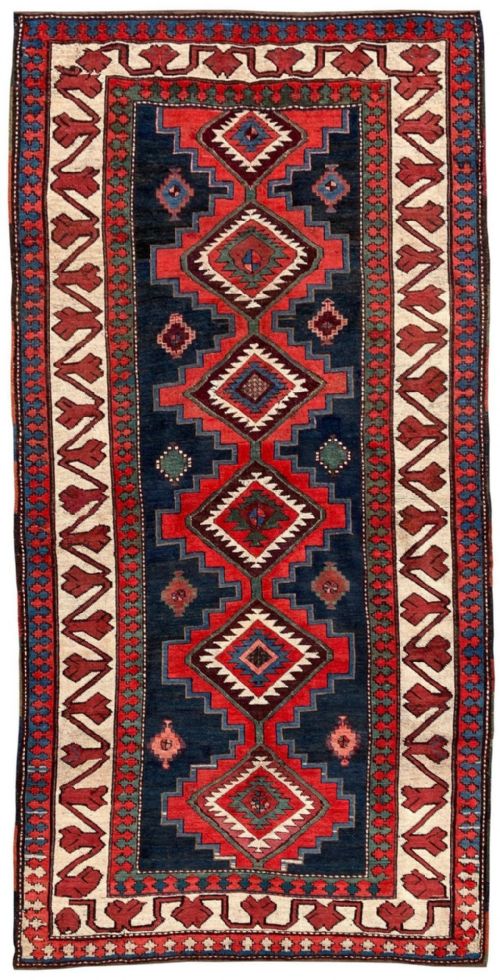
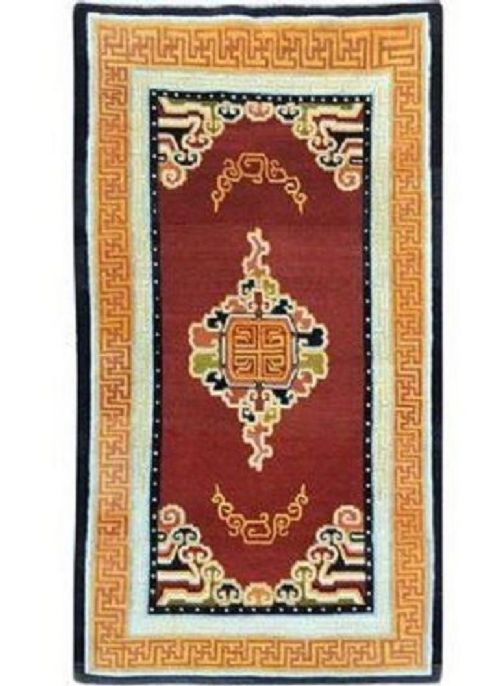
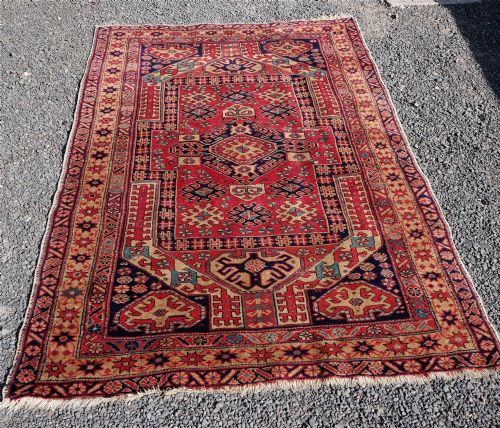
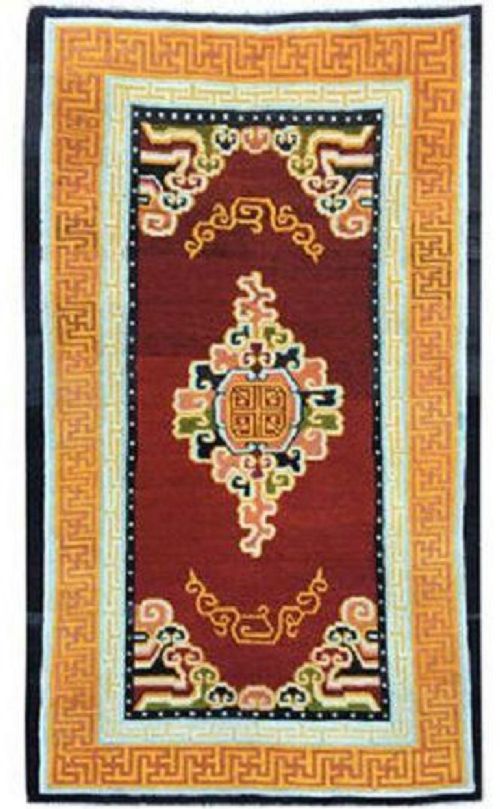
Red Geometric Oriental Rug
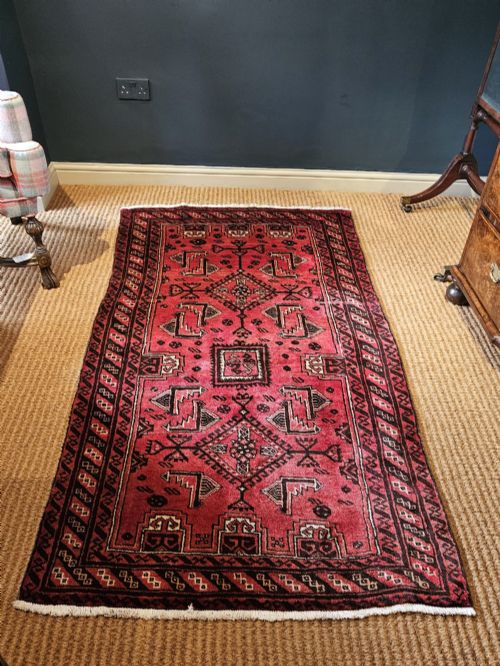
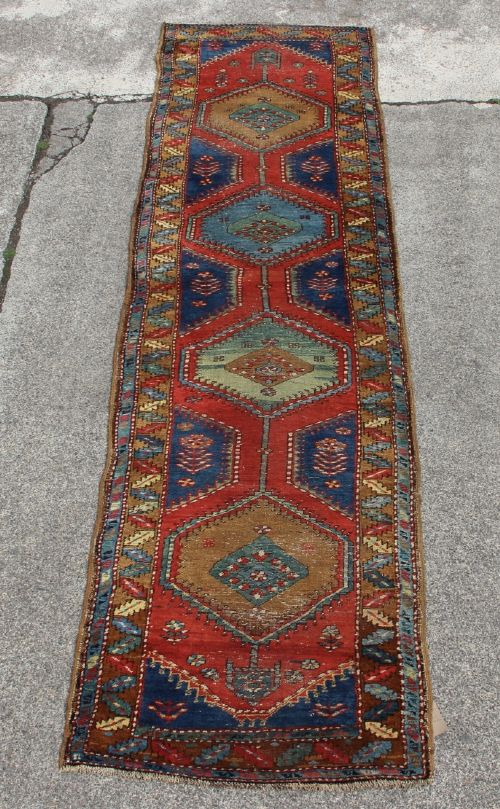
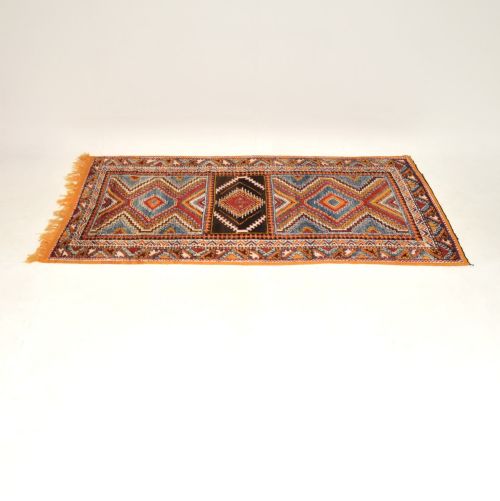
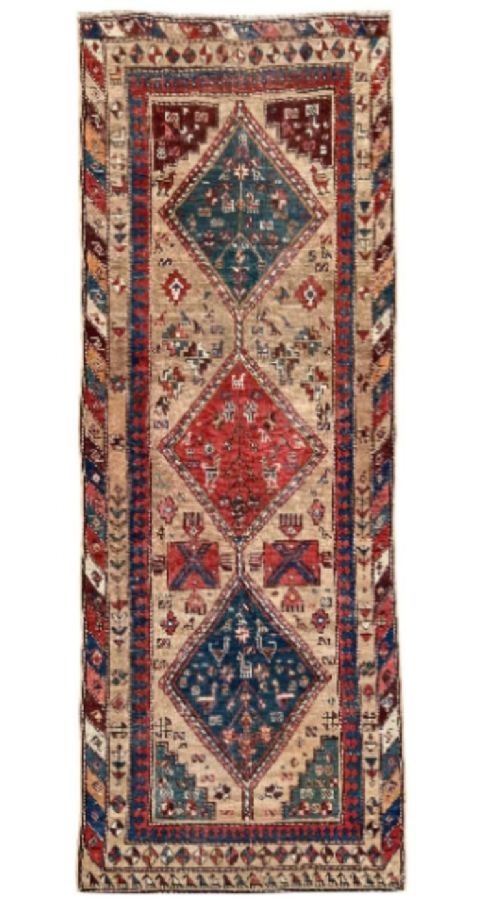
These red geometric oriental rug examples are woven floor coverings built from wool and cotton, offering bold angular patterns that anchor a room.
Red Geometric Oriental Rug
A red geometric oriental rug groups together tribal and village carpets originating from regions such as Persia, the Caucasus, Anatolia, and Turkmenistan. Buyers seeking this phrase encounter formats ranging from small scatter mats and prayer rugs to long runners and room-sized carpets.
The inventory spans pieces produced across the nineteenth and early twentieth centuries, including traditional Heriz, Kazak, Afshar, and Baluch styles. These textiles served functional roles in nomadic tents, village houses, and town dwellings before entering the antiques market.
Assessing the weaving standard
The fineness of the knot count and the crispness of the angular motifs dictate the precision of the design. Tighter packing of the foundation creates a durable structure that preserves straight lines and sharp polygon shapes.
Depth and variation within the red dye fields depend upon the skill of the dyer and the quality of the wool fleece. Superior pieces display complex abrash where subtle shifts in colour occur naturally across the surface.
Some saddle bags survived intact by being repurposed into small cushions for household seating.
The Red Geometric Oriental Rug Glossary
- Abrash
- Variation in colour depth caused by changes in dye batches or hand-spun wool yarns. This accidental tonal shift adds visual texture to the field.
- Medallion
- A central ornamental motif set in the middle of the carpet field. These polygonal or geometric shapes structure the entire composition.
- Warp
- The vertical foundation threads stretched tightly on the loom before knotting begins. Cotton or wool warps support the weight of the pile.
Red Geometric Oriental Rug: Frequently Asked Questions
How do I clean an old wool rug?
Surface dirt and grit settle deep within the wool pile over decades of use. Regular gentle suction using a vacuum cleaner without a rotating brush bar removes loose debris safely.
Professional textile conservators handle deeper cleaning requirements using specialised washing techniques. Household detergents and excessive water damage historic wool fibres and natural dyes.
Where were these rugs made?
Weavers produced these textiles across Central Asia, the Caucasus, Persia, and Anatolia. Nomadic tribes, village communities, and town workshops all contributed distinct regional patterns.
Specific areas such as Shirvan, Heriz, Kazak, and Turkmenistan developed recognisable colour palettes and geometric structures. Local geography dictated the availability of wool types and dye materials.
Can I place furniture on top?
Placing heavy furniture legs directly onto antique carpets applies concentrated pressure that can crush the wool pile over time. Using protective cups distributes weight more evenly across the foundation.
Rotating the rug every year prevents uneven wear patterns from foot traffic and sunlight exposure. Placing a breathable underlay underneath stops slipping on polished floors.
How do I identify a prayer rug?
Prayer rugs feature a distinct pointed architectural niche known as a mihrab at one end of the field. The design directed the user toward Mecca during daily devotions.
Formats tend toward smaller scatter sizes so individuals could easily fold or roll them up. Double mihrab examples display arches at opposite ends of the composition.