

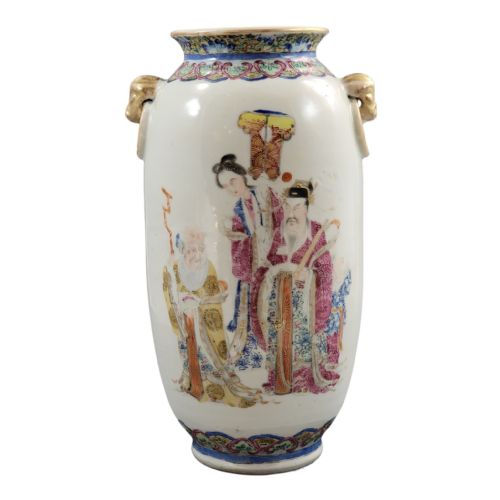


Pink Rose Ceramic Vase
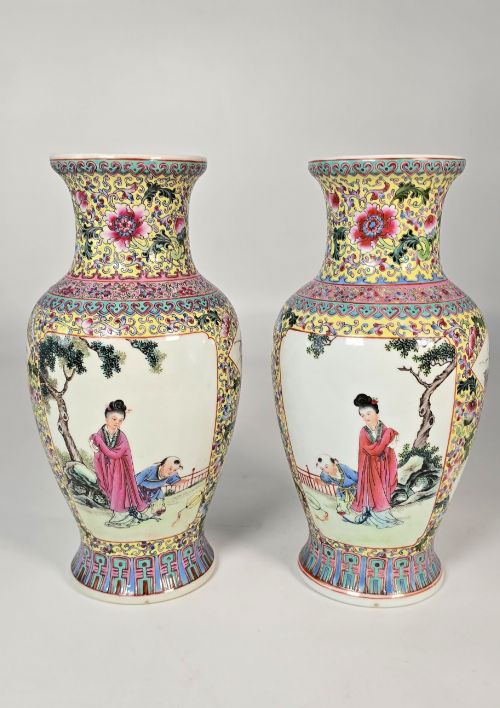
These pink rose ceramic vase pieces bring together hand-painted floral panels and fine porcelain bodies, offering an enduring centrepiece for a traditional room.
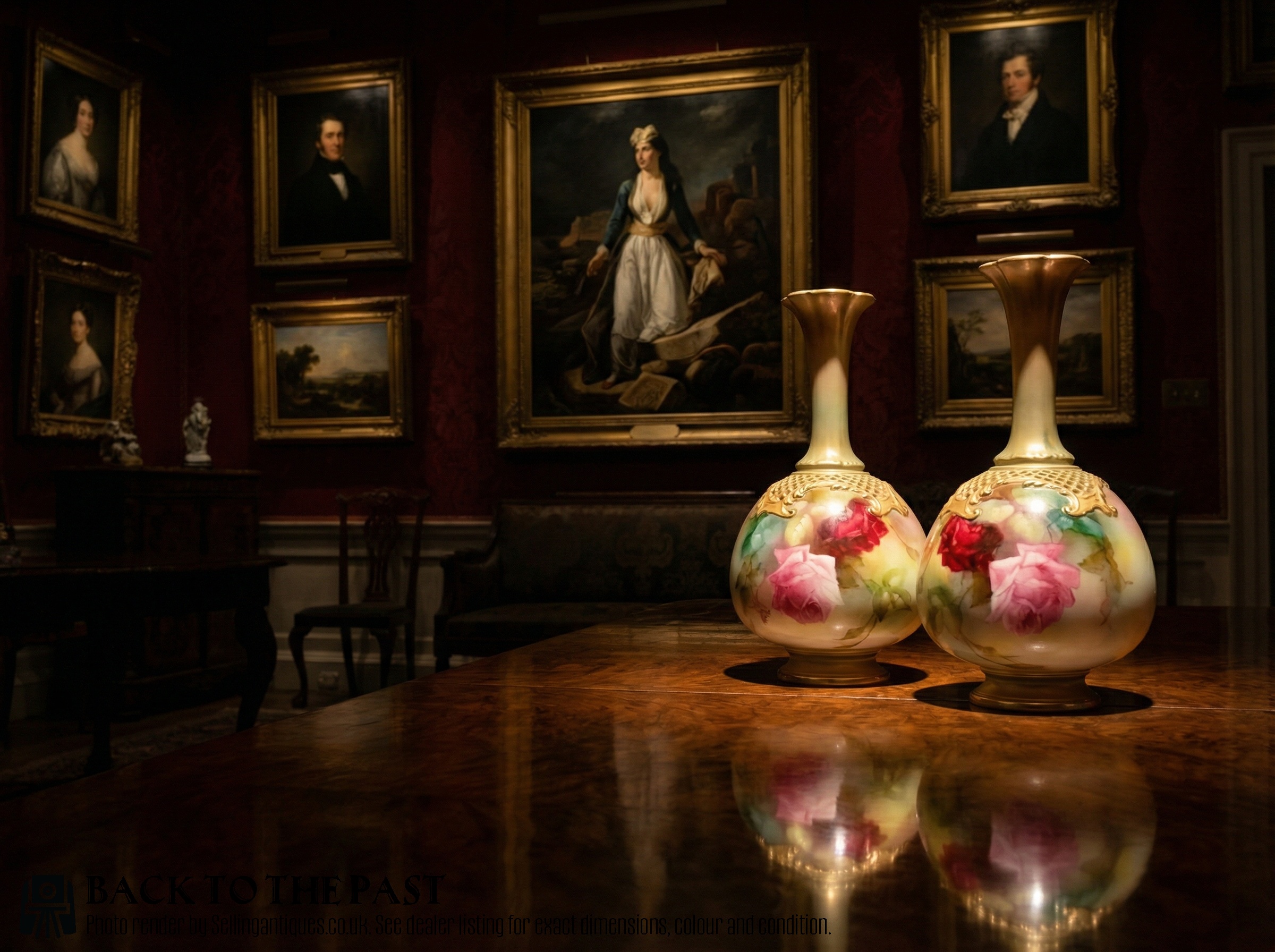
Pink Rose Ceramic Vase
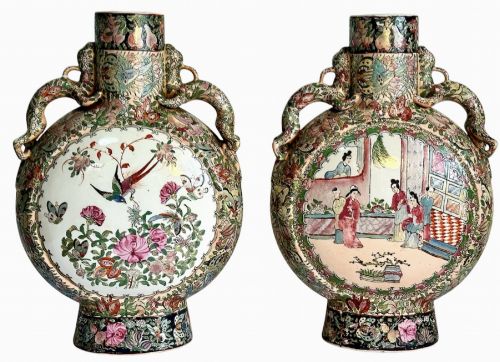
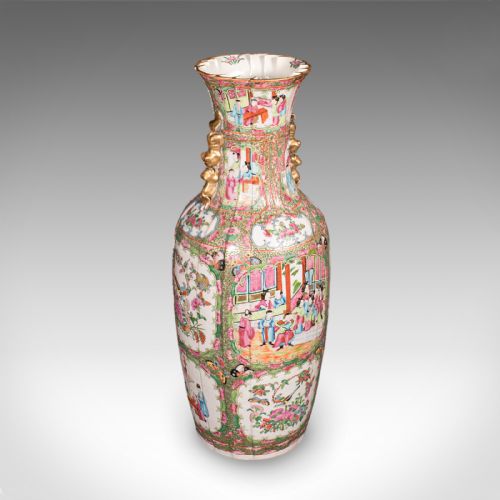
A pink rose ceramic vase brings together hand-painted floral details and glazed porcelain surfaces, often taking the form of baluster vessels, moon flasks, or lidded jars. Many examples found here date from the nineteenth century, including Canton porcelain and Chinese export pieces decorated with pink enamels.
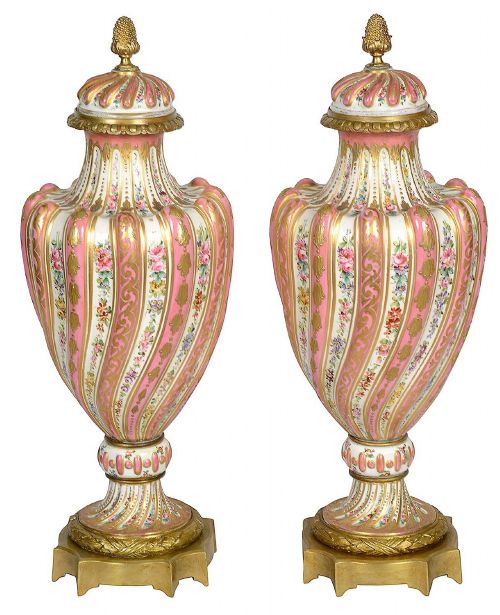
Buyers will also encounter pieces adapted as table lamps alongside traditional decorative urns and umbrella stands. These objects originate from diverse traditions such as Qing Dynasty workshops and European porcelain houses, including Sevres style and Royal Worcester designs.
How they were made
Potters shaped these vessels from high-fired ceramic and porcelain before applying detailed overglaze enamel pigments by hand. Many incorporate gilding, gold leaf, and brass components to accent the rims and bases.
Makers utilised skilled brushwork to render figurative scenes alongside the signature pink rose and medallion motifs. Kiln firing fixed the complex palette, ensuring the longevity of the polychrome decoration.
Listings feature porcelain forms from the 18th century through to the 20th century, including ginger jars, ewers, and floor vases.
What varies in quality
The refinement of the hand-painted enamel work separates standard production vessels from exceptional artistic output. Crisp definition in the floral motifs and controlled application of the pink ground indicate superior craftsmanship.
Proportion and scale also define the hierarchy of these pieces, particularly in monumental floor vases and matched pairs. The clarity of period marks and the preservation of original gilding further influence the standing of an individual item.
The Pink Rose Ceramic Vase Glossary
- Famille Rose
- A palette of Chinese porcelain enamels dominated by opaque pink, introduced during the Qing Dynasty. This colouring technique allows for subtle tonal gradations in floral and figural subjects.
- Rose Medallion
- A distinct style of Canton porcelain featuring partitioned panels of figures and birds interspersed with pink roses and foliage. The dense decoration covers much of the white porcelain ground.
- Moon Flask
- A flattened circular ceramic vessel with a narrow neck and small loop handles, often resting on an oval foot. This traditional form provides a broad flat surface for detailed enamel painting.
- Overglaze Enamel
- Pigments applied on top of a fired and glazed ceramic body before undergoing a second, lower-temperature kiln firing. This method yields vibrant reds, pinks, and greens that sit slightly proud of the glaze.
Pink Rose Ceramic Vase: Frequently Asked Questions
How do I date a pink rose ceramic vase?
Dating relies on stylistic markers, baseline forms, and the specific composition of the enamel colours. Nineteenth-century examples often display distinct Canton or Qing characteristics.
Examining the foot rim and the texture of the porcelain body also helps distinguish period pieces from later reproductions.
Were these vases made as lamps?
Many nineteenth-century porcelain vessels were converted into table lamps during subsequent decades to suit changing domestic interiors. Original mounting hardware is occasionally retained.
Buyers should inspect the base for drilled holes, which typically indicate a later electrical conversion.
How do I care for antique porcelain?
Dust these ceramic pieces gently with a soft, dry cloth to protect fragile overglaze enamels and gilding. Avoid chemical cleaning agents and harsh solvents.
Display the vessels away from direct sunlight to prevent the pink and rose pigments from fading over time.
What is Canton porcelain?
Canton porcelain refers to white ceramic blanks shipped from Jingdezhen to Canton for decoration by local artists. These pieces frequently feature rich rose medallion patterns.
Export demand during the nineteenth century drove the production of these colourful vases for Western markets.