

Antique Ornamental Urn
An antique ornamental urn brings classical proportion and refined material to a room, offering sculptural presence derived from centuries of decorative tradition.
Antique Ornamental Urn
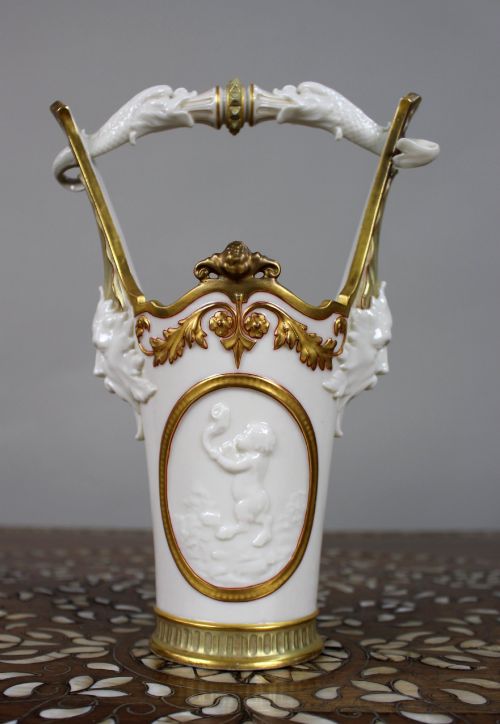
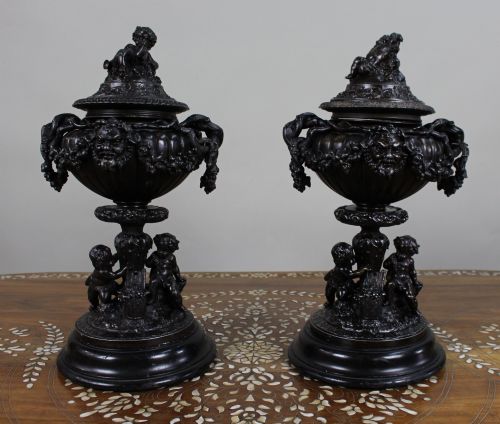
When searching for an antique ornamental urn, buyers encounter decorative vessels shaped by neoclassical and revivalist movements spanning the nineteenth century and early decades of the twentieth. These objects take the form of mantel ornaments, garden planters, lidded vessels, and table lamps cast in metal or formed in ceramic.
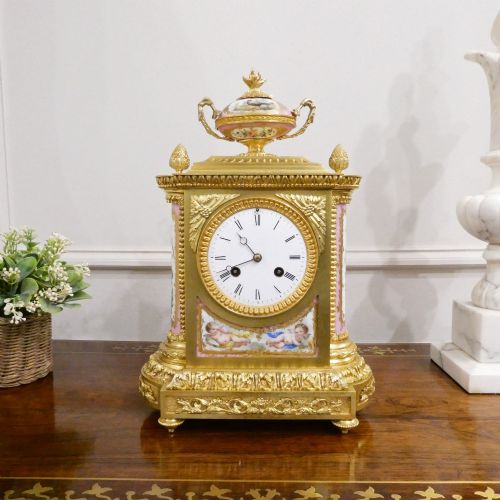
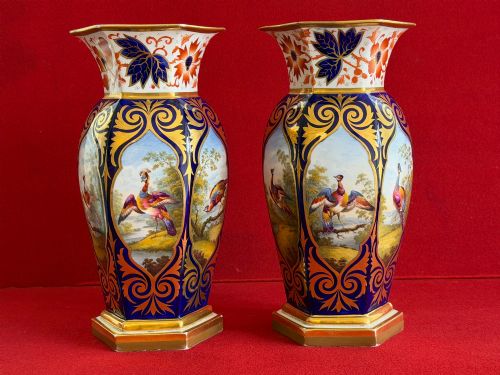
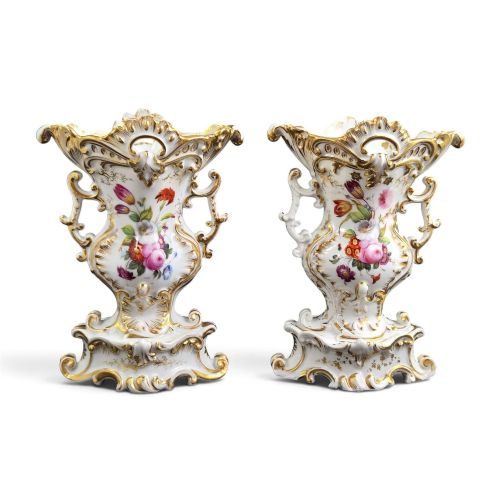
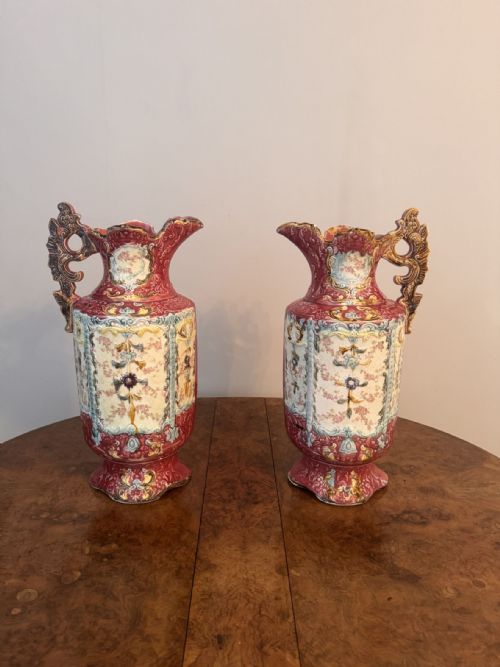
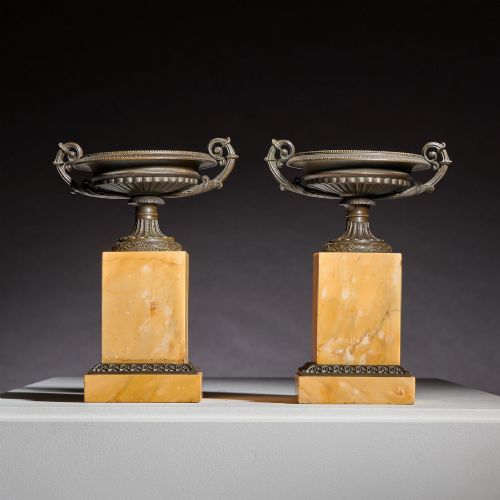
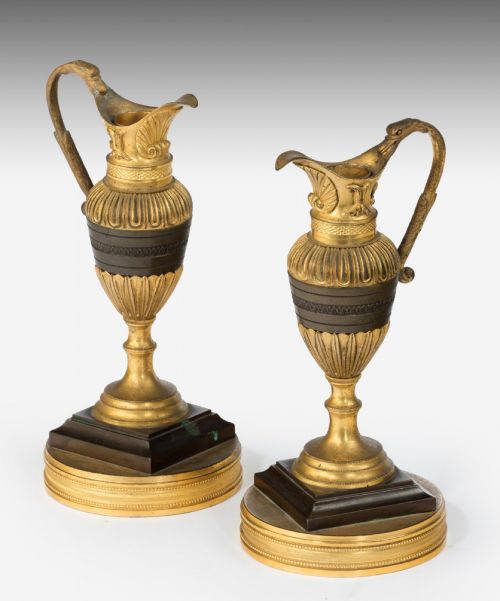
The selections on this page lean heavily toward nineteenth-century production, particularly French bronze and ormolu pieces, English porcelains, and Italian marble creations. Forms range from campana shapes and classical tazzas to ewers and pedestal vases influenced by Grand Tour travels and archaeological discoveries.
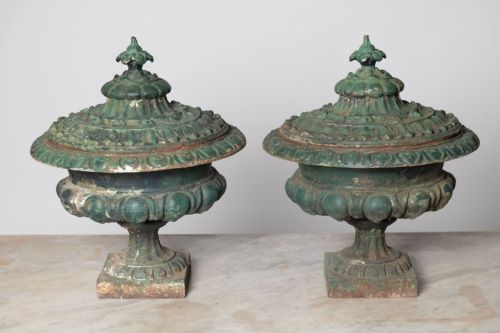
Domestic display pieces sit alongside heavy cast iron garden examples, demonstrating that these vessels served both interior decorative schemes and external landscape architecture. Buyers find pairs dominating the selection, reflecting traditional mantelpiece and sideboard arrangements.
How they were made
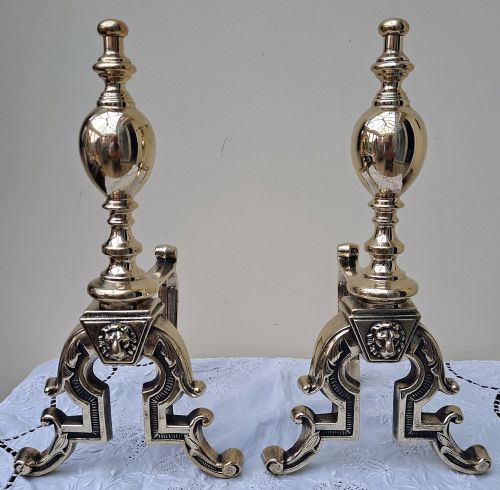
Foundry work relied on bronze, brass, spelter, and cast iron, often enhanced with ormolu, gold leaf, or gilding to highlight cast relief details like mask handles and acanthus leaves. Metal pieces frequently combine patinated surfaces with polished mounts to create textural contrast.
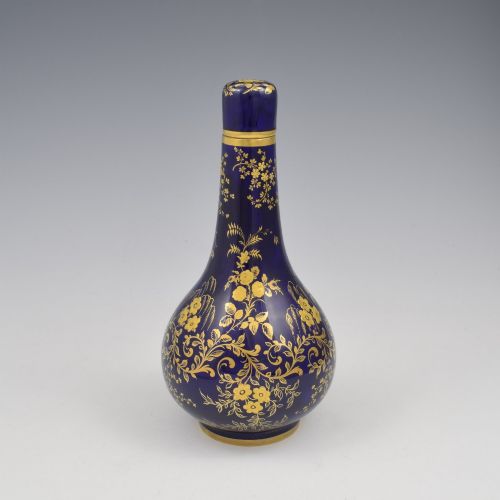
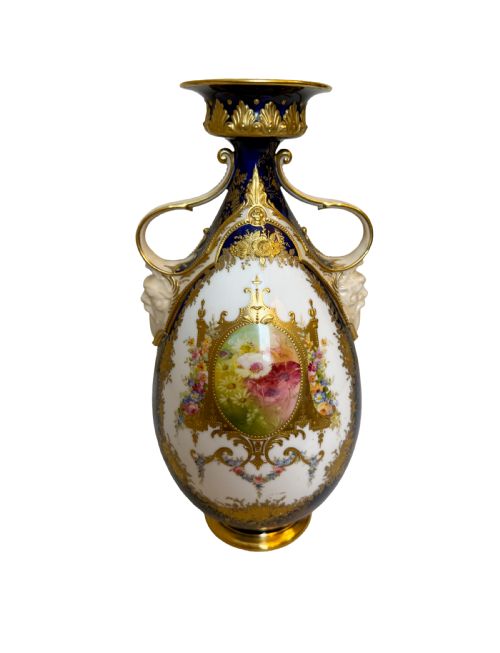
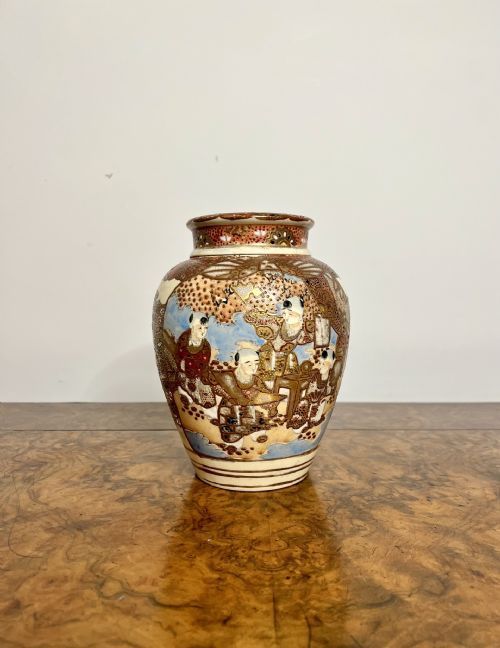
Ceramic examples utilise porcelain, ironstone, and fine earthenware bodies decorated with hand-painted motifs, topographical scenes, and raised gilding. Manufacturers applied rigorous firing techniques to achieve deep cobalt blues and enamel highlights.
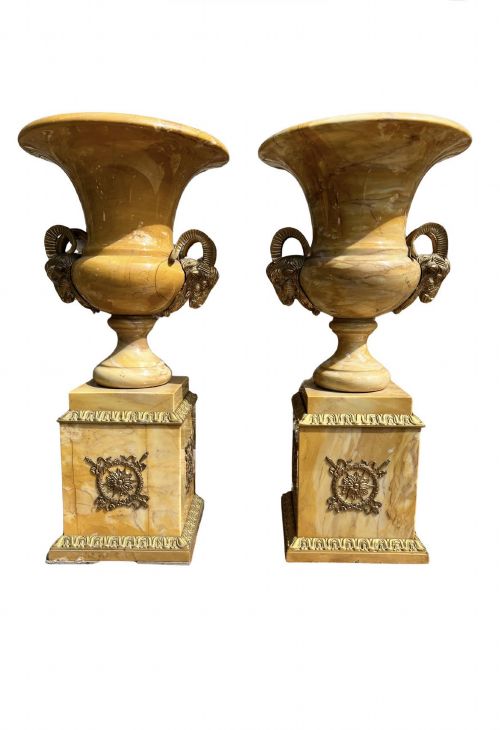
Stone elements incorporate carved Italian marbles, including Siena varieties and green marble cassolettes, paired with metal mounts and plinths to provide structural stability and weight.
Even ancient Roman garden designers would smile at nineteenth-century travellers carting bronze campana urns across Europe just to place them on rainy British lawns.
What varies in quality
The refinement of the casting and carving dictates the visual strength of a piece, separating sharp, undercut bronze details from softer, commercially mass-produced alternatives. Superior execution shows in the precision of chased mounts and the crispness of classical motifs.
In ceramics, the finesse of hand-painted artistry and the richness of the gilding determine the tier of the object. Master painters at established manufactories produced detailed figurative and botanical work that elevates simple porcelain bodies into high art.
Originality of components, such as retaining matching lids, paired mounts, and untouched patination, maintains the integrity of the object across decades of use.
Jean-Baptiste Delettrez·Flight Barr And Barr·Jacob Petit·Royal Worcester·Royal Doulton·Crown Staffordshire·Andrew Handyside·Royal Vienna·Royal Crown Derby·Miles Mason
The Antique Ornamental Urn Glossary
- Campana urn
- A bell-shaped vessel with a flaring rim and a pedestal foot, modelled after ancient Roman pottery and stone garden vases.
- Ormolu
- Finely ground high-carat gold applied to a bronze base using a mercury amalgamation technique, yielding a warm, durable metallic finish.
- Cassolette
- A dual-purpose decorative vessel featuring a reversible lid that transforms the piece from an urn into a burner for perfumes or potpourri.
- Grand Tour
- A traditional educational journey through continental Europe undertaken by wealthy young Britons, inspiring the acquisition of classical bronzes and marbles.
- Ewer
- A large jug with a wide spout and an ornate handle, often produced purely for ornamental display on sideboards or mantelpieces.
Antique Ornamental Urn: Frequently Asked Questions
How were ornamental urns used historically?
These vessels functioned primarily as decorative centerpieces on mantelpieces, sideboards, and architectural consoles within formal domestic interiors. Larger versions were cast in iron or carved from stone to anchor garden paths and terraces.
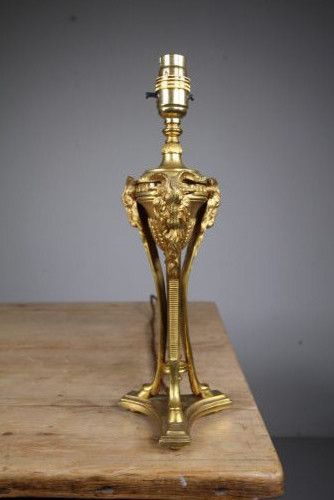
Over time, many of these decorative objects were adapted for modern living, with several examples converted into functional table lamps while retaining their classical silhouette.
How can I tell a nineteenth-century piece apart?
Nineteenth-century pieces often display the distinct influence of revival styles, ranging from Regency neoclassical interpretations to Victorian rococo and Gothic flourishes. Material composition, such as French bronze combined with Siena marble, points directly to the aesthetic priorities of that era.
Examining the casting methods, hand-painted details, and underlying ceramic bodies helps anchor a piece within specific decades like the 1880s or the Edwardian period.
Are pairs more desirable than single urns?
Pairs command stronger interest from collectors because they were originally manufactured to flank a central clock, mirror, or architectural feature on a mantelpiece. Finding matching pairs intact with their original lids remains a key consideration for traditional displays.
Single vessels still hold substantial decorative value when their scale and quality make them strong standalone focal points on a table or pedestal.
What is the difference between bronze and spelter?
Bronze is a heavy, durable copper alloy that accepts patination well and permits sharp, intricate casting details favoured by high-end foundries. Spelter is a cheaper zinc-based alloy used as an economical alternative for decorative figures and urns during the nineteenth century.
Under closer inspection, bronze feels significantly heavier and shows crisper chisel work on the surface compared to the softer edges often found on spelter castings.