

Pine Church Pew
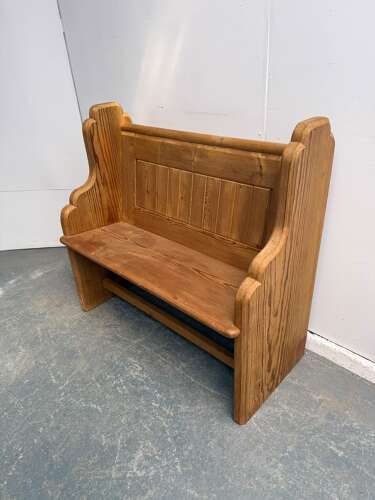
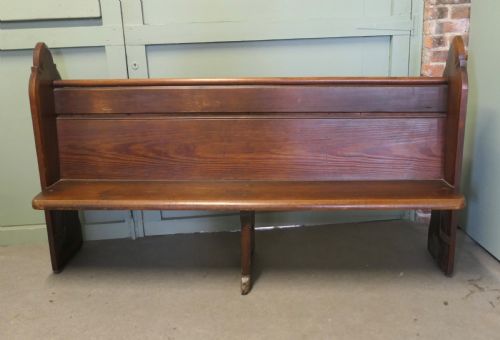
These pine church pew examples offer long seating built for chapels, meeting halls and domestic spaces alike.
Pine Church Pew
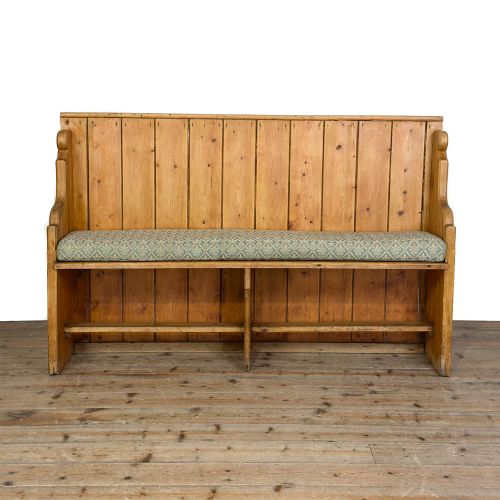
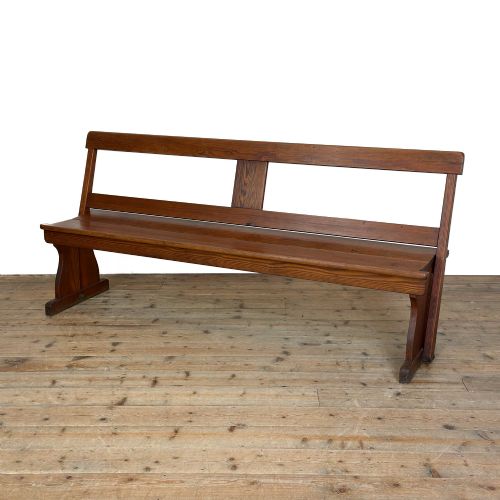
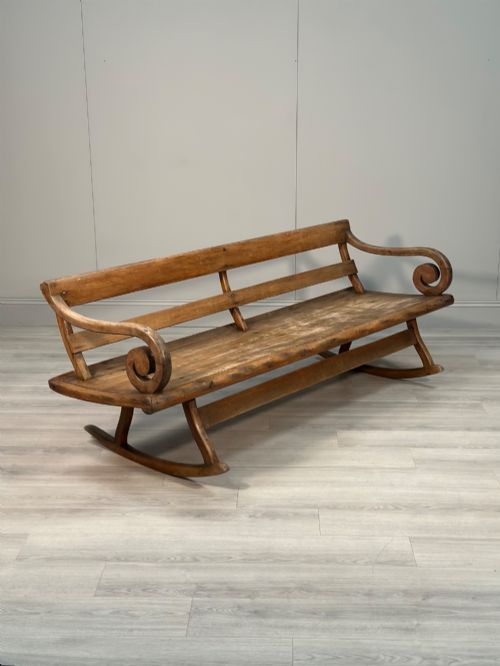
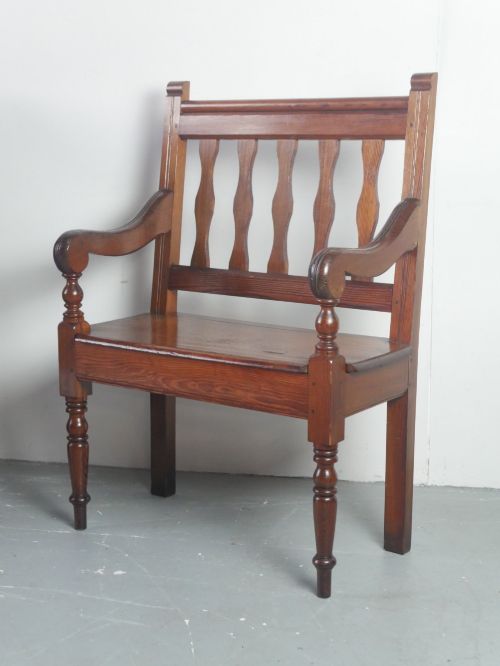
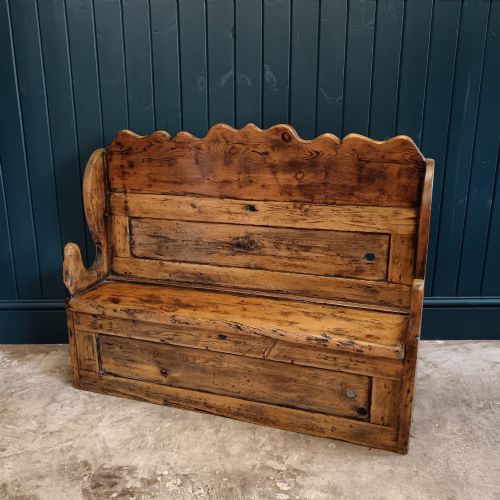
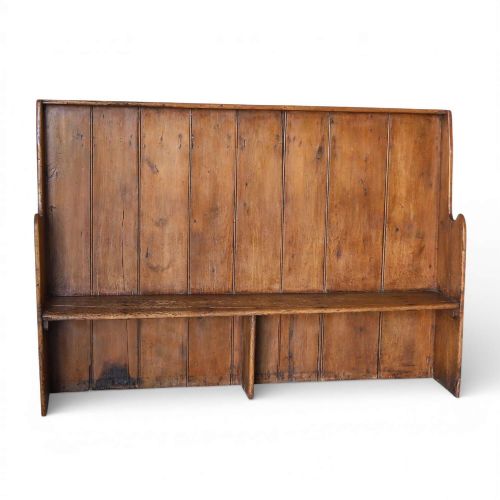
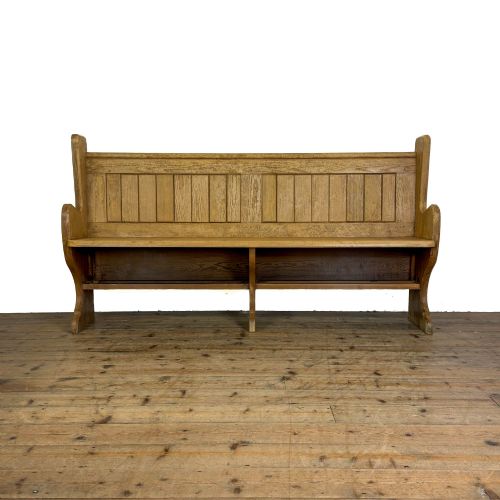
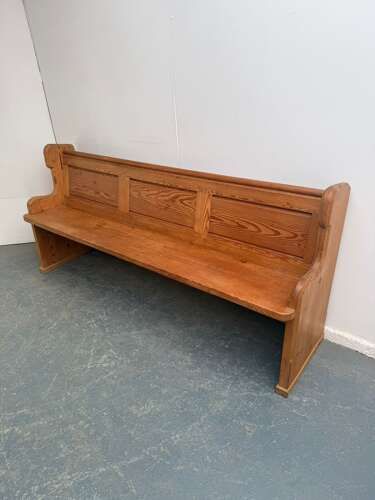
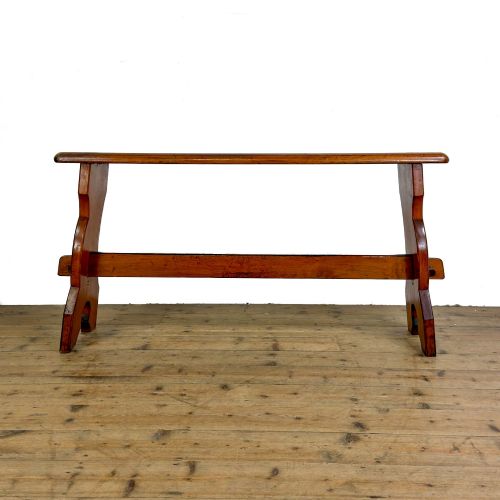
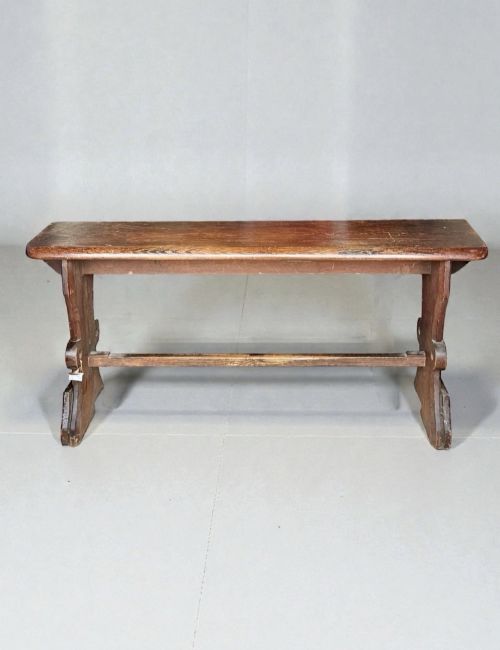
A pine church pew brings solid timber seating into a hallway, kitchen or dining space, drawing on 19th-century ecclesiastical and domestic origins. The items gathered here span standard chapel pews, high-back settles, flip-over benches and hall seats originating from English, French, Austrian, Hungarian, Italian and Scandinavian sources.
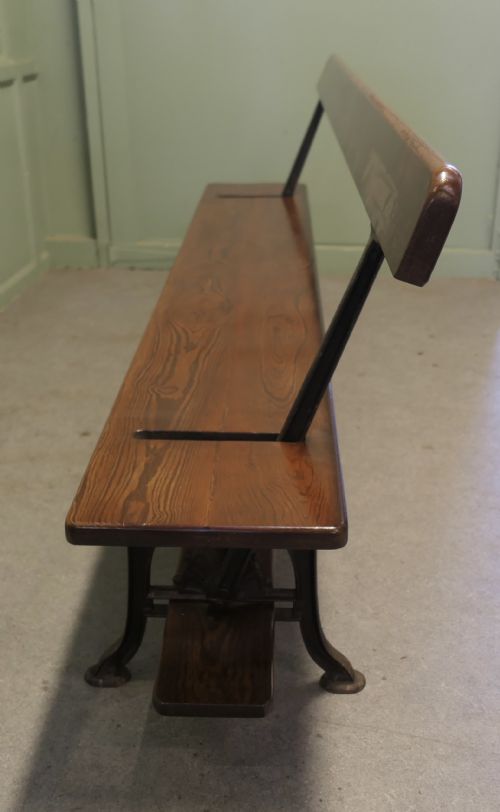
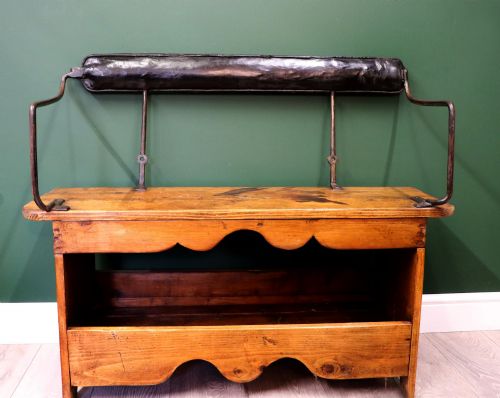
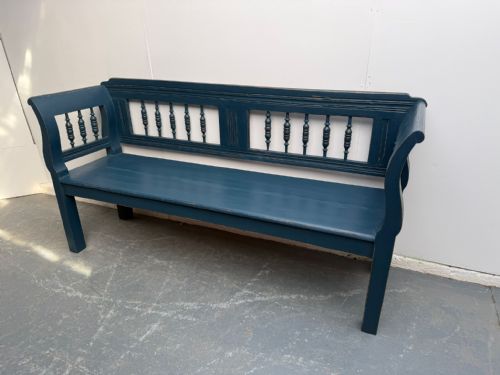
Most pieces date from the Victorian period or the wider 19th century, constructed primarily in standard pine or denser pitch pine. Variants include organist benches, tavern seats and reversible tram or trolley bus benches, alongside occasional painted finishes and Gothic styling.
Buyers select these forms for their linear proportions, high backs and deep seat boards, fitting easily along hallway walls or paired with long dining tables. The selection ranges from compact single-seater pews to very long benches designed for communal gathering.
What varies in quality
Quality rests upon the integrity of the timber, the depth of the honey brown or original painted patina, and the proportion of the backrest relative to the seat depth. Dense pitch pine offers a harder surface texture and tighter grain pattern compared to softer standard deal.
Original details such as enamel numbers, Gothic tracery carving, and flip-over mechanisms elevate specific examples above standard utility seating. The survival of original paint surfaces or untouched waxed finishes determines the visual character of each bench.
Pine Church Pew Retail Price Guide 2026
Typical asking prices for pine church pew among the pieces listed under this phrase on Sellingantiques today, from the lower quarter to the upper quarter. They describe what is for sale here now, not the wider market.
Listings feature pieces from the 19th Century, Victorian, Edwardian, 1850, 1880, 1900, 1910 and 1920 periods.
The Pine Church Pew Glossary
- Pitch pine
- A dense, resinous softwood variety prized for its durability and strong grain pattern. It appears frequently in later 19th-century church seating.
- Settle
- A wooden bench featuring a high back to block draughts, often incorporating enclosed storage beneath the seat. These served communal functions in pubs and farmhouses.
- Patina
- The surface sheen and colour acquired by wood through age, handling and regular waxing. Honey brown patinas are typical of older waxed pine.
- Gothic Revival
- An architectural and decorative style drawing on medieval forms, featuring pointed arches and tracery. This style influences the ends of specific Victorian church pews.
- Flip-over bench
- A seating form with a reversible backrest that pivots to face either direction. This mechanism allowed congregations or passengers to alter their orientation.
Pine Church Pew: Frequently Asked Questions
How do I fit a church pew in a hallway?
Measure the available length and the depth of the hallway to ensure clearance for walking past the high backrest. Most pews sit flush against a wall due to their flat backs and shallow depth.
Consider the height of the pew ends so they clear any skirting boards or radiators in a narrow corridor.
Are pitch pine pews heavier than standard pine?
Pitch pine contains a higher resin content and denser grain structure, making these examples notably heavier than standard deal pews. Moving them usually requires two people.
The increased weight adds stability, preventing the bench from tipping when people sit on the outer edges.
Can I use a church pew for dining?
Long dining benches and standard pews pair effectively with large tables, provided the seat height matches standard chair dimensions. Check the clearance beneath the table frame for legroom.
Adding a loose seat cushion can adjust the sitting height if the original board sits lower than a standard dining chair.
How should I care for a waxed pine surface?
Apply a traditional beeswax polish sparingly with a soft cloth and buff gently to maintain the protective coating. Avoid placing wooden pews directly beside intense heat sources.
Keep surfaces dry and wipe away spills promptly to preserve the underlying patina and prevent water marks.