


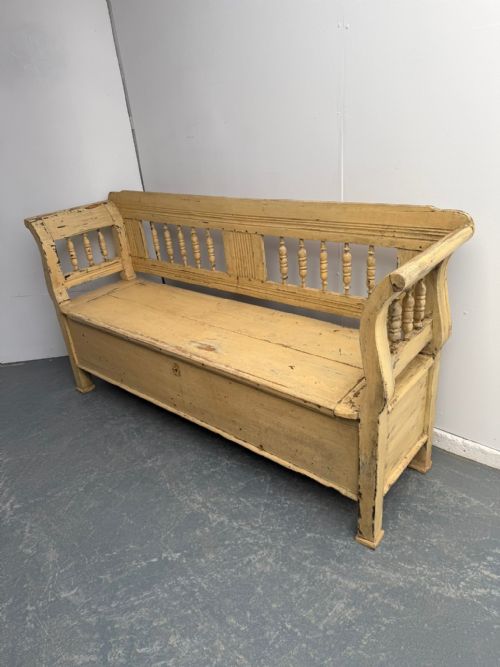
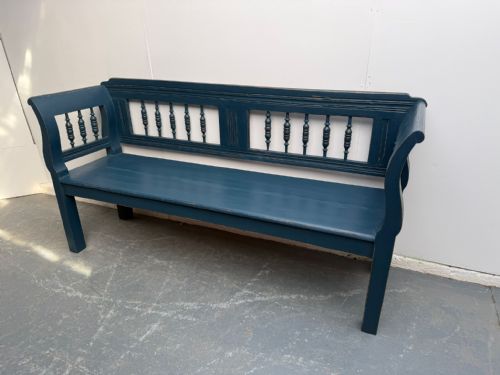
Rustic Pine Pew
A rustic pine pew brings solid timber character and honest utility to a hallway or kitchen, offering simple seating rooted in European country and Victorian Gothic traditions.
What rustic pine pews are
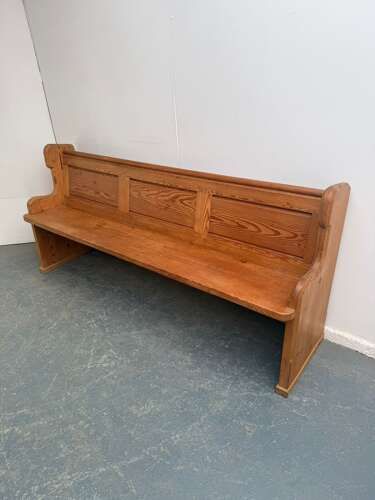
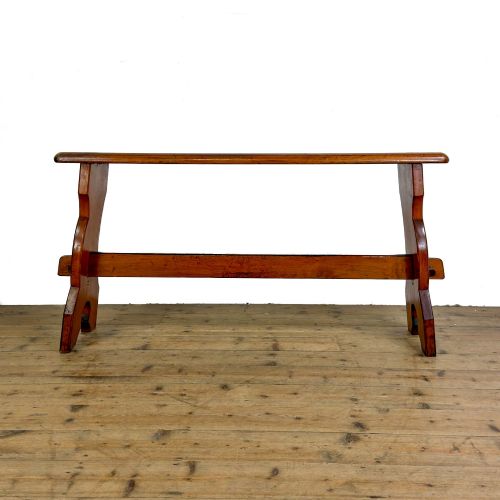
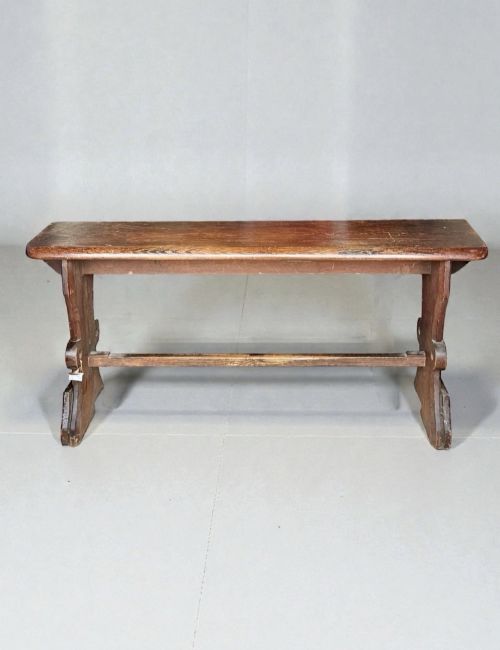
A rustic pine pew is a sturdy wooden bench designed for communal seating in churches, chapels, and domestic spaces. These pieces emerge predominantly from the Victorian era, including dated examples from eighteen eighty, reflecting both ecclesiastical utility and European country aesthetics.
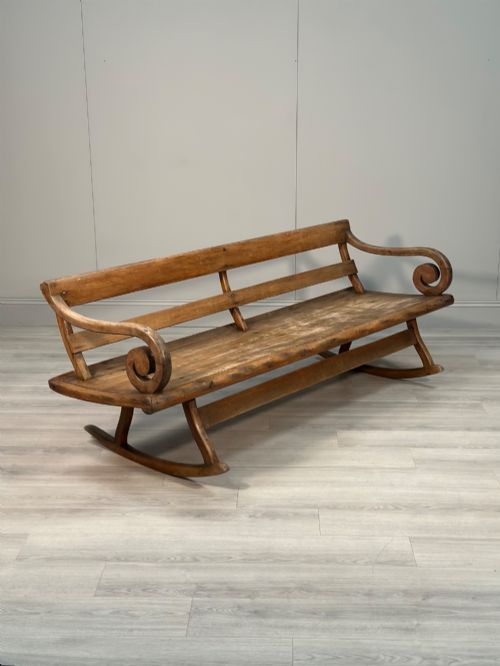
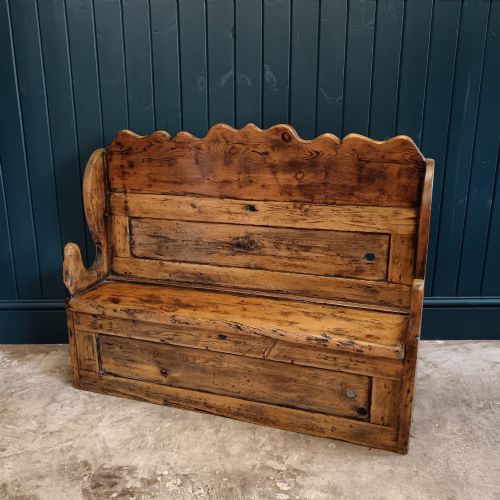
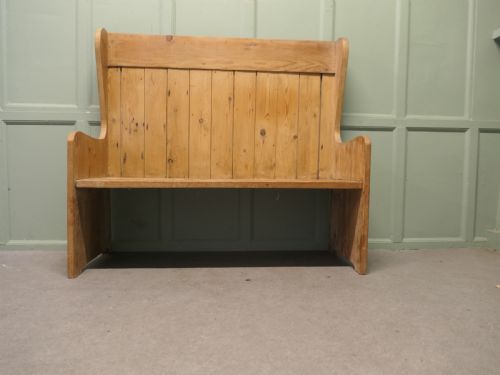
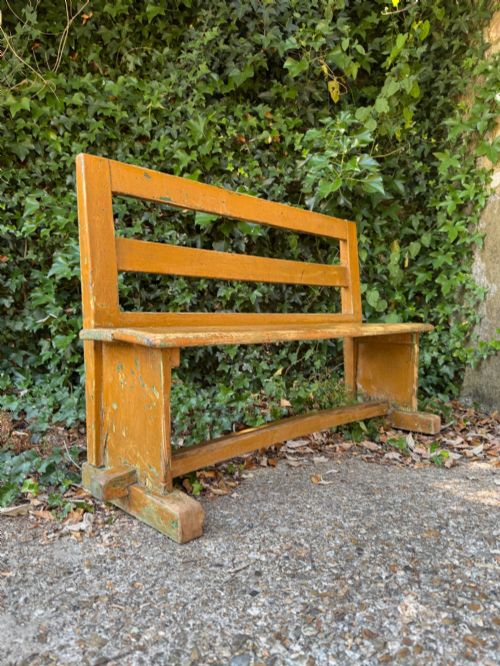
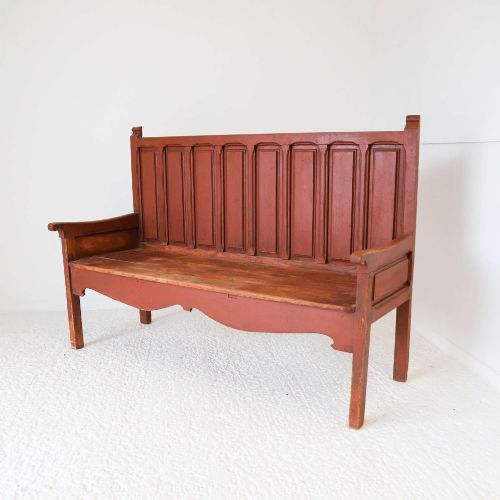
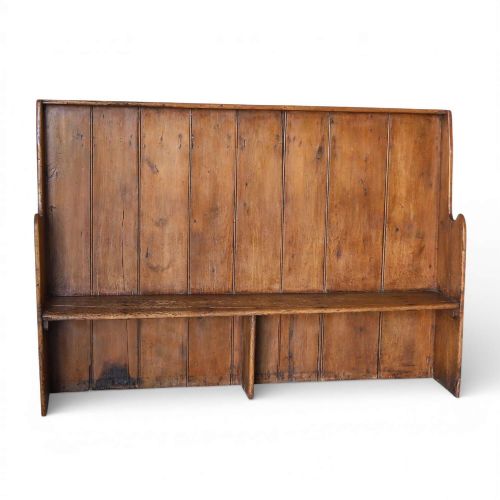
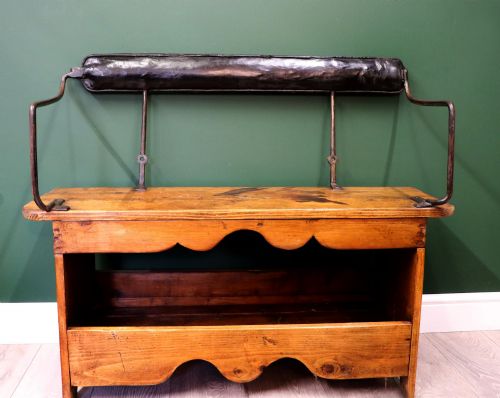
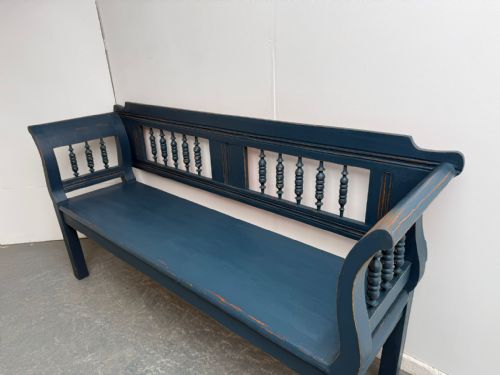
Buyers browsing these listings meet two main forms: church or chapel pews built from solid timber, and spindle-backed or settles seating configurations. They function well as long seating solutions in entrance halls or alongside dining tables.
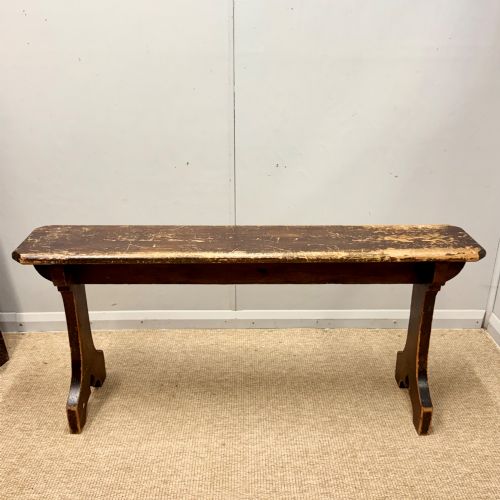
The evidence shows forms categorized broadly as benches and benches and settles, often carrying descriptors like original Hungarian or church bench. Their origins span standard Victorian workshop production and European country vernacular traditions.
How they were made
Makers constructed these pews using solid pine and pitch pine, selecting straight-grained softwoods that offered both structural strength and workability. Joinery relied on heavy planks fixed securely together to withstand decades of heavy public use.
Surface treatments typically involved wax finishing to protect the timber while maintaining a natural matte appearance that highlights the grain. Iron hardware occasionally appears in structural reinforcements or hinges, adding durability to the heavier bench frames.
Listings demonstrate materials restricted strictly to pine and iron, spanning Victorian and European country styles.
What varies in quality
Quality in a rustic pine pew rests on the integrity of the original timber and the subtlety of its surface patina. Pieces retaining their honest, untouched waxed finish demonstrate a superior character compared to those stripped or overly restored.
Structural refinement also separates standard utility seating from finer examples, such as those featuring spindle backs or deliberate Victorian Gothic detailing. The weight of the solid wood and the proportional balance of the bench define the upper tier of these pieces.
The Rustic Pine Pew Glossary
- Pine
- A softwood derived from coniferous trees, utilised extensively for utilitarian furniture due to its availability and resilience. It takes wax finishes particularly well.
- Pitch pine
- A denser, more resinous variety of pine featuring pronounced grain patterns and increased weight. It provides exceptional durability for heavy-use seating.
- Victorian Gothic
- A nineteenth-century design style drawing on medieval architectural motifs, often applied to ecclesiastical furniture. It introduces pointed arches and structural verticality.
- European country
- A vernacular style emphasising functional design and regional craftsmanship over formal academic ornament. These pieces prioritise honest construction using local timber.
- Settle
- A wooden bench featuring a high back to block drafts and solid arms. It serves as traditional fireside or hallway seating.
Frequently Asked Questions
Where do these pews work best at home?
These benches fit naturally in entrance hallways, along farmhouse dining tables, or against large living room walls.
Their linear form provides generous seating without overwhelming the floor space of a room.
How do I care for a waxed pine surface?
Maintain the timber by applying a traditional beeswax polish periodically to nourish the dry softwood.
Avoid placing the bench near direct heat sources to prevent the solid pine planks from splitting.
Are these pews comfortable for daily dining?
Most ecclesiastical pews feature upright wooden backs designed for posture rather than lounging.
Adding loose seat cushions or sheepskins easily softens the firm pine base for extended sitting.
How do I identify a Victorian pew?
Look for dense pitch pine construction, substantial board thickness, and subtle Gothic revival architectural details.
Constructive elements and standard nineteenth-century proportions typically confirm this period of origin.