


Pierced Silver Salts
Pierced silver salts bring openwork elegance to the dining table, combining precious metal with coloured glass liners.
Pierced Silver Salts
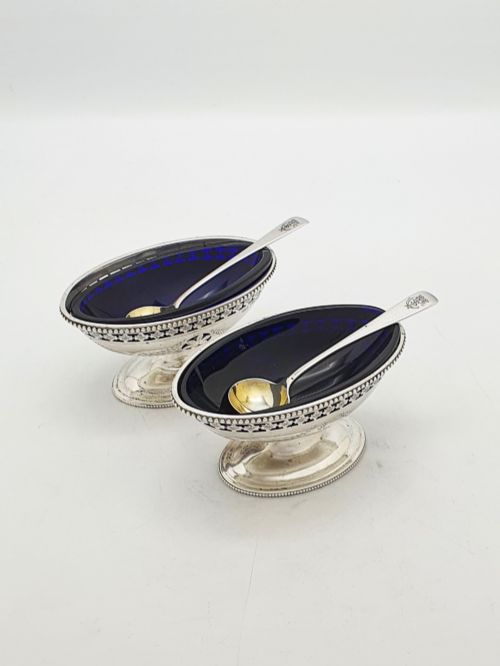
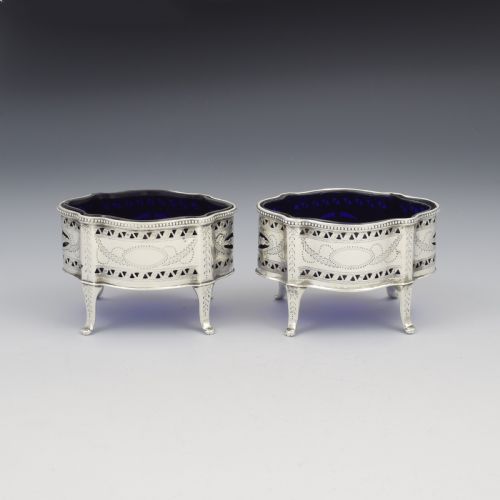
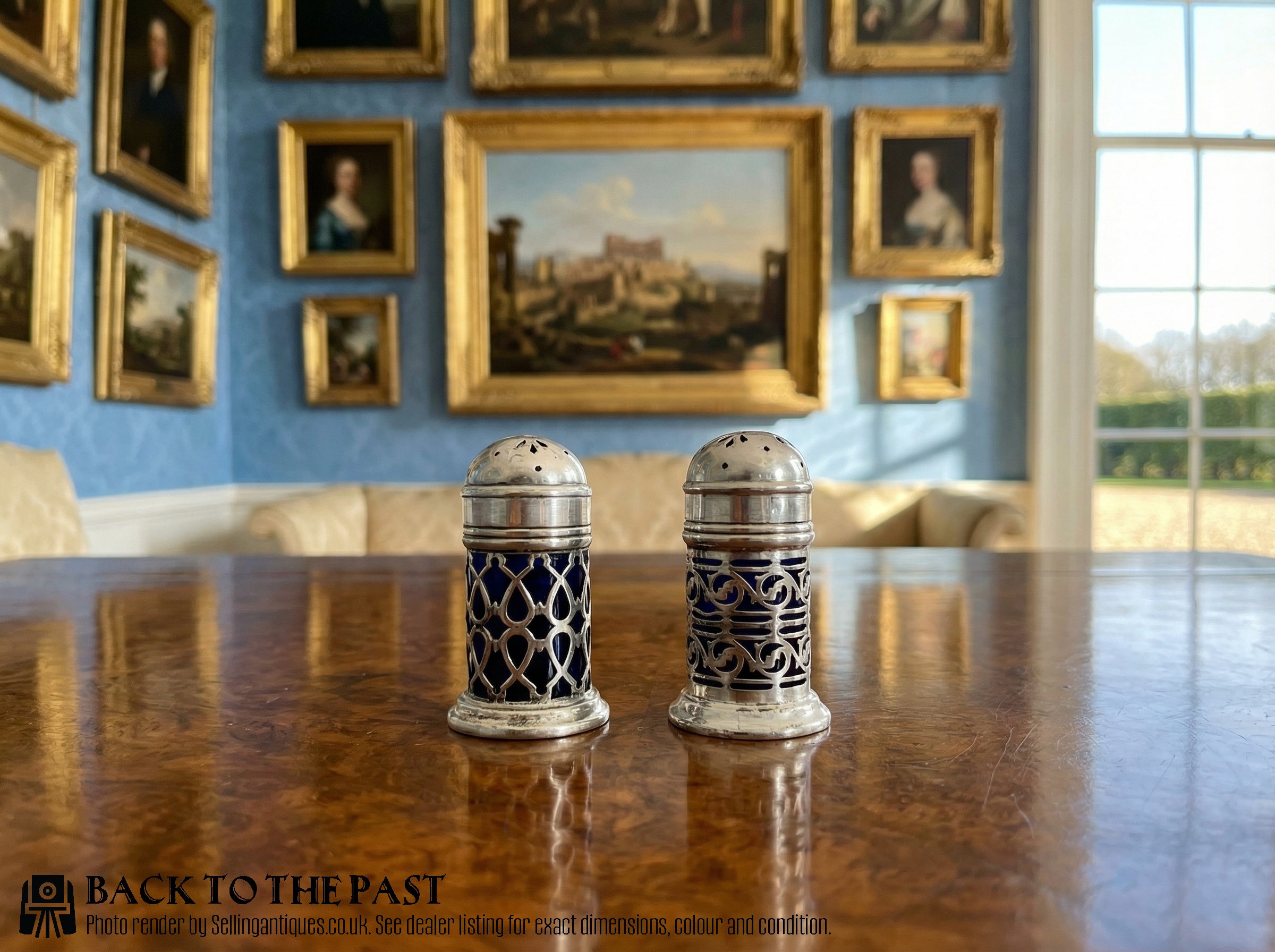
Pierced silver salts are small open vessels designed to hold salt at the dining table, often formed as pairs or sets. When you search for pierced silver salts, you encounter openwork silver designs that typically rely on contrasting glass inserts to hold the contents.
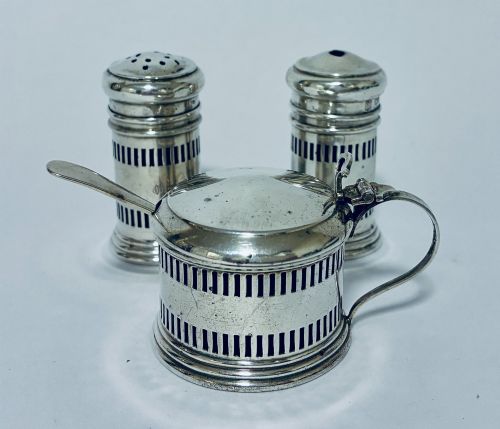
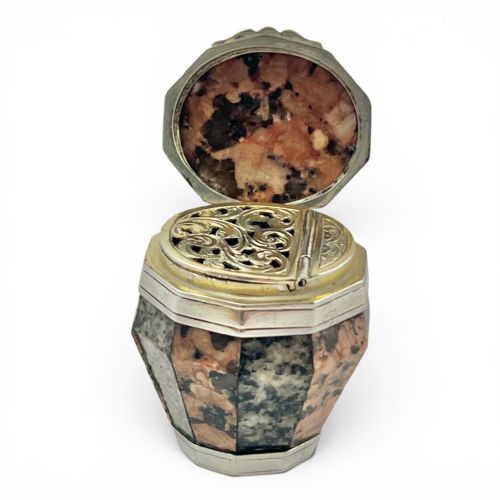
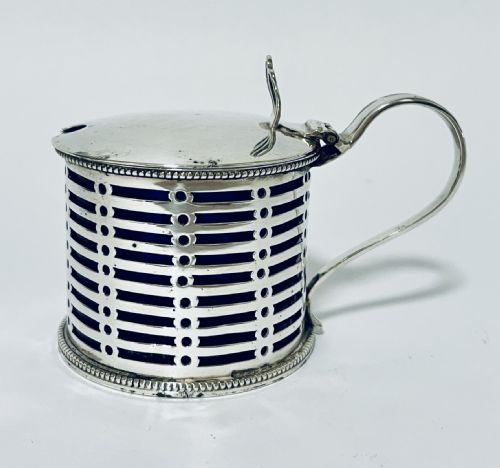
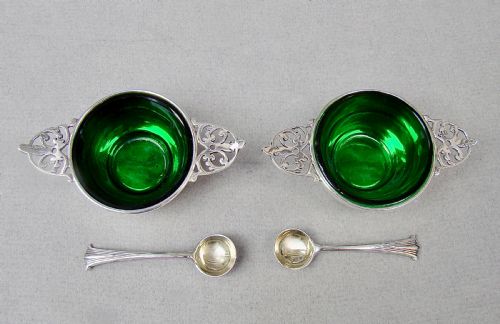
The pieces appearing here span the Victorian, Edwardian, and Georgian periods, alongside later twentieth-century examples up to nineteen-twenty. Most items take the form of open salt cellars, mustard pots, or cruet sets, occasionally accompanied by novelty shapes such as quaichs or barrels.
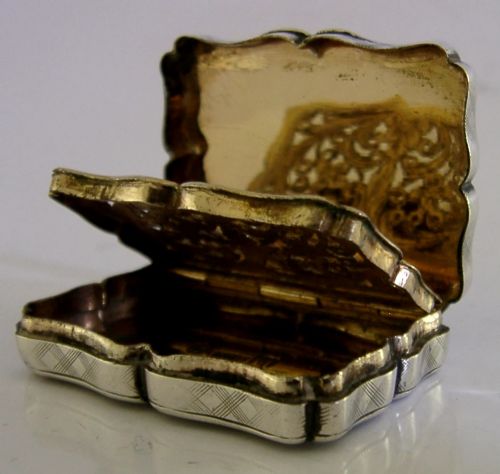
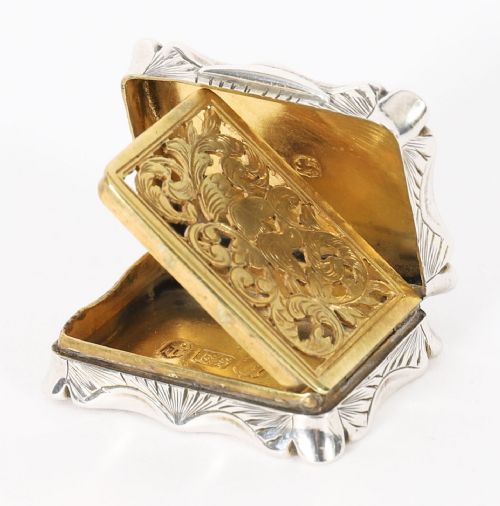
Victorian examples dominate the selection, frequently showcasing intricate pierced ornamentation or rococo revival styling. Alongside standard table salts, related items such as silver-gilt mustard pots and miniature vinaigrettes appear within the same material tradition.
Materials and Construction
Silversmiths constructed these vessels primarily from sterling silver and standard silver, sometimes employing silver-gilt finishes for internal warmth and protection against corrosion. Piercing work required careful hand-sawing or punching through the silver sheet to create open geometric or scroll patterns.
Pierced Silver Salts Retail Price Guide 2026
Typical asking prices for pierced silver salts among the pieces listed under this phrase on Sellingantiques today, from the lower quarter to the upper quarter. They describe what is for sale here now, not the wider market.
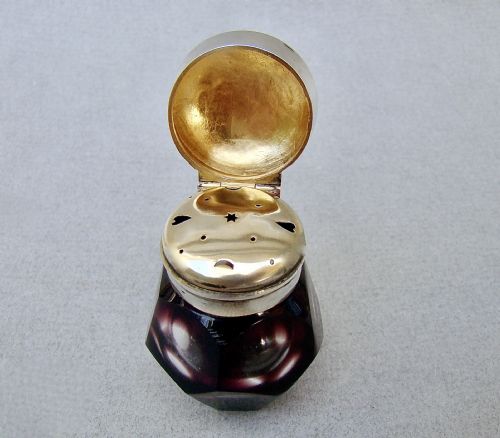
Object forms include mustard pots, cruet sets, boat-shaped salts, and novelty barrel vinaigrettes spanning the nineteenth and early twentieth centuries.
Assessing Quality in Pierced Silver Salts
Quality rests upon the crispness of the piercing and the weight of the silver used in the body. Finer examples display clean, evenly spaced apertures without distortion to the surrounding metal framework.
The presence of matching original glass liners significantly elevates a piece. Replacements alter the integrity of the object, whereas surviving cobalt or amethyst inserts fitted correctly to the pierced cage represent superior preservation.
Nathaniel Mills·Edward Smith·Josiah Williams and Co·William Hutton and Sons·Pemberton
The Pierced Silver Salts Glossary
- Pierced silver
- Silverwork decorated by cutting or piercing open patterns through the metal sheet. This technique lightens the visual weight of the vessel.
- Salt cellar
- A small bowl or dish placed on the dining table to hold salt. They appear open alongside spoons or enclosed in cruet sets.
- Glass liner
- A removable insert, often in cobalt or amethyst glass, placed inside openwork silver salts to contain the salt. They protect the silver from corrosion.
- Cruet set
- A matched collection of condiment containers, including salt cellars, mustard pots, and pepper casters, often housed in a dedicated stand.
- Vinaigrette
- A small ornamental box featuring a pierced internal grille, used historically to hold a sponge soaked in aromatic vinegar.
Pierced Silver Salts: Frequently Asked Questions
How do I clean pierced silver salts?
Remove any glass liners before cleaning to protect the coloured glass from immersion in water or exposure to polish. Use a soft cloth with a mild silver cleaner to preserve the pierced details.
Avoid harsh dips that can strip historical patination from the silver surfaces. Dry the pierced framework thoroughly before reinserting the glass liner.
Are original glass liners important?
Original liners contribute significantly to the completeness and character of the piece. Cobalt and amethyst glass inserts were manufactured specifically to fit the dimensions of the pierced frame.
Replacements often sit unevenly or display different hues compared to period glass. Checking for an original fit helps confirm the item remains in its original configuration.
What periods do these silver salts date from?
The available pieces span the eighteenth, nineteenth, and early twentieth centuries. Victorian and Edwardian examples appear most frequently across the current selection.
Earlier Georgian specimens and pieces marked up to nineteen-twenty also occur. Styles range from classical Georgian forms to elaborate Victorian rococo revival patterns.
How were salt cellars used historically?
Dining guests used open salt cellars to take pinches of salt using small spoons or fingers. Before free-flowing salt was common, salt held high status on the dining table.
Master salts sat centrally while smaller individual cellars accompanied each place setting. The pierced silver held the coloured glass container securely while displaying the craft of the silversmith.