

Pierced Silver Bowl
When you search for a pierced silver bowl, you enter a world of openwork metalwork, delicate baskets, and glass liners designed for dining tables.
Pierced Silver Bowl
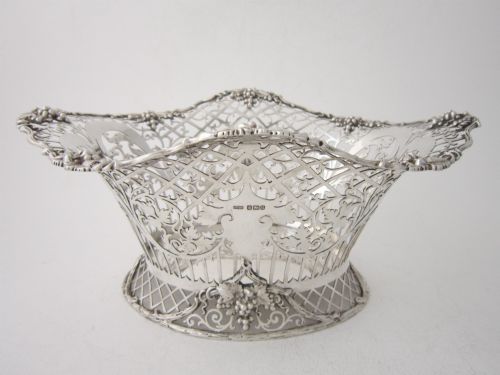
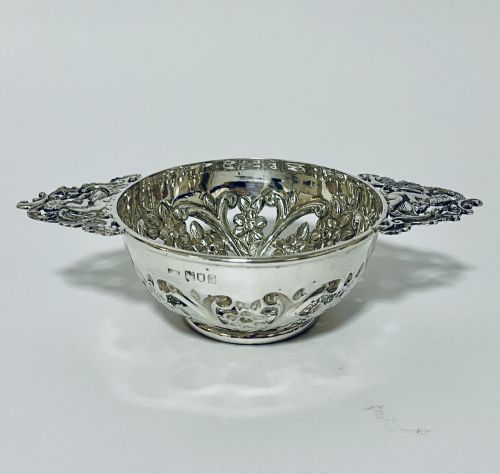
A pierced silver bowl combines decorative openwork with functional vessel forms spanning the eighteenth, nineteenth, and early twentieth centuries. You will frequently encounter Edwardian and Victorian examples on this page, alongside earlier Georgian pieces.
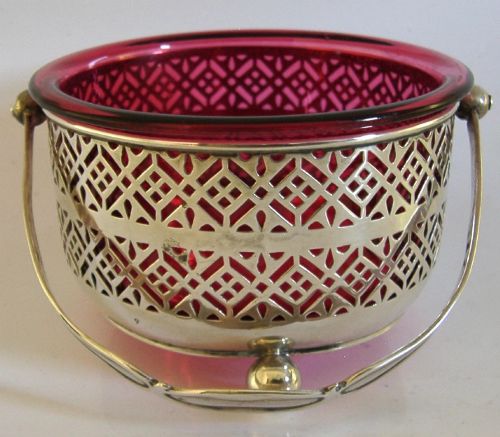
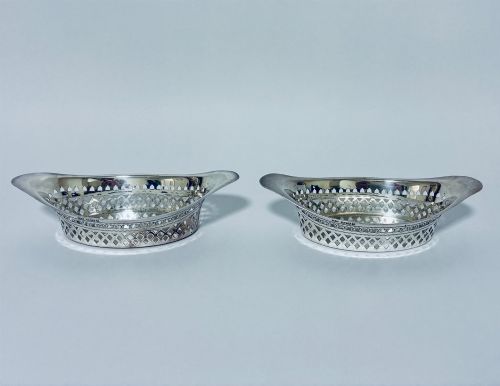
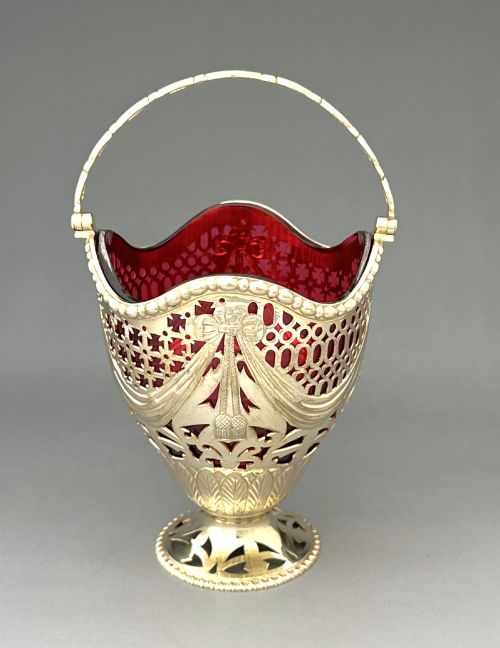
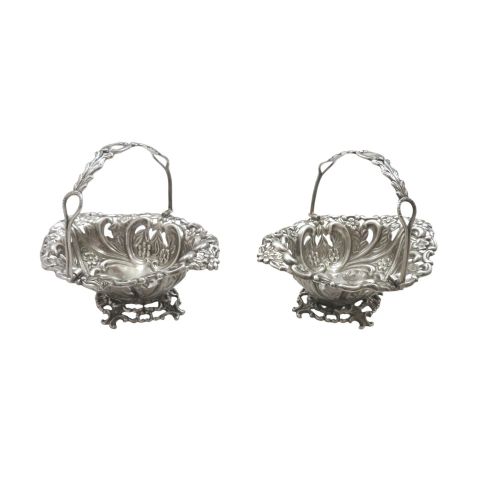
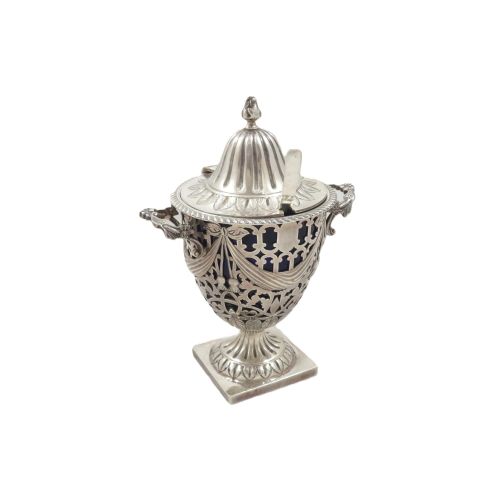
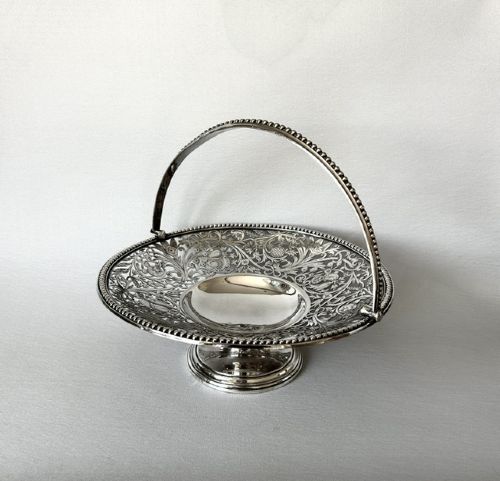
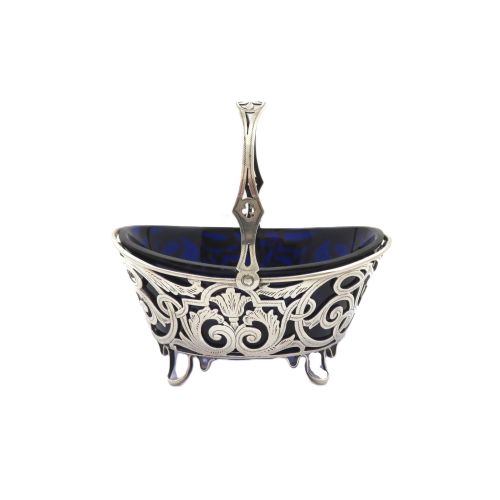
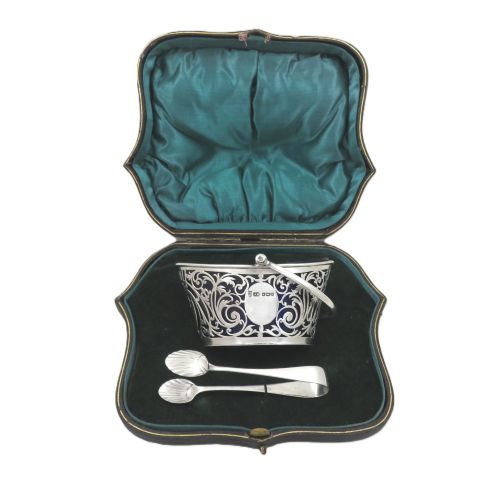
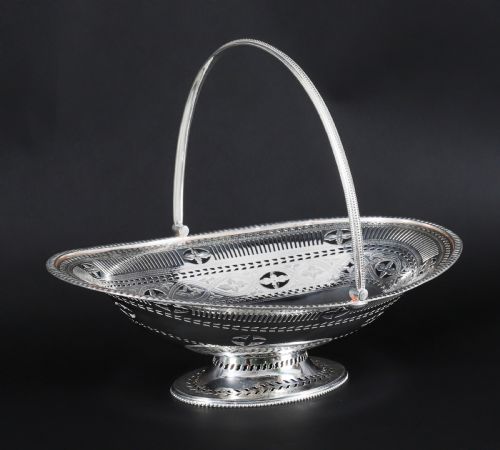
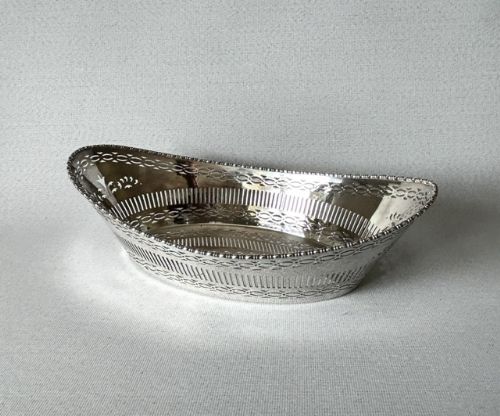
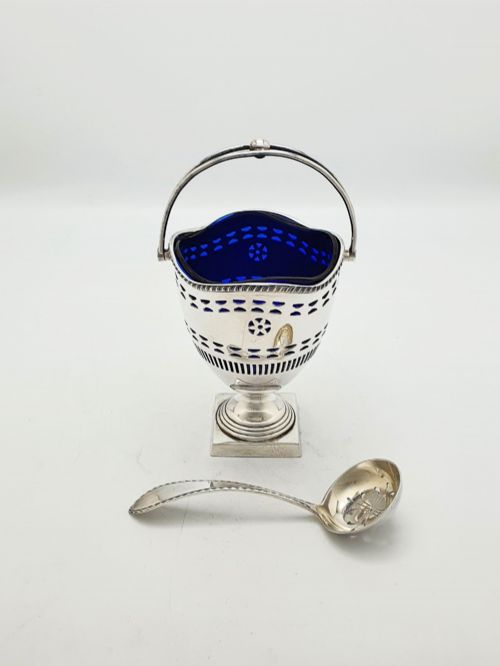
The category encompasses diverse forms such as sugar baskets, bonbon dishes, fruit baskets, and pedestal centrepieces. Many incorporate original coloured glass liners in cobalt, cranberry, or ruby hues.
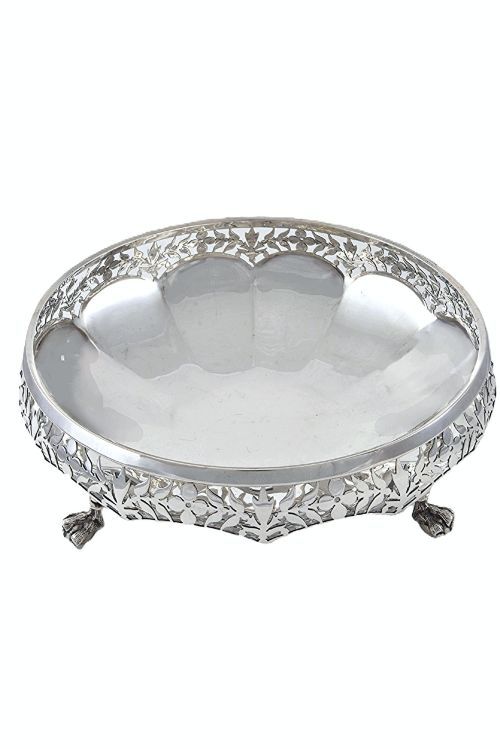
Makers utilised piercing techniques to create intricate lattice, scroll, and floral motifs across the body of the vessel. These items served both decorative display purposes and practical dining functions.
How they were made
Silversmiths worked primarily in sterling silver, silver plate, and EPNS, occasionally incorporating pewter or glass elements. Metal was shaped through casting, hammering, and rolling before artisans pierced the design by hand or machine.
Intricate openwork patterns required meticulous sawing and filing to achieve symmetrical lattice, scroll, or floral motifs. Liners in cobalt or cranberry glass were mouth-blown and fitted precisely into the pierced metal frameworks.
Pierced Silver Bowl Retail Price Guide 2026
Typical asking prices for pierced silver bowl among the pieces listed under this phrase on Sellingantiques today, from the lower quarter to the upper quarter. They describe what is for sale here now, not the wider market.
Periods represented range from eighteenth-century Georgian items to 1930s tableware.
What varies in quality
The standard of piercing dictates much of the distinction between ordinary and superior pieces. Crisp, cleanly executed apertures without burrs or uneven edges reveal superior workshop output.
Weight and gauge of the metal also determine quality, alongside the presence of cast decorative borders, handles, and feet. Intact original glass liners enhance the integrity of surviving specimens.
Aldridge & Green·Mappin & Webb·Walker & Hall·Thomas Bradbury·Joseph Rodgers·Viners·Robert Garrard·Charles & Richard Comyns
The Pierced Silver Bowl Glossary
- Pierced
- Openwork decoration created by cutting or sawing patterns through sheet metal. This technique defines the visual lightness of the vessels.
- Bonbon dish
- A small vessel intended for holding sweets or confectionery. These often feature swing handles and pierced rims.
- EPNS
- Electroplated nickel silver. A common base metal method utilised for silver-plated items.
- Pedestal foot
- A raised base supporting the main body of a bowl or basket. It elevates the piece above the tabletop.
- Quaich
- A traditional two-handled drinking vessel of Scottish origin. Examples occasionally appear within wider dining silver categories.
Pierced Silver Bowl: Frequently Asked Questions
What were pierced silver bowls used for?
These vessels served various functions on formal dining tables, primarily holding fruit, sugar, bonbons, or pot pourri. Their openwork designs often accommodated coloured glass liners to hold items securely.
Over successive periods, their utility shifted from utilitarian dining implements to decorative centrepieces displayed on sideboards and tables.
How do I identify the period of a silver bowl?
Hallmarks stamped onto the metal provide the most reliable indicator of age, recording assay offices, dates, and maker marks. Stylistic cues such as Victorian neoclassical borders or Edwardian lattice work also help determine the era.
Matching the design characteristics with documented manufacturing periods narrows down the decade of production.
Are glass liners original to the bowls?
Many surviving pieces retain their blown glass liners in cobalt, cranberry, or ruby tones. Originals fit the internal dimensions precisely without excess movement.
Replacements often differ in thickness or hue, though many period pieces were supplied with interchangeable glass inserts.
How should I care for antique silver bowls?
Gentle cleaning with a soft cloth and specialised silver polish preserves the surface detail of the openwork. Avoid harsh abrasive cleaners that can wear down hallmarks or thin metal edges.
Store pieces in dry environments away from direct sunlight to maintain the finish of both the silver and any associated glass liners.