



Pheasant Painted Porcelain
These pheasant painted porcelain pieces bring feathered subjects into your home through fine ceramic arts.
Pheasant Painted Porcelain
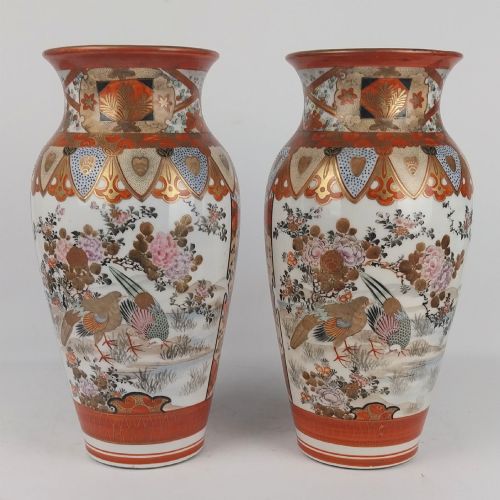
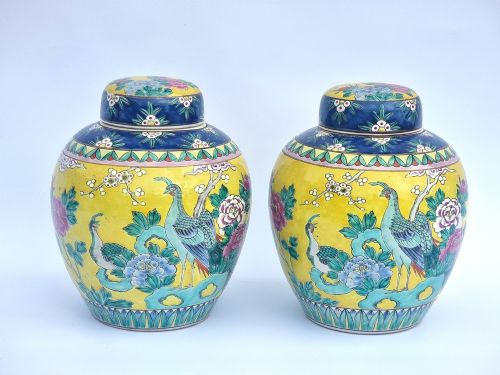
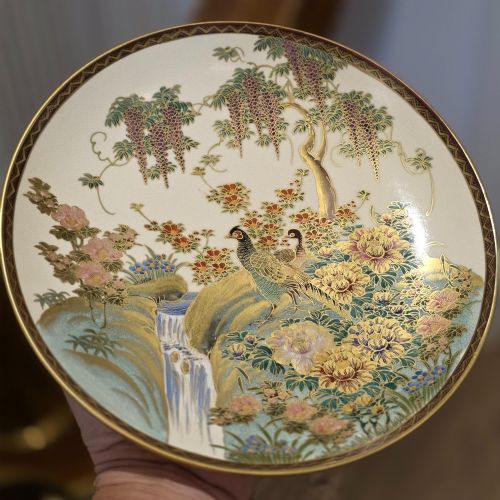
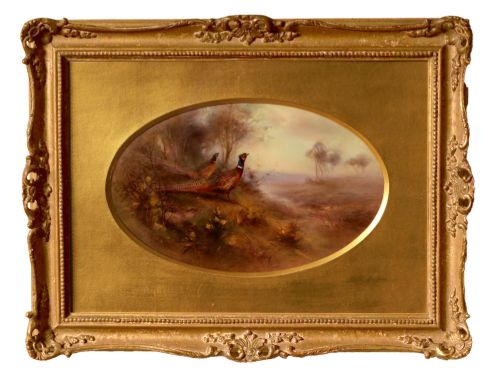
When you search for pheasant painted porcelain, you encounter ceramic objects decorated with detailed bird motifs across several periods. The selection on this page ranges from Regency jugs to Edwardian vases and cabinet plates.
You are most likely to meet Royal Worcester pieces decorated by James Stinton, alongside Satsuma wares and Chinese export ceramics. These works take the form of vases, wall art plaques, bowls, and pot pourri urns.
The objects cross multiple historical styles including Meiji and Qing periods, 19th Century French designs, and Edwardian British manufacturing. Each form serves primarily as a decorative display piece rather than utilitarian tableware.
Materials and Manufacture
The makers formed these pieces using porcelain and earthenware bodies, shaped into vessels, plaques, and decorative figures. Enamel paints were applied by hand to capture the plumage of the birds before firing.
Gold leaf and gilding were frequently added to borders, handles, and rims to accent the painted ceramic scenes. Some items also incorporate glass or gilt wood mounts as part of their overall construction.
Pheasant Painted Porcelain Retail Price Guide 2026
Typical asking prices for pheasant painted porcelain among the pieces listed under this phrase on Sellingantiques today, from the lower quarter to the upper quarter. They describe what is for sale here now, not the wider market.
The periods represented span 1900, 1910, 1920, 1930, Regency, 19th Century, and Edwardian eras.
Assessing Quality
Quality rests upon the precision and realism of the hand-painted pheasant motifs, particularly in the brushwork of the feathers. Works signed by known artists like James Stinton demonstrate superior pictorial detail.
The crispness of the porcelain body and the richness of the gilding further distinguish the finer pieces. Condition of the enamel paint and the preservation of any gold leaf finish determine the overall standing of an item.
James Stinton·Koshida·Royal Worcester·Chamberlain Worcester·Samson
The Pheasant Painted Porcelain Glossary
- Cabinet Plate
- A decorative plate intended for display in a cabinet rather than for dining use. These often feature detailed pictorial scenes.
- Gilding
- The application of gold leaf or gold powder to the surface of porcelain or wood. This technique adds metallic highlights to rims and handles.
- Pot Pourri
- A vessel designed to hold dried scented plant material, featuring a pierced or perforated lid to release fragrance. These often take the form of elaborate urns.
- Enamel
- A decorative glass-like substance fused to the porcelain body through firing. It provides the vibrant colours seen in the bird motifs.
Pheasant Painted Porcelain: Frequently Asked Questions
How do I clean pheasant painted porcelain?
Dust these items gently with a soft, dry brush to protect the delicate enamel and gilding.
Avoid using water, chemical cleaners, or abrasive cloths that can damage the hand-painted surface.
Are these pieces signed?
Many of the porcelain plaques and vases carry artist signatures or factory backstamps on the underside.
Signatures from painters like James Stinton add specific attribution to British factory items.
Where were these items made?
The pieces originate from various ceramic manufacturing centres in Britain, Europe, and Asia.
British factories such as Worcester are common, alongside Satsuma and Chinese export kilns.
Can I use these vases for fresh flowers?
Most of these decorative vessels are intended for display rather than holding water and stems.
Using them for floral arrangements risks moisture damage to the interior body and antique glazes.