





Edwardian Porcelain Pot Pourri
Edwardian porcelain pot pourri vessels are scented ceramic jars and urns designed to hold dried flowers, bringing subtle fragrance and refined display to a room.
Edwardian Porcelain Pot Pourri
When you search for edwardian porcelain pot pourri, you encounter decorative jars, vases, and urns created to hold fragrant dried plant materials. The pieces seen on this page span the Edwardian era, alongside a few items dated into the nineteen twenties and nineteen forties.
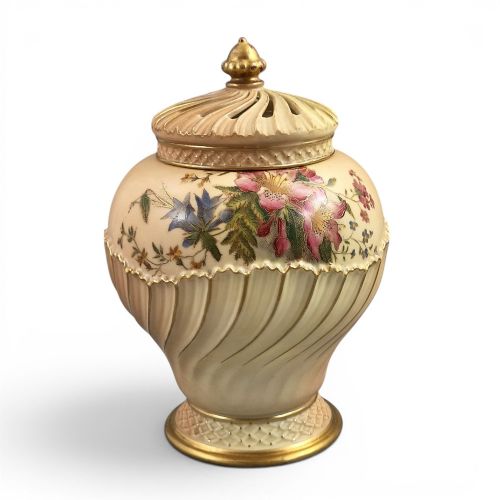
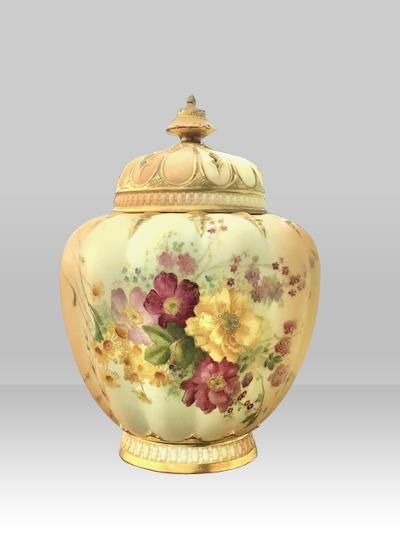
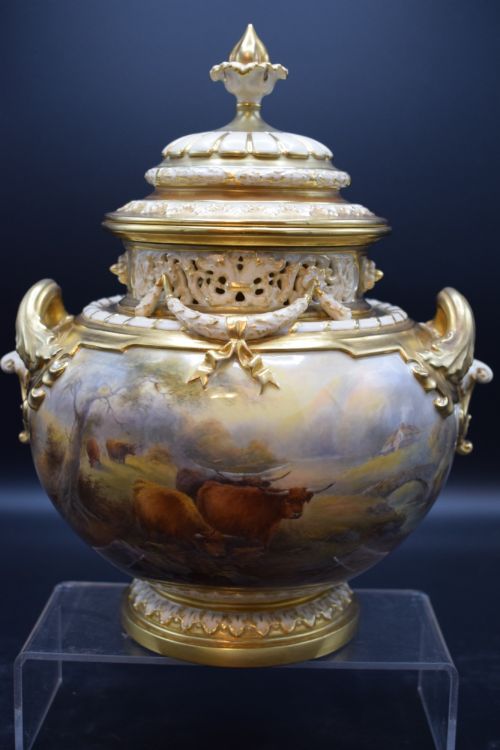
The forms range from pedestal vases to covered jars and vessels designed with pierced or reticulated lids to release scent. Most examples recorded here take the form of decorative urns or pot pourri jars.
The aesthetic bridges late Victorian tastes and the lighter Edwardian decorative schemes. These objects served a dual purpose of interior decoration and room freshening in domestic spaces.
How they were made
The physical construction relies on porcelain bodies shaped into jars, vases, and urns. Pot pourri vessels often incorporate pierced covers or inner lids to allow the release of enclosed aromas.
Surface decoration frequently employs blush ivory finishes, enamel painting, and gilding with gold leaf or gilt. Hand-painted natural motifs, including swans and landscape scenes, appear across the decorated surfaces.
Edwardian Porcelain Pot Pourri Retail Price Guide 2026
Typical asking prices for edwardian porcelain pot pourri among the pieces listed under this phrase on Sellingantiques today, from the lower quarter to the upper quarter. They describe what is for sale here now, not the wider market.
Materials recorded across these decorative jars and urns include porcelain, enamel, gilding, gold leaf, and gilt.
What varies in quality
Quality differences emerge in the complexity of the painted subject matter and the skill of the artist. Hand-painted scenes by known painters command greater artistic interest than standard transfer-printed patterns.
The finesse of the porcelain body and the crispness of any pierced or gilded detailing define the finer end of the range. Preservation of the original blush ivory ground and gilding remains a key indicator of condition.
Royal Worcester
The Edwardian Porcelain Pot Pourri Glossary
- Blush ivory
- A matte cream porcelain ground developed to simulate ivory, often tinted with soft pink and green tones. This finish forms the background for many painted floral and animal designs.
- Pot pourri
- A mixture of dried petals and spices placed inside a vessel to perfume the air. The container requires a pierced lid to let the fragrance diffuse.
- Gilding
- The application of gold leaf or gilt onto the porcelain surface to highlight rims, handles, and decorative borders. It adds a metallic contrast to the painted ceramic.
- Reticulated
- Pierced or openwork patterning on ceramic covers that allows scent to escape from the pot pourri jar within. This technique requires careful cutting before firing.
- Urn
- A decorative vase shape with a rounded body, often raised on a pedestal base. These vessels function as substantial display pieces in domestic interiors.
Edwardian Porcelain Pot Pourri: Frequently Asked Questions
What is an edwardian porcelain pot pourri?
An edwardian porcelain pot pourri is a ceramic jar, vase, or urn produced during the early twentieth century to hold scented dried flowers. These vessels feature pierced covers designed to release fragrance into living spaces.
The form combines practical utility with decorative painting, often displaying blush ivory grounds and hand-painted motifs. They were standard ornaments in Edwardian drawing rooms and parlours.
How were pot pourri jars used?
These jars were filled with a mixture of dried petals, spices, and essential oils to freshen indoor air during periods when modern synthetic air fresheners did not exist. The pierced lids allowed the scent to disperse gradually.
Aside from their aromatic function, they served as prominent ornamental items on mantelpieces, side tables, and pedestals. Owners curated them as much for their painted decoration as for their scent.
What styles define edwardian porcelain?
Edwardian porcelain bridges the ornate tendencies of late Victorian design and lighter, more refined early twentieth-century tastes. Pieces frequently utilise blush ivory finishes paired with delicate enamel painting and gilding.
Motifs range from pastoral landscapes and birds to detailed floral studies. The overall visual effect prioritises soft pastel palettes and elegant ceramic forms.
Are these pieces painted by hand?
Many examples feature hand-painted artwork created by notable studio artists working during the period. These painted scenes often depict birds, natural landscapes, or delicate floral compositions.
The presence of artist signatures on the porcelain indicates individual hand-painted execution rather than mass-produced transfer printing. Such pieces represent the more decorative end of the ceramic output.