





Pewter Metalware Plate
Pewter metalware plate selections bring understated historical presence to a room, offering tactile early metalwork crafted for domestic and display use.
Pewter Metalware Plate
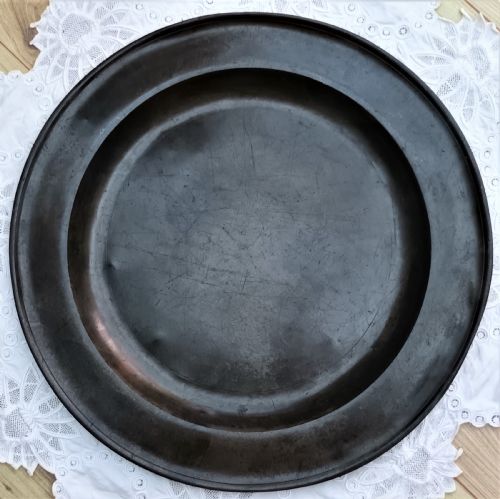
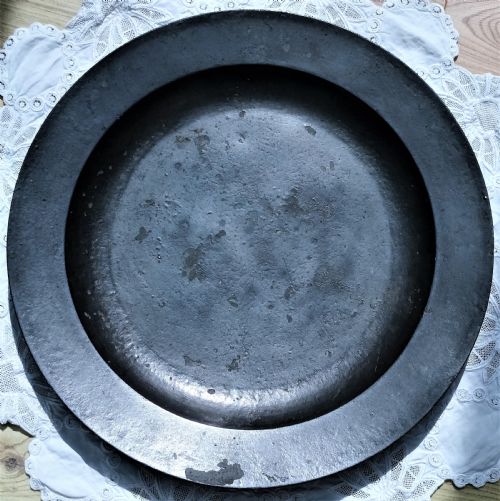
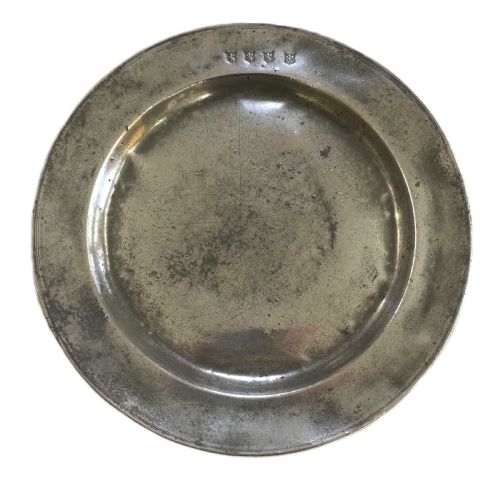
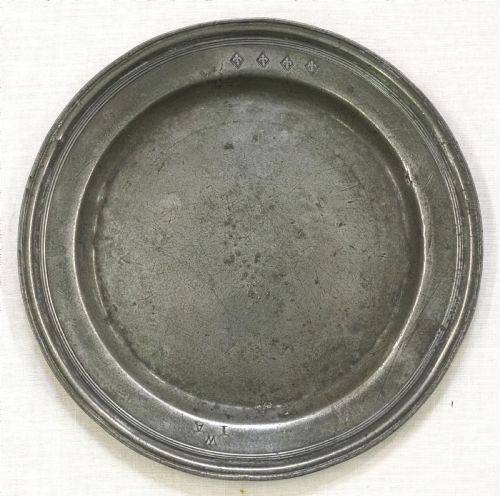
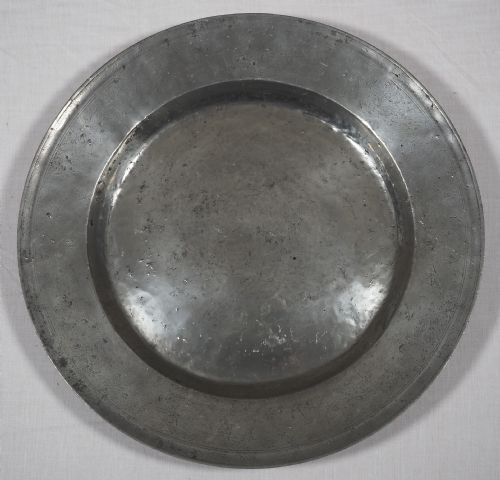
When you search for pewter metalware plate, you encounter domestic vessels spanning from the seventeenth century through the Georgian era and into the twentieth century. These items include plain rim plates, broad rim chargers, multi-reeeded dishes, and silvered candelabra.
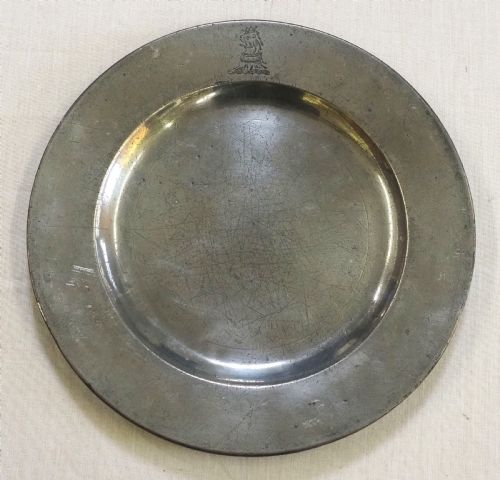
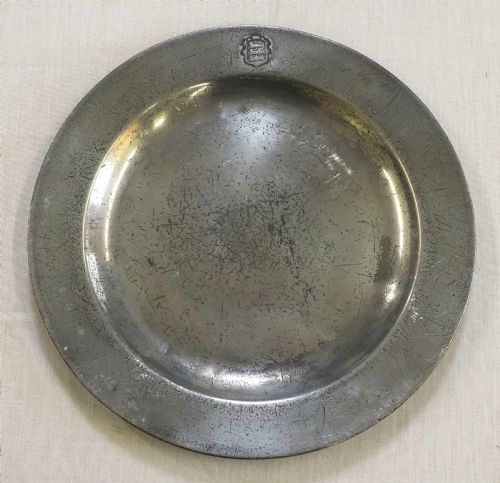
The English tradition dominates the selection, featuring pieces from the Stuart, Charles II, and Georgian periods alongside continental European examples and Art Nouveau designs. Collectors find both smaller dining plates and large display chargers bearing family crests, coats of arms, or maker touchmarks.
How they were made
Metalworkers shaped these objects using standard alloy compositions of tin alloyed with lead or copper, beaten on hammers and turned on lathes to achieve the finished profile. Surface treatments range from plain polished metal to hammered finishes and silvered pewter applications.
Detailing on rims required specialised turning tools to cut single, multiple, or triple reed patterns and incised lines directly into the metal body. Makers applied touchmarks and hallmarks to identify the workshop or guild standard.
Listings feature items spanning the seventeenth, eighteenth, and twentieth centuries, including Georgian and Art Nouveau styles.
What varies in quality
Quality rests upon the crispness of the original touchmarks, the preservation of broad rims and reeded edges, and the integrity of hammered surfaces. Pieces retain higher standing when touchmarks remain legible and metal thickness stays uniform across the plate basin.
Engraved heraldry, crests, and coats of arms executed with sharp precision elevate certain examples above standard utilitarian ware. The balance between weight and diameter dictates how well a charger or plate holds its form over centuries.
John Duncomb·Samuel Smith·James Spackman·Wood & Michell·John Trapp II·Robert Moulins II·Thomas Templeman·Lawrence Dyer·Thomas Haward·Edward Leapidge·William Box·John Hulls·WMF
The Pewter Metalware Plate Glossary
- Charger
- A large ornamental or serving plate, typically exceeding sixteen inches in diameter. These substantial pieces frequently display family crests and served functional roles at dining tables.
- Touchmark
- An identifying stamp or hallmark struck into the metal by the maker or guild. These small impressions record the workshop origin and compliance with metal purity standards.
- Broad rim
- A wide, flat outer margin characteristic of seventeenth-century plates and chargers. This expansive surface often bears engraved armorial bearings or incised decorative lines.
- Reeded
- Decorated with parallel raised mouldings or grooves around the rim. Makers utilised single, multiple, or triple reeding to frame the central well of the dish.
- Silvered pewter
- A finished surface treatment applied to later items, such as twentieth-century Art Nouveau pieces, to give a bright silver sheen over the base metal alloy.
Pewter Metalware Plate: Frequently Asked Questions
What is a pewter charger?
A charger is a large plate used historically for serving food at communal tables or for display on sideboards. They measure significantly wider than standard dining plates.
Craftsmen produced them with substantial weight and broad rims to support heavy joints of meat during feasts.
How do I identify seventeenth-century plates?
Seventeenth-century examples typically feature broad flat rims, heavier gauge metal, and hand-hammered surfaces. They often display touchmarks associated with early English pewterers.
Makers of this era favoured plain or reeded borders rather than ornate decorative engraving.
What are touchmarks on pewter?
Touchmarks are small maker stamps pressed into the soft metal before the piece left the workshop. They functioned as signatures and guarantees of alloy quality.
Collectors examine these marks to trace the maker and approximate date of manufacture.
How do I clean old pewter?
Historical pewter develops a dark oxidation layer known as patina over centuries of exposure. Experts generally advise against aggressive polishing that removes this aged surface.
Gentle washing with mild soap and water removes surface dirt without harming the historic metal.