


Georgian Pewter Metalware
Georgian pewter metalware comprises historic alloy vessels and implements spanning the eighteenth and nineteenth centuries, prized for utilitarian elegance and rich metal surfaces.
Georgian Pewter Metalware
When you search for georgian pewter metalware, you encounter a diverse selection of historic alloy items spanning the eighteenth and nineteenth centuries, incorporating both English and European examples.
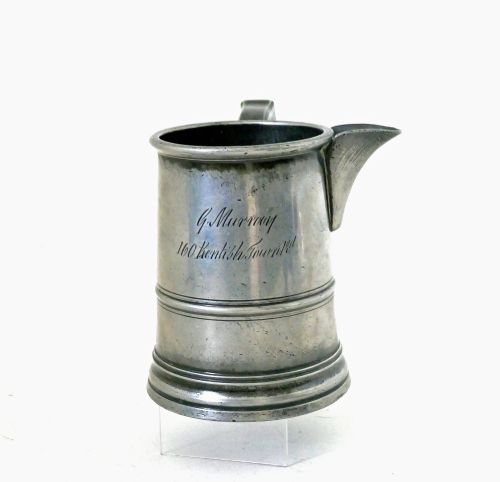
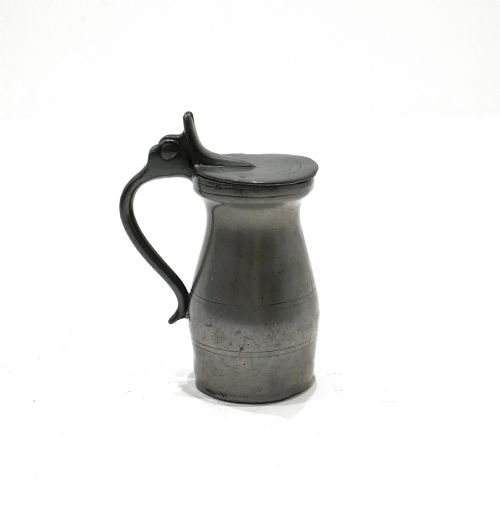
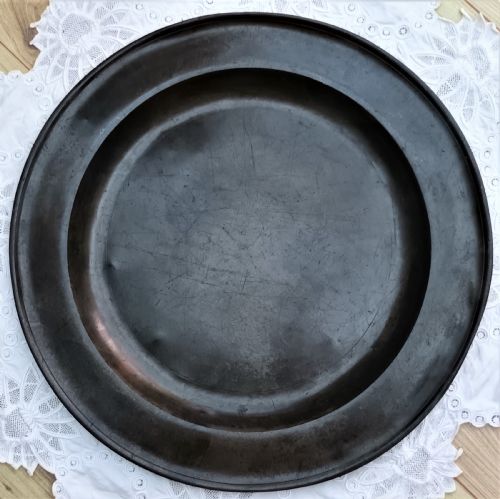
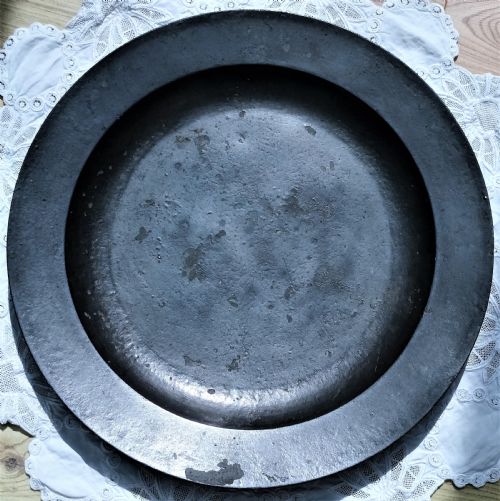
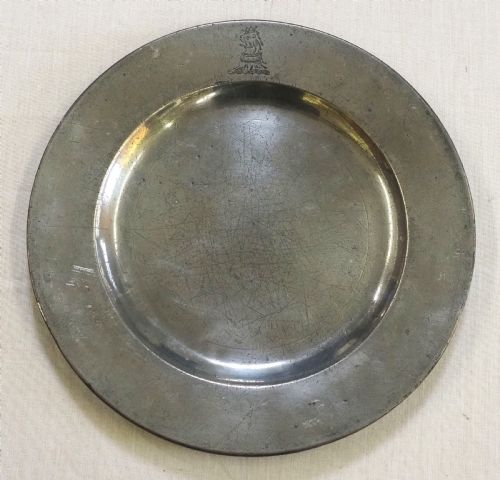
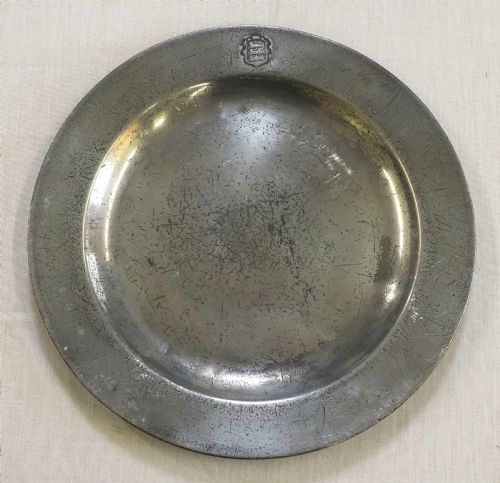
The objects represented on this page range from utilitarian vessels such as chargers, plates, and platters to drinking forms including flagons, ale jugs, spirit measures, and a chalice.
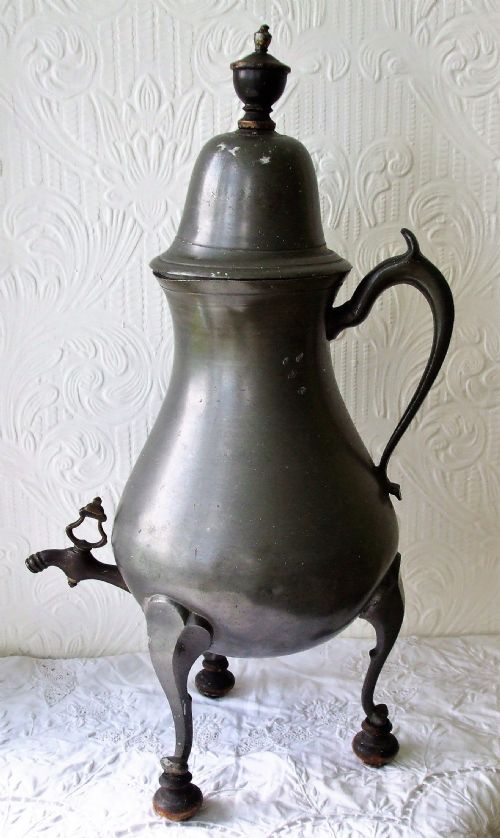
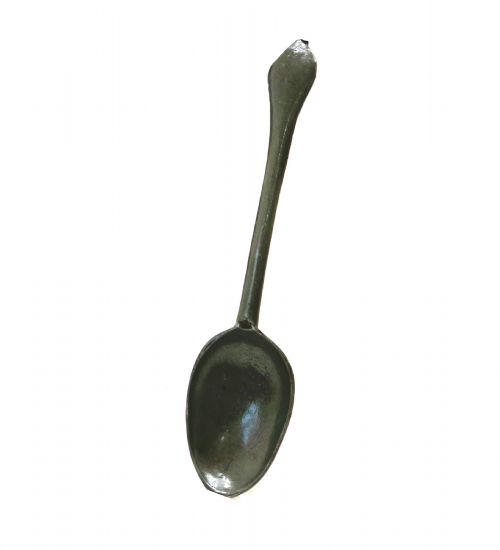
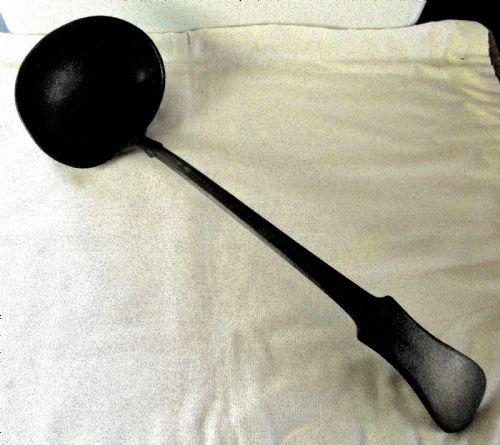
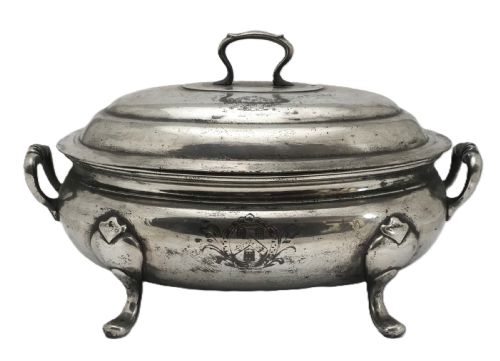
Additional functional domestic pieces include ladles, spoons, a coffee urn, and a tureen, reflecting the broad utility of the alloy in domestic and institutional settings.
How they were made
These items are fashioned primarily from pewter, a traditional metal alloy composed chiefly of tin combined with lead or copper, paired occasionally with wood elements.
Makers utilised casting and hammering techniques to shape the metal, finishing surfaces with engraving or incorporating applied coats of arms and crests.
An eighteenth-century pewter measure proudly bears the specific capacity title of a noggin.
What varies in quality
Distinction across the range rests upon the crispness of maker touchmarks, the depth and clarity of engraved heraldry, and the preservation of original surface patination.
Form proportion and the survival of uncommon specialised shapes, such as spired flagons or dog nose spoons, elevate specific pieces above standard domestic plates.
John Duncomb·Dixon & Son·Samuel Smith·James Spackman·Wood & Michell·Robert Iles·William Wright
The Georgian Pewter Metalware Glossary
- Pewter
- A malleable metal alloy consisting primarily of tin, used historically for tableware and domestic vessels. Its soft lustre darkens attractively with age.
- Charger
- A large ceremonial or dining plate, typically measuring over sixteen inches across. These prominent dishes formed the centrepiece of formal table settings.
- Flagons
- Large standing drinking vessels featuring lids and handles, utilised for serving ale or wine. Spire flagons possess a characteristic tapered lid construction.
- Spirit measure
- A standardised vessel designed for containing and dispensing measured quantities of alcohol. Examples include half gill and noggin capacities.
- Dog nose spoon
- An early dining implement featuring a notched, broadened terminal handle shape that succeeded trifid styles. This design dominated domestic eating habits around the turn of the eighteenth century.
- Tappit hen
- A traditional Scottish pewter drinking vessel featuring a distinctive lid and a thumbpiece, manufactured in specific volumetric capacities such as the Scot's pint.
Georgian Pewter Metalware: Frequently Asked Questions
What is georgian pewter metalware?
Georgian pewter metalware comprises domestic and ceremonial items cast from tin alloy during the eighteenth and nineteenth centuries.
These pieces encompass dining plates, drinking flagons, spoons, and measures produced by period metalsmiths.
How were these items used?
These alloy vessels served everyday dining and drinking functions within domestic households, taverns, and institutions.
Larger chargers decorated tables, while flagons and measures dispensed ales and spirits during meals.
How do I identify maker marks?
Maker marks, often termed touches, appear stamped directly into the metal surface of plates and flagons.
These small hallmarks frequently record the initials or full names of the pewterer alongside town associations.
How should I clean pewter?
Historic pewter requires minimal intervention to preserve the dark grey oxide layer accumulated over centuries.
Wash surfaces gently with warm soapy water and dry thoroughly, avoiding aggressive metal polishes that remove patination.