


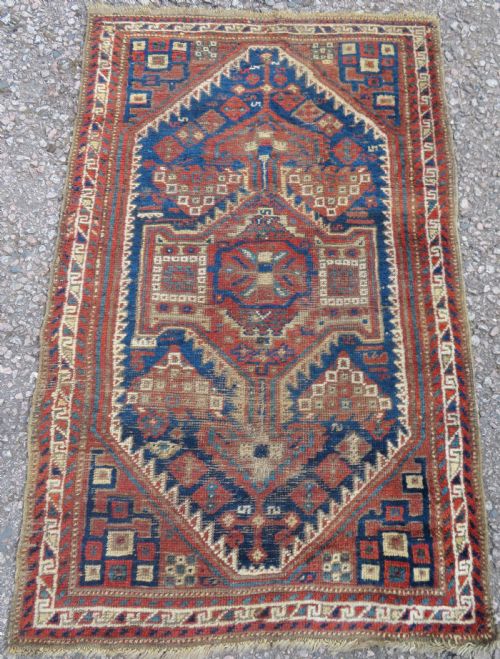
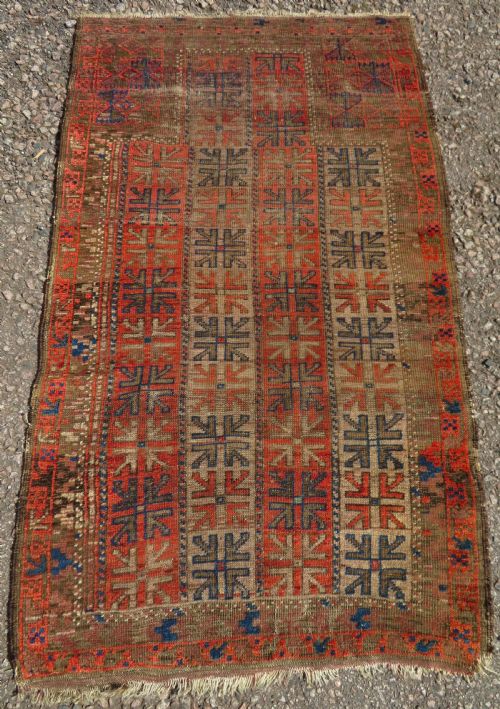
Persian Wool Mat
When you search for a persian wool mat, you are looking at hand-woven nomadic and village floor coverings made to endure.
Persian Wool Mat
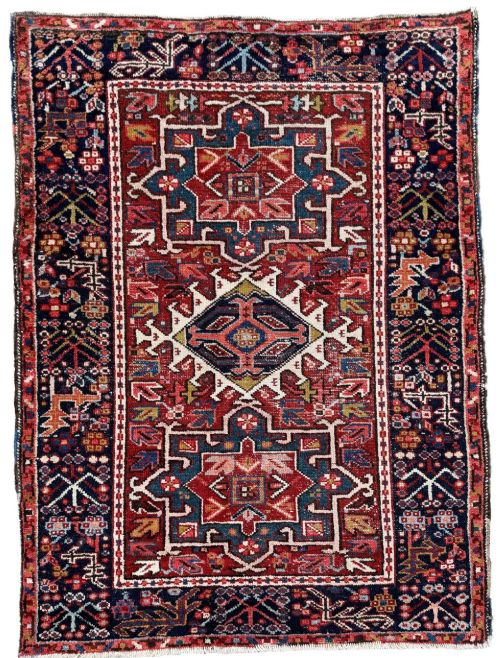
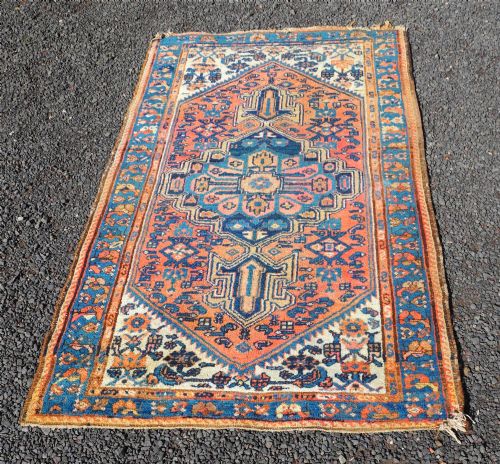
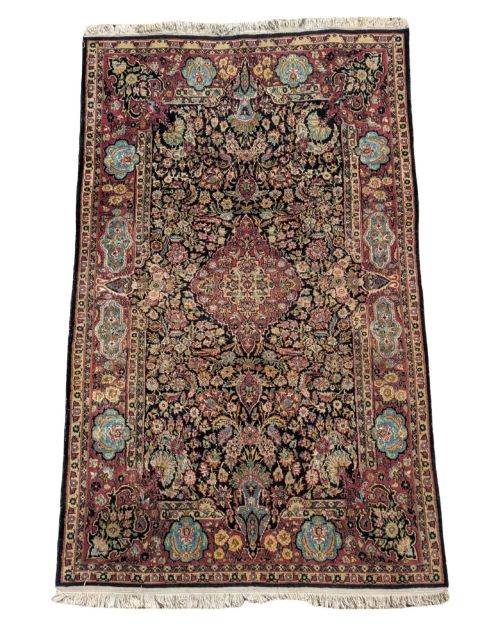
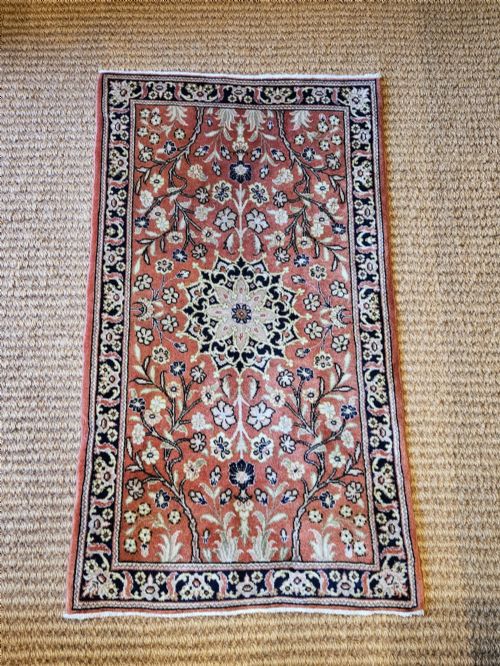
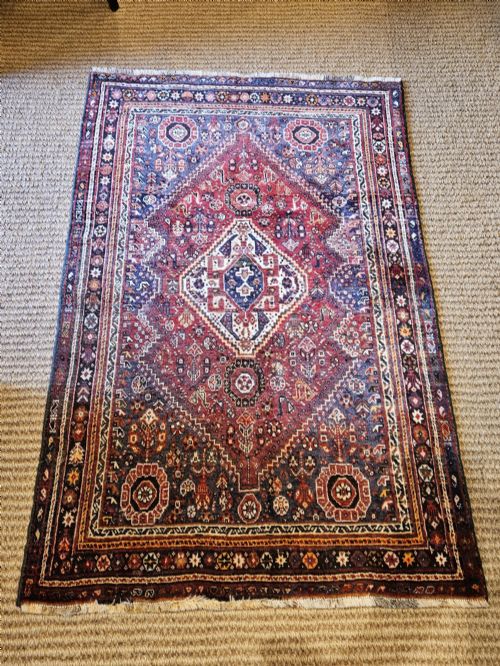
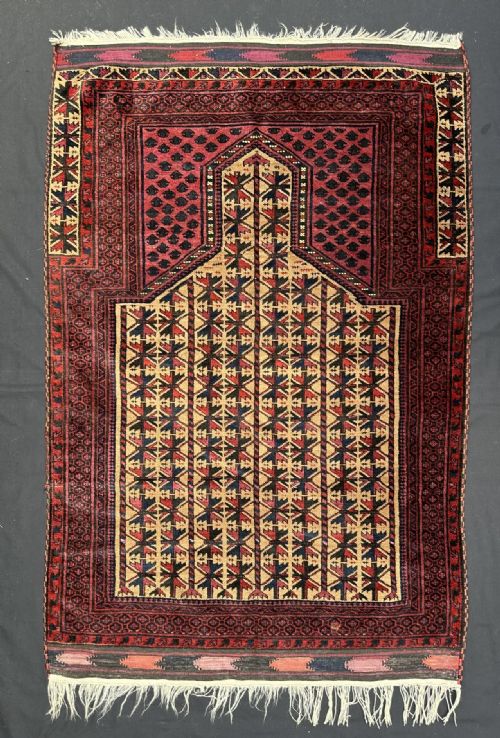
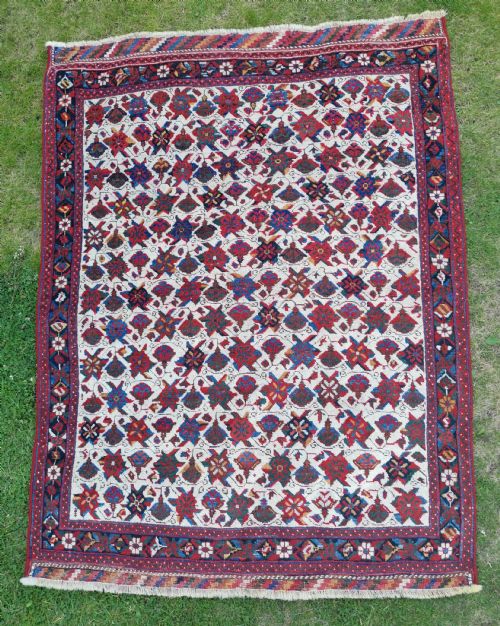
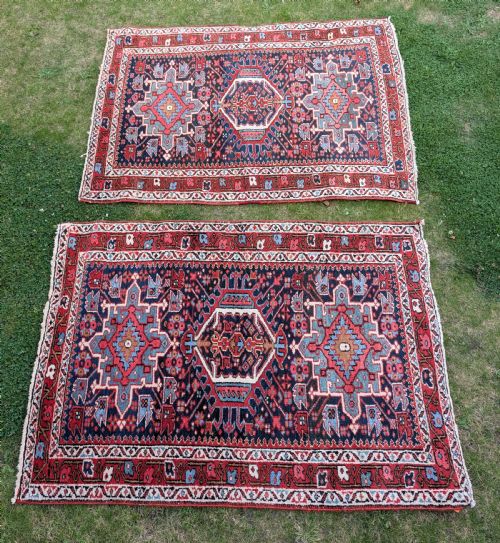
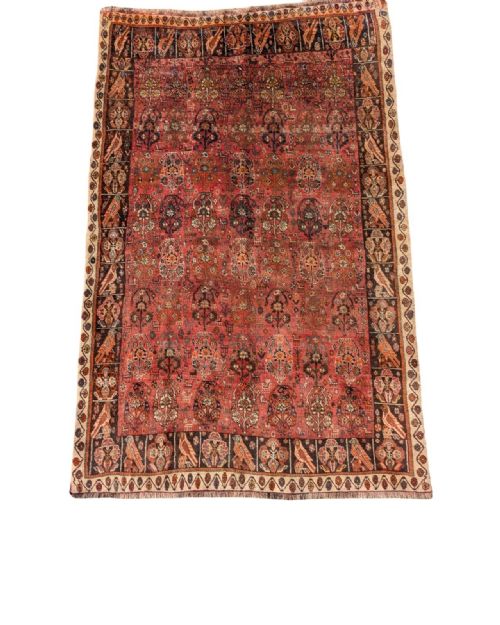
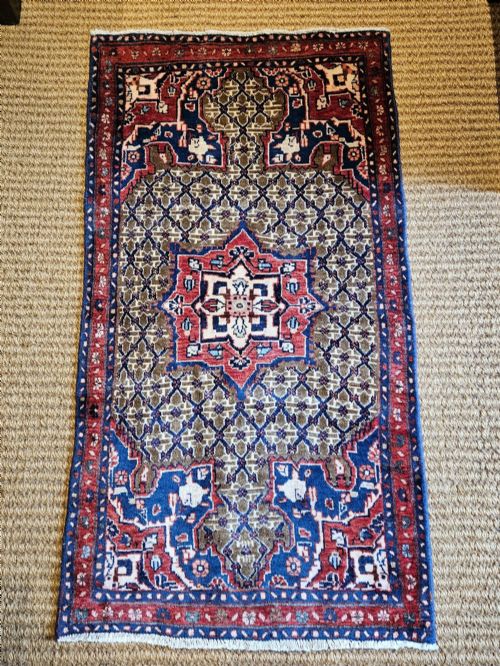
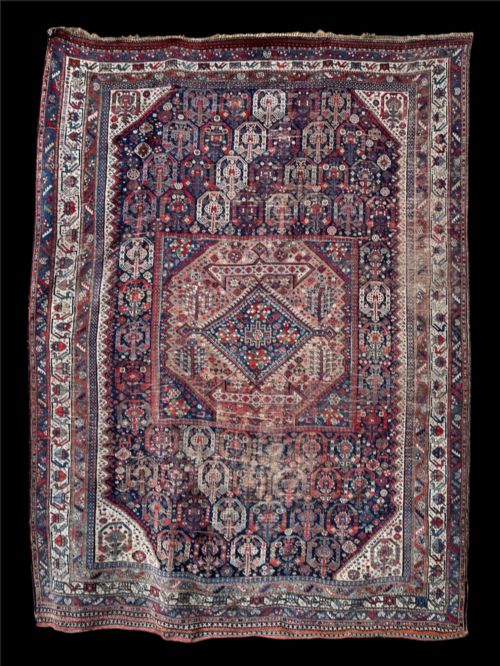
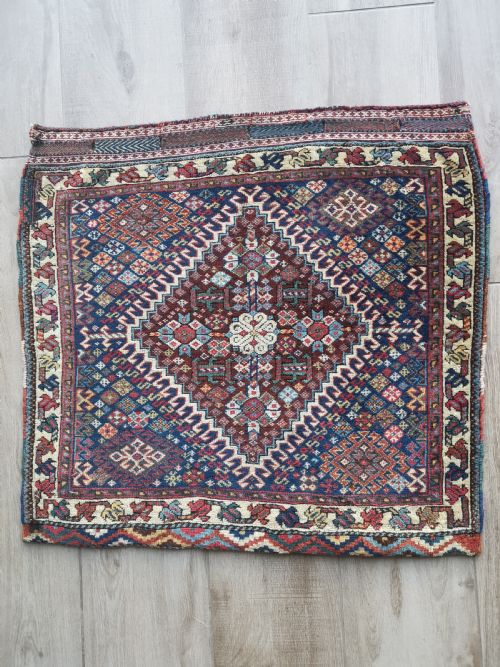
A persian wool mat encompasses small-format village and tribal floor coverings, hearth rugs, and prayer rugs originating from various regions and nomadic confederacies across Persia and its borderlands. You will frequently meet smaller formats such as hearth sizes, bagfaces, and village rugs dating from the late nineteenth century through to the early decades of the twentieth century. These textiles were produced primarily for domestic use, hospitality, or ritual purposes by weavers working within traditional tribal traditions.
The inventory on this page spans distinct regional types, including Baluch, Timuri, Afshar, Karaja, Hamadan, and Kashan productions. Formats range from compact prayer rugs designed with specific mihrab niches to utility pieces like sofreh and small carpets intended for daily floor use. Each piece carries the distinct geometric, floral, or tribal motifs native to the specific group or village workshop where it was knotted.
How they were made
These textiles rely on a foundation of spun cotton or wool warps and wefts, upon which hand-tied wool pile is meticulously knotted by hand. Certain finer urban or regional pieces incorporate occasional silk highlights to add contrast and texture to the dense wool pile structure.
Dyers utilised natural and early synthetic colourants to achieve rich hues of rust, indigo, and earthy tones derived from local plant and mineral sources. The structural integrity depends upon tightly packed hand-knotting and reinforced selvedges designed to withstand generations of foot traffic.
Materials across these listings are predominantly wool, supplemented by cotton foundations and occasional silk highlights in urban formats.
What varies in quality
The standard of a persian wool mat rests in the density of the knotting, the quality of the staple wool utilised, and the precision of the design execution. Tighter knots allow for sharper definition in geometric and floral motifs, reflecting the skill of the individual weaver or workshop.
Condition and originality also govern the standing of an individual piece, noting how well the pile, foundation, and original ends have survived over time. Greater clarity in natural dyes and balanced composition separate standard utilitarian items from exceptional collector examples.
The Persian Wool Mat Glossary
- Sofreh
- A flat-woven or pile-knotted spread used for kneading dough, sharing meals, or serving bread within nomadic and village households. These textiles often feature minimalist tribal symbols and practical formats.
- Prayer Rug
- A devotional textile featuring a central architectural niche, known as a mihrab, which indicates the direction of prayer. These mats were traditionally used for daily personal worship.
- Pile
- The upright yarn loops or cut ends that form the soft surface of a rug, providing both comfort and insulation. In these pieces, the pile is predominantly spun wool.
- Warp
- The vertical foundation threads stretched tightly on the loom before knotting begins. The visible fringes at either end of a finished rug are typically the extended warp threads.
- Mihrab
- The distinctive arched motif found on prayer rugs that represents the prayer niche in a mosque. Its orientation guided the user during daily devotions.
Persian Wool Mat: Frequently Asked Questions
How do I clean a wool mat?
Gentle surface brushing and regular light vacuuming without a rotating beater bar help maintain wool pile without stressing the antique foundation fibres.
Professional textile conservators should handle deeper washes to prevent dye bleed or shrinkage in older pieces.
Where were these rugs made?
Weavers produced these textiles across Persian tribal regions, village workshops, and the borderlands shared with Afghanistan.
Specific nomadic confederacies and regional centres such as Khamseh, Afshar, and Karaja developed distinct design vocabularies.
Can I use these on the floor?
These functional textiles were originally constructed for heavy domestic use, making them durable enough for moderate walking areas.
Placing a breathable, non-slip underlay beneath the rug prevents sliding and cushions the historic wool foundation against hard floors.
How do I identify tribal designs?
Tribal designs typically feature repeating geometric medallions, stylised animals, and bold border guards passed down through generations of makers.
Urban workshop pieces contrast with these nomadic styles through complex floral sprays, curved vines, and central medallion formats.