





Persian Panel Carpet
These persian panel carpet examples bring structured garden motifs and compartment layouts into interiors through enduring regional weaving traditions.
Persian Panel Carpet
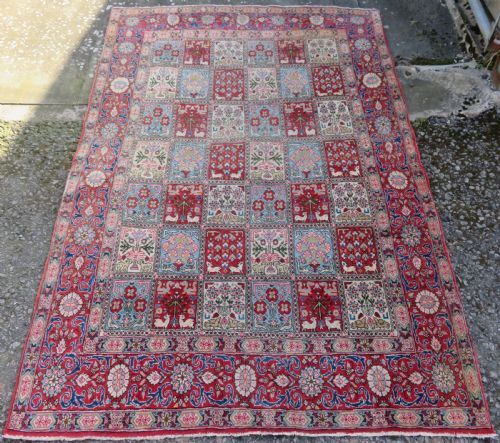
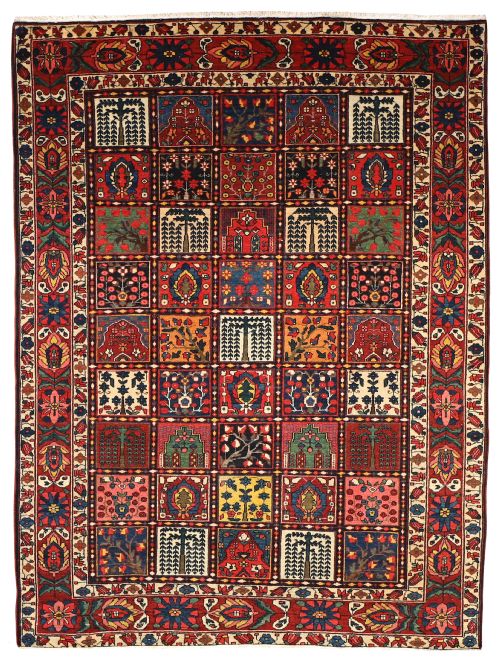
A persian panel carpet organises its surface into distinct geometric compartments, tile patterns or garden layouts, reflecting traditional regional weaving designs. These textiles emerge primarily across the nineteenth and early twentieth centuries, spanning from eighteen-seventy through to nineteen-forty.
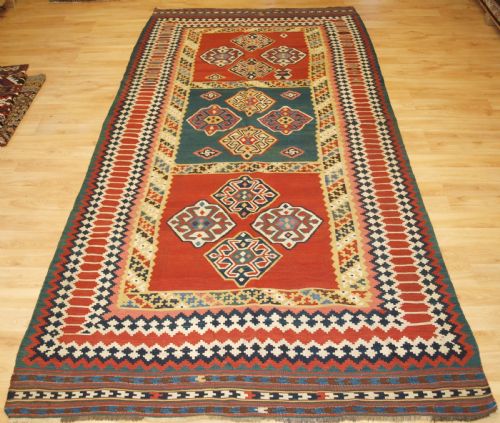
The objects on this page encompass rugs, carpets, area rugs, tribal textiles and bag faces displaying compartment and tile arrangements. Pieces frequently align with Bakhtiari, Kirman, Qum, Shahsavan and Qashqai traditions, alongside related Anatolian and Bohemian interpretations.
Buyers seeking a persian panel carpet want a textile that structures a room through repeating motifs and organised geometrical compartmentalisation. These floor coverings and wall elements anchor spaces with historical patterns handed down across generations of weavers.
What varies in quality
The refinement of a persian panel carpet depends upon the precision of its compartment geometry and the crispness of its tile divisions. Tighter knot counts and more complex structural layouts separate finer examples from simpler utilitarian weaves.
Colour saturation and the complexity of natural dye variations dictate the visual depth across individual panels. Superior pieces display harmonious shifts in tone across vegetable-dyed wool sections, maintaining clarity within every compartment.
Some nineteenth-century tribal weavers tucked tiny protective bird and dragon motifs inside rigid garden tiles to outsmart evil spirits.
The Persian Panel Carpet Glossary
- Compartment design
- A surface layout divided into distinct geometric squares, rectangles or tile motifs. This arrangement forms the primary visual structure of panel carpets.
- Soumak technique
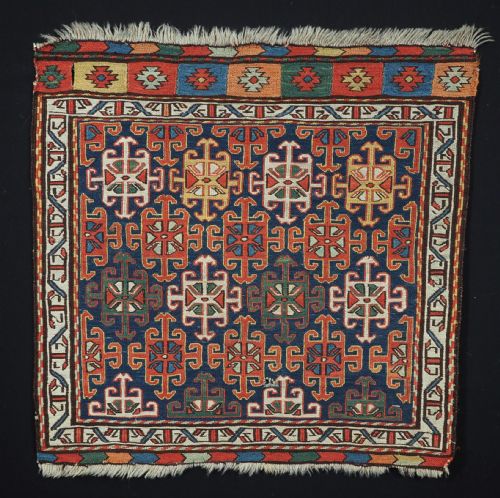
- A flatweave method where decorative weft threads wrap around warp threads in a continuous sequence. This produces a textured, durable surface often found on bag faces and tribal textiles.
- Vegetable dyes
- Colourants derived from plant roots, leaves and barks used to dye wool prior to weaving. These materials yield rich, complex tones that age gradually over time.
- Gabbeh
- A coarsely knotted, thick pile rug traditionally woven by tribal groups. These pieces feature minimalist designs with broad fields of colour.
- Bag face
- The front panel of a utilitarian nomadic storage bag, preserved and collected as an independent textile. These items display condensed versions of larger carpet motifs.
Persian Panel Carpet: Frequently Asked Questions
What is a persian panel carpet?
A persian panel carpet is a woven textile divided into geometric compartments, tile patterns or garden motifs. These designs draw from regional traditions such as Bakhtiari and Kirman weaving.
Each compartment typically contains floral, animal or abstract symbols arranged in an orderly grid system. This structure creates a distinct architectural layout on the floor.
How do I clean a panel carpet?
Maintenance requires gentle vacuuming without a rotating brush to protect the hand-spun wool pile. Professional specialist cleaning remains essential for addressing deep dirt safely.
Water and harsh chemical detergents damage natural vegetable dyes. Immediate blotting with a dry cloth handles accidental spills effectively.
Where were these carpets made?
These textiles originate from various Persian regions, including Bakhtiari territories, Kirman and Qum workshops. Tribal groups like the Shahsavan and Qashqai also produced compartment and tile design pieces.
Certain examples reflect Anatolian or Bohemian interpretations influenced by these traditional Persian formats. Each origin imparts specific structural and chromatic traits.
How do I date an antique carpet?
Dating relies on examining material wear, the composition of the wool and the chemistry of the dyes. Hand-spun wool and specific vegetable dye palettes often point towards nineteenth or early twentieth-century origins.
Structural knots and border styles provide further clues when compared against documented tribal and workshop weaving timelines. Experts analyse these combined physical attributes to establish estimated periods.
Can I use these rugs on heated floors?
Natural materials like wool and cotton tolerate moderate underfloor heating when paired with a breathable underlay. Excessive direct heat dries out natural fibres and foundation threads over time.
Monitoring temperature prevents cumulative stress on antique vegetable-dyed foundations. Proper rug placement allows adequate airflow across the floor surface.