


Period Oak Occasional Table
A period oak occasional table brings robust timber and centuries of domestic utility directly into a modern room.
Period Oak Occasional Table
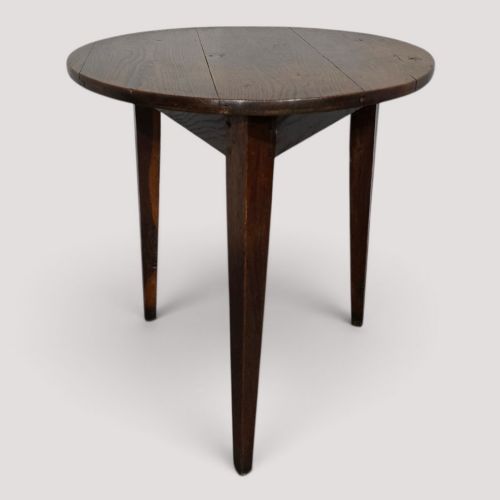
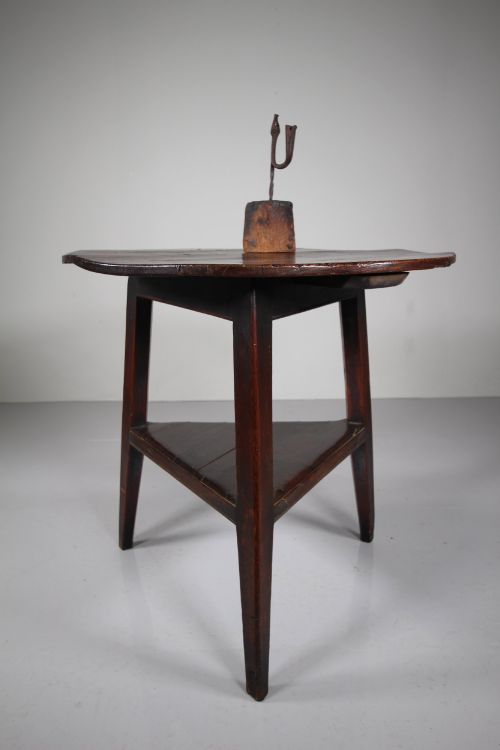
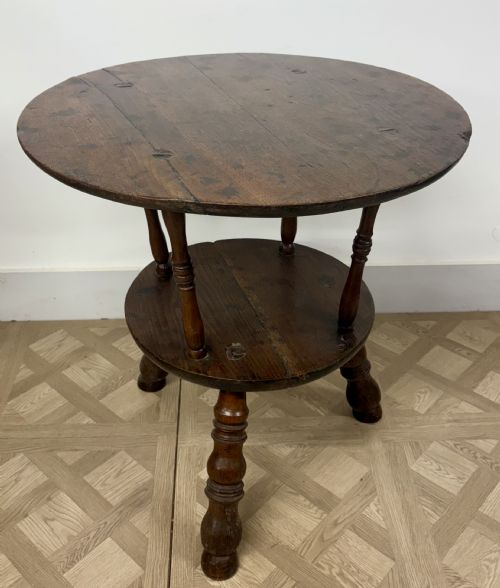
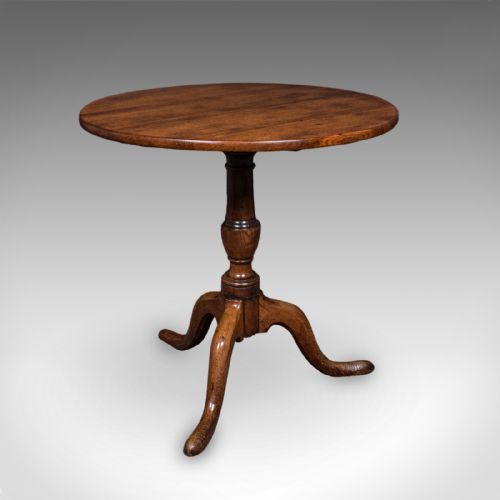
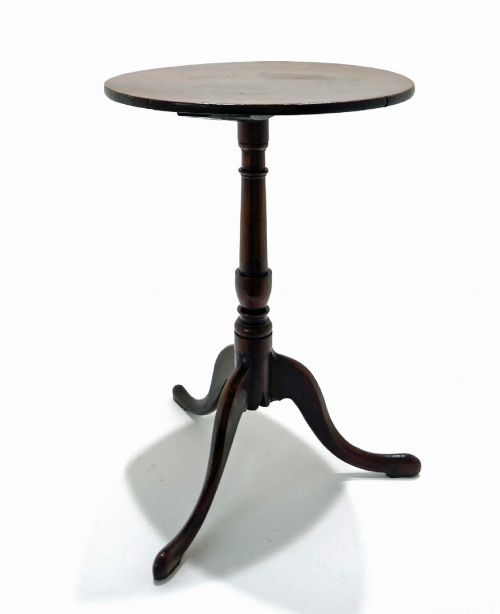
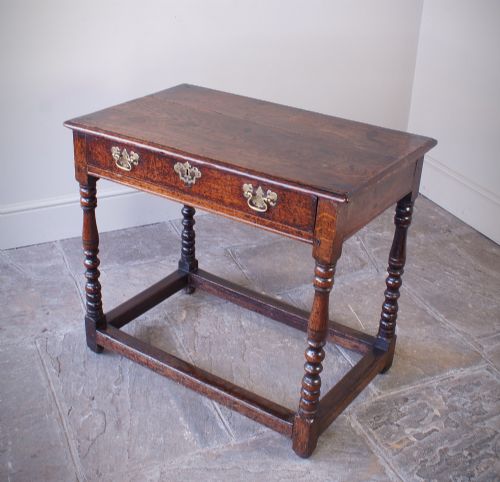
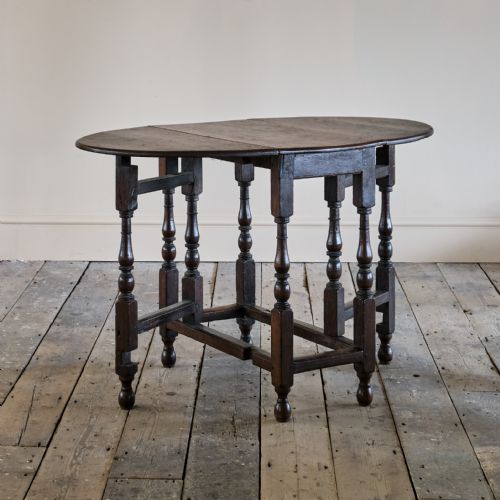
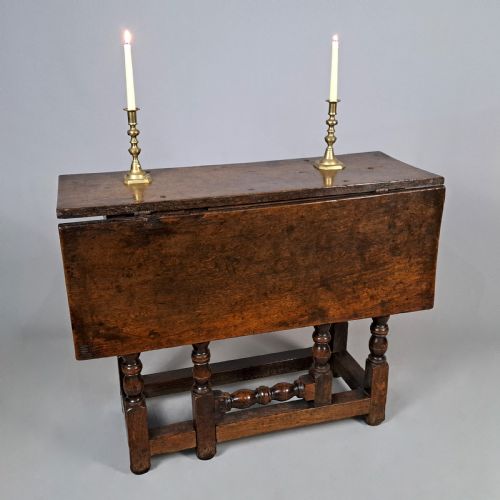
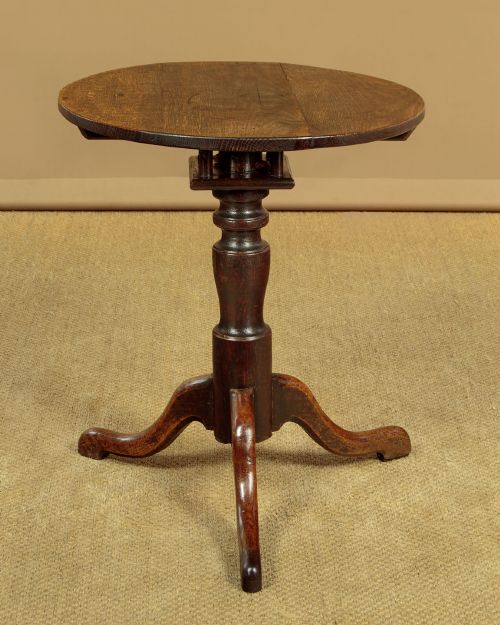
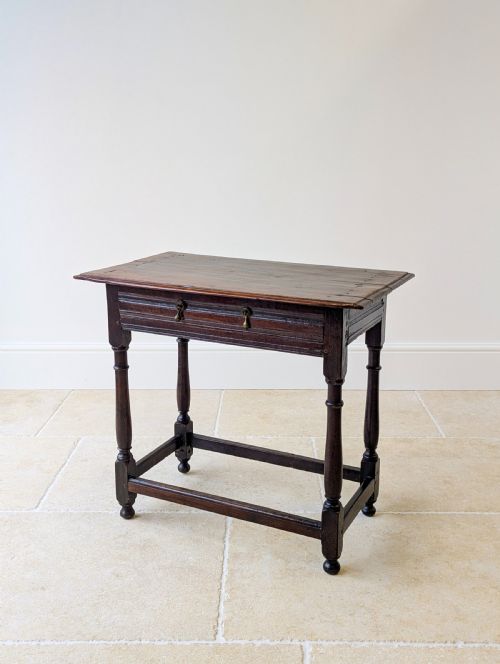
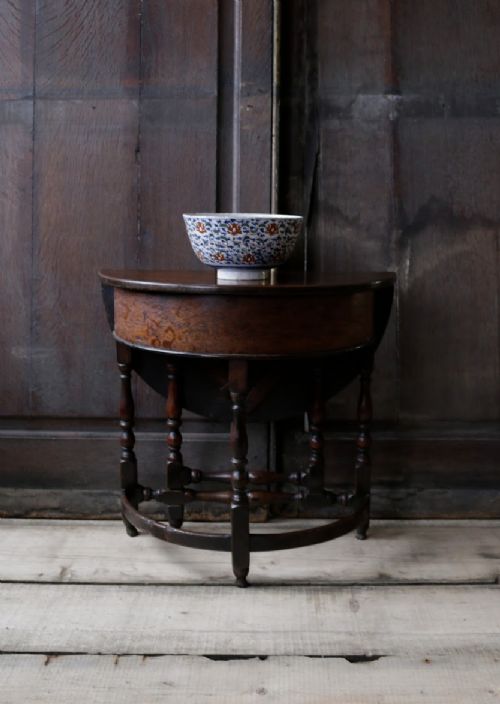
A period oak occasional table encompasses a range of compact surfaces used for serving, writing, or resting objects in past households. When searching for a period oak occasional table, buyers encounter diverse forms including cricket tables, tripod tables, gateleg tables, and lowboys.
The selection leans heavily towards 17th-century and 18th-century examples alongside Georgian vernacular pieces. These heavier, sturdy tables reflect regional British craftsmanship and enduring domestic utility.
Side tables and lamp tables dominate the formats, offering practical proportions for contemporary spaces. Simpler country house designs appear frequently alongside turned-leg formats.
How they were made
Makers utilised solid oak supplemented by secondary native timbers such as beech, elm, and ash for structural elements and legs. Joinery relied on traditional pegged mortise and tenon joints to withstand heavy daily use.
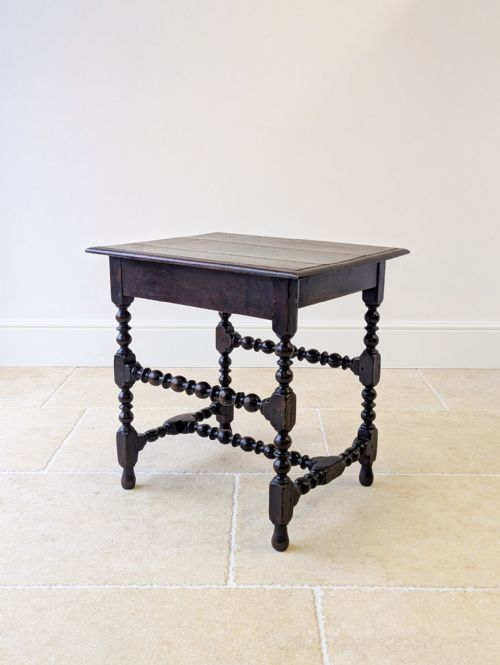
Turnery played a central role in shaping legs and supports, demonstrated by bobbin-turned or slender column configurations. Tops were fashioned from thick oak boards, sometimes arranged as tilt-top mechanisms or drop-leaf constructions with iron or brass hinges.
Some seventeenth-century gateleg tables are so compact they could easily double as sturdy footstools for a very confident giant.
What varies in quality
The integrity of the timber surfaces and the honesty of the construction dictate the standing of an individual piece. Retaining original structural components and untouched surface patination elevates an example above heavily restored alternatives.
Proportion and the sophistication of the turnery distinguish standard regional work from finer workshop production. Subtleties in edge moulding and the balanced slenderness of tripod columns separate robust utility furniture from more refined pieces.
The Period Oak Occasional Table Glossary
- Cricket table
- A small three-legged table with a triangular top, traditionally used in vernacular settings. The design provides stability on uneven floors.
- Lowboy
- A small oak table featuring drawers, commonly used as a dressing or writing surface. These low tables often display finely turned legs and shaped aprons.
- Gateleg table
- A drop-leaf table where hinged legs swing outward to support the folding leaves. This clever mechanism allowed tables to expand for dining and fold flat against walls.
- Bobbin-turned
- A style of woodturning characterised by repeated spherical or disk-like shapes resembling bobbins on a thread. This decorative technique appears frequently on seventeenth-century supports.
- Tilt-top table
- A pedestal table featuring a hinged top that pivots vertically for compact storage. These clever mechanisms allowed tables to be tucked against perimeter walls when not in use.
Period Oak Occasional Table: Frequently Asked Questions
How do I use a lowboy today?
A lowboy functions effectively as a compact hallway console, a bedside stand, or a dressing table. Its modest footprint and integrated drawers accommodate modern storage needs without dominating a room.
Position the table against a wall beneath a mirror or artwork to showcase its timber grain. The shallow drawers suit correspondence, keys, or small personal items.
What is a cricket table?
A cricket table is a small round or triangular table supported by three splayed legs. This clever three-legged construction ensures the table remains stable on uneven flagstone floors.
Historical examples served various utility purposes in domestic quarters. Their compact circular tops make them ideal as bedside surfaces or chairside tables.
How do I distinguish seventeenth and eighteenth-century styles?
Seventeenth-century pieces typically feature darker timber, heavier framing, and pronounced turnery such as bobbin or spiral legs. Joinery is robust and unpretentious.
Eighteenth-century examples often display lighter timber tones, slender proportions, and refined elements like tripod pedestals. Vernacular pieces from this later era retain regional character while offering more graceful profiles.
Can I place an antique oak table near a radiator?
Solid oak furniture reacts poorly to sudden temperature shifts and dry artificial heat. Placing timber pieces too close to radiators or heat sources causes the wood to dry out, warp, or split.
Keep tables away from direct thermal drafts and maintain consistent room humidity. Regular application of suitable wax preserves the natural moisture and patination of the surface.