

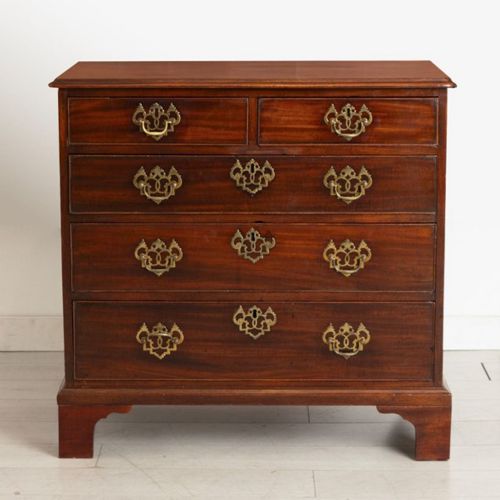

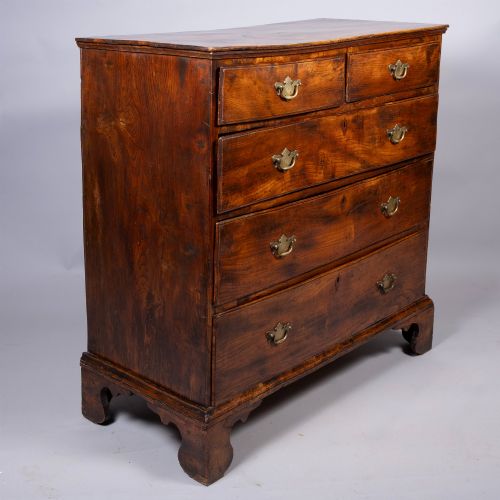
Period Oak Commode
These period oak commode pieces offer solid timber construction and honest storage, built to last centuries in any interior.
What a period oak commode is
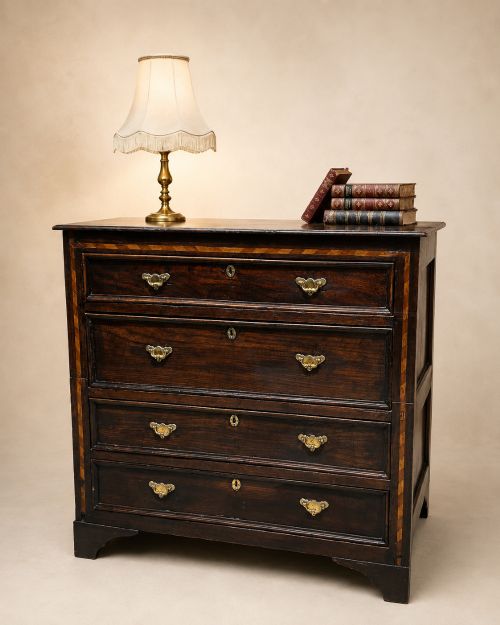
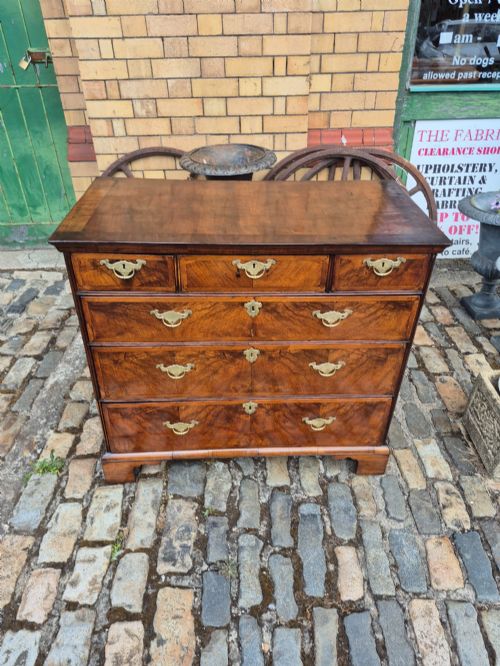
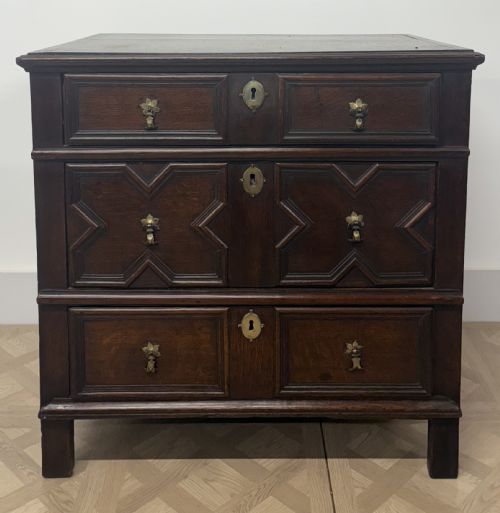
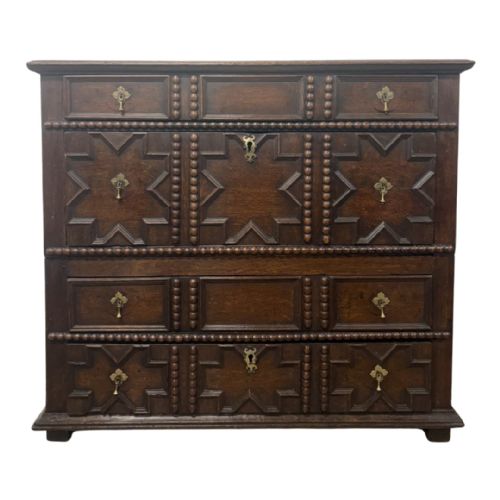
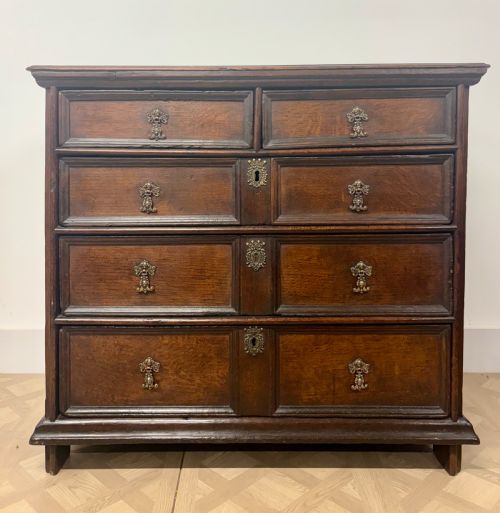
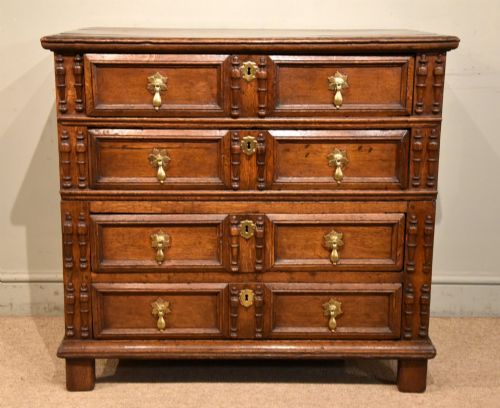
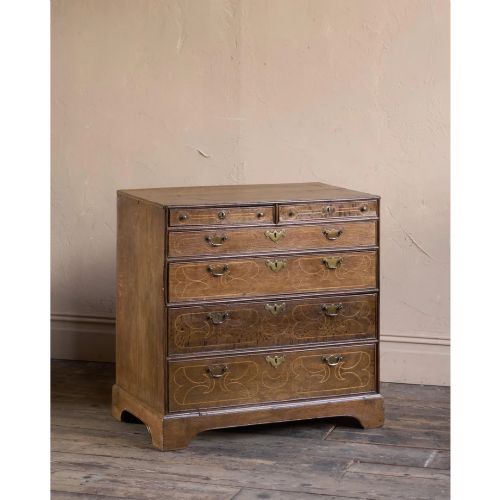
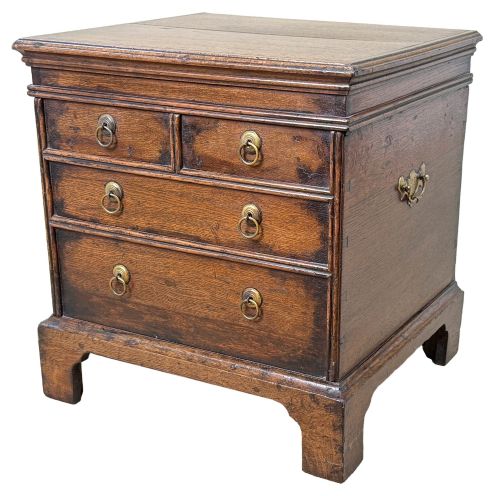
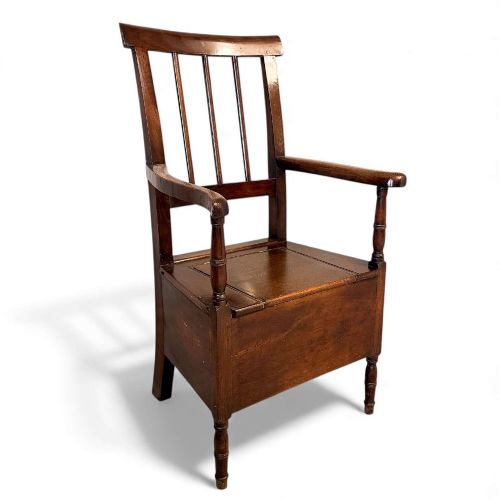
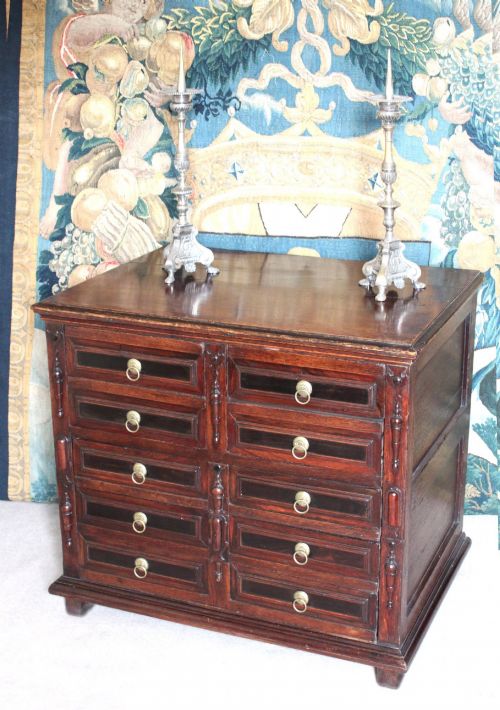
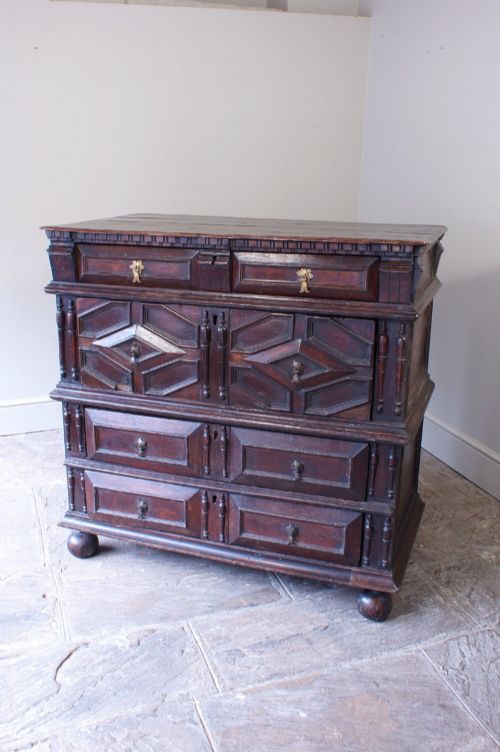
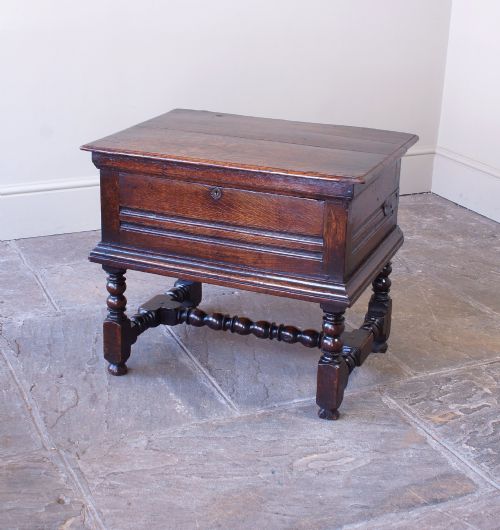
A period oak commode brings practical storage and historic timber character to a room, appearing primarily as chest of drawers or close stool formats. The pieces on this page span the seventeenth century, the Jacobean and Charles II eras, and the Georgian period.
Buyers encounter forms that range from modest bedside chests to larger chests of drawers and close stools. Materials span plain oak, limed oak, and bleached oak, paired with brass and iron hardware.
French Provincial styles sit alongside English Jacobean and early Georgian pieces in the broader record. The selection centres heavily on sturdy seventeenth and eighteenth century examples designed for daily utility.

How they were made
Makers built these pieces using solid timber construction, employing oak for primary panels and frames. Surfaces often show historic mouldings and natural grain patterns enhanced by liming or bleaching treatments.
Hardware consists of brass and iron handles, hinges, and escutcheons secured directly to the woodwork. These metal elements were hand-finished and designed for heavy use over generations.
Retail Price Guide 2026
Typical UK retail prices for period oak commode, calculated from the Sellingantiques database of over a million retail prices indexed since 2003. This retail price guide relies exclusively on Sellingantiques data; no external sources or auction records are used, so the figures do not describe the wider market.
Some seventeenth century oak chests double as discreet indoor plumbing solutions disguised for polite company.
What varies in quality
Quality rests in the integrity of the timber framing and the retention of original metalwork rather than surface polish alone. Pieces featuring untouched brasses and crisp seventeenth century mouldings sit at the upper end of the range.
The refinement of the joinery and the consistency of the timber preparation dictate the distinction between standard provincial utility items and finer period specimens.
The Period Oak Commode Glossary
- Close stool
- A piece of furniture designed as a small cabinet or chest enclosing a chamber pot for indoor sanitation. These often resemble miniature chests of drawers or bedside cabinets.
- Limed oak
- Timber treated with a white or pale pigment rubbed into the grain to lighten the surface colour and highlight the natural texture.
- Jacobean
- The stylistic period spanning the reign of James I and the mid seventeenth century, characterised by heavy proportions and geometric moulding.
- Escutcheon
- A protective metal plate surrounding a keyhole, usually made of brass or iron on these pieces.
Frequently Asked Questions
What is a close stool?
A close stool is a historic form of indoor sanitation furniture disguised as a small chest or bedside cabinet. These pieces house a concealed interior space beneath a hinged lid.
They offer a glimpse into domestic life before modern plumbing while functioning as compact side tables today.
How do I date an oak chest?
Dating relies on examining the construction methods, handle hardware, and moulding profiles present on the cabinet. Seventeenth century examples typically show heavier timber framing and distinct hand-cut jointing.
Later eighteenth century pieces introduce lighter proportions and different brass configurations that reflect evolving tastes.
Are limed oak pieces original?
Limed oak finishes appear across seventeenth and eighteenth century items as a historic method of treating timber surfaces. This finish lightens the appearance of the wood while protecting the grain.
Evaluation involves checking how the treatment integrates with the overall age and wear of the piece.
Where do these commodes fit at home?
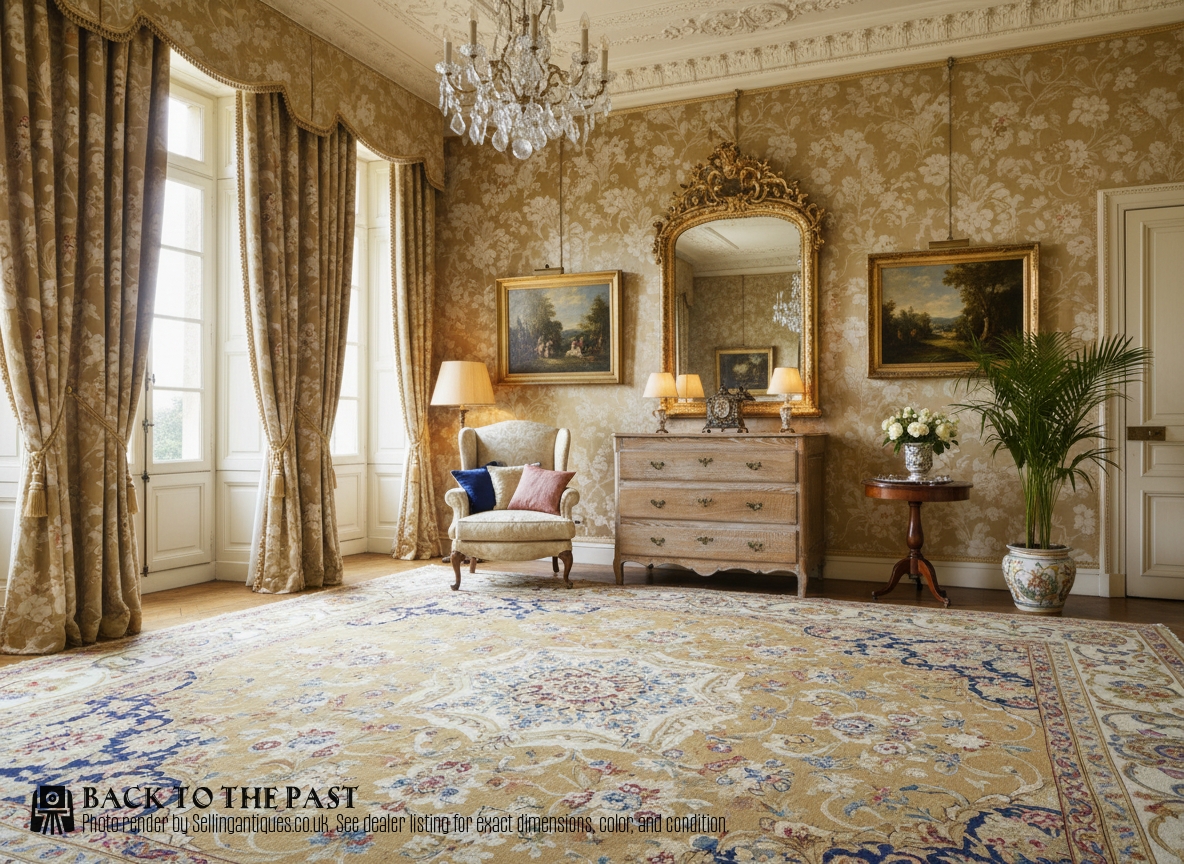
These chests work effectively in hallways, bedrooms, or living spaces as functional storage cabinets with historic presence. Their durable timber construction suits everyday use.
Placing them away from direct heat sources helps preserve the stability of the antique oak.