


Period Dining Seats
Period dining seats anchor a room with centuries of timber and craft, offering sturdy comfort gathered around the table.
Period Dining Seats
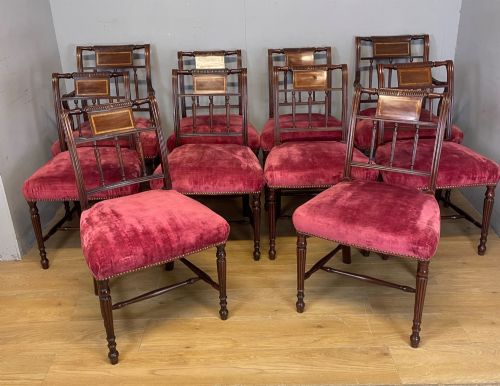
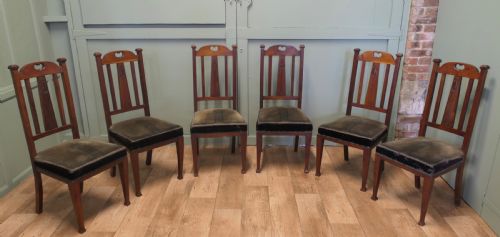
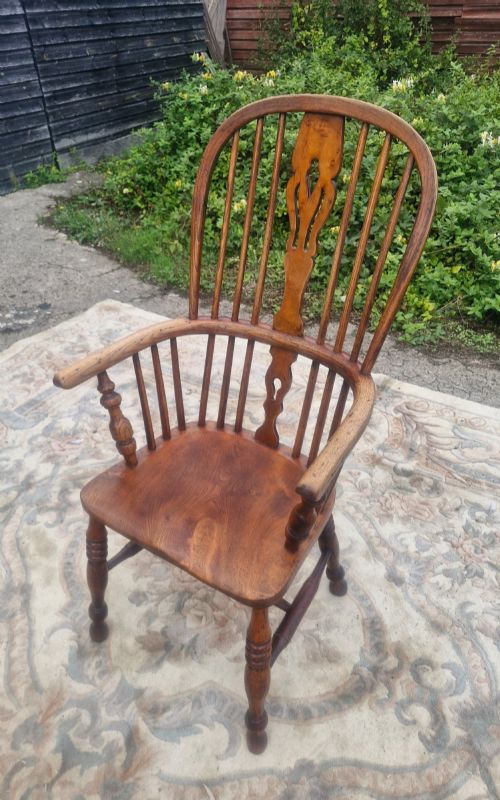
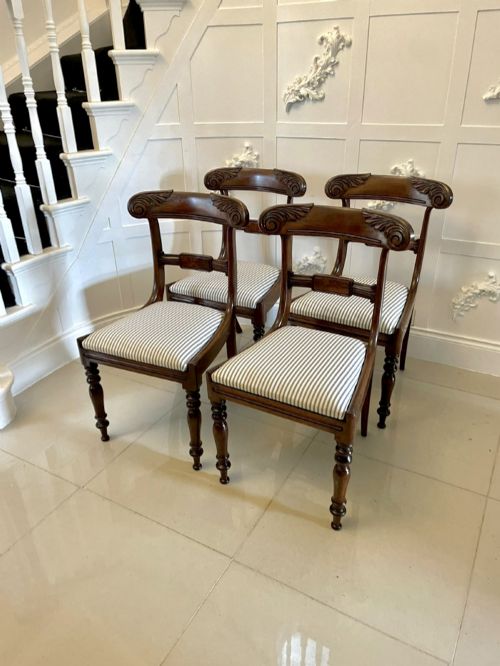
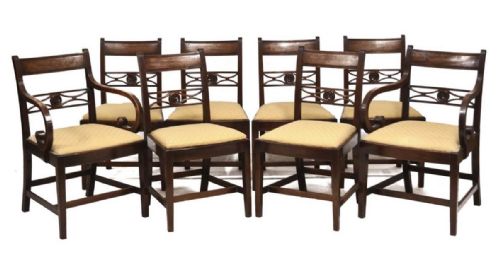
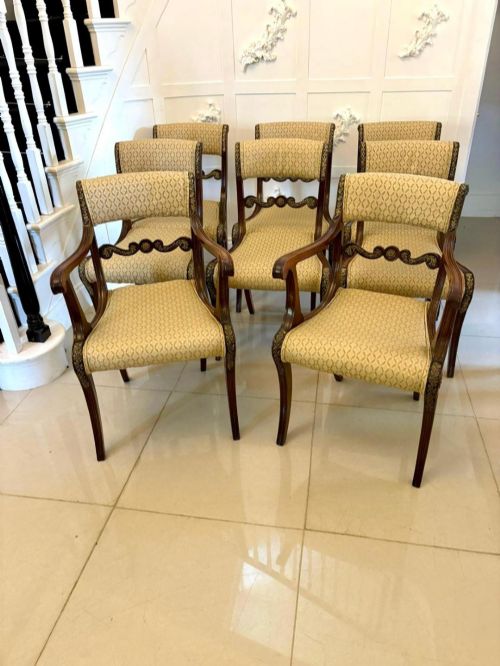
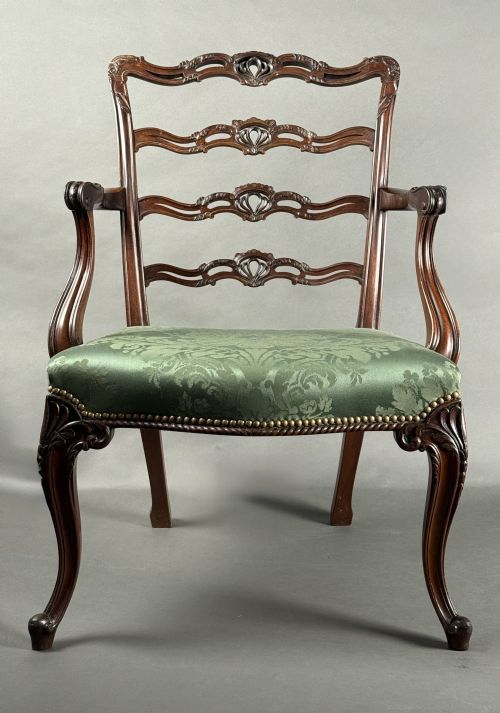
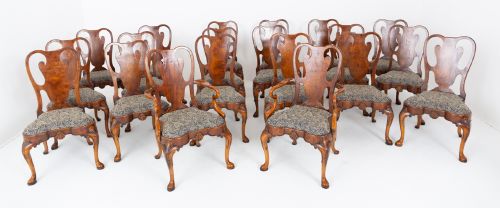
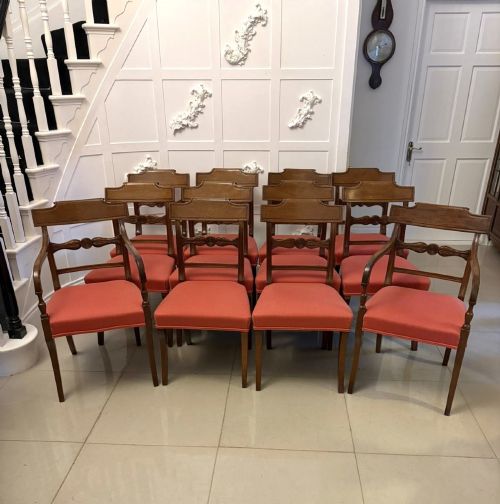
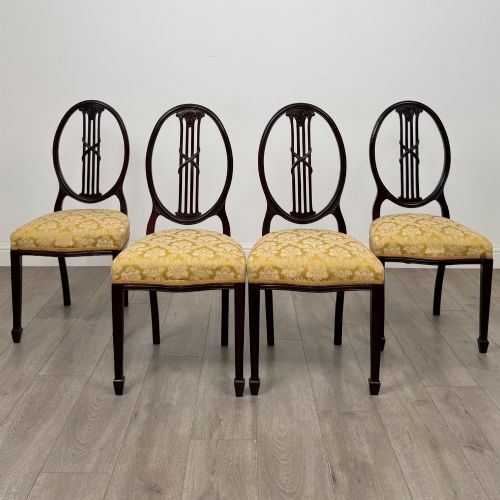
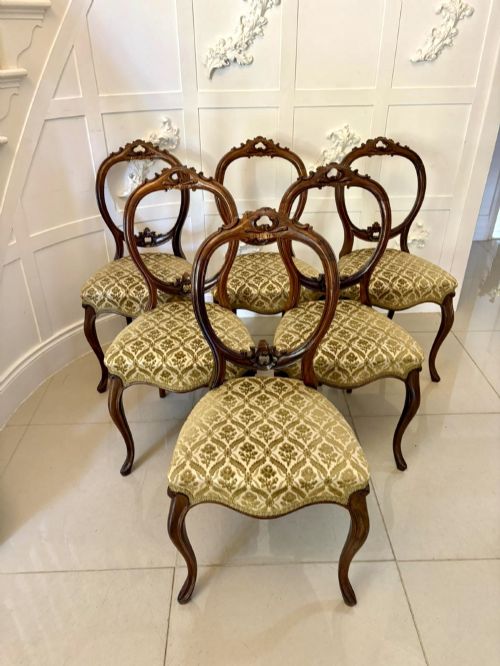
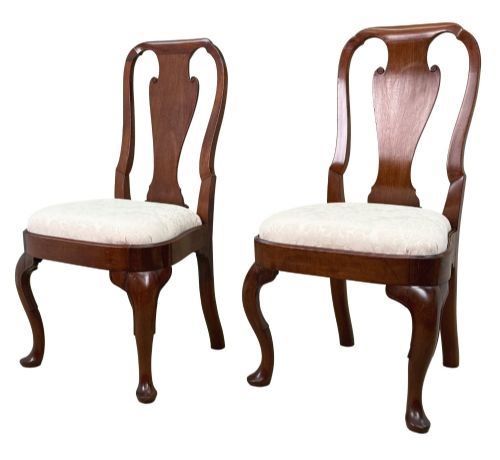
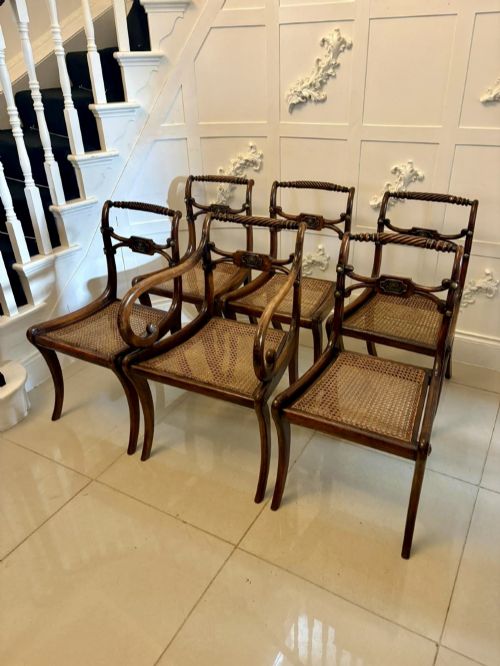
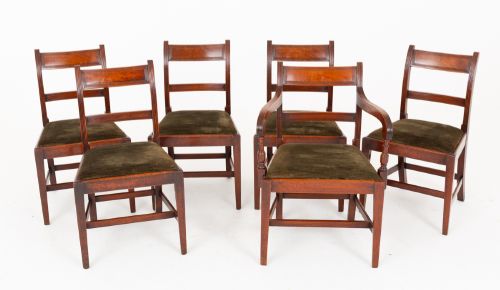
Period dining seats encompass timber dining chairs, side chairs, and armchairs spanning the Georgian, Regency, and Victorian eras alongside later walnut and oak interpretations. Buyers seeking period dining seats encounter sets ranging from single pairs to large groups of twelve or twenty, often uniting carvers and single chairs.
The evidence points heavily towards mahogany and walnut as dominant timbers, styled through distinct periods such as George III Sheraton, Queen Anne, and Arts and Crafts. These seating options serve daily dining and formal entertaining while retaining centuries of domestic history.
Materials and construction methods
Cabinetmakers constructed these frames primarily from dense hardwoods like mahogany and walnut, occasionally turning to oak, elm, maple, and rosewood. Timber selection dictated the structural integrity and grain pattern of each chair, allowing carvers to execute crisp splats and intricate back rails.
Joinery relied on traditional mortise and tenon joints supplemented by glued blocks for stress points. Many examples incorporate upholstered pads, dropped-in fabric seats, or woven cane panels secured within the wooden frame.
Listings span multiple centuries, ranging from early eighteenth-century walnut to Edwardian mahogany and Arts and Crafts oak.
Evaluating craftsmanship and distinction
Quality rests in the crispness of the carved detail and the integrity of the timber selection. Superior pieces display deeply figured wood grain, precise joinery, and well-proportioned frames that balance visual elegance with physical support.
Sets that retain their original matched configurations and uncompromised surface patination command greater interest than assembled groups or heavily restored frameworks.
Charles Tozer·Strahan
The Period Dining Seats Glossary
- Carver
- An armchair designed with elbow rests, traditionally placed at the head of a dining table. These match the smaller single chairs in a set.
- Bar back
- A horizontal wooden splat across the chair back resembling a rounded bar. This design gained popularity during the Regency and William IV periods.
- Shield back
- A chair back shaped like a heraldic shield, often pierced and carved with floral or feather motifs. Hepplewhite and later revival makers favoured this silhouette.
- Splatt
- The central vertical wooden strip within a chair back connecting the crest rail to the seat. Its shape often helps date the piece.
- Cane
- Woven rattan material used to form light, flexible seat panels. It appears frequently on Regency and eighteenth-century frames.
Period Dining Seats: Frequently Asked Questions
How do I match chairs to a table?
Look for matching periods and complementary timbers, such as pairing mahogany chairs with a mahogany dining table.
Consider the height of the chair arms to ensure they slide comfortably beneath the table apron.
What is a carver chair?
A carver is an armchair meant for the head of the table, designed to match the surrounding single chairs.
Dining sets often include two carvers paired with several armless single chairs.
Can I mix different wood types?
Mixing woods requires careful attention to grain tone and furniture style to maintain visual balance.
Sticking to a single primary timber like mahogany or walnut provides a more cohesive look.
How are chair periods identified?
Details like leg shapes, back splats, and timber choices point directly to specific design eras.
Georgian chairs often feature straight or cabriole legs, while Regency examples lean towards sabre legs and brass inlay.