

Pedestal Occasional Lamp Table
A pedestal occasional lamp table provides a compact surface for lighting and display, grounded by a central column.
Pedestal Occasional Lamp Table
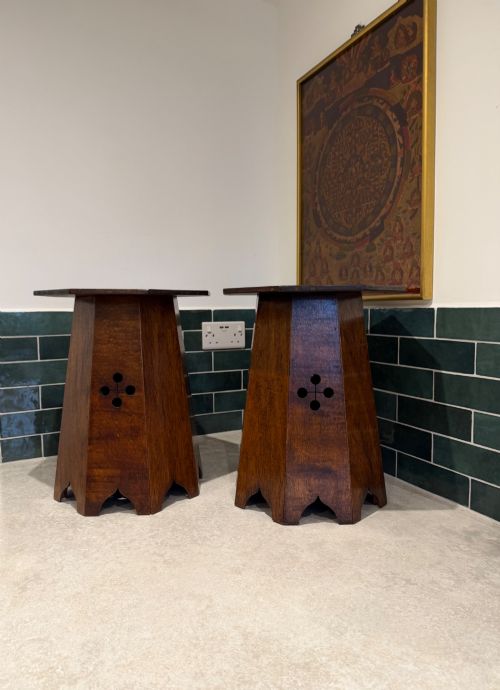
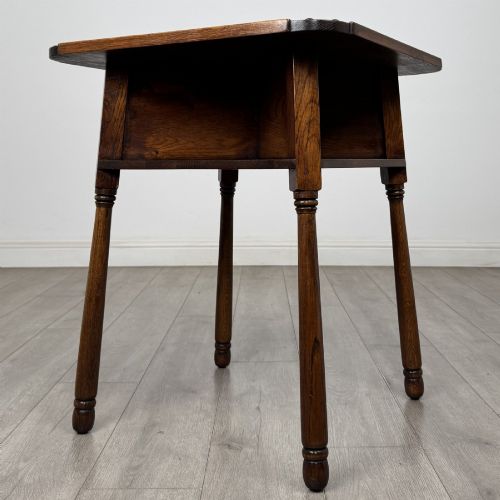
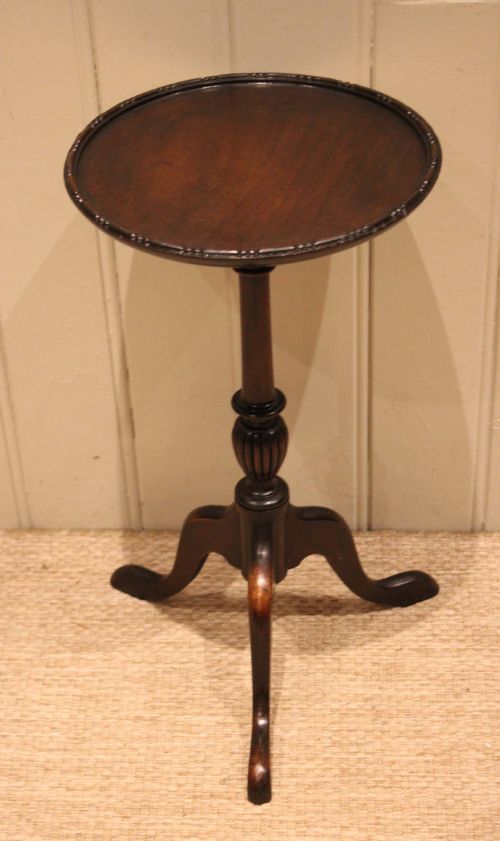
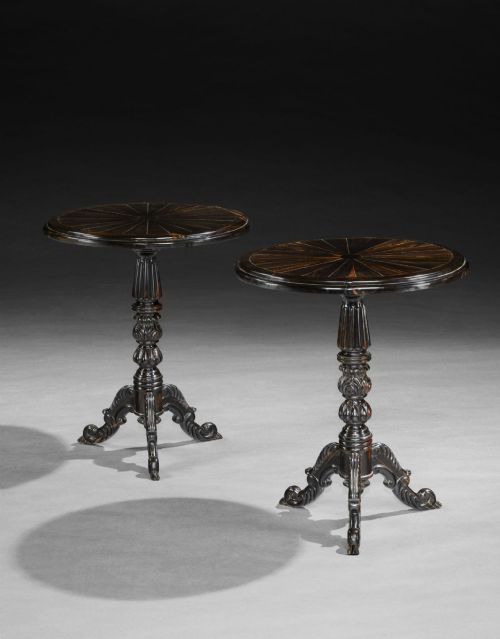
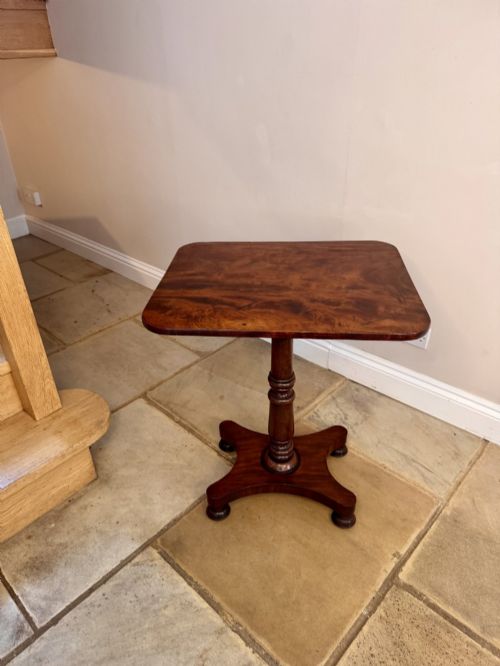
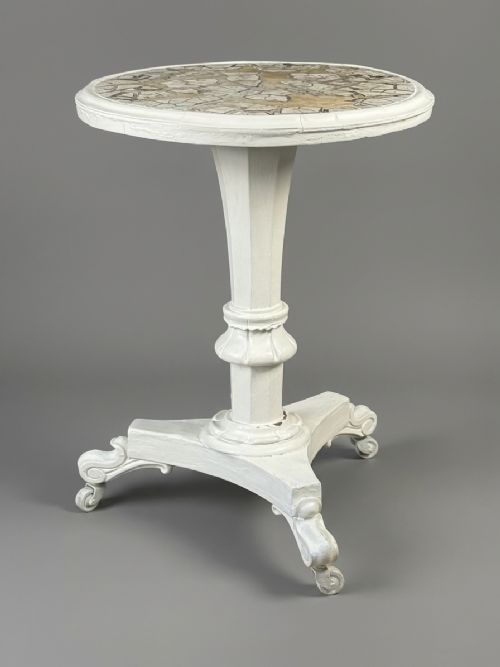
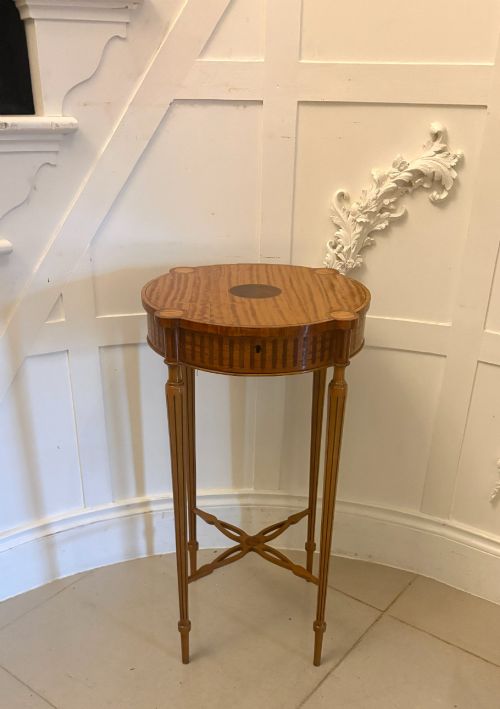
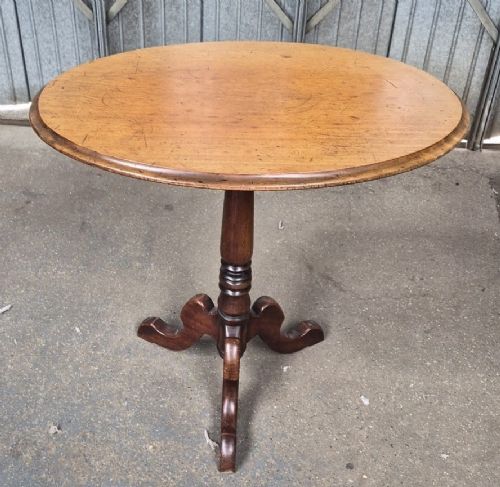
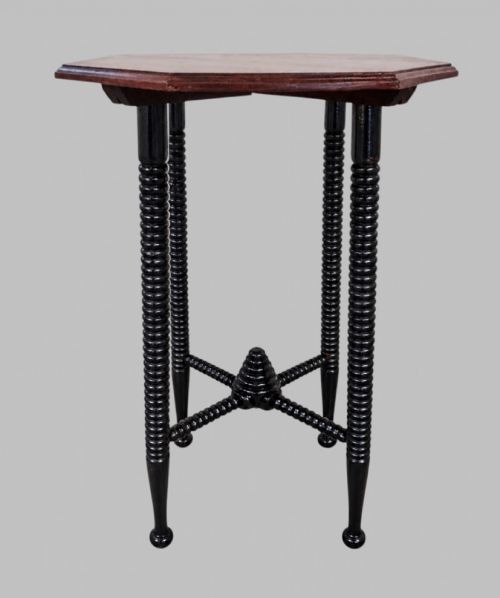
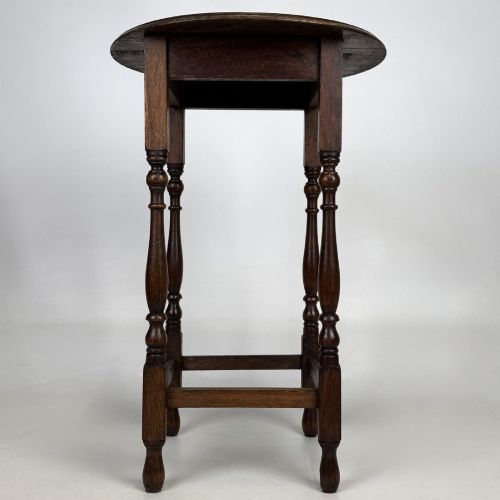
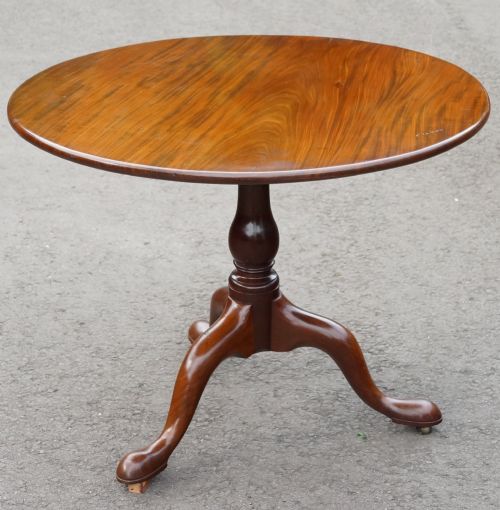
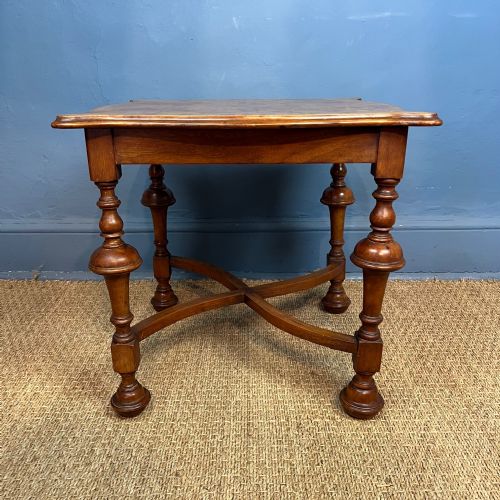
A pedestal occasional lamp table combines a central pillar support with a small top designed for household lighting and display. When you search for this phrase, you encounter forms that span several centuries, including circular, oval, octagonal, and rectangular tops.
The selection on this page draws heavily from the nineteenth century and the Victorian era, alongside examples from the Georgian and Edwardian periods. These pieces frequently function as side tables, wine tables, or tripod tables in living spaces.
Origins vary across English workshops, French designs, and Anglo-Indian or Burmese craftsmanship. Woods range from native oak and mahogany to exotic rosewood, burr walnut, and padouk, often shaped with tilt mechanisms or carved details.
Materials and Construction
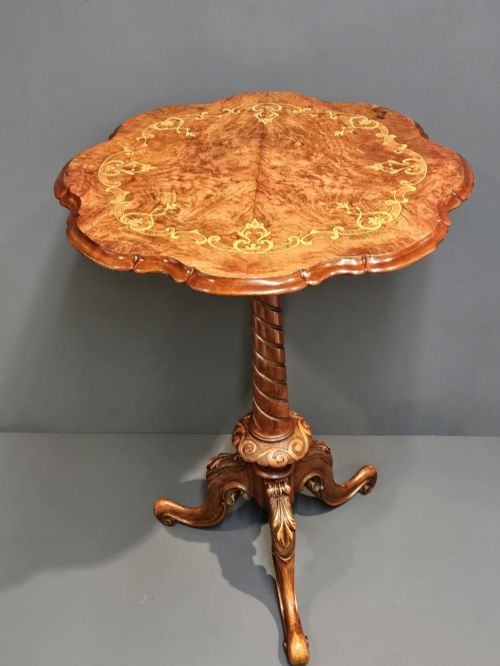
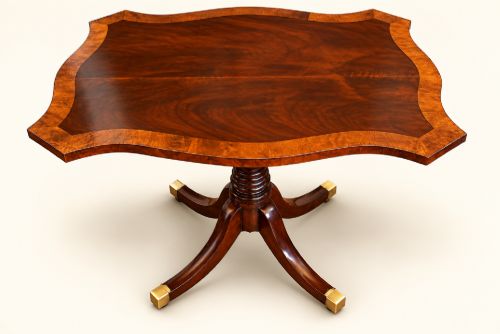
Cabinet makers utilised dense hardwoods such as mahogany, oak, rosewood, and walnut for structural stability and fine turning on the central pedestals. Burr walnut and yew provided decorative grain patterns for the table surfaces, frequently enhanced with inlay or contrasting banding.
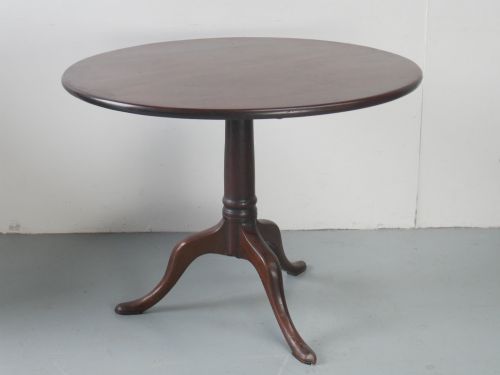
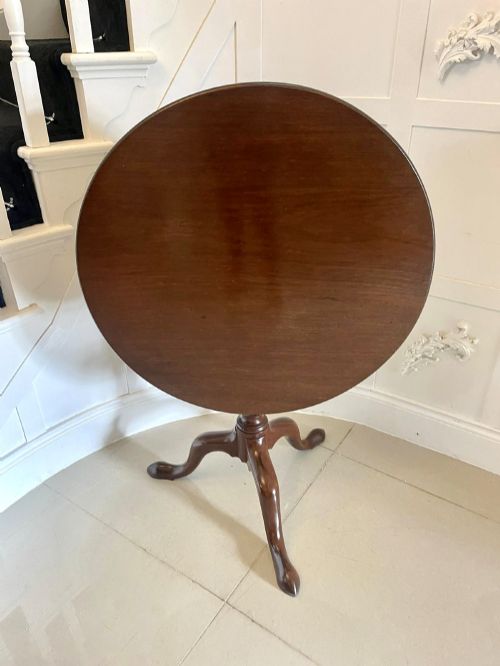
Tripod bases and multi-legged pedestals were joined to the central pillar using traditional timber joints to support the weight of the top. Tilt-top mechanisms incorporated brass catches and pivoting pivot blocks to allow the surface to fold flat when not in use.
Pedestal Occasional Lamp Table Retail Price Guide 2026
Typical asking prices for pedestal occasional lamp table among the pieces listed under this phrase on Sellingantiques today, from the lower quarter to the upper quarter. They describe what is for sale here now, not the wider market.
Some tables hide a clever hinge beneath the top, ready to fold away like a polite servant after tea.
Evaluating the Build
Quality rests in the selection of timber veneers and the crispness of carved details on the pillar and legs. Superior tables demonstrate balanced proportions between the top and the pedestal base, ensuring the piece remains stable during daily use.
The precision of the tilt mechanism and the tightness of the joints determine the longevity of the table. Fine examples exhibit careful matching of wood grains across the surface and secure anchoring at the central column.
The Pedestal Occasional Lamp Table Glossary
- Tilt-top
- A tabletop hinged to the pedestal column so it can be pivoted into a vertical position. This design allowed tables to be stored against walls when not in use.
- Tripod table
- A small occasional table supported by a pillar resting on three legs. This construction prevents wobbling on uneven floors.
- Gueridon
- A small French occasional table or stand, often featuring a circular top. These pieces frequently incorporate marble surfaces or ornate pedestals.
- Padouk
- A heavy tropical hardwood with a reddish hue used in cabinet making. It appears in imported nineteenth-century furniture.
- Burr walnut
- Timber taken from the wart-like growths on walnut trees, yielding swirling grain patterns. It was favoured for decorative veneering on table tops.
Pedestal Occasional Lamp Table: Frequently Asked Questions
What is a pedestal occasional lamp table used for?
These tables provide a stable surface for holding reading lamps, drinks, or decorative objects beside seating. Their compact footprints allow them to fit into corners and narrow spaces.
Historically, similar small tables served specialised purposes such as holding wine glasses or tea equipment. Today, they function as versatile accents in sitting rooms and hallways.
What is the difference between a wine table and a lamp table?
Wine tables traditionally feature small, circular tops designed to hold individual glasses or decanters during evening gatherings. Lamp tables are often slightly larger or shaped to accommodate heavier lighting fixtures.
In practice, antique dealers and makers used these terms interchangeably depending on the proportions of the top.
How do I care for an antique wood table top?
Protect the polished wood surface by using coasters under drinks and avoiding direct placement near heat sources. Regular dusting with a soft cloth maintains the natural lustre of the finish.
Occasional application of appropriate wax nourishes the timber without building up heavy residues.