
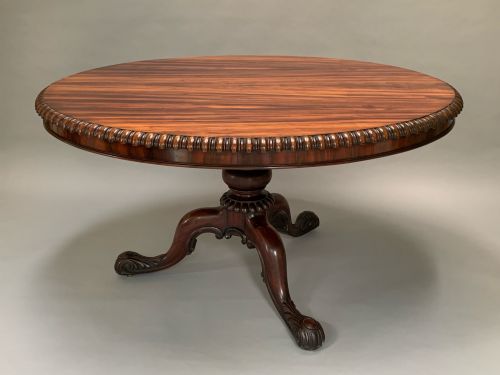
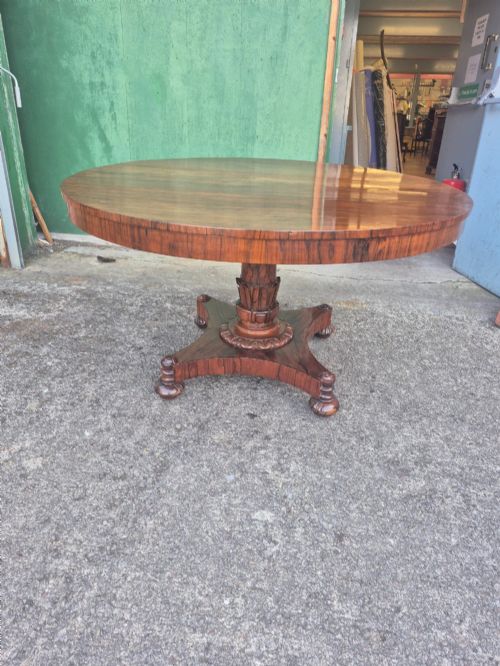
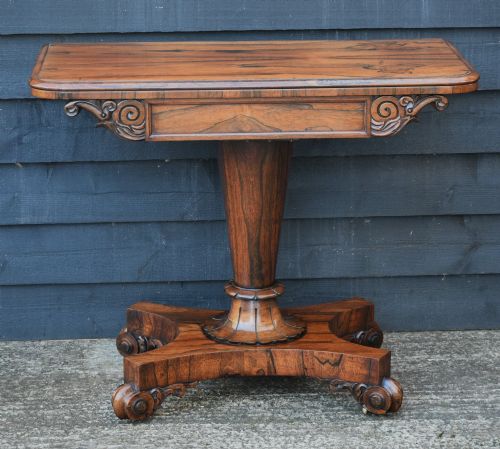
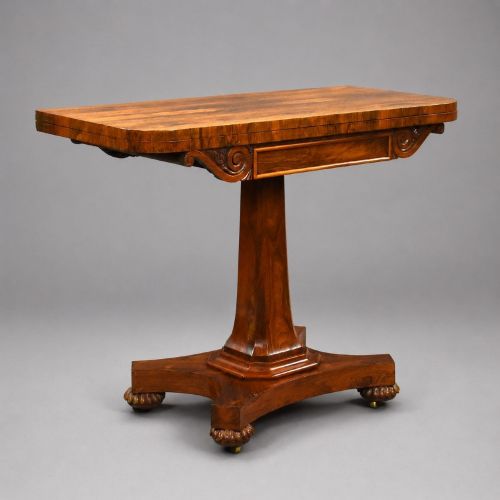

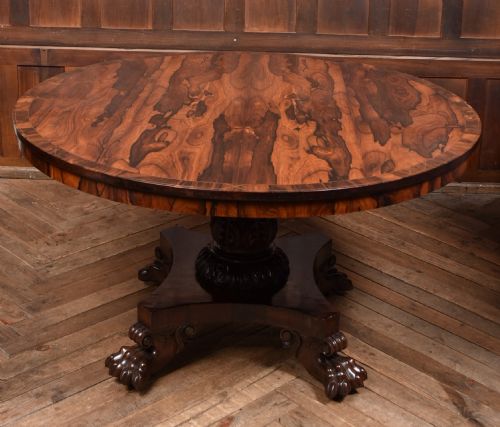


Quadform Pedestal Table
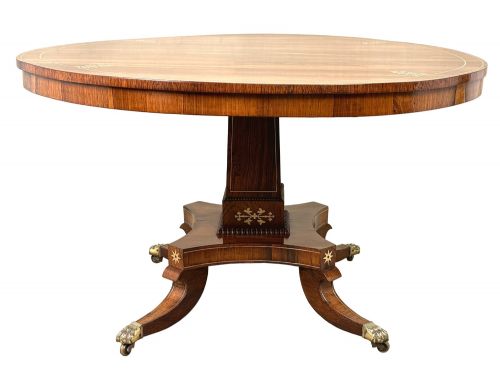
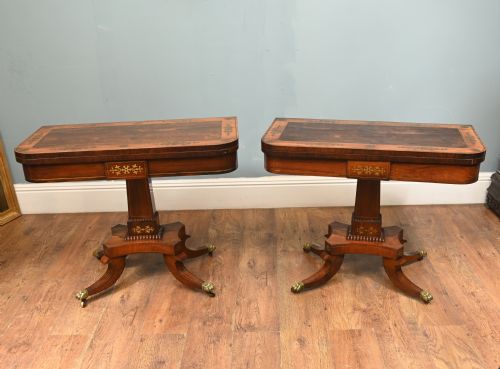
These quadform pedestal table examples are sturdy multi-legged timber furnishings designed for central room placement or games use.
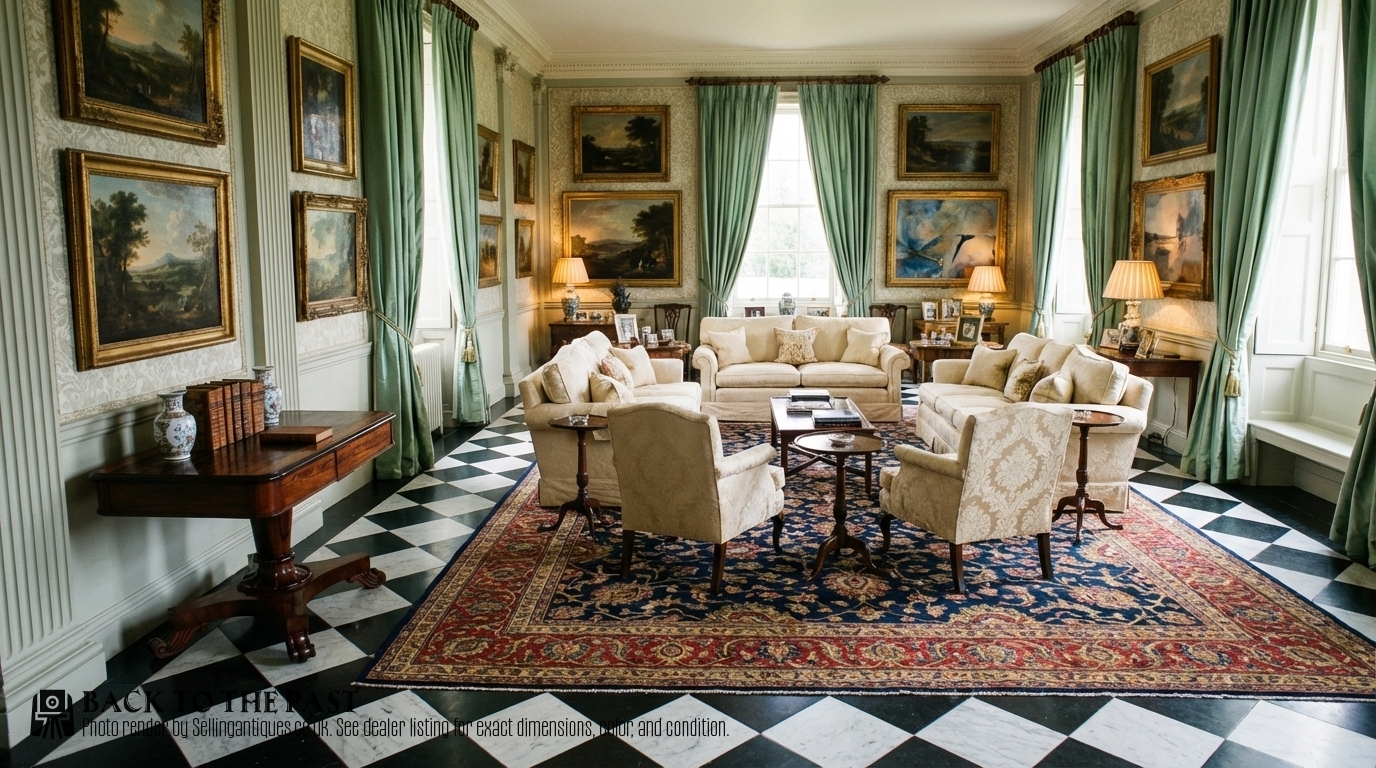
Quadform Pedestal Table
A quadform pedestal table unites a central support with multiple feet, providing a steady surface for dining, reading, or card games. These pieces appear across several eras, including the Georgian, Regency, William IV, and Victorian periods.
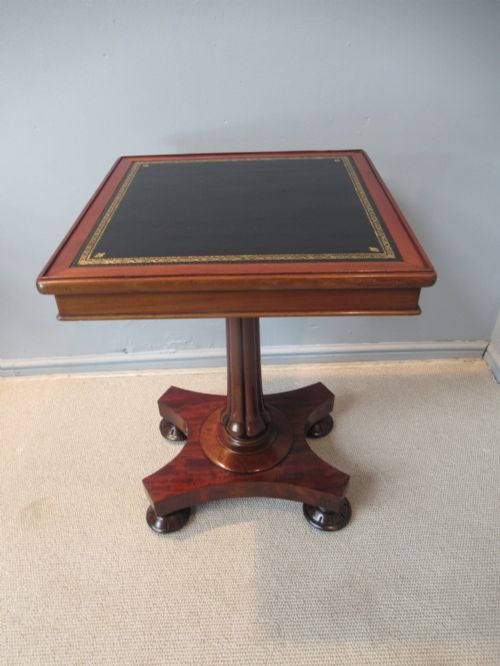
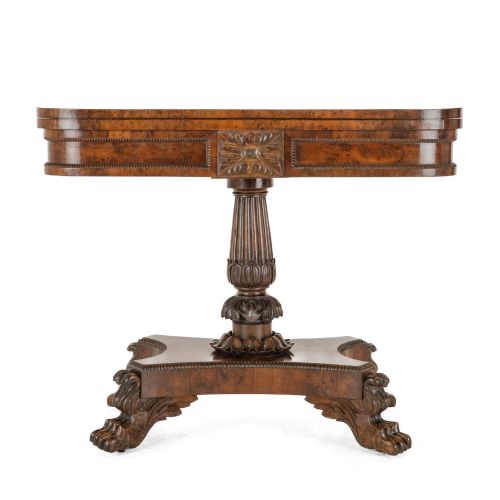
The selections available here range widely in form. Visitors most frequently encounter card tables, centre tables, occasional tables, and breakfast tables within this group.
Origins span from the eighteenth century through to the Edwardian era. Makers constructed these designs to serve functional daily roles in parlours, libraries, and dining rooms.

Materials and Construction
Cabinetmakers relied heavily on dense hardwoods such as mahogany and rosewood for primary structures. Workshops also incorporated satinwood, burr yew wood, padouk, and oak into their builds.
Surface decoration frequently involved brass inlay and intricate woodwork. Artisans added leather, fabric, and specific wood veneers to finish tops on card tables and library tables.
Quadform Pedestal Table Retail Price Guide 2026
Typical asking prices for quadform pedestal table among the pieces listed under this phrase on Sellingantiques today, from the lower quarter to the upper quarter. They describe what is for sale here now, not the wider market.
Listings feature items built from rosewood, mahogany, satinwood, burr yew wood, padouk, and oak.
Distinctions in Standard
The calibre of a piece depends heavily on the selection of timber veneers and the precision of the brass inlay work. Finer examples display careful timber matching and crisp, deep carving on the pedestals.
Mechanical execution also separates standard items from superior pieces. Smooth action in fold-over card table hinges and well-fitted gaming wells indicate higher workshop standards.
Gillows
The Quadform Pedestal Table Glossary
- Quadform
- Having four distinct sides, branches, or supports radiating from a central pillar. This configuration provides a stable base for heavy timber tabletops.
- Pedestal
- A central vertical support that holds up the main surface of a table. It usually rests upon a plinth or four-way footed base.
- Tilt-top
- A hinged tabletop mechanism that allows the surface to pivot into a vertical position for storage. This clever adaptation saves valuable floor space when the furniture is not in use.
- Card table
- A specialised folding or swiveling table designed for playing games. These often feature lined interiors, coin wells, and small compartments for cards.
Quadform Pedestal Table: Frequently Asked Questions
What is a quadform pedestal table used for?
These furnishings serve multiple domestic purposes depending on their top configuration. Many act as central display points in rooms, while others fold out to accommodate card games and tea service.
Their sturdy four-sided pedestal design ensures the surface remains stable during daily use. Historical households placed them in libraries, parlours, and hallways for general utility.
How do I date a pedestal table?
Dating relies on observing the prevailing style, timber choices, and construction methods. Pieces from the Georgian and Regency eras often display crisp brass inlay and rosewood veneers, whereas Edwardian versions incorporate lighter mahogany and subtle stringing.
Examining the underside and hinge mechanisms reveals further clues about the manufacturing period. Secondary woods used inside the frame often match the typical choices of specific decades.
Are these tables suitable for everyday living?
Solid hardwood construction makes these items robust enough for contemporary daily use. Their classic proportions allow them to fit naturally beside modern seating and interior layouts.
Owners should protect delicate timber and leather surfaces from excessive moisture and direct sunlight. Regular polishing helps maintain the natural finish of the rosewood or mahogany.