

Pedestal Conference Table
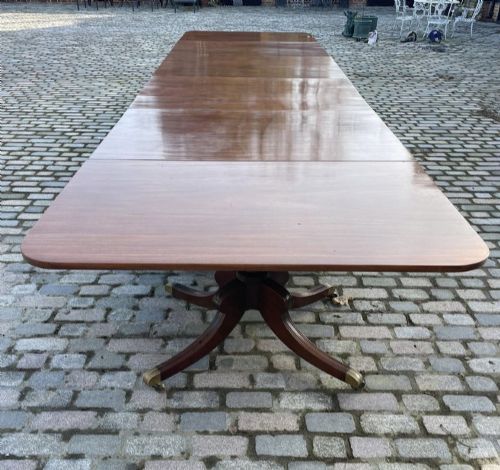
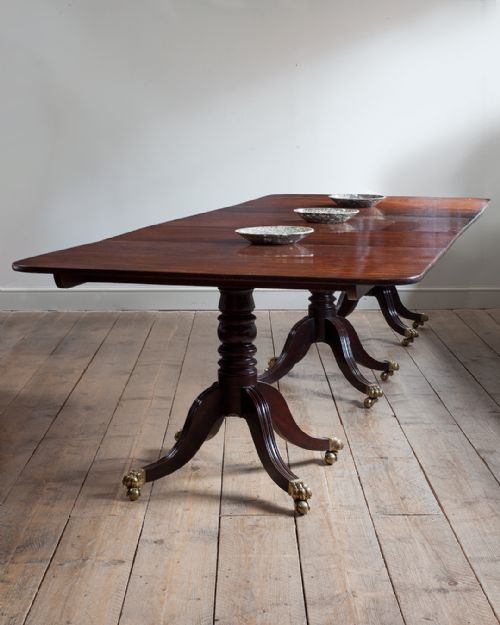
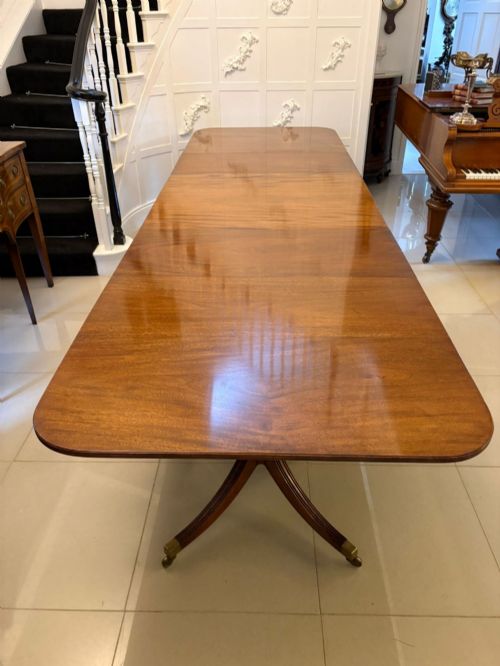
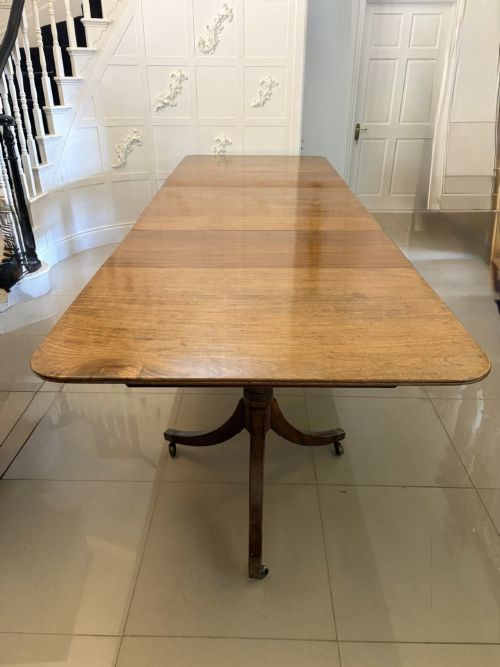
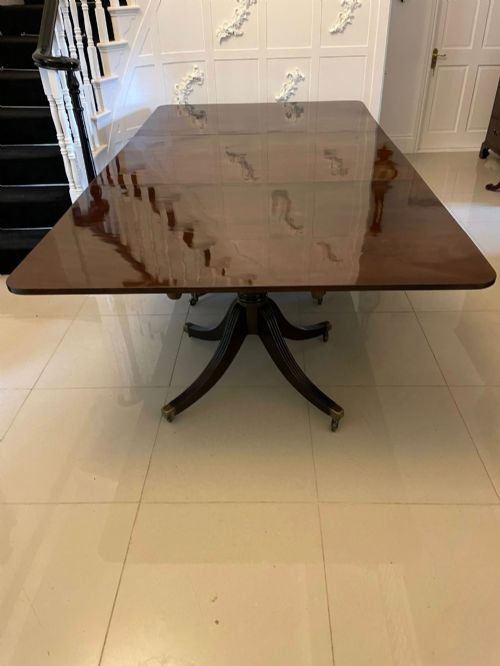
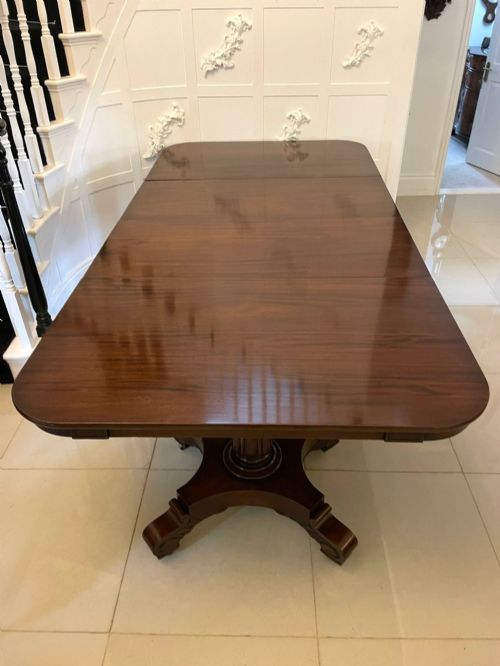
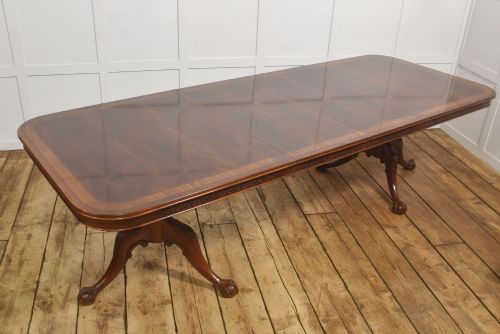
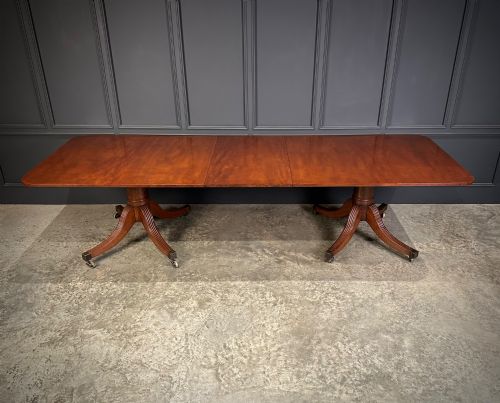
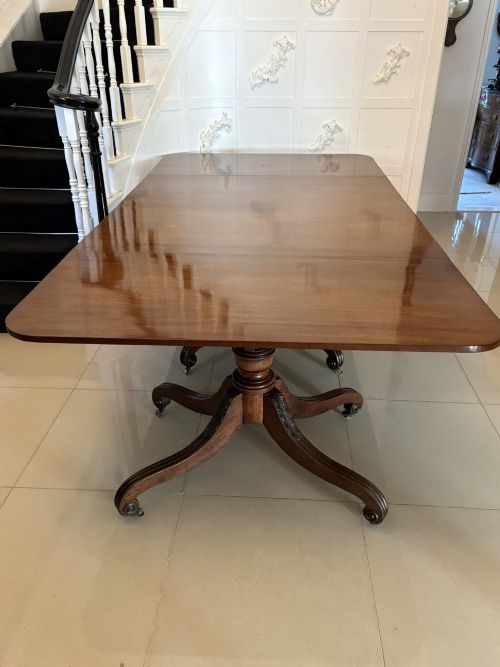
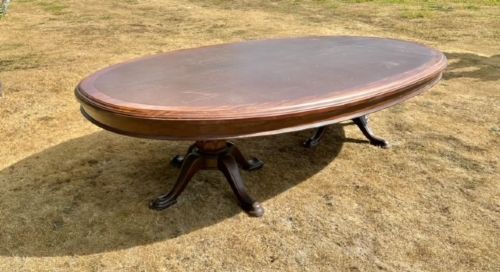
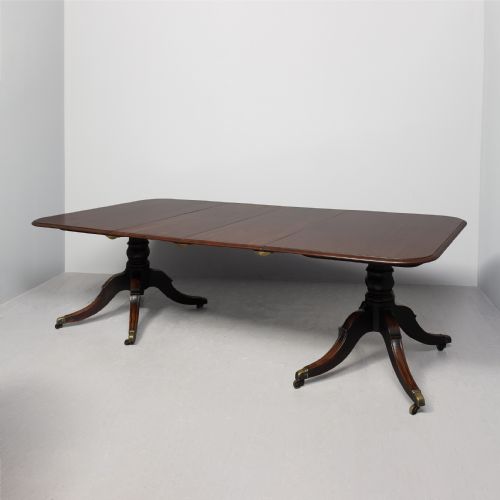
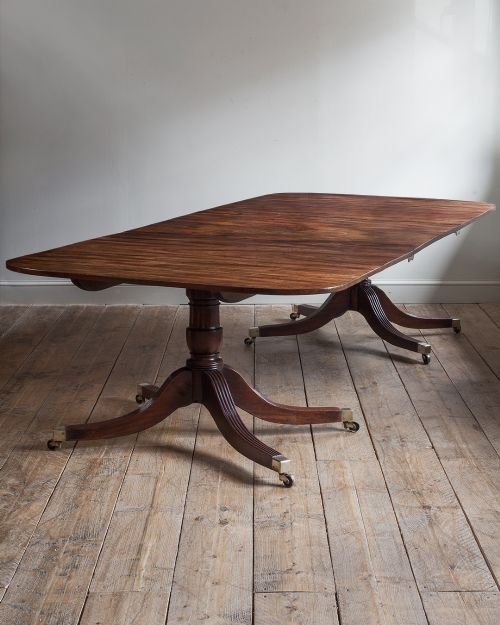
These large mahogany pedestal conference table examples provide versatile extension systems and solid pillar supports for seating many diners.
Pedestal Conference Table
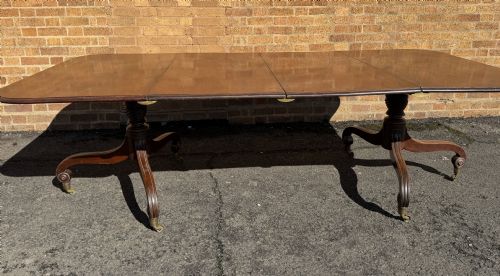
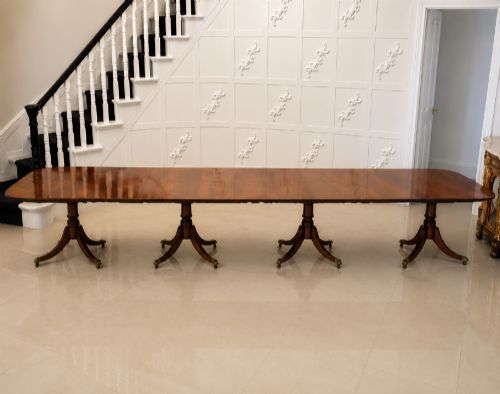
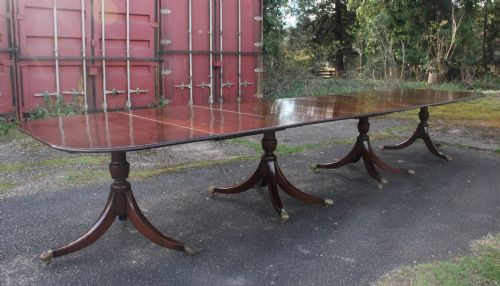
A pedestal conference table meets the demand for long, adaptable dining and meeting surfaces through modular pillar supports and removable leaves. When searching for a pedestal conference table, buyers encounter twin, triple, and four-pillar configurations designed to accommodate large gatherings.
The objects appearing here span the Georgian, Regency, Victorian, and Edwardian periods alongside later revival movements. These dining tables frequently utilise D-end sections that separate from central leaves to adjust overall length.
Materials and Construction
Cabinet makers constructed these tables primarily using figured mahogany and solid timber frames, sometimes incorporating brass castors beneath the pillar bases for mobility. Leather and gold leaf occasionally appear on related writing surfaces, while satinwood and oak provide secondary framing elements.
Extending mechanisms rely on sturdy timber runners and removable leaves that drop into the centre of the table. Multiple pedestals distribute weight evenly across the floor while supporting boards of considerable length.
Table forms span twin, triple, and four-pillar configurations with removable leaves and D-end sections.
Assessing Quality
Quality rests upon the selection of figured mahogany timber and the precision of the extending mechanism. Superior examples display consistent grain patterns across multiple added leaves and robust pillar supports.
Finer pieces exhibit clean joinery in the pedestal bases and well-turned columns that bear heavy loads without sagging. Lesser examples show less uniformity in timber selection or simpler turning work on the central pillars.
Wylie & Lochead Glasgow·Whytock & Reid
The Pedestal Conference Table Glossary
- Pedestal
- A central pillar support resting on a branched foot, carrying the weight of the table top. Multiple pedestals allow long tables to remain stable without obstructing legroom.
- Extending table
- A table designed with removable leaves and internal runners to increase its length. This mechanism lets owners adjust the seating capacity for different occasions.
- D-end
- A semi-circular end section of a dining table shaped like the letter D. These sections detach or join the central leaves to form a complete rectangular or oval surface.
- Spanish mahogany
- A dense, heavily figured tropical hardwood favoured for high-status furniture. It yields rich colour and deep polish when finished.
Pedestal Conference Table: Frequently Asked Questions
How do pedestal tables extend?
These tables utilise internal timber runners that pull apart to accept removable central leaves. Additional pedestals provide intermediate support beneath the expanding surface.
This setup allows the table length to grow or shrink depending on the number of guests seated.
What rooms suit these tables?
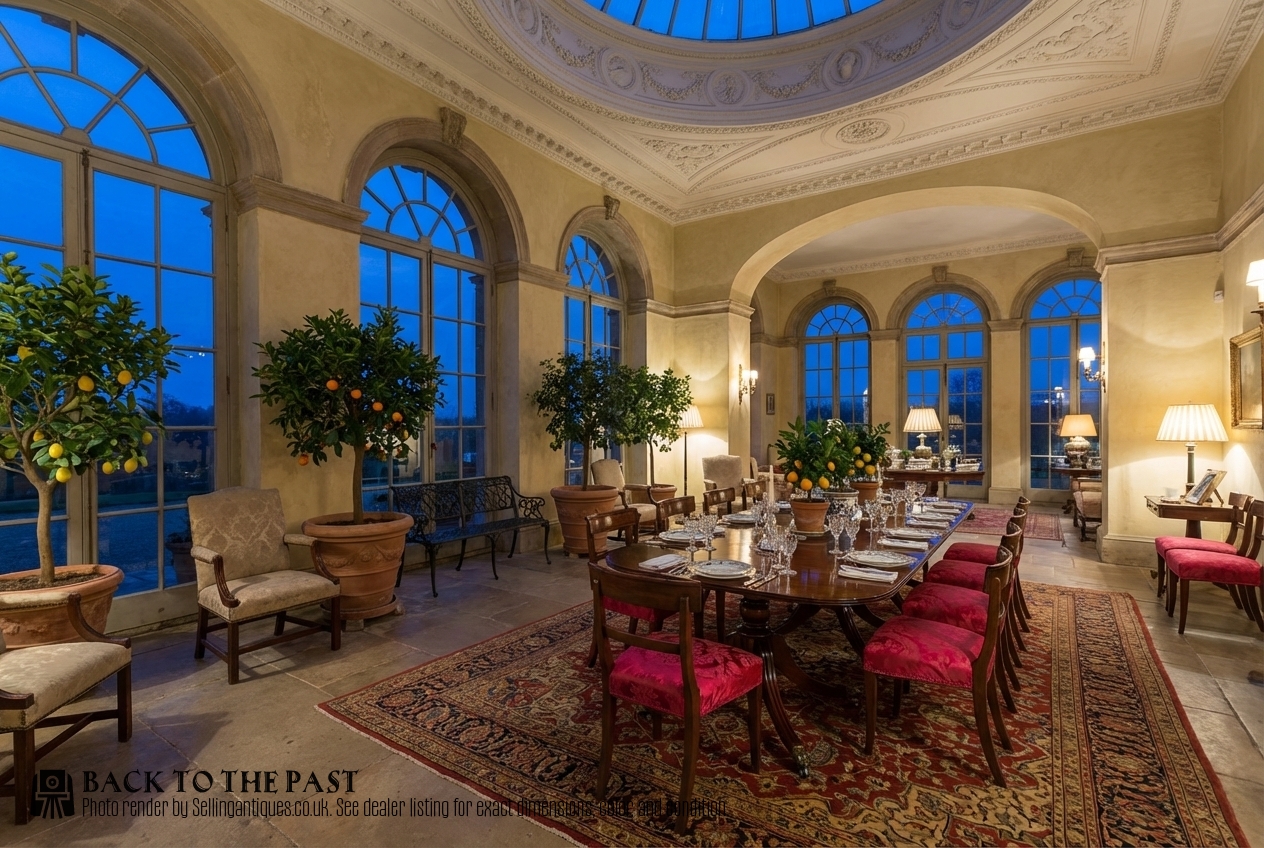
Large dining rooms and boardroom spaces accommodate these substantial multi-pillar tables comfortably. Their considerable length requires ample perimeter clearance for chairs.
Smaller twin-pillar variants fit moderate dining spaces while retaining the flexibility of removable leaves.
How are Georgian and Regency tables identified?
Georgian and Regency examples rely on solid mahogany construction, elegant pillar turnings, and brass castors. Proportions follow classical lines established during the late eighteenth and early nineteenth centuries.
Revival pieces built around nineteen-twenty often replicate these earlier proportions using similar figured timber.
What maintenance do mahogany tables need?
Polished mahogany surfaces benefit from occasional wax application and protection from direct heat or moisture. Avoiding abrasive cleaners preserves the depth of the timber grain.
Extending mechanisms operate smoothly when runners remain free of dust and debris.