
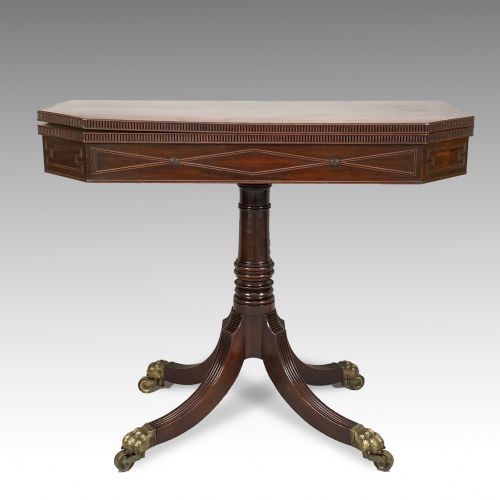
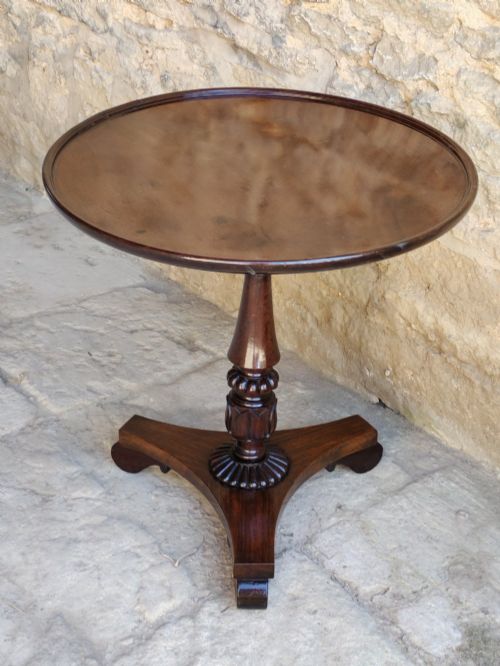


George IV Mahogany Table
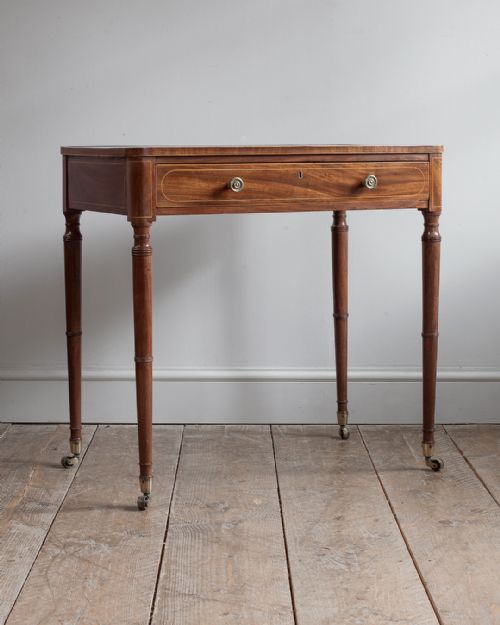
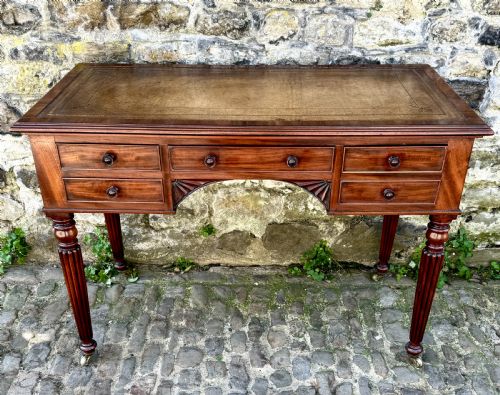
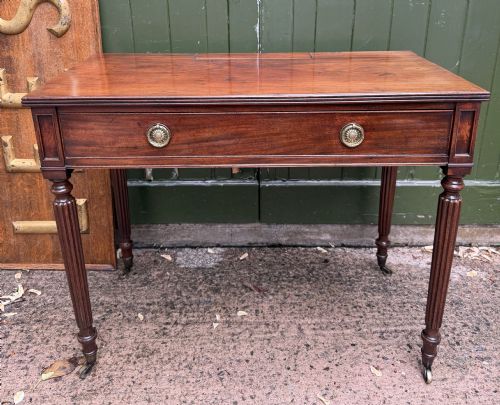
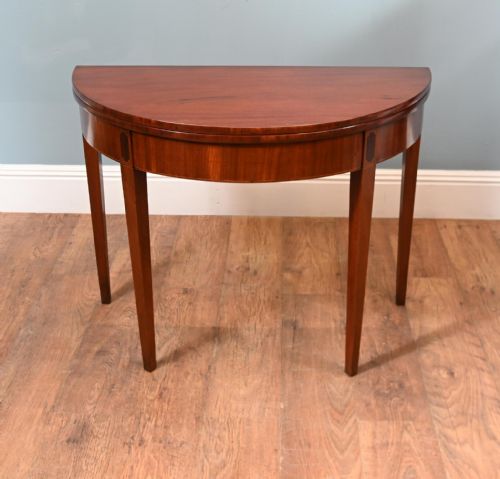
These george iv mahogany table examples bring rich timber grain and classic proportion to any interior.
Forms and Origins
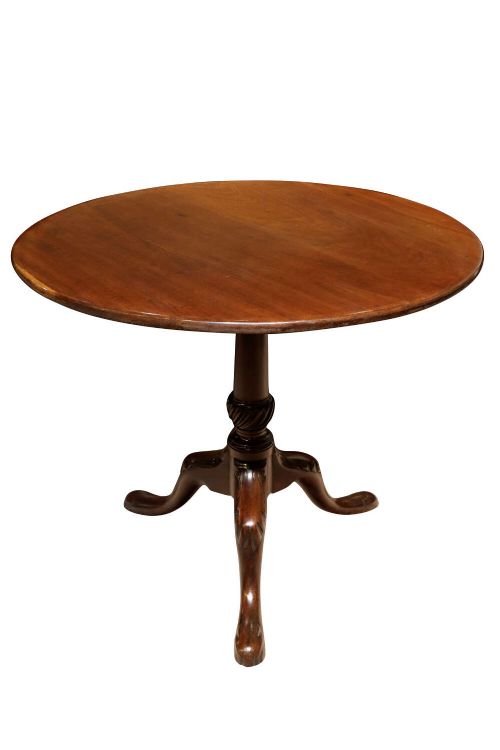
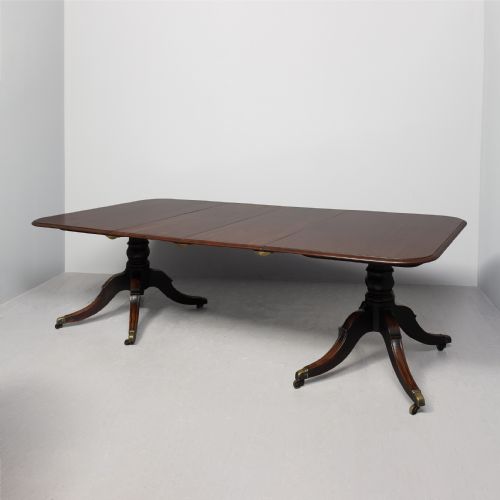
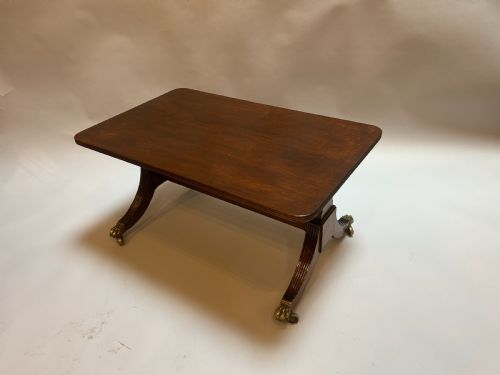
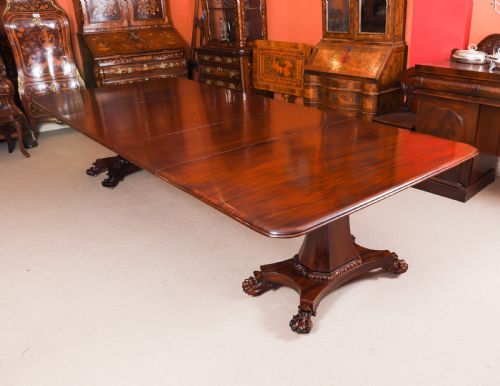
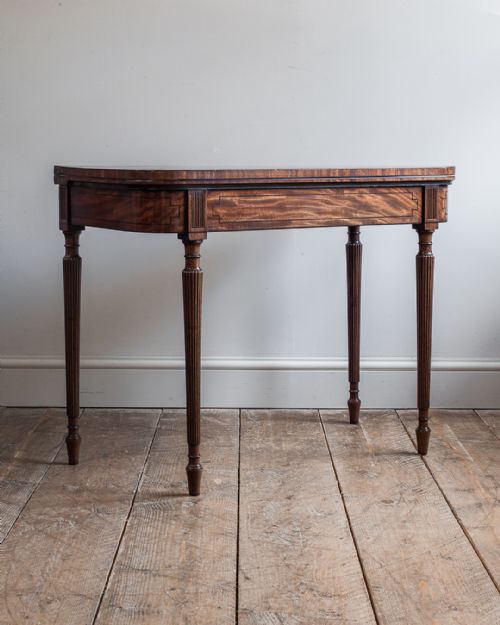
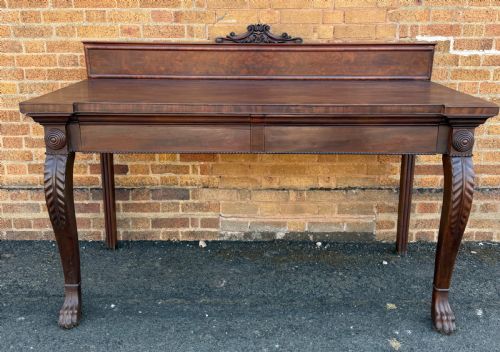
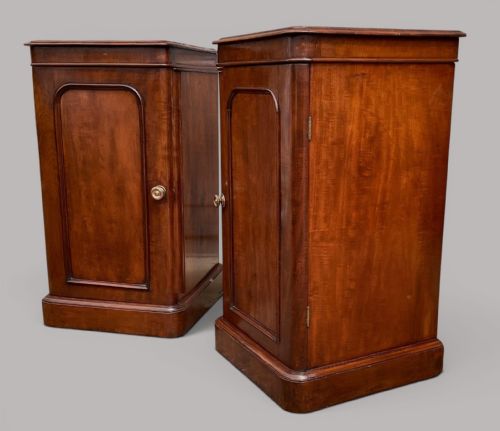
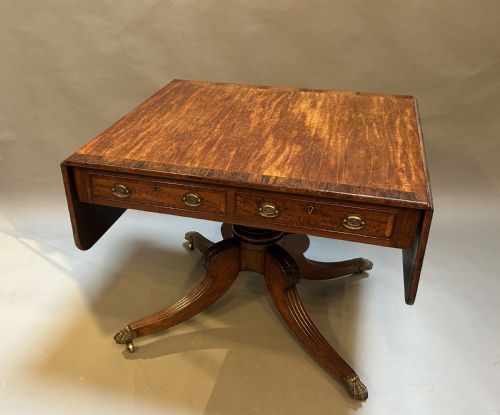
A george iv mahogany table appears in various functional forms spanning dining tables, writing tables, console tables, side tables, sofa tables, desks, pembroke tables, and dressing tables. The evidence shows these pieces originating from the 19th Century, Georgian period, and specifically around 1800, carrying distinct stylistic markers of the era.
Side tables and dining tables emerge most frequently in the records, alongside specialised forms like library drum tables, architects tables, and pedestal tables. Makers and workshops of the period utilised solid timbers and veneers to construct these functional household items for formal and domestic rooms.
Craftsmanship and Proportion
Quality rests in the selection of timber figures, particularly where flame mahogany veneer displays deep natural figuring across tabletops and drawer fronts. Cabinetmakers demonstrated skill through precise joint work and well-balanced proportions on pillar bases and console supports.
Attribution to known workshops, such as Gillows or Taprel Stephen and Holland, distinguishes certain pieces through superior carving detail and hardware specification. The integration of functional elements like galleried backs, drop leaves, and extending mechanisms reflects the standard of workshop execution.
Retail Price Guide 2026
Typical UK retail prices for george iv mahogany table, calculated from the Sellingantiques database of over a million retail prices indexed since 2003. This retail price guide relies exclusively on Sellingantiques data; no external sources or auction records are used, so the figures do not describe the wider market.
Listings show these tables appearing in over ten distinct furniture forms, including dining, writing, console, sofa, and tripod variants.
Gillows·Cope and Collinson·Taprel Stephen and Holland
The George IV Mahogany Table Glossary
- Mahogany
- A durable hardwood with a reddish-brown tone that deepens with age. It served as the primary timber for high-status furniture throughout the period.
- Flame mahogany
- A veneer cut from the fork of the tree where branches meet the trunk. This method produces a distinctive, fiery grain pattern highly prized for tabletops and drawer fronts.
- Ebonised wood
- Timber treated to imitate ebony, providing dark contrasting details. It appears alongside mahogany on specific decorative mouldings and trims.
- Console table
- A table designed to stand against a wall, frequently supported by brackets or pillars. Some examples in the records feature marble tops or neo-classical forms.
Frequently Asked Questions
What is a george iv mahogany table used for today?
These tables serve traditional functions as dining surfaces, writing desks, and side tables in modern interiors. Their sturdy construction makes them suitable for daily domestic use.
Smaller formats like lamp tables and pembroke tables fit easily beside seating or in hallways. Larger extending dining tables accommodate gatherings while retaining period character.
How do I identify a george iv mahogany table?
Look for the characteristic dense grain of mahogany timber combined with proportions typical of the early nineteenth century. Brass fittings and ebonised details often provide period-specific contrast.
Documentation or attribution marks from makers like Gillows can help confirm origin. Construction methods such as hand-cut dovetails further indicate the period of manufacture.
Where should I place a console or side table?
Side tables and console tables suit placement against hallway or living room walls. Their shallow depth allows them to sit comfortably in narrow spaces without blocking walkways.
Some variations include galleried backs or bowfront designs that add visual interest to flat walls. Marble top versions require placement away from heavy moisture or direct heat.
How do extending dining tables operate?
Pull-out mechanisms allow the central framework to expand and accept extra leaves. This design enabled households to adjust table length according to dining requirements.
Hardware components from makers like Cope and Collinson often support the sliding action. Proper maintenance of the wooden runners ensures smooth operation when inserting leaves.