



Patterned Red Hallway Runner
A patterned red hallway runner brings warmth and traditional design to narrow spaces, offering durable utility rooted in historical weaving traditions.
Patterned Red Hallway Runner
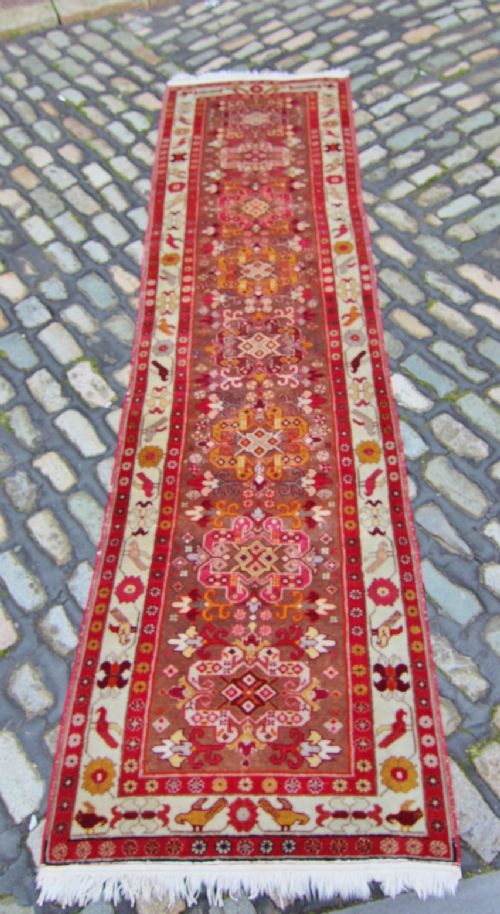
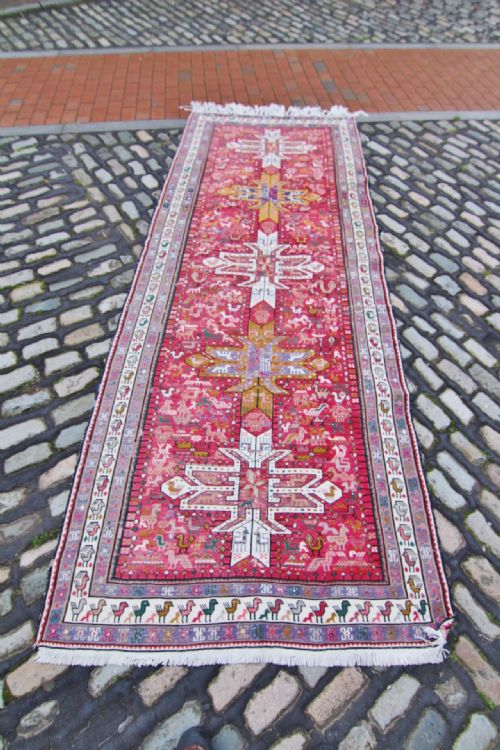
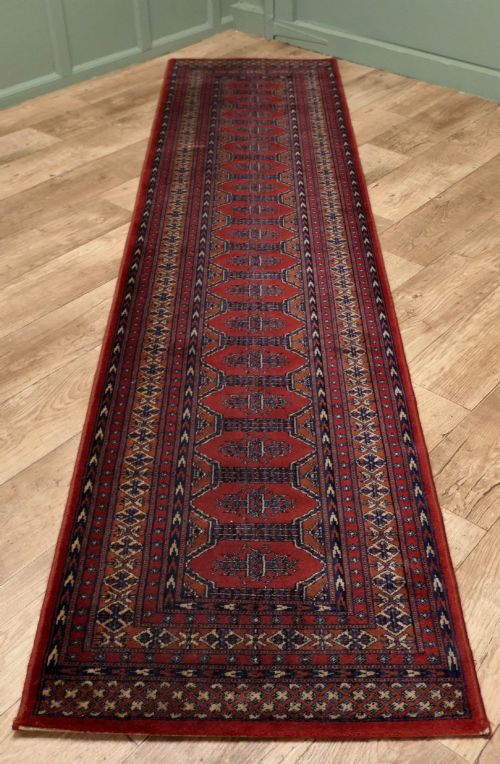
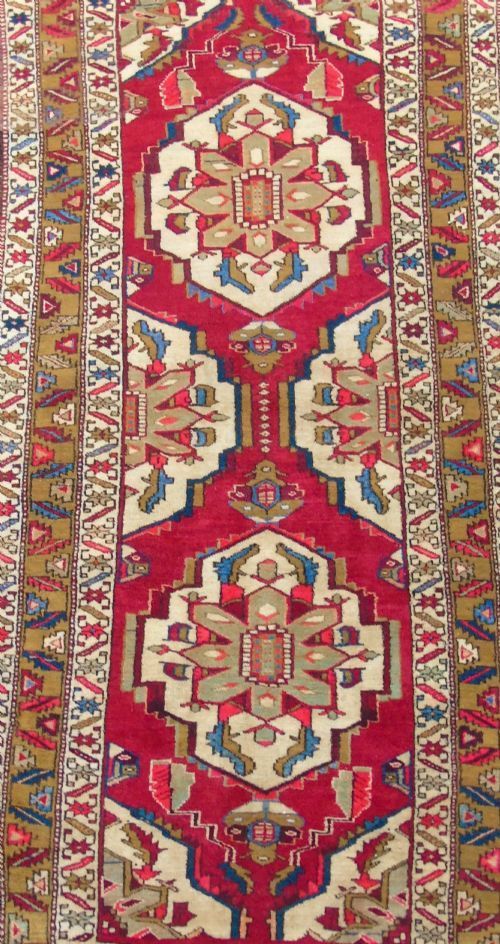
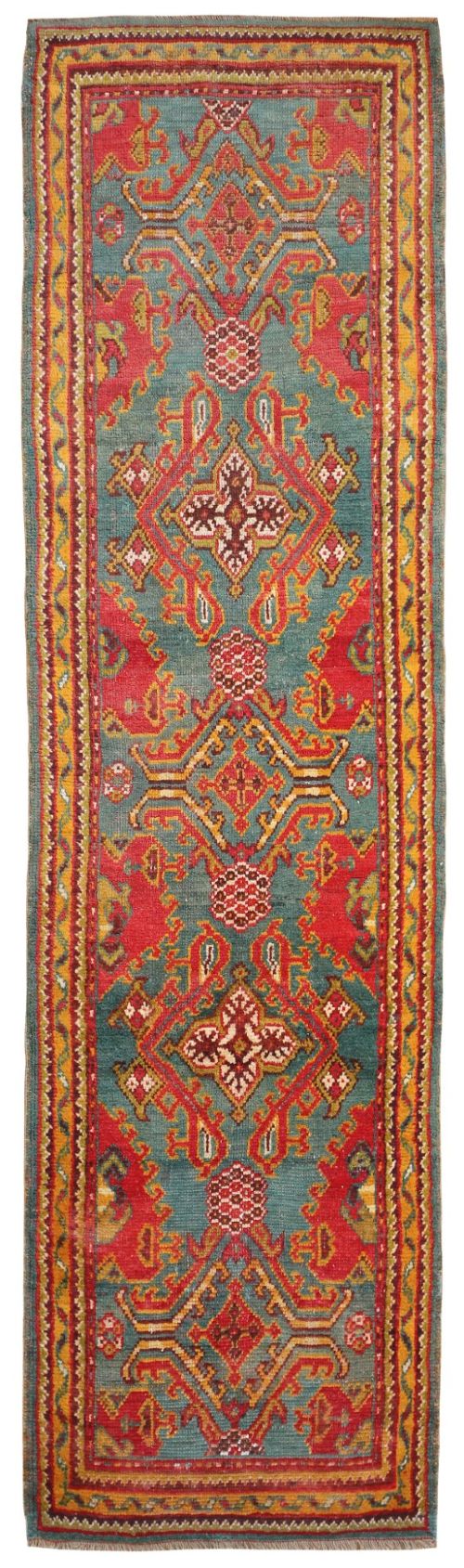
A patterned red hallway runner provides a linear floor covering designed specifically for corridors and narrow domestic spaces. These textiles combine striking crimson backgrounds with intricate motifs originating from various weaving traditions.
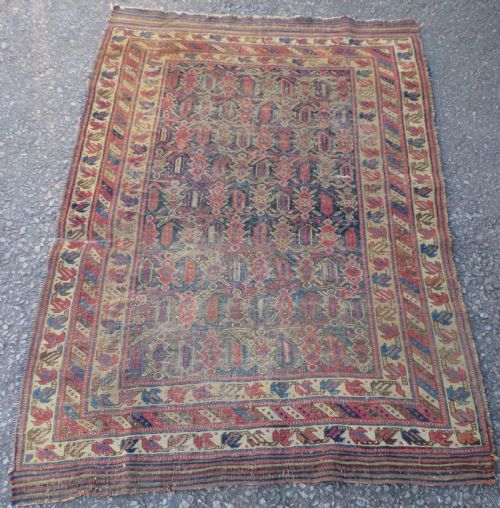
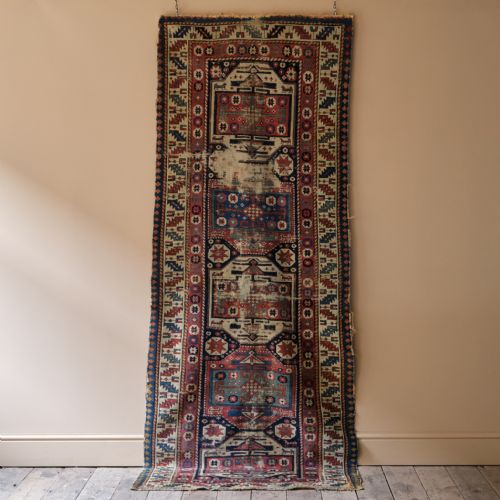
The selections available span from the late nineteenth century through to the early decades of the twentieth century. Examples encompass Persian tribal designs, Caucasian regional patterns, and traditional village weaves.
Narrow formats dominate this selection, featuring lengths tailored for corridors and staircases. Buyers frequently encounter regional Persian workshops and Caucasian tribal pieces sharing characteristic red ground colours.
Materials and Construction Techniques
The pieces listed rely heavily on wool and hand-spun wool foundations tied by hand into durable pile carpets. Cotton often appears in the structural foundations to provide stability and precise geometric alignment.
Weavers utilised natural dyes to achieve the deep reds and contrasting secondary tones seen across these runners. These organic colourants interact with wool fibres to produce rich patination over decades of use.
Patterned Red Hallway Runner Retail Price Guide 2026
Typical asking prices for patterned red hallway runner among the pieces listed under this phrase on Sellingantiques today, from the lower quarter to the upper quarter. They describe what is for sale here now, not the wider market.
Listings feature wool and hand-spun wool textiles created across diverse periods spanning the nineteenth century into the twentieth century.
Evaluating Quality and Execution
Quality separates ordinary utility floor coverings from master artisan expressions through the precision of knot density and the clarity of the design. Finer executions display sharp botanical and geometric outlines even within complex repeating fields.
The depth and brilliance of the natural dyes significantly influence the overall character of the runner. Superior examples maintain harmonious colour saturation throughout the field, whereas lesser pieces display flat or muddy tones.
The Patterned Red Hallway Runner Glossary
- Boteh
- A stylised almond or pear-shaped motif representing a seed or floral spray. This ancient Persian design appears frequently across Caucasian and Kurdish rugs.
- Heriz
- A style of carpet originating from a major weaving centre in north-west Persia. These pieces are recognised for bold geometric medallions and robust structural construction.
- Kelleh
- A specific rectangular format traditionally longer than a standard room rug but wider than a gallery runner. They served important functional roles in traditional Persian interiors.
- Kazak
- A designation for rugs woven by tribal groups in the southern Caucasus. They are celebrated for saturated primary colours and strong geometric layouts.
- Mina Khana
- A repeating geometric flower pattern arranged in an overall grid network. This classical Persian design creates balanced visual symmetry across the textile.
Patterned Red Hallway Runner: Frequently Asked Questions
How do I choose the right length?
Measure your corridor carefully while leaving an equal margin of exposed floor around the perimeter of the rug. Long runners work best when centered properly between opposing walls or doorways.
Consider the placement of furniture and door swings to ensure the textile lies flat without obstruction. Proper clearance prevents excessive wear on the edges of the runner.
Are these runners suitable for stairs?
Many of these long formats function effectively on staircases due to their dense wool construction and durable foundation weaves. Historic carpets require careful installation to support foot traffic along the treads.
Proper underlayment provides essential cushioning and prevents slipping on wooden steps. Regular rotation distributes wear evenly along high-traffic stair sections.
How do I identify a regional design?
Regional characteristics appear in the specific choice of motifs, border arrangements, and structural materials. Caucasian pieces often display bold geometry, while Persian village rugs favour intricate floral sprays.
Examining the weave structure and fringe finishing offers further clues regarding geographic origin. Each weaving tradition utilised distinct colour palettes and knotting techniques.
How do I care for an old wool runner?
Vacuum gently using suction attachment methods without rotating brush bars to protect the fragile wool pile. Professional cleaning removes embedded grit that can damage foundation fibres over time.
Keep antique textiles away from direct sunlight to prevent natural dye fading. Occasional rotation ensures balanced exposure and even wear patterns.