



Geometric Patterned Runner
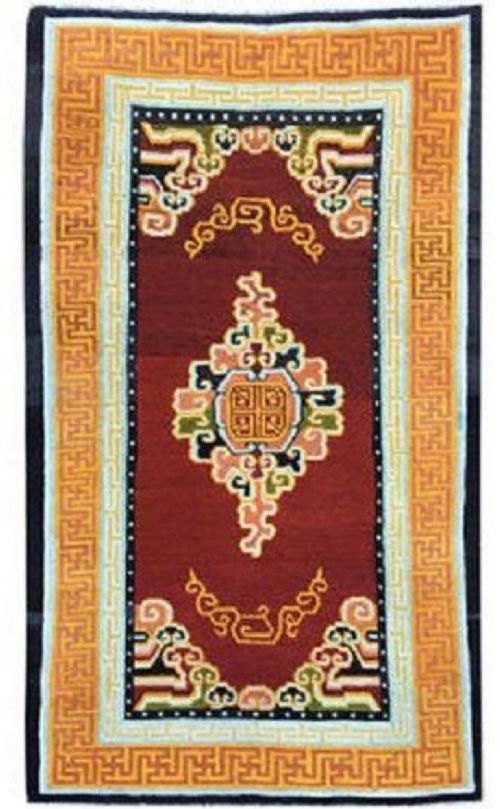
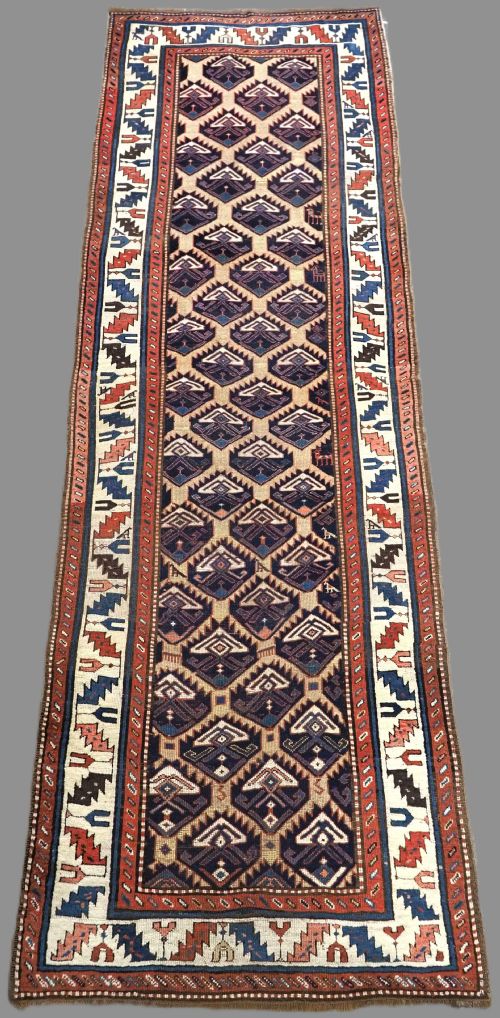
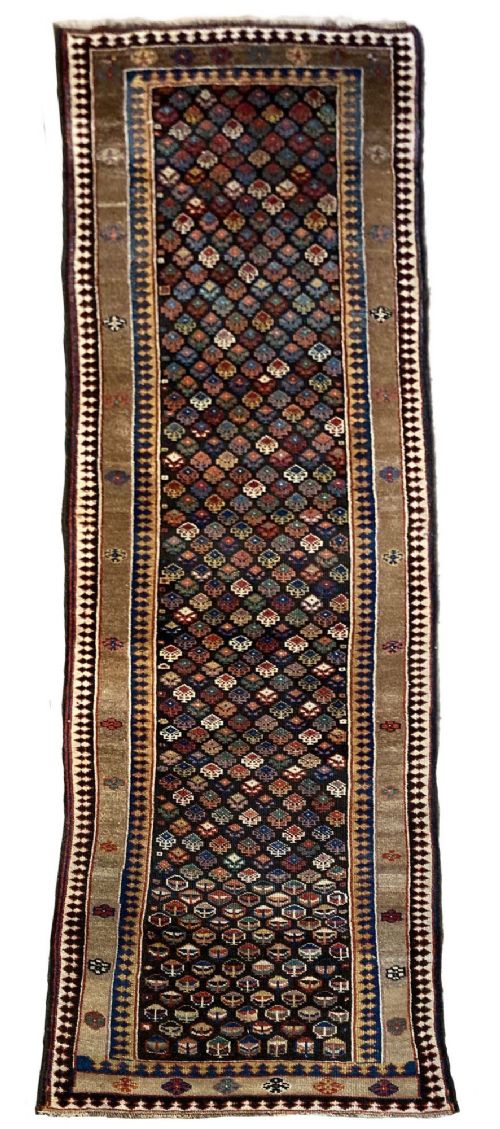
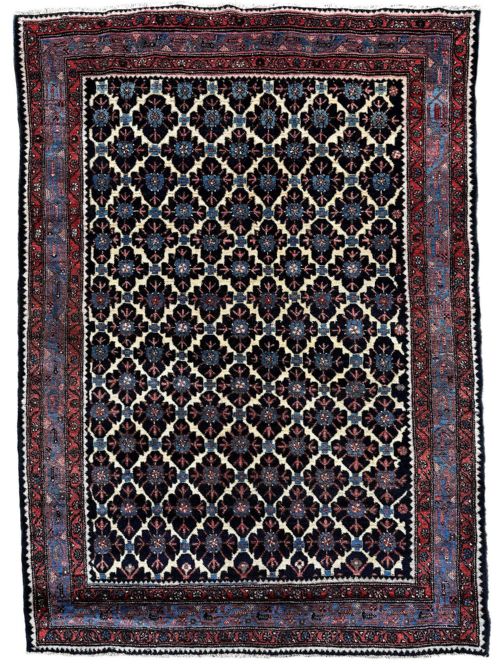
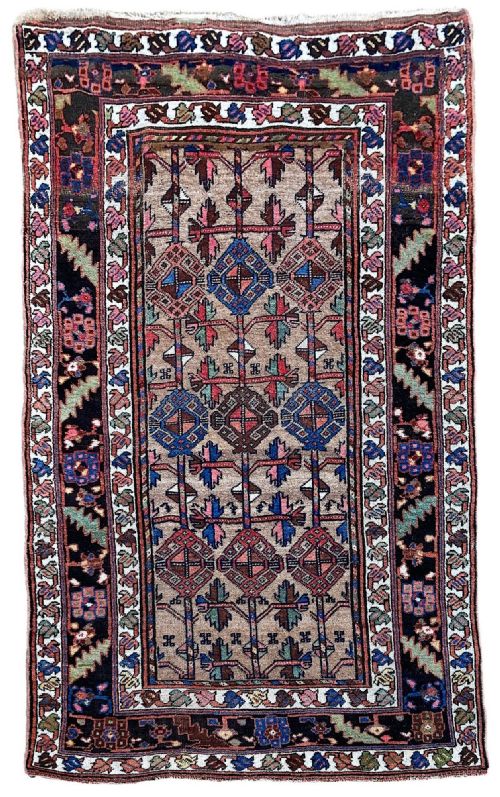
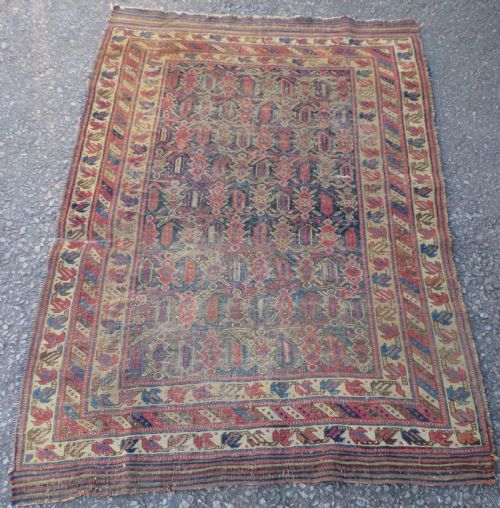
When you search for a geometric patterned runner, you are looking at floor coverings defined by linear motifs, lattice work and tribal designs woven across the nineteenth and early twentieth centuries.
Geometric Patterned Runner
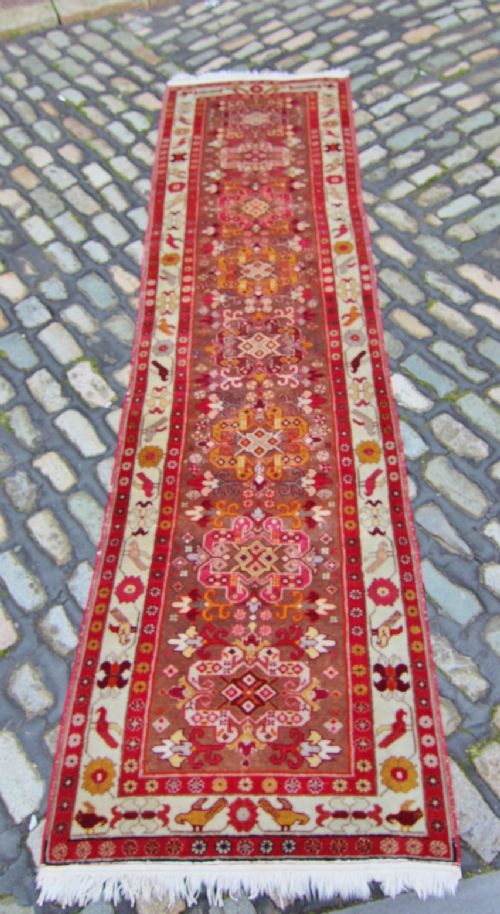
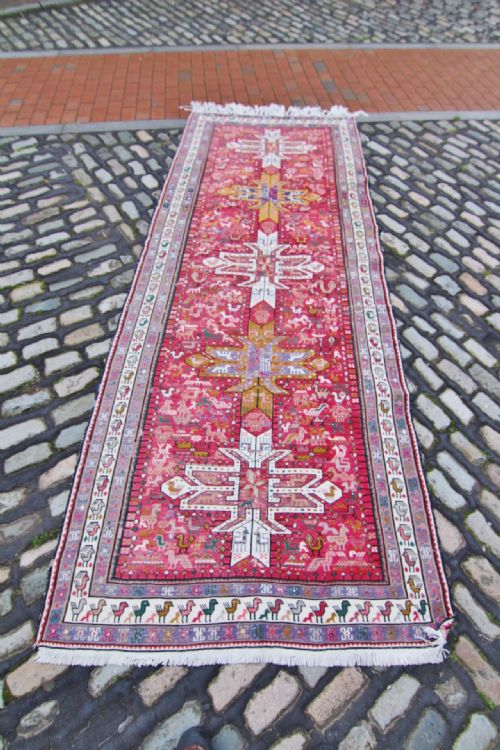
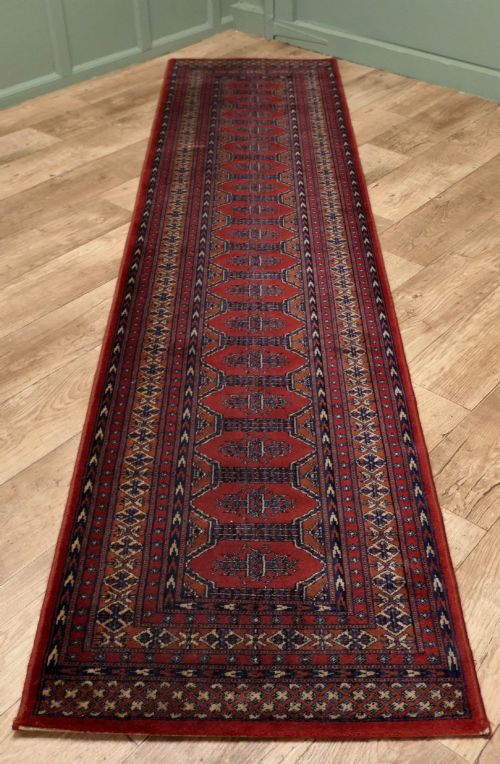
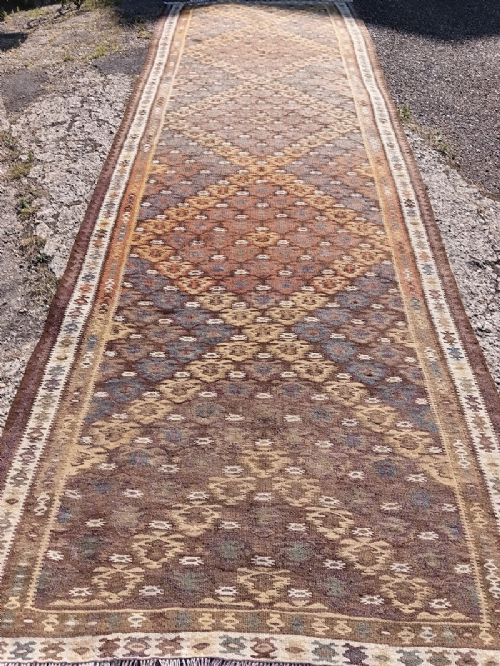
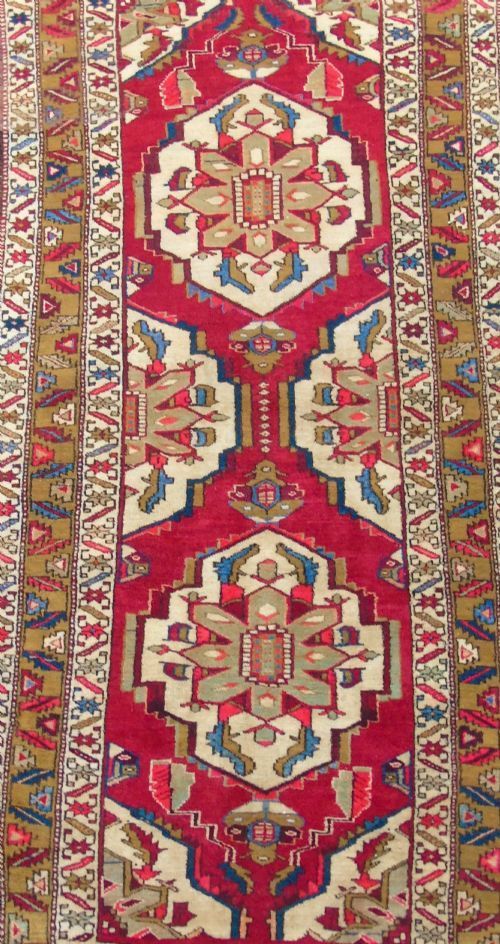
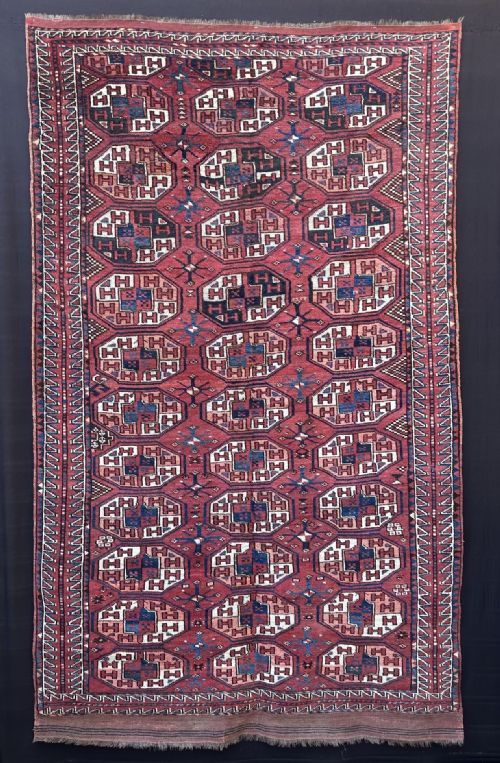
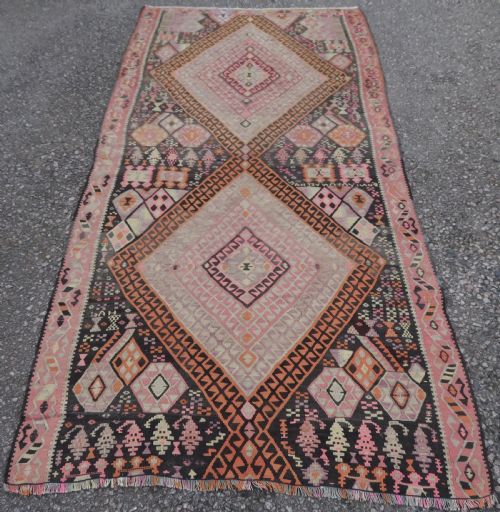
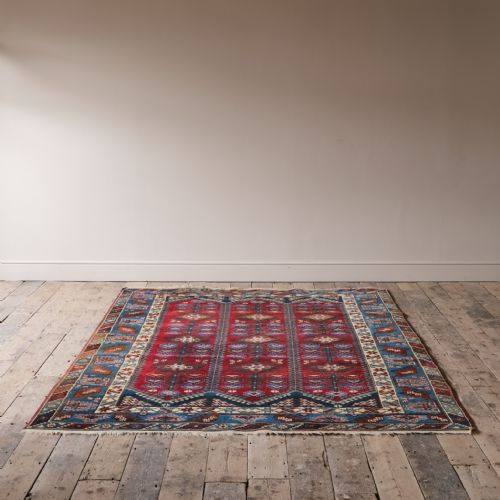
A geometric patterned runner is a narrow, elongated textile designed for hallways, corridors and long spaces, incorporating repeating angles, squares, diamonds and lattice motifs. These pieces originate primarily from Persian, Caucasian, Kurdish, Central Asian and Turkish weaving traditions, spanning from the nineteenth century into the twentieth century.
The versions you are most likely to meet on this page include antique and vintage village rugs and long flatweave kilims created by tribal makers. They display structured layouts of medallions, latch-hooks and directional borders adapted for heavy domestic use in narrow areas.
Materials and construction
These textiles rely predominantly on wool and hand-spun wool for their piles and flatweaves, combined with cotton foundations in specific regional types. The fibres are knotted or woven by hand, absorbing natural dyes that produce deep tones of navy blue, gold and earthy hues.
Weavers constructed these runners using traditional upright looms, employing hand-knotting techniques or flatweave methods depending on whether they produced piled carpets or kilims. The integrity of the structure depends on tight packing of the warp and weft threads.
Geometric Patterned Runner Retail Price Guide 2026
Typical asking prices for geometric patterned runner among the pieces listed under this phrase on Sellingantiques today, from the lower quarter to the upper quarter. They describe what is for sale here now, not the wider market.
Several antique runners display charming asymmetries, proving the human weaver simply forgot to count their stitches.
Assessing quality
The standard of a runner is determined by the precision of the geometric layout, the density of the knotting or tightness of the weave, and the harmony of the natural dyes. Superior examples maintain straight structural lines and crisp edges across long distances, despite the organic slight irregularities inherent in hand-woven tribal work.
Quality also rests in the handling of the wool and the depth of the palette. Finer pieces show careful selection of hand-spun yarn that accepts natural dye variations evenly, ensuring the geometric pattern retains visual rhythm along the entire length of the hallway runner.
The Geometric Patterned Runner Glossary
- Kilim
- A flatwoven carpet or rug produced without a pile. These pieces rely on tightly interlocked warp and weft threads to form sharp geometric patterns.
- Lattice
- A repeating open framework of criss-crossing lines forming diamonds or grid patterns across the field of the runner.
- Warp
- The vertical threads stretched tightly on the loom before weaving begins. The foundation supports the entire structure of the rug.
- Weft
- The horizontal threads passed back and forth over and under the warp threads. They bind the knots and close the structure of the textile.
Geometric Patterned Runner: Frequently Asked Questions
Where should I place a geometric runner?
These narrow textiles suit hallways, corridors and entryways where their elongated format can guide movement through a home.
They also work effectively in narrow kitchens, bed sides or galleries to add texture and linear visual interest to transitional spaces.
How do I care for an old wool runner?
Regular gentle vacuuming without a rotating brush roll prevents dust and grit from settling into the wool pile or flatweave foundation.
Professional specialist cleaning is recommended for antique textiles to protect natural dyes and preserve the wool fibres.
What periods do these runners come from?
The pieces listed span from the nineteenth century through the early decades of the twentieth century, including Victorian and Edwardian eras.
Production dates reflect traditional tribal methods carried on across generations in regions like Persia, the Caucasus and Central Asia.
Are these runners made by hand?
Every piece recorded here is hand-woven or hand-knotted using traditional village and tribal techniques passed down through local weaving communities.
Makers utilised hand-spun wool and natural dyes, resulting in individual variations that distinguish them from mass-produced factory floor coverings.