


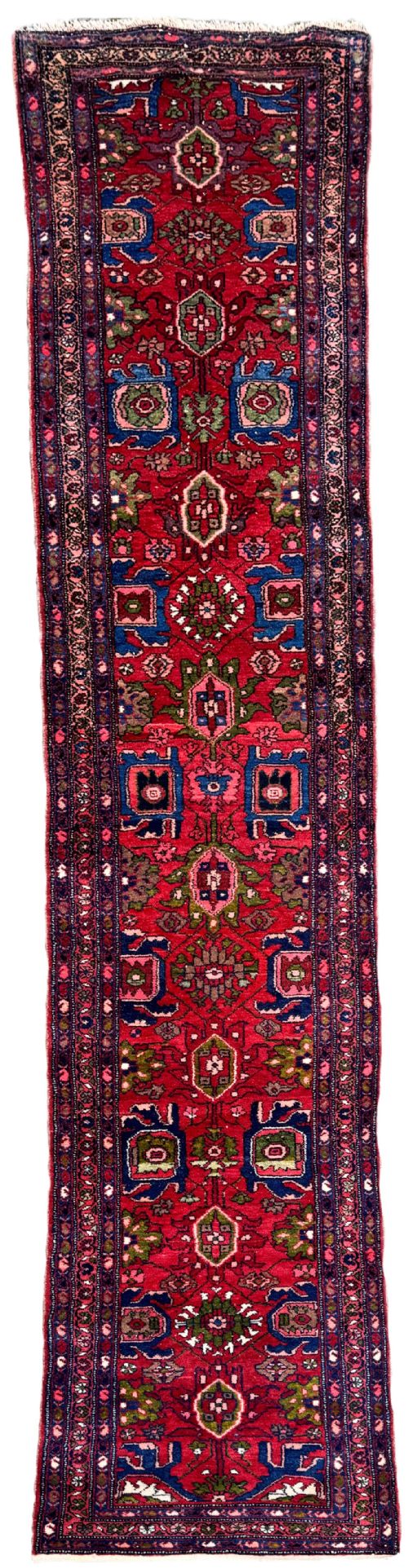
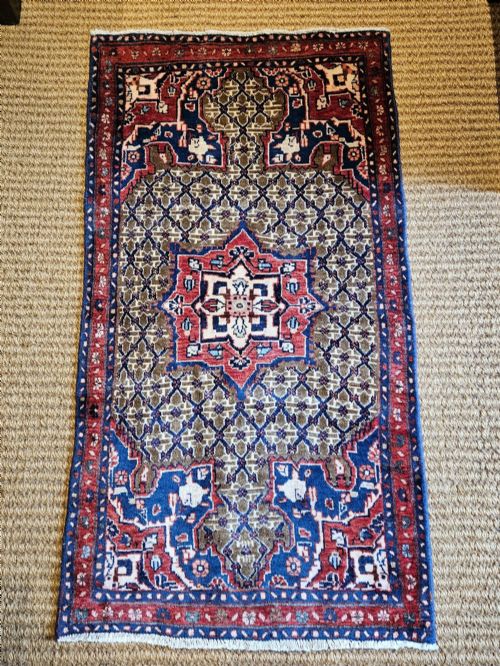
Red Geometric Runner Rug
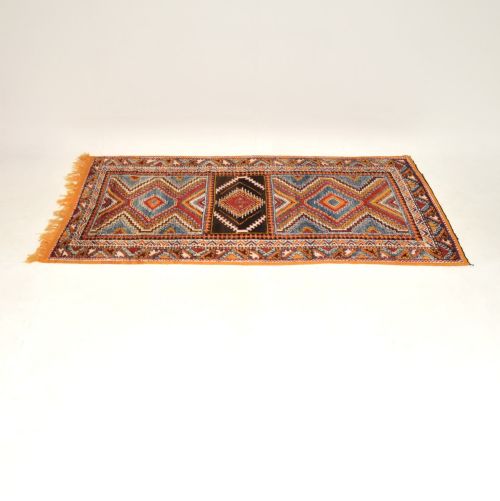
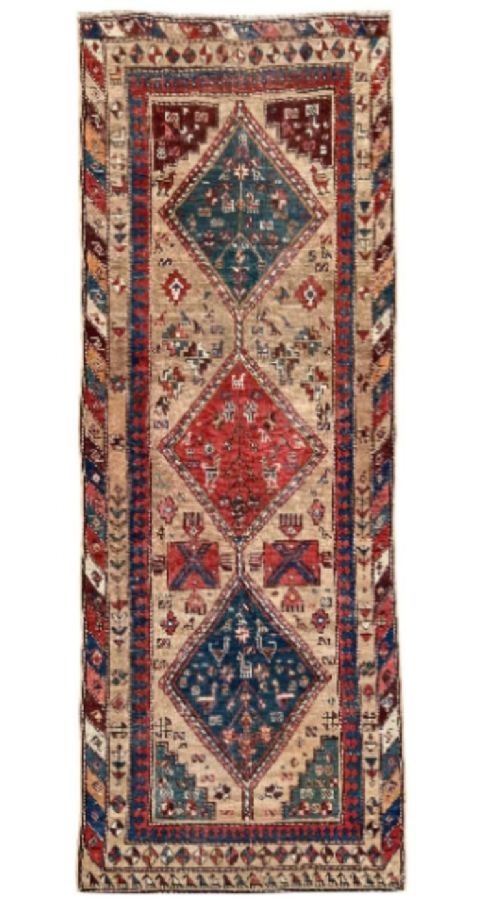
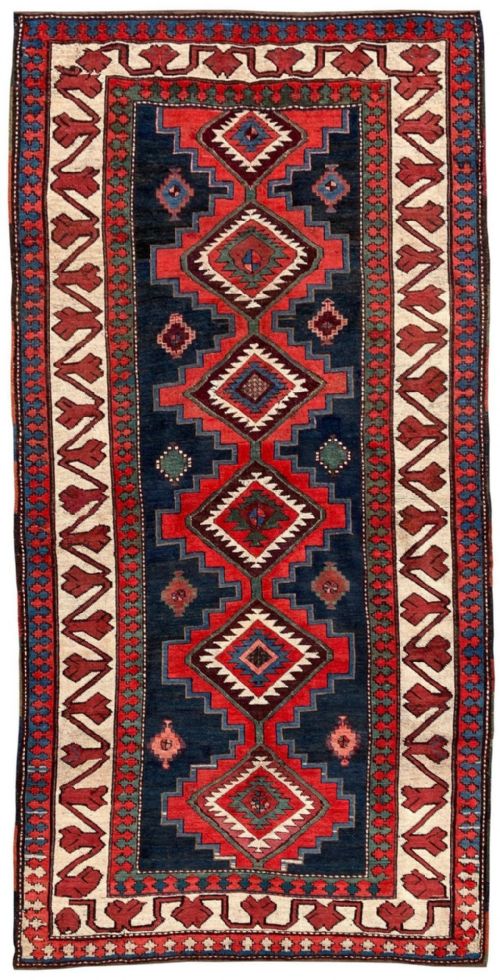
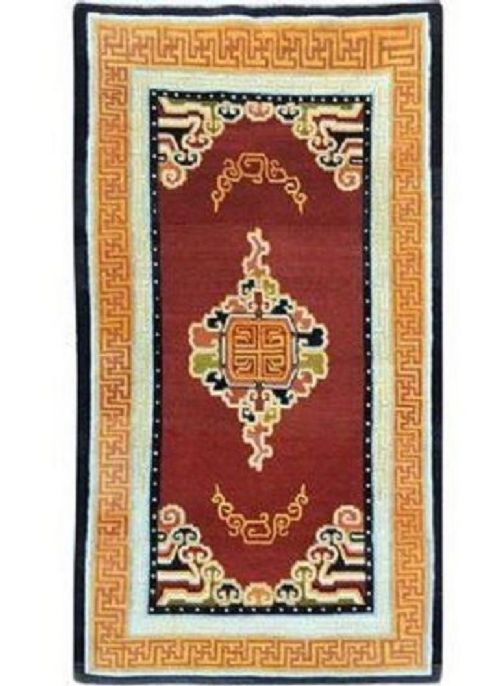
A red geometric runner rug brings linear rhythm and saturated wool pile to narrow hallways, anchoring a passage with tribal symbolism.
Red Geometric Runner Rug
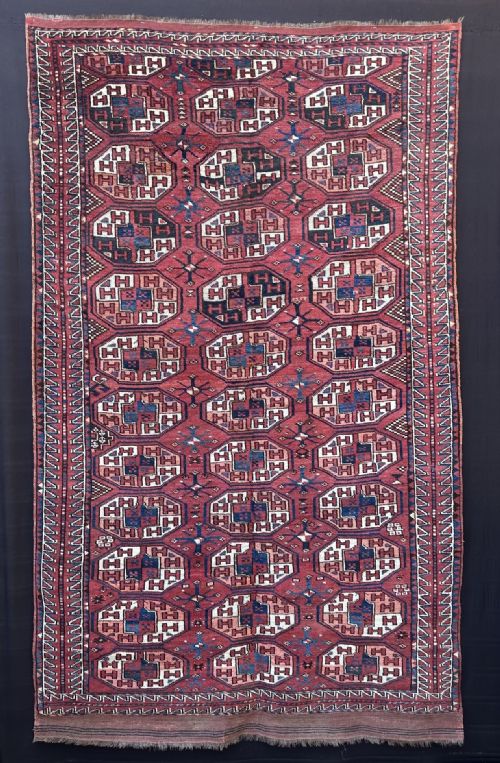
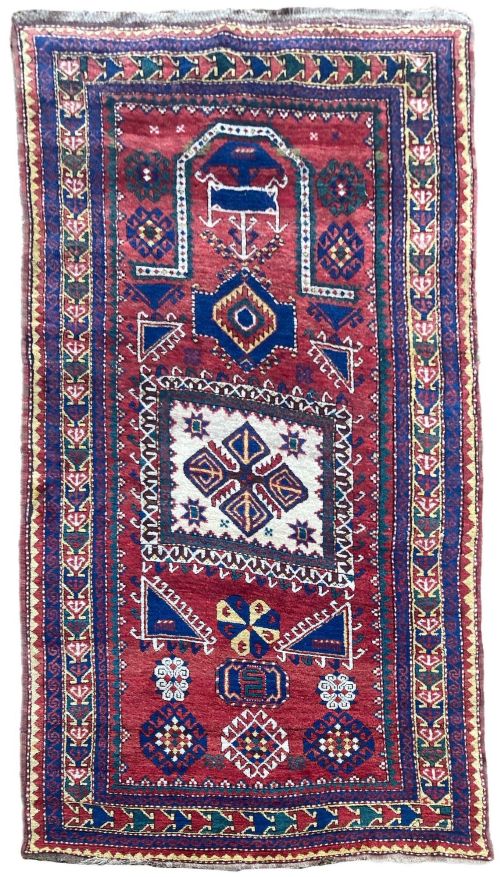
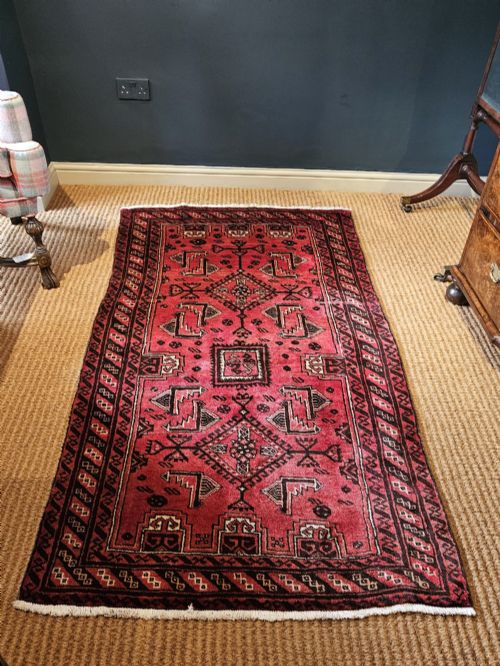
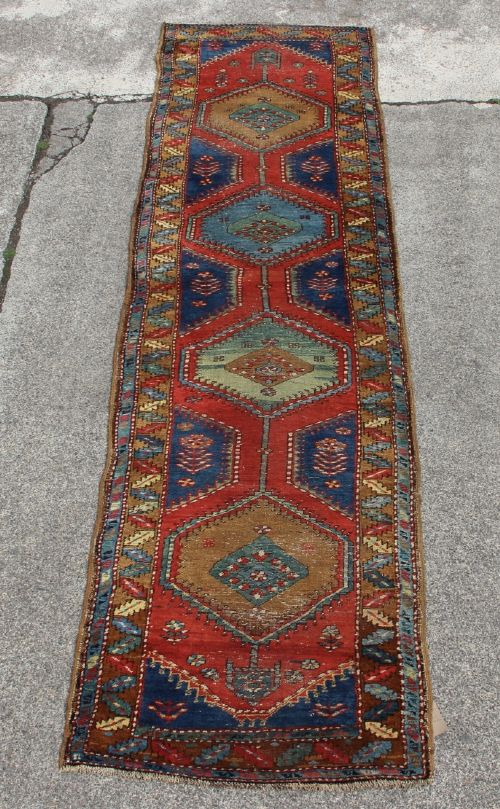
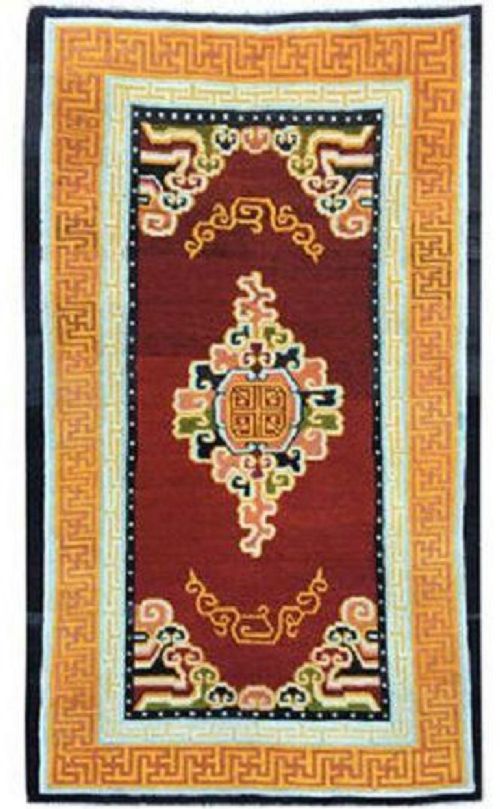
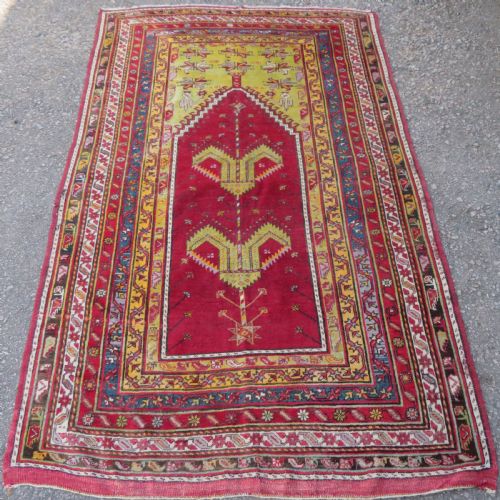
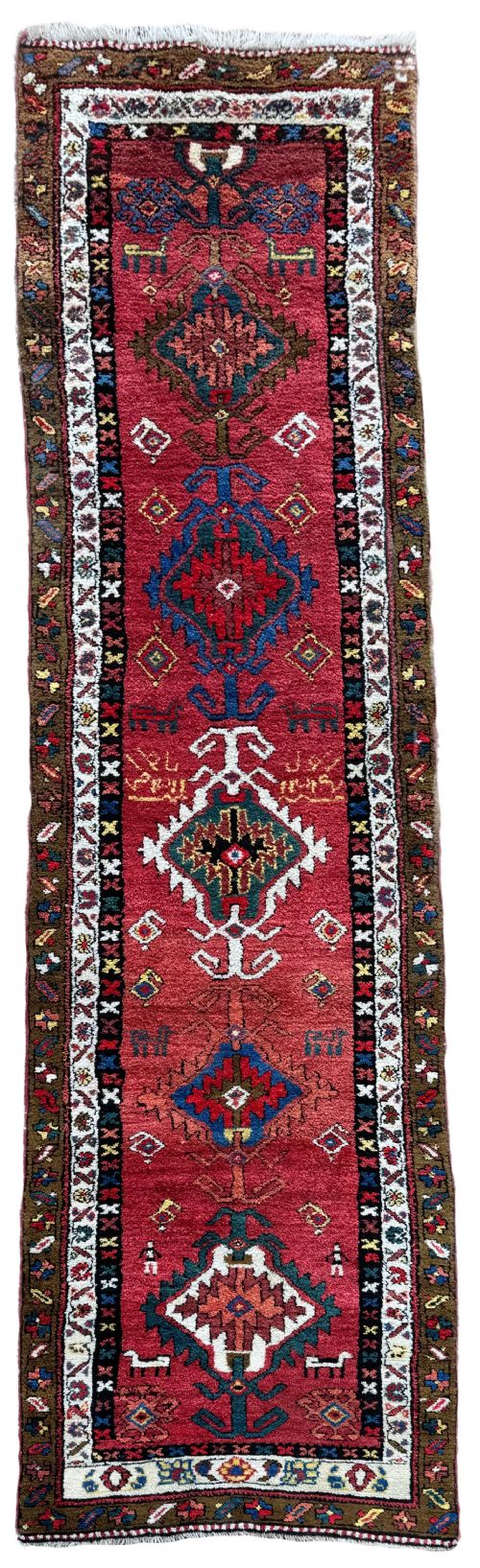
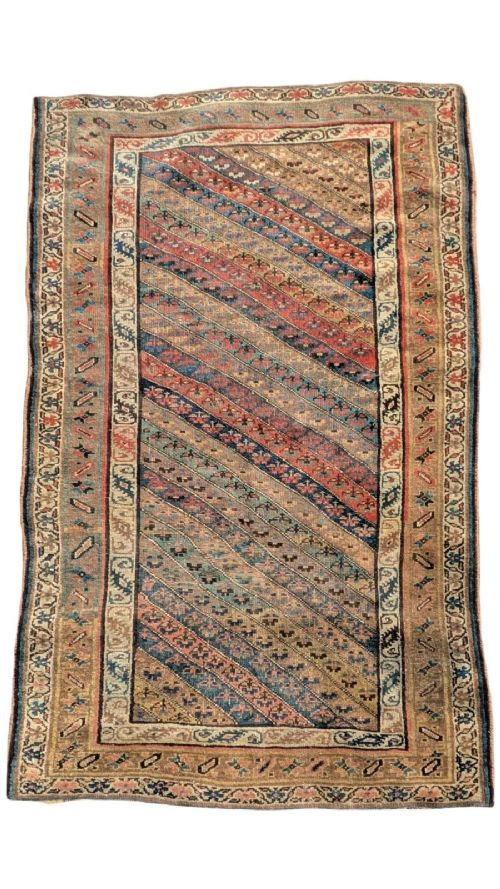
A red geometric runner rug is a long, narrow floor covering defined by angular motifs, medallions, and lattice structures rendered primarily in red tones. When searching for a red geometric runner rug, buyers encounter elongated formats designed specifically for hallways and corridors. These textiles originate from weaving traditions across Persia, the Caucasus, Anatolia, and Central Asia, spanning the nineteenth and early twentieth centuries.
The most common examples on this page are antique and vintage village or tribal runners measuring over two metres in length. Pieces hailing from regions such as Hamadan, Heriz, and the Caucasus dominate the selection, bringing rectilinear patterns executed by nomadic and settled weavers. Each runner combines utility with distinct cultural iconography expressed through repeated octagons, crosses, and hooked polygons.
Materials and construction
These runners are constructed with wool pile knotted onto foundational warps and wefts typically made of wool or cotton. The resilience of these floor coverings relies on dense hand-knotting that secures the pile upright, allowing the runner to endure heavy corridor traffic over generations. Weavers utilised sturdy natural fibres that accept dye deep into the core of each strand.
Colour derives from natural dyes applied to wool, producing rich reds alongside contrasting indigo, ivory, and earthy secondary tones. Natural dye sources yield subtle tonal variations across the field, giving the surface an organic depth that synthetic colourants cannot replicate. The combination of durable wool and plant-derived pigments ensures the textiles age with grace.
Listings feature antique and vintage pieces predominantly from 1870 to 1930, utilising wool, cotton, and natural dyes.
Elements of distinction
Quality in these runners resides in the crispness of the drawing and the saturation of the palette. Finer examples display precise geometry where motifs maintain sharp edges and balanced proportions along the entire length of the runner. The handling of the wool foundation dictates how flat the piece lies and how crisply the pattern resolves.
The sophistication of the dye work further separates standard examples from exceptional ones. Rich, glowing reds achieved through traditional dyeing methods create a vibrant visual tension with the secondary colours in the geometric field. Greater complexity in the tribal iconography and harmonious colour saturation elevate the artistic merit of the weaving.
The Red Geometric Runner Rug Glossary
- Runner
- A long, narrow carpet format traditionally woven for hallways, corridors, and bedside placement. The proportions typically exceed a length-to-width ratio of three to one.
- Pile
- The upright cut or looped wool surface of a rug that forms the soft upper layer. Pile density contributes directly to the longevity and weight of the textile.
- Warp
- The vertical foundation threads stretched tightly on the loom before knotting begins. Weft threads are inserted across these warps to lock the knots in place.
- Natural Dyes
- Colourants extracted from plants, insects, and minerals rather than synthetic chemical sources. These dyes yield harmonious patination as the textile ages.
- Mihrab
- An architectural niche motif commonly found in prayer rugs, designed to indicate the direction of prayer. This arched shape frequently appears in Caucasian and Anatolian weaving.
- Lattice
- An open network of crisscrossing diagonal lines forming repeating diamond or hexagonal compartments across the field. This geometric framework often encloses secondary floral or tribal motifs.
Red Geometric Runner Rug: Frequently Asked Questions
Where should I place a runner?
These narrow floor coverings suit high-traffic transitional zones such as hallways, corridors, and stair landings. Their elongated proportions guide movement through a home while protecting timber or stone flooring.
Placing one in a narrow kitchen galley or alongside a bed introduces warmth and texture underfoot. The robust wool construction handles daily foot traffic effectively when supported by an appropriate underlay.
How do I care for antique wool?
Regular gentle vacuuming without a rotating beater bar removes embedded grit and dust from the wool pile. Avoid aggressive shaking or beating, which can stress the aged foundation threads.
Professional specialist cleaning is recommended for deep washing to preserve the natural lanolin in the wool. Keeping the textile out of direct, prolonged sunlight prevents the red dyes from fading unevenly over time.
What defines tribal weaving?
Tribal rugs are woven by nomadic or village communities working from memory and cultural tradition rather than rigid workshop cartoons. The designs feature stylized geometric motifs, bold amulets, and symbols passed down through generations.
These pieces often display charming irregularities in symmetry and line, reflecting the individual hand of the weaver. Such characteristics mark the distinction between spontaneous village artistry and commercial urban production.
How do I identify regional styles?
Caucasian runners typically feature crisp, angular medallions, bright primary palettes, and symmetrical geometric borders. Persian village pieces from regions like Heriz or Hamadan often incorporate larger scale Herati or geometric lattice patterns with muted earthy tones.
Anatolian and Baluch examples present distinct prayer niches, darker overall colour schemes, and idiosyncratic tribal markers. Examining the structure of the fringe, side cords, and knotting assists in confirming the specific origin.