



Vintage Passage Carpet
These vintage passage carpet selections bring lasting character to corridors and stairways through woven wool and cotton.
Vintage Passage Carpet
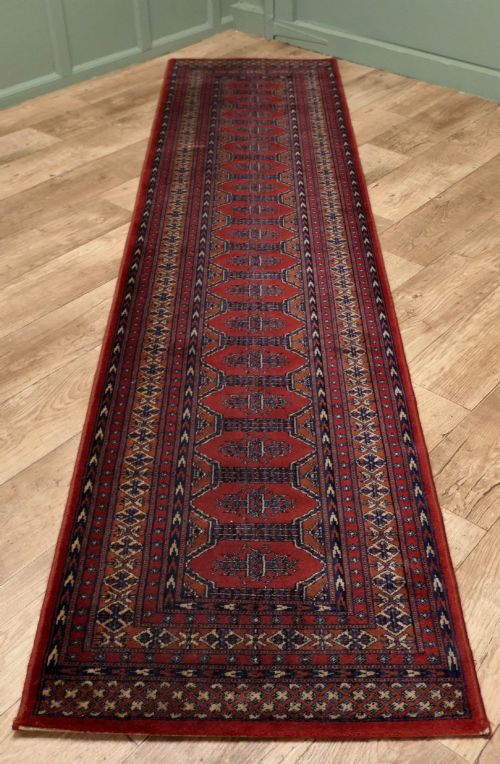
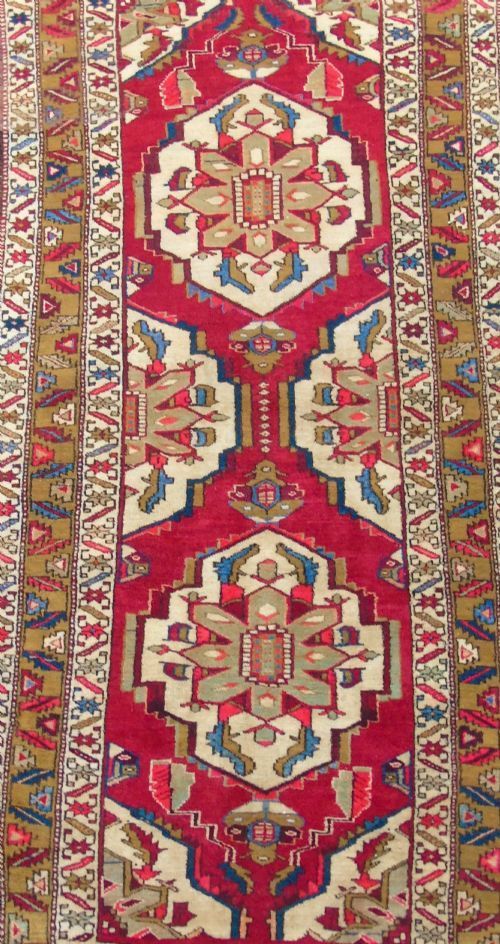
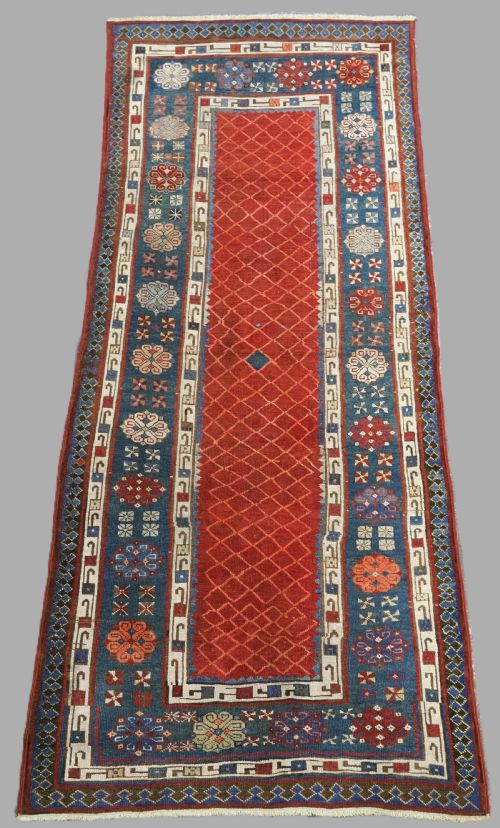
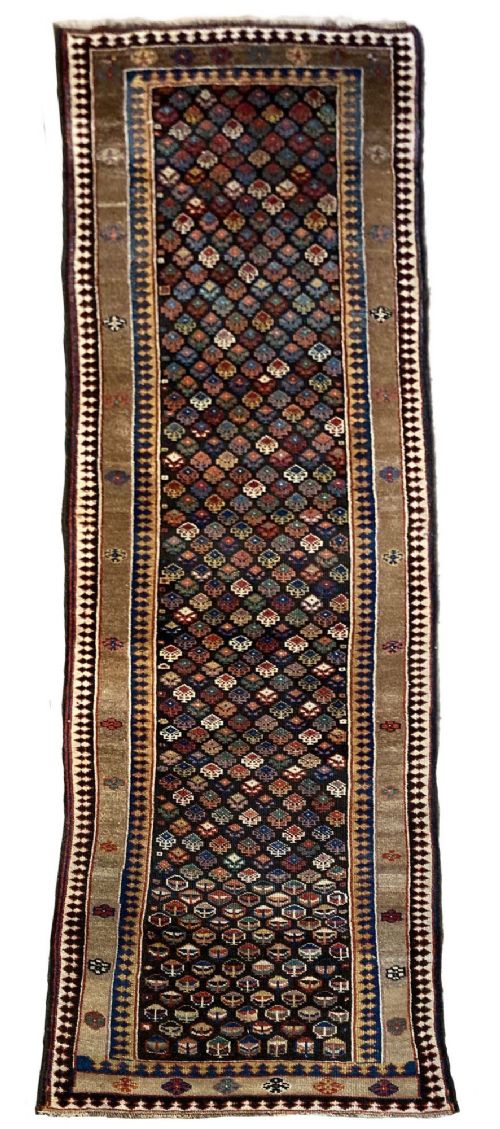
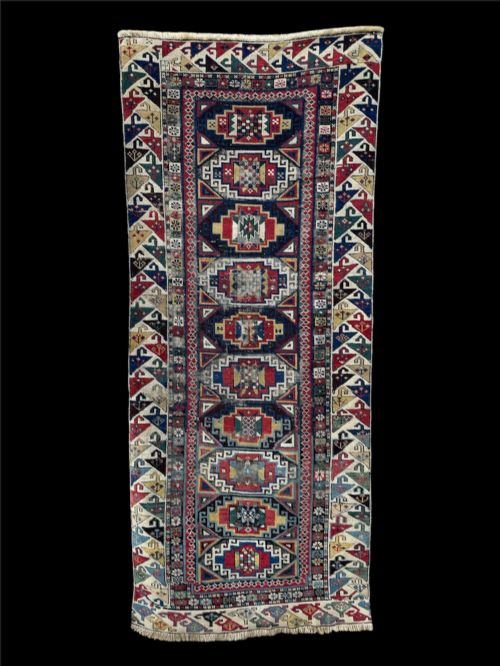
A vintage passage carpet is typically a long, narrow runner designed specifically for hallways, stairs, and narrow rooms. The pieces gathered here span various weaving traditions, including Caucasian and Persian origins such as Heriz, Bidjar, Kurdish, and Shirvan styles.
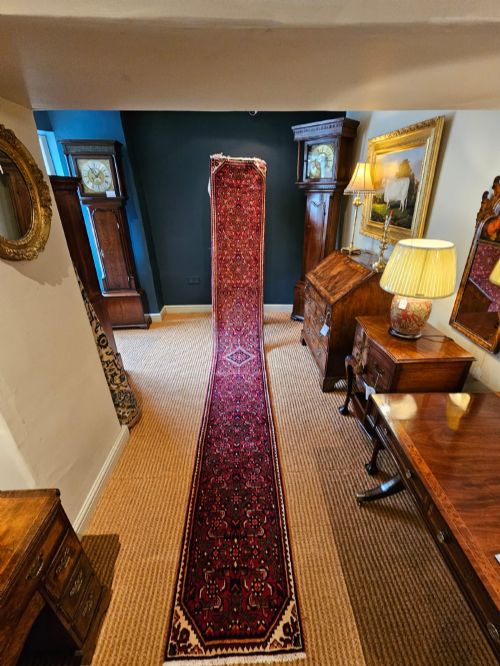
Most examples found on this page date from the nineteenth century up through the nineteen-thirties, reflecting traditional tribal and village weaving methods. They appear in formats ranging from modest six-foot lengths to exceptionally long narrow proportions suited for extended corridors.
How they were made
These floor coverings utilise natural wool for the pile and often cotton for foundations, providing durability for high-traffic hallways. Weavers tied pile knots by hand onto warp and weft threads, creating dense structures designed to endure decades of use.
Dyers employed natural materials to colour the wool, producing deep indigo blues, rich ivories, and olive greens that mellow gracefully over time. Geometric lattice work, shrub motifs, and diagonal stripes were woven directly from memory or traditional tribal patterns.
Vintage Passage Carpet Retail Price Guide 2026
Typical asking prices for vintage passage carpet among the pieces listed under this phrase on Sellingantiques today, from the lower quarter to the upper quarter. They describe what is for sale here now, not the wider market.
One extraordinary pair stretches to nearly thirteen metres in length, designed to span palatial hallways without a break.
What varies in quality
Knot density and structural tightness set finer examples apart from coarser village work, influencing how sharply the geometric and floral designs resolve. Tighter packing of the foundation threads results in a firmer handle and greater resilience under foot.
The choice of wool and the depth of the pile influence both texture and longevity. Richness and clarity of natural dyes separate average specimens from those possessing exceptional visual depth.
The Vintage Passage Carpet Glossary
- Runner
- A long, narrow carpet format traditionally utilised in hallways, corridors, and upon staircases. These pieces are specifically proportioned for confined spaces.
- Pile
- The vertical or upright loop of yarn that forms the surface texture of the carpet. This is constructed by hand-tying knots onto the foundation warp.
- Warp
- The stationary longitudinal threads stretched onto a loom before weaving begins. Weft threads are subsequently passed across them to secure the knots.
- Boteh
- An ancient teardrop or almond-shaped motif representing a floral spray or cypress tree. It appears frequently in traditional Persian and Kurdish designs.
- Ground
- The main background field colour of a carpet upon which central medallions, lattice work, or repeated motifs are set.
Vintage Passage Carpet: Frequently Asked Questions
Where should I place a long runner?
These pieces fit naturally along narrow hallways, entryways, and beside beds where floor space is limited. Their elongated proportions guide the eye and soften wooden floorboards.
Staircases also accommodate these narrow formats well, provided the length matches the vertical and horizontal rise of the steps.
How do I care for wool carpets?
Regular gentle vacuuming without a rotating brush roll helps remove grit from the wool pile. Professional cleaning preserves the natural lanolin and protects the dye stability.
Placing an appropriate underlay beneath the floor covering prevents slipping and reduces friction against hard flooring.
What periods do these pieces span?
The inventory encompasses work from the nineteenth century through the early decades of the twentieth century. Dates often centre around the eighteen-eighties to nineteen-thirties.
This era captures traditional village and tribal production before mass-industrialisation altered regional weaving methods.
How are Persian and Caucasian styles different?
Persian weaving frequently incorporates curved floral motifs, detailed shrub patterns, and large medallion layouts. These reflect structured workshop traditions across regions like Heriz and Bidjar.
Caucasian styles tend to feature sharper geometric lattices, diagonal stripes, and bold tribal symbolism originating from areas such as Shirvan and Karabagh.