


Patinated Bronze Relief
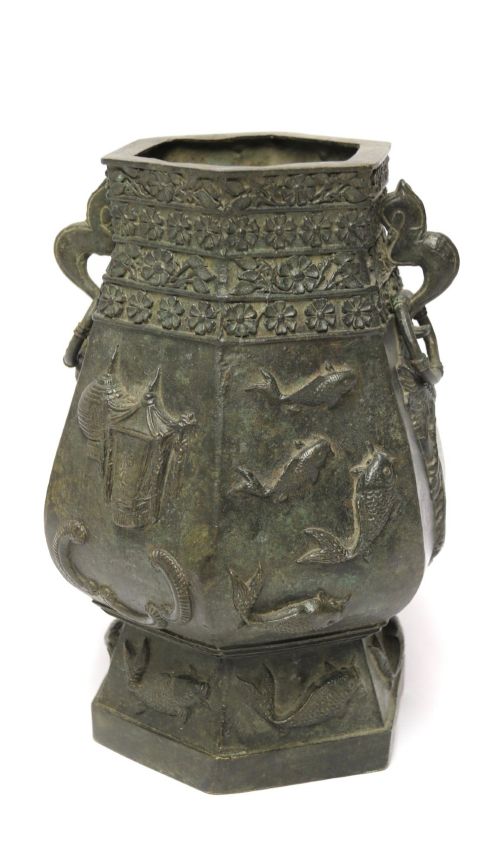
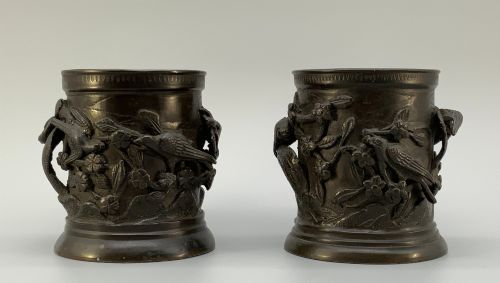
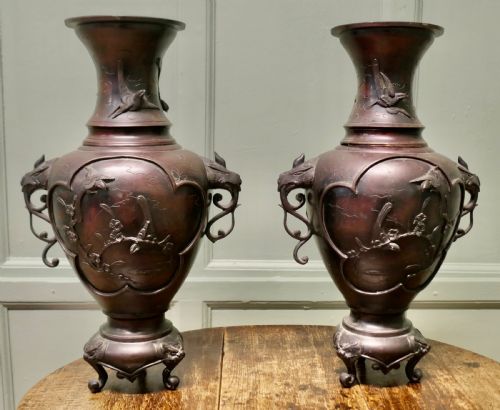
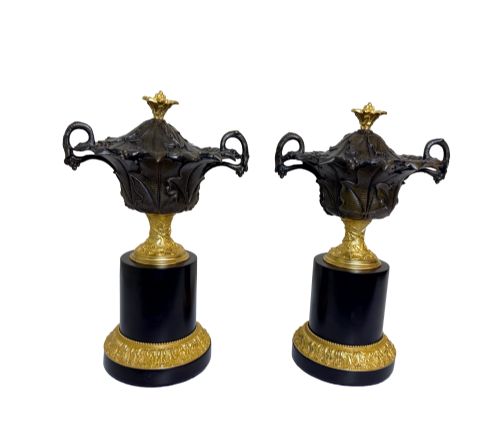
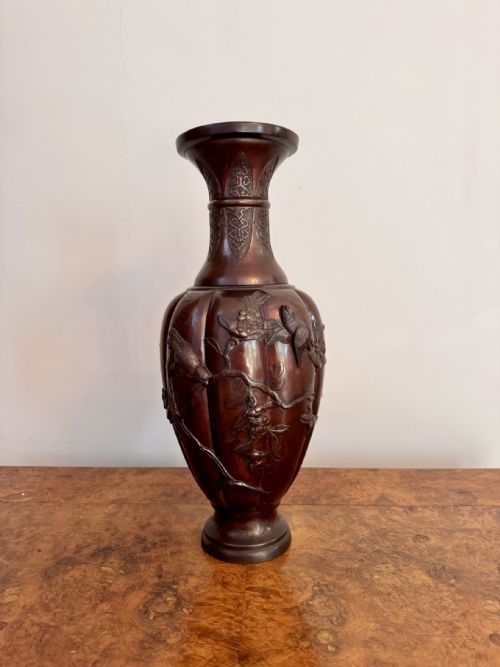
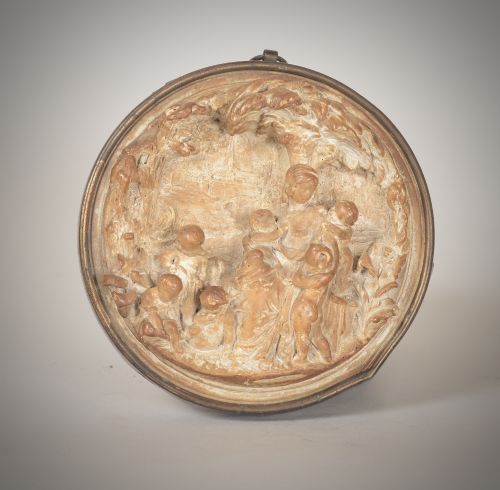
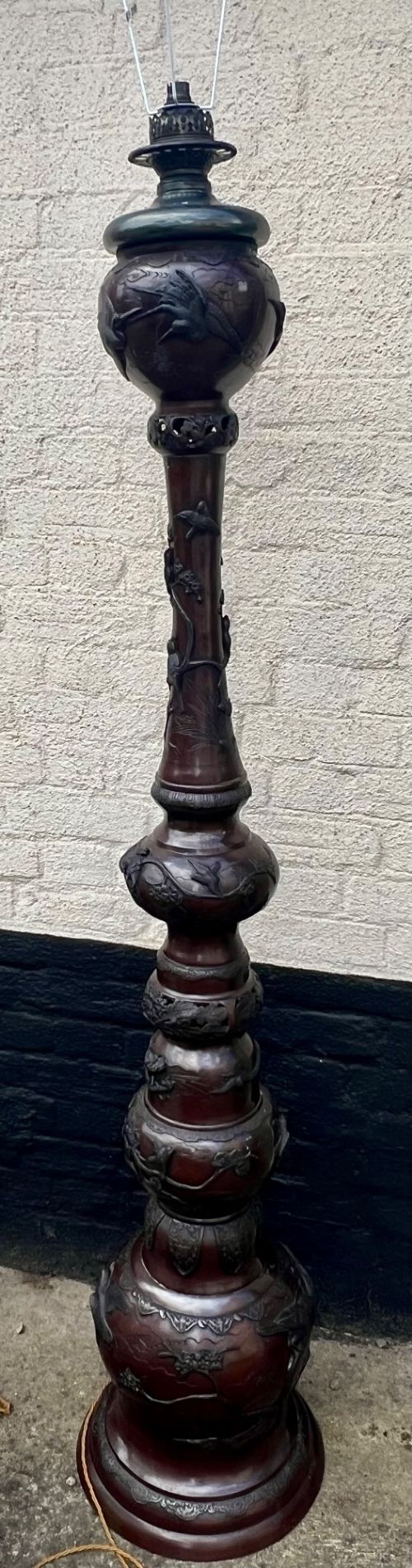
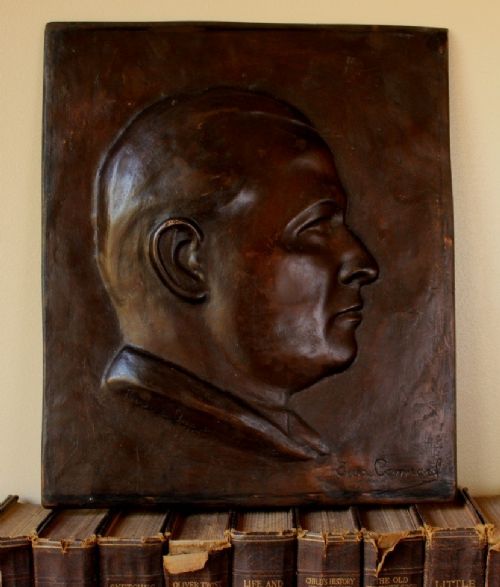
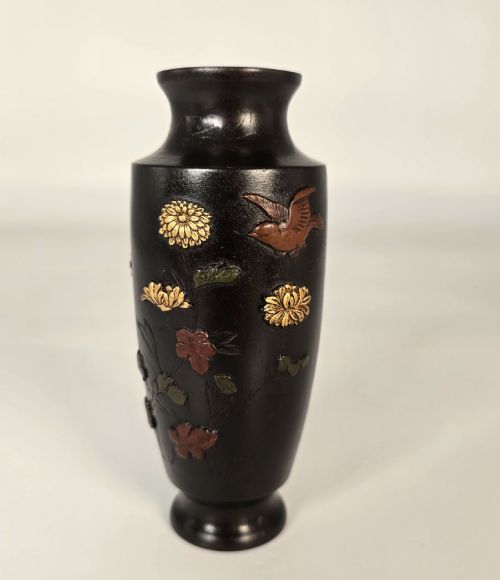
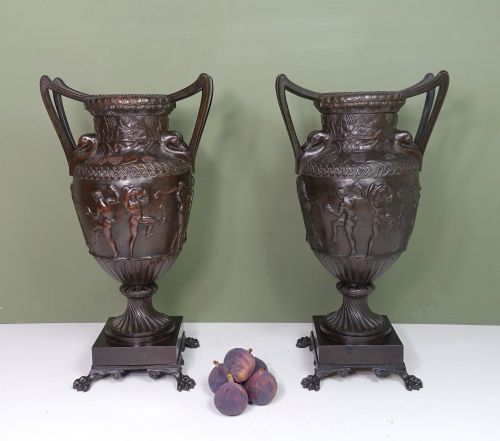
These pieces of patinated bronze relief offer tactile depth and historic character, bringing classical and Meiji subjects into a room.
Patinated Bronze Relief
A buyer seeking a patinated bronze relief encounters sculptural plaques, wall ornaments, and cast portraits originating largely from the nineteenth century. These objects draw heavily upon Classical Revival, Grand Tour, and Meiji period traditions, manifesting as flat wall plaques or three-dimensional vessels carrying raised surface decoration.
The most common formats on this page combine cast metal with dark chemical patination to accentuate modelled figures, floral motifs, or historical profiles. Many originate from European workshops following neoclassical tastes or stem from Japanese metalworking traditions of the late nineteenth century.
How they were made
Metalworkers utilised traditional casting techniques, pouring molten bronze, brass, or copper into moulds to create high or low relief surfaces. Plaster also served as a base material for certain portrait reliefs, offering a lighter alternative to cast metal.
Chemical patination was subsequently applied to the surface to accelerate oxidation, yielding dark brown, green, or black tones that highlight the modelled details. Gilt bronze and mixed metal highlights were occasionally added to create contrast against the darkened background.
A heavy bronze mortar designed for grinding herbs sits quietly among the decorative vases and wall plaques.
What varies in quality
The depth and stability of the surface patination also determine the visual weight and longevity of the piece. High-quality objects display even chemical treatments that have aged gracefully, whereas inferior pieces may show uneven or modern paint layers applied to mimic age.
Eugene Canneel·Smith, Beck and Beck·J Lavergne
The Patinated Bronze Relief Glossary
- Patination
- The process of treating a metal surface with chemicals, heat, or acids to produce a coloured oxidation layer. This technique protects the metal while enhancing the visual contrast of relief work.
- Relief
- A sculptural technique where the sculpted elements remain attached to a solid background of the same material. High relief projects significantly from the surface, while low relief sits flatter.
- Grand Tour
- A cultural journey undertaken by wealthy young Europeans in the eighteenth and nineteenth centuries to study classical art. Souvenirs from these travels frequently included bronze plaques, inkwells, and small sculptures.
- Meiji Period
- The era in Japanese history spanning from 1868 to 1912, characterised by extensive international trade. Bronzes from this time often feature intricate birds, blossoms, and dragons.
- Neoclassical
- A Western style inspired by the classical art and culture of ancient Greece and Rome. This aesthetic influenced nineteenth-century plaque designs and decorative metalwork.
Patinated Bronze Relief: Frequently Asked Questions
How should I clean patinated bronze relief pieces?
Dust gently with a dry, soft cloth to prevent accumulation in the recesses of the relief. Avoid water, harsh chemical cleaners, or metal polishes that can strip the historic patination from the surface.
Allow a natural protective layer to remain on the bronze over time. Minimal handling preserves the chemical finish achieved during the nineteenth century.
Where can I hang a bronze wall plaque?
Mount the plaque on a solid wall using fixings appropriate for the weight of the metal. Ensure the display location avoids direct, harsh sunlight and excessive moisture to protect the patinated surface.
Pair the piece with neutral wall colours that allow the dark tones of the bronze relief to stand out clearly.
How do I distinguish Meiji period bronzes from European works?
Meiji period pieces frequently feature naturalistic subjects such as birds, blossoms, and dragons executed with distinct Japanese metalworking techniques. European works from the same era lean towards classical motifs, portraits, and Grand Tour subjects.
Examining the signature style and casting methods helps confirm the geographic origin of the object.
What is the difference between bronze and brass?
Bronze is an alloy primarily composed of copper combined with tin, yielding a darker, richer tone suitable for detailed casting and patination. Brass is an alloy of copper and zinc, which typically displays a brighter, more golden hue.
Patinated bronze relief works rely on the specific properties of bronze to hold deep chemical colourings and sharp relief details.