




Parquetry Wooden Casket
A parquetry wooden casket offers geometric timber work and secure storage, combining utility with decorative art from centuries past.
Parquetry Wooden Casket
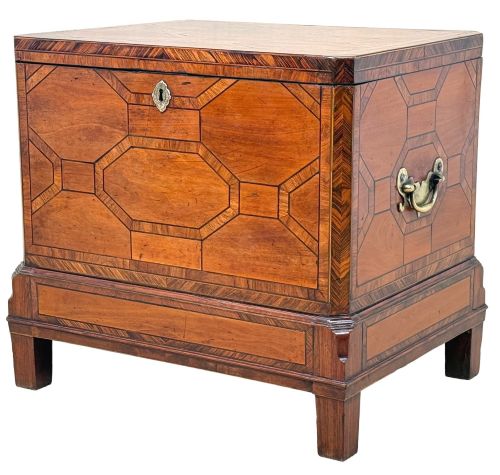
A parquetry wooden casket represents a tradition of decorative box making spanning from the seventeenth century through the Victorian era and into the early twentieth century. Buyers seeking a parquetry wooden casket will encounter forms designed for specific domestic uses, including tea caddies, sewing boxes, games compendiums, and simple keepsake trinket boxes.
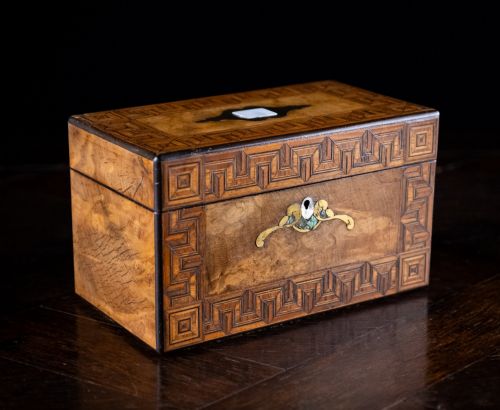
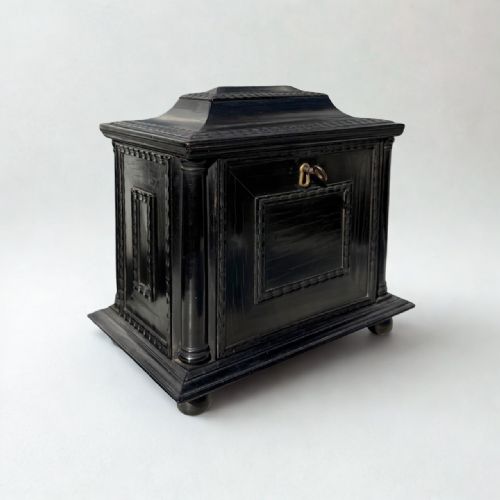
The pieces available on this page lean heavily toward Victorian examples, particularly Tunbridge ware needlework boxes and walnut keepsakes, alongside earlier eighteenth-century cellarettes and Flemish table caskets. Materials range from walnut and olive wood to exotic timbers like kingwood, satinwood, and ebony, often highlighted with brass or mother of pearl inlay.
Makers utilised precise geometric wood veneers to create patterned surfaces on table boxes and display caskets alike. Whether looking for a Regency games box or an 1860 Victorian work box, collectors find that these containers served practical storage functions while displaying high levels of cabinetmaking skill.
Materials and construction methods
Craftsmen built these caskets using solid timber carcases overlaid with fine geometric wood veneers arranged in repeating patterns. Tunbridge ware examples incorporated thousands of tiny blocks of naturally coloured woods to form pictorial and mosaic designs across the lid and sides.
Contrasting timbers such as boxwood, ebony, and satinwood were cut and fitted precisely into walnut, rosewood, or kingwood foundations. Additional decorative elements like brass stringing and mother of pearl inlay were embedded directly into the wooden surfaces before polishing.
Listings feature parquetry wooden caskets spanning from the 17th century through the Victorian era, utilising walnut, satinwood, and mother of pearl.
Factors determining quality
Quality in these caskets rests upon the precision of the veneer work and the complexity of the geometric patterns. Pieces featuring intricate Tunbridge ware mosaics or diverse timber combinations demonstrate greater technical ambition than simpler veneered boxes.
The choice of primary and secondary woods also dictates standing, with eighteenth-century satinwood and seventeenth-century olive wood examples showing distinct regional joinery traditions. Interior fittings, such as original velvet linings and compartmented trays, add to the integrity of surviving specimens.
The Parquetry Wooden Casket Glossary
- Parquetry
- A geometric mosaic of wood veneers used to cover floors or decorative boxes. The technique relies on precise angles and contrasting timber colours.
- Tunbridge Ware
- A distinct type of woodwork originating from Kent, featuring mosaic designs made from many small coloured wood blocks. These patterns often depict landscapes or geometric borders on box lids.
- Cellarette
- A lockable container originally designed to hold bottles of wine or spirits. In earlier periods, these took the form of substantial wooden caskets placed on the floor or on dedicated stands.
- Casket
- A decorative box, usually with a hinged lid, intended for holding valuables, jewellery, or documents. They often feature locks and elaborate interior compartments.
- Stringing
- A thin inlay of contrasting wood or metal used to outline panels on furniture and boxes. It provides a crisp visual border around the main parquetry design.
Parquetry Wooden Casket: Frequently Asked Questions
What were parquetry wooden caskets used for?
These boxes served domestic roles for storing tea, sewing equipment, games pieces, and personal trinkets. Their lockable lids kept valuable items secure in period households.
Over time, many functioned as display pieces on tables or desks, combining practical storage with decorative display.
How do I date a wooden casket?
Dating relies on identifying the prevailing furniture styles, secondary framing timbers, and construction methods used in the carcase. Victorian and Regency examples often display distinct hinge types and interior paper or fabric linings.
Earlier seventeenth and eighteenth-century pieces show heavier joinery and distinct timber choices like olive wood or satinwood.
What is Tunbridge ware?
Tunbridge ware is a specialised form of woodworking where thousands of tiny timber squares and triangles are glued together to form a mosaic picture. Makers applied these complex pictorial or geometric veneers to the exteriors of small boxes.
This craft flourished in nineteenth-century England, creating highly detailed keepsake and needlework caskets.
Are the interiors original?
Many surviving caskets retain their fitted wooden trays, compartments, and original paper or velvet linings. Some nineteenth-century boxes show signs of interior wear or replacement upholstery from decades of domestic use.
Examining the construction of internal partitions helps determine whether the layout remains as the maker intended.
How should I clean a parquetry box?
Maintenance involves gentle dusting with a dry, soft cloth to protect the delicate veneer and inlay work. Excessive moisture and direct sunlight can damage historical wood finishes and cause veneers to lift.
Applying microcrystalline wax periodically helps preserve the sheen of walnut, rosewood, and kingwood surfaces.