
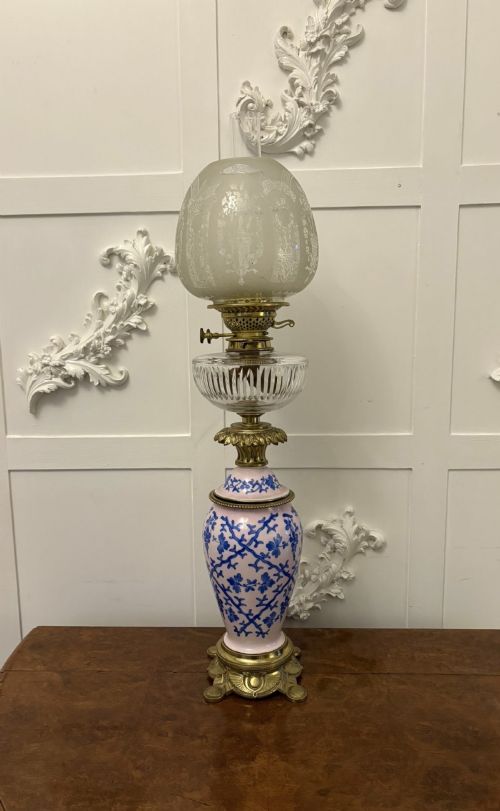
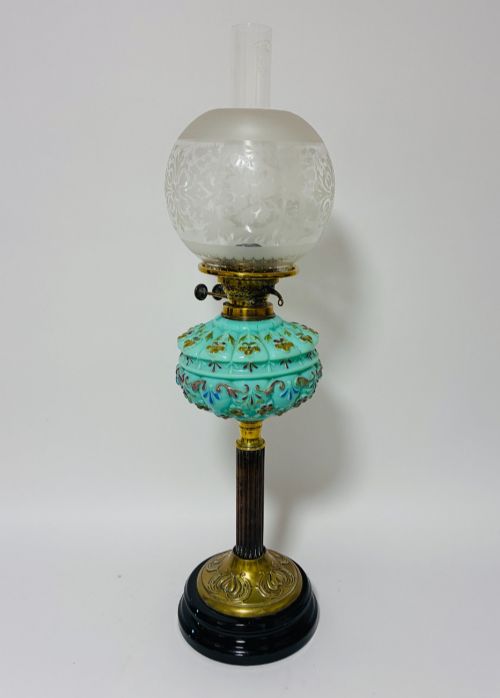
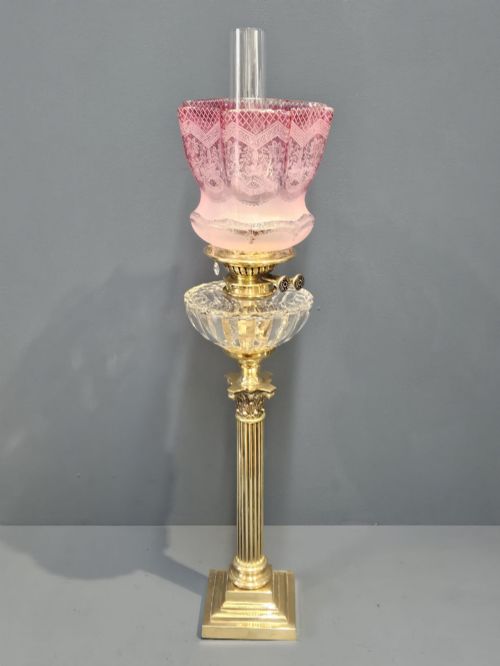
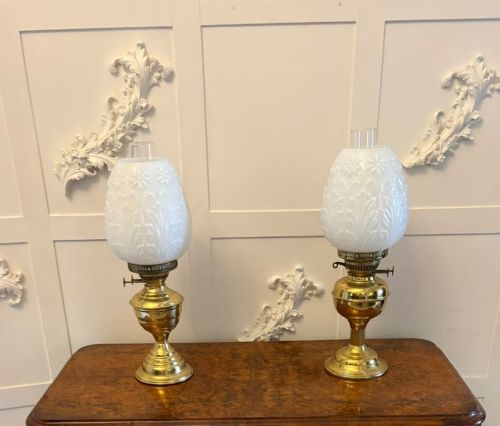
Paraffin Lamp Glass Shade
Paraffin lamp glass shades provide the protective and diffusing cover for nineteenth and early twentieth century domestic lighting.
Paraffin Lamp Glass Shade
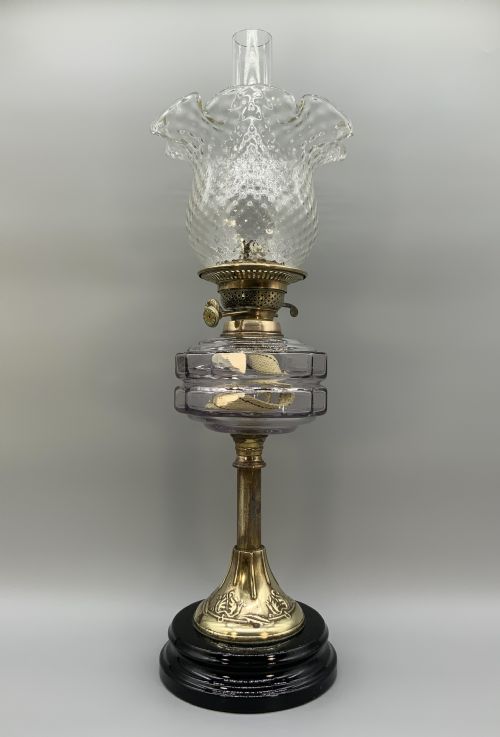
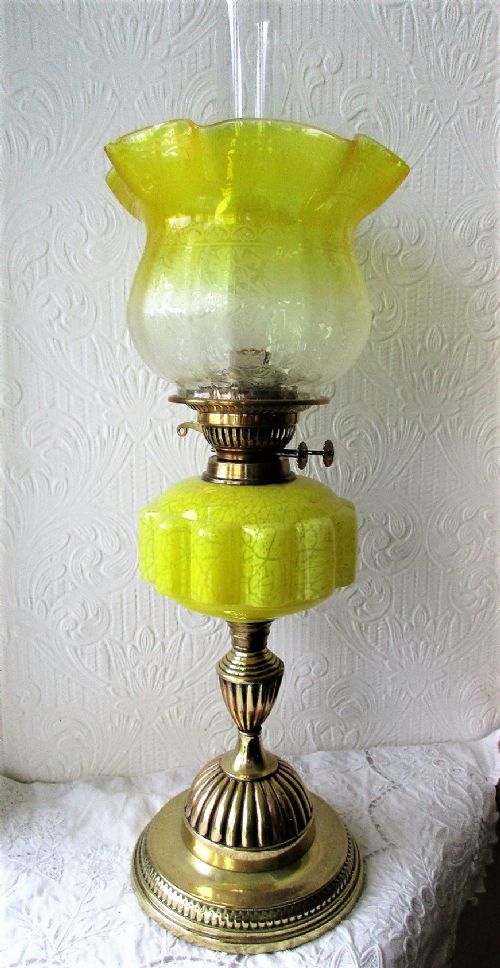
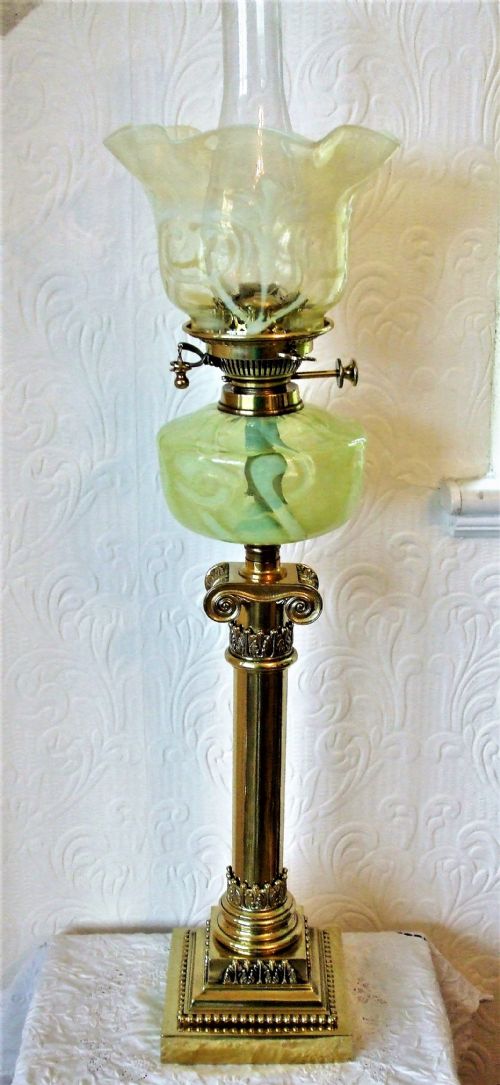
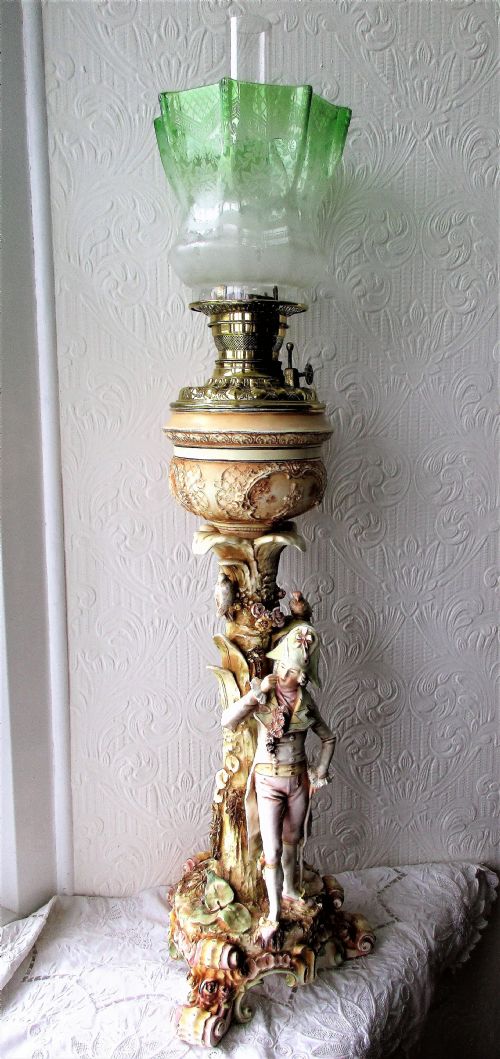
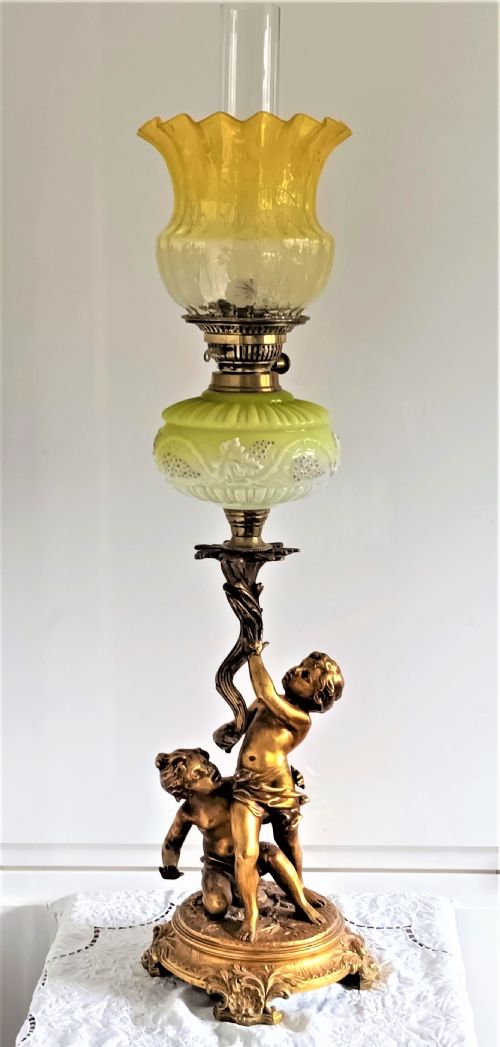
A paraffin lamp glass shade sits atop an oil-burning lamp to soften the glare of the flame and direct the light downwards or outwards into a room. These glass components appear alongside complete oil lamps or as individual replacements spanning the Victorian and Edwardian eras.
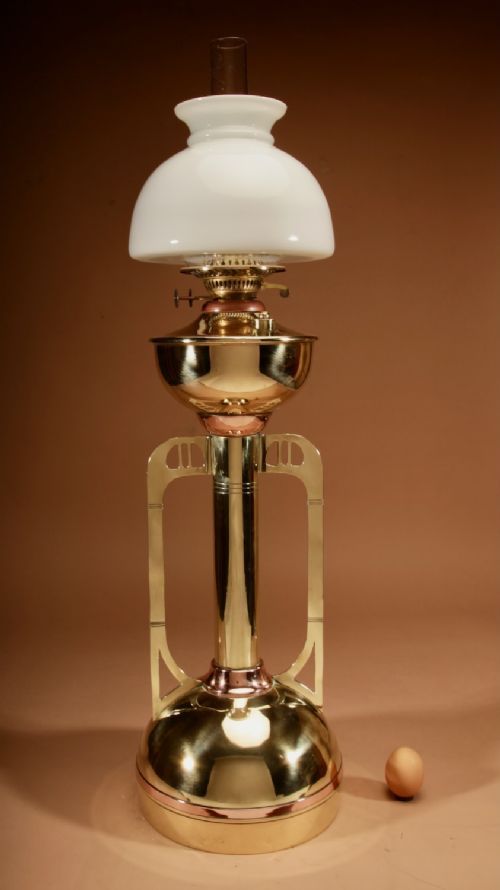
The selections recorded on this page reflect forms produced from the mid nineteenth century through the early twentieth century, including styles such as Art Nouveau and Rococo Revival. Buyers encounter variants made to fit standard table lamps, hanging fixtures, and column lamps.
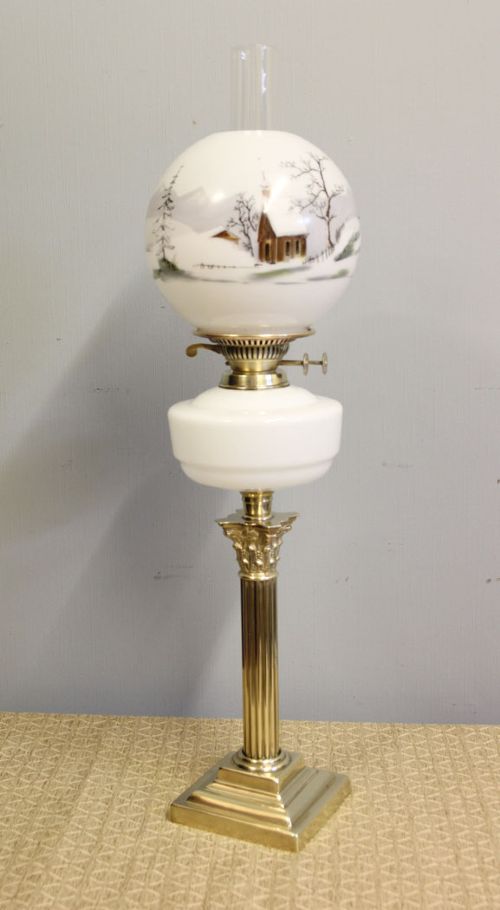
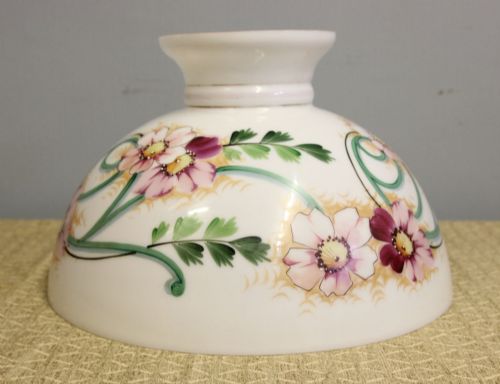
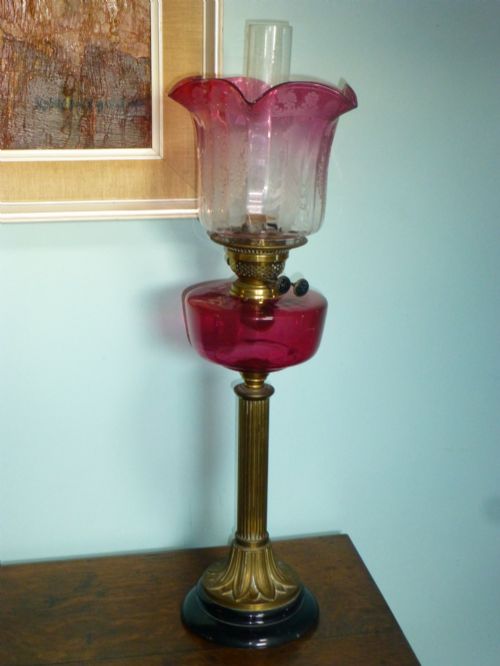
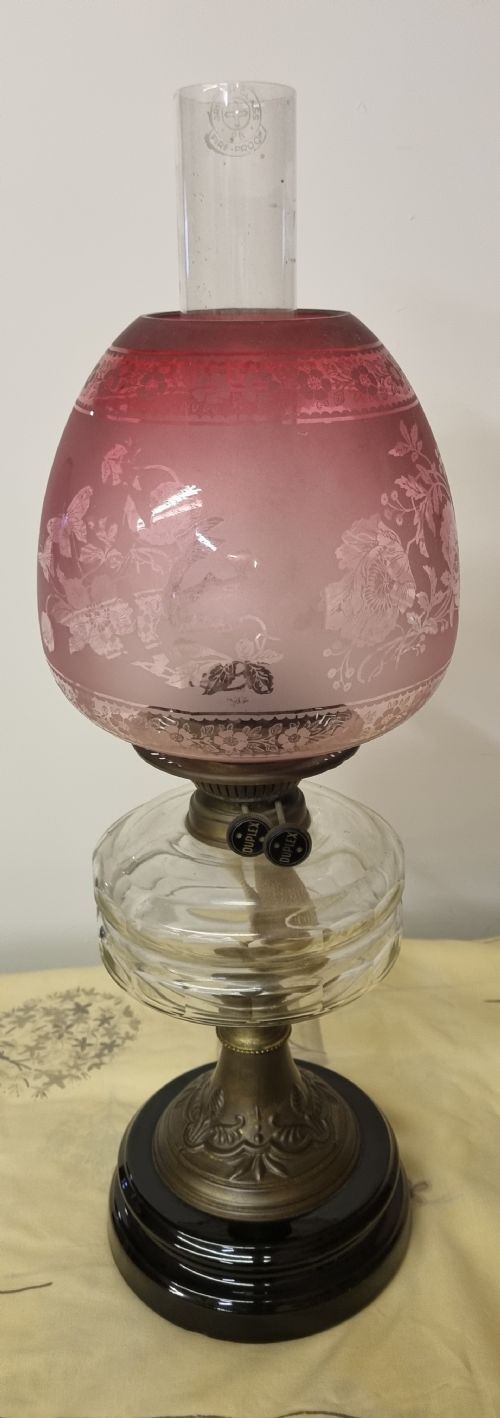
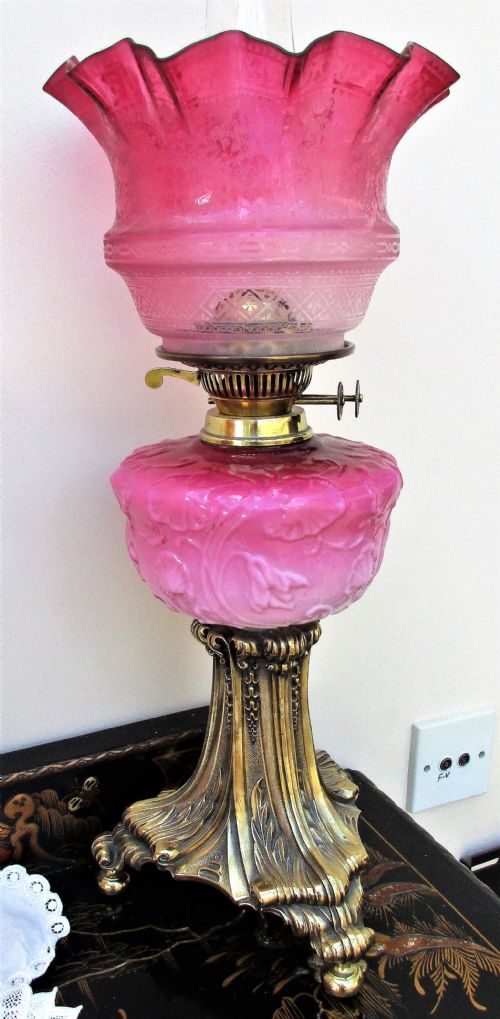
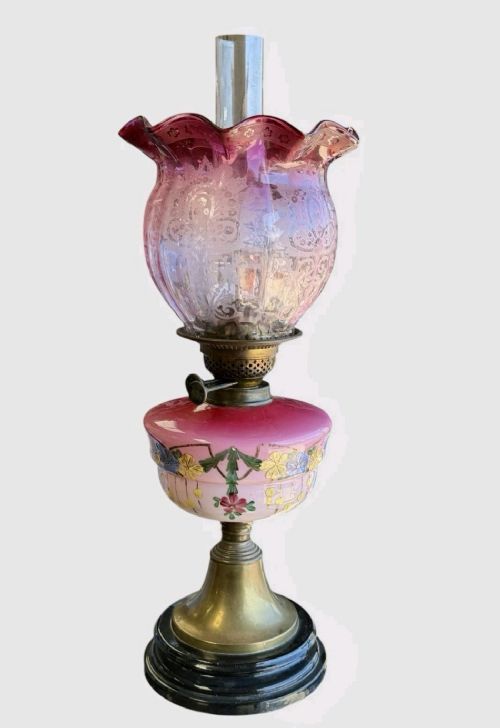
Materials range from plain opaline glass to deeply coloured cranberry glass, alongside hand painted botanical motifs and winter scenes. Surviving examples demonstrate how functional domestic items incorporated decorative glass work during the nineteenth century.
Manufacturing Materials and Techniques
Makers utilised glassblowing techniques to shape the molten material into tulip, globular, and flared profiles suitable for enclosing or surrounding a burner flame. Hand-blown shades often display subtle irregularities that distinguish them from later industrial press-moulded production.
Cranberry glass production required the addition of gold chloride to the molten batch to achieve the characteristic rich red-pink tone. Opaline glass achieved its milky, translucent appearance through the addition of bone ash or oxide mixtures during the melting process.
Decoration involved hand painting with enamel colours depicting floral sprays and winter scenes, alongside acid etching to create frosted patterns against clear glass panels.
An unlucky Victorian moth once met its end inside an opaline shade.
Evaluating Quality and Craftsmanship
Quality rests on the depth of colour in the glass and the precision of the hand-blown or hand-painted details. Heavier glass weights and even wall thicknesses indicate superior manufacturing standards during the Victorian and Edwardian periods.
The artistry of the painted or etched decoration differentiates standard utility shades from exceptional studio pieces. Crisp enamel work and carefully executed botanical subjects separate finer examples from mass-produced commercial items.
Hinks·Taylor Tunnicliff·Sitzendorf·Gustave Serrurier Bovy
The Paraffin Lamp Glass Shade Glossary
- Cranberry glass
- A type of transparent red-pink glass coloured with gold, frequently utilised for Victorian lamp shades and fonts.
- Opaline glass
- A semi-opaque, milky white glass popular in the nineteenth century for diffusing light softly from oil lamps.
- Duplex burner
- A double-wick burner mechanism common on larger nineteenth-century oil lamps requiring specific shade fitments.
- Corinthian column
- A classical architectural column form frequently cast in brass to serve as the stem for table oil lamps.
- Font
- The oil reservoir portion of a lamp, positioned beneath the burner and often matched in colour or material to the shade.
Paraffin Lamp Glass Shade: Frequently Asked Questions
How do I measure for a replacement shade?
Measure the external diameter of the fitter rim at the base where it inserts into the brass gallery ring. Matching this measurement ensures the shade sits securely within the burner mount.
Take care to measure the widest body diameter as well to ensure the glass clears any adjacent structural parts of the lamp frame.
Were these shades used with paraffin or kerosene?
The terms paraffin and kerosene describe the same hydrocarbon fuel utilised in domestic lamps from the mid nineteenth century onwards. These glass shades were designed specifically to withstand the heat generated by these oil burners.
Different burner types, such as single or double wick systems, dictated the volume of heat the glass needed to endure during regular evening use.
How do I clean an antique glass shade?
Wash the glass gently in warm water using a mild, non-abrasive detergent and a soft cloth. Avoid submerging painted or gilded surfaces for extended periods to protect the antique decoration.
Dry the piece thoroughly with a lint-free cloth before returning it to the brass gallery of the lamp.
How can I tell Victorian from Edwardian shades?
Victorian examples frequently display ornate Rococo Revival influences, rich cranberry hues, and heavy hand-painted floral or figural enamel work. The forms tend toward elaborate shapes and deep colours.
Edwardian pieces often reflect simpler lines, including opaline glass finishes and Art Nouveau motifs with flowing organic contours and lighter pastel palettes.