
Victorian Glass Lamp Shade
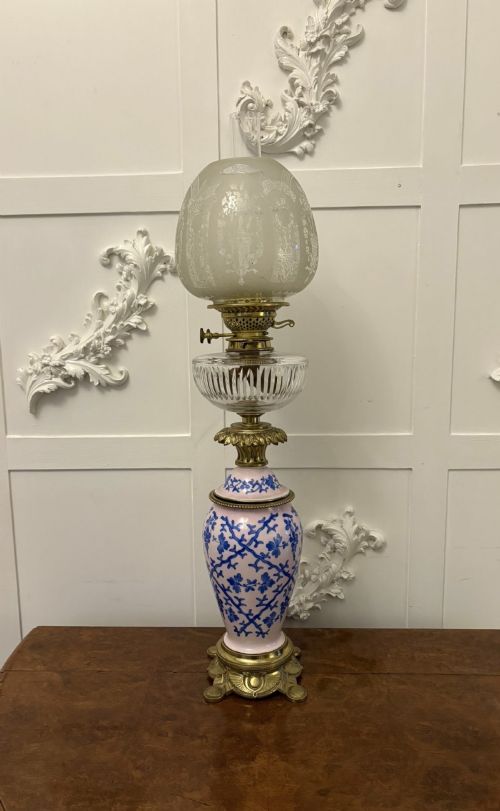
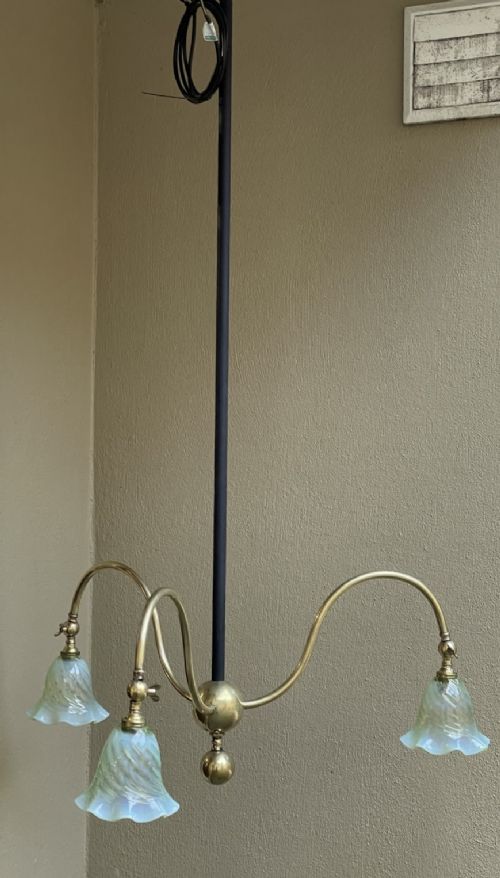
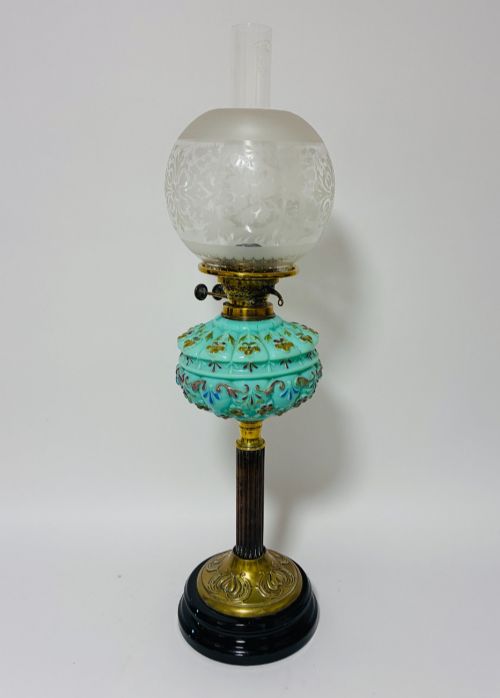
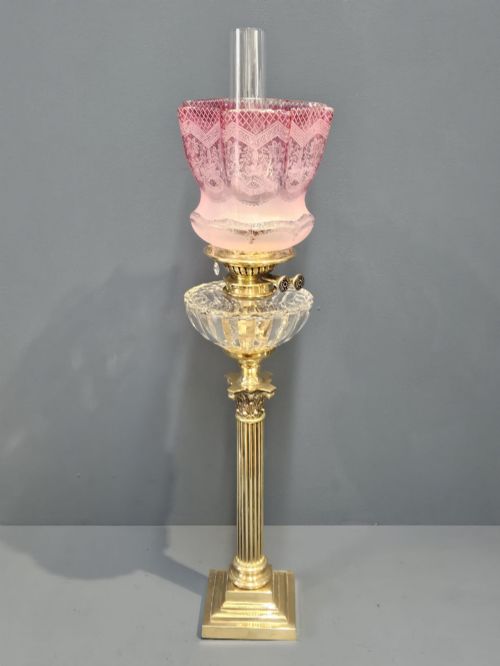
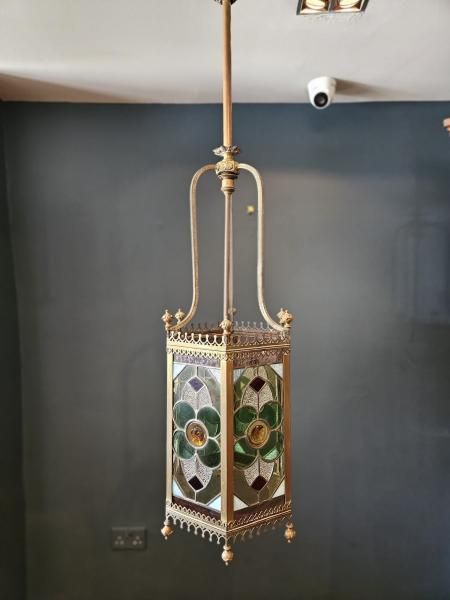
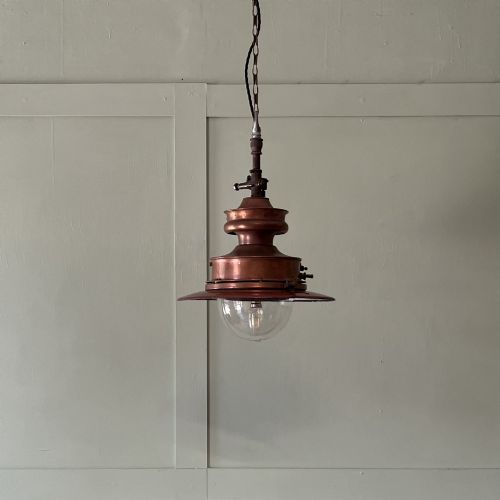
These Victorian glass lamp shade options bring period colour and diffuse warmth to any room, primarily arriving mounted on brass oil lamps or hanging fittings.
Victorian Glass Lamp Shade
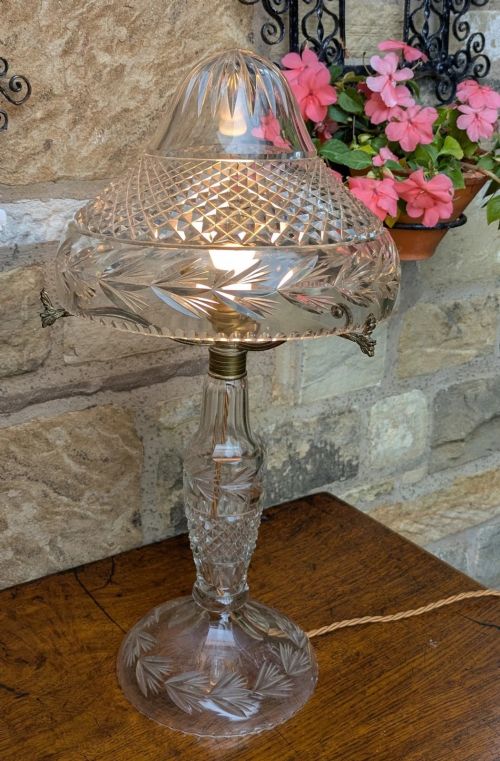
When you search for a victorian glass lamp shade, you encounter blown and moulded glass components originally made for oil lamps, reading lamps, and ceiling fixtures during the nineteenth and early twentieth centuries.
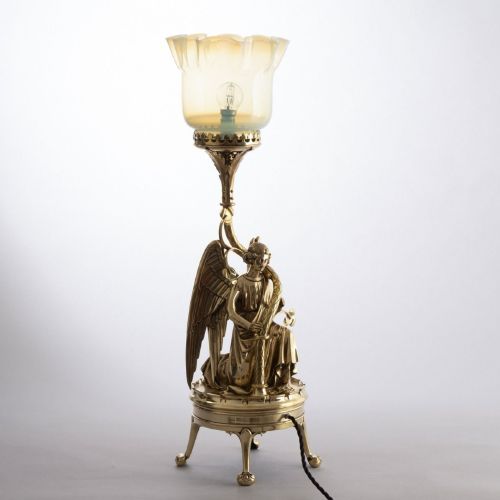
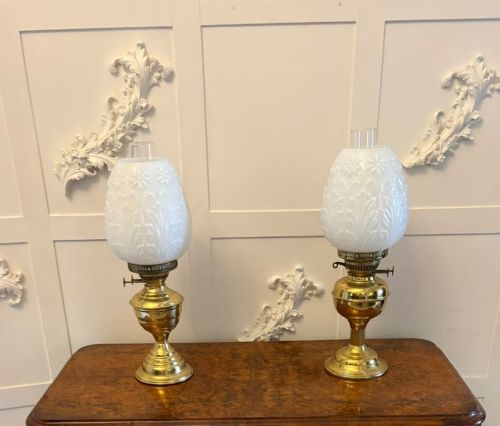
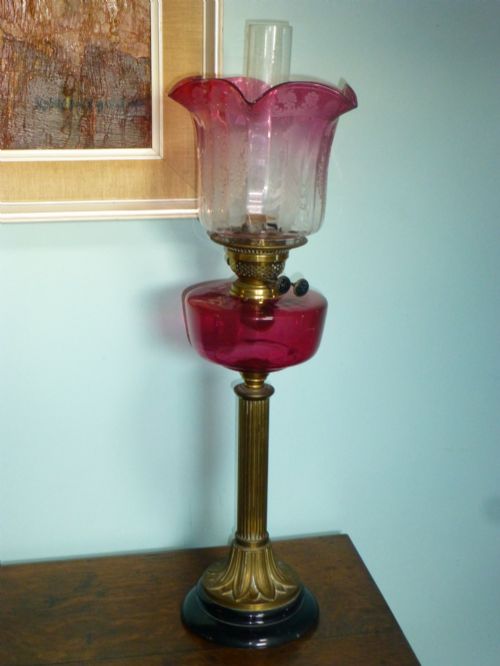
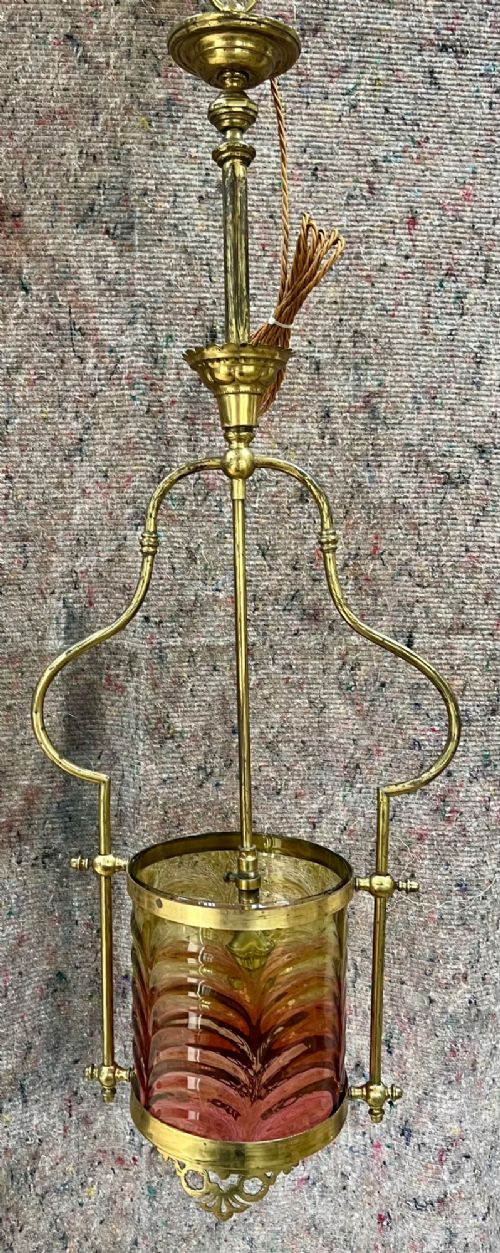
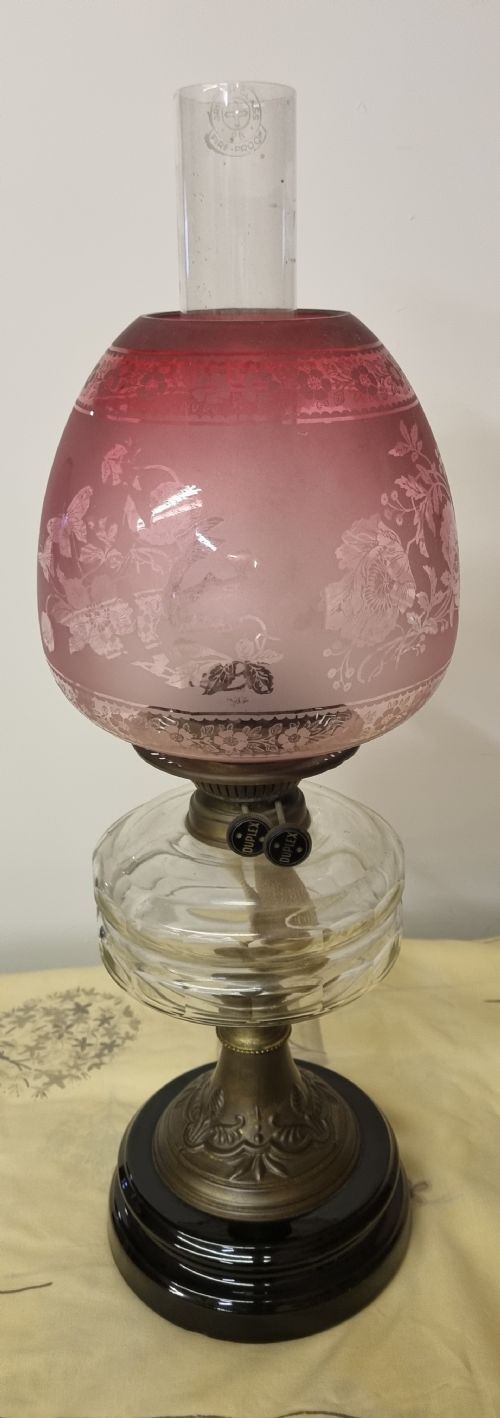
The most common versions on this page are colourful cranberry, opaline, and vaseline glass shades paired with heavy brass or ceramic columns.
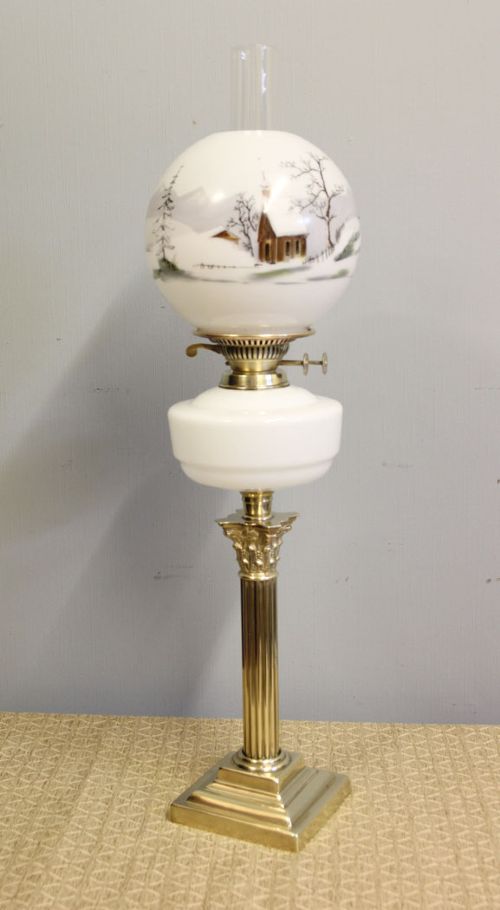
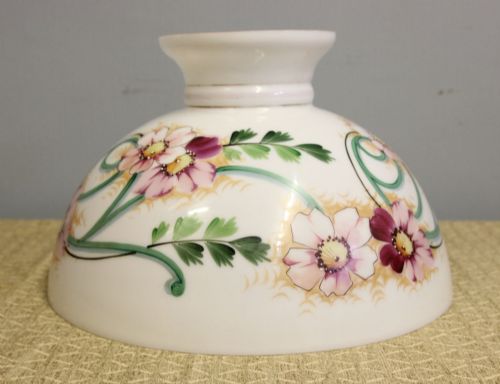
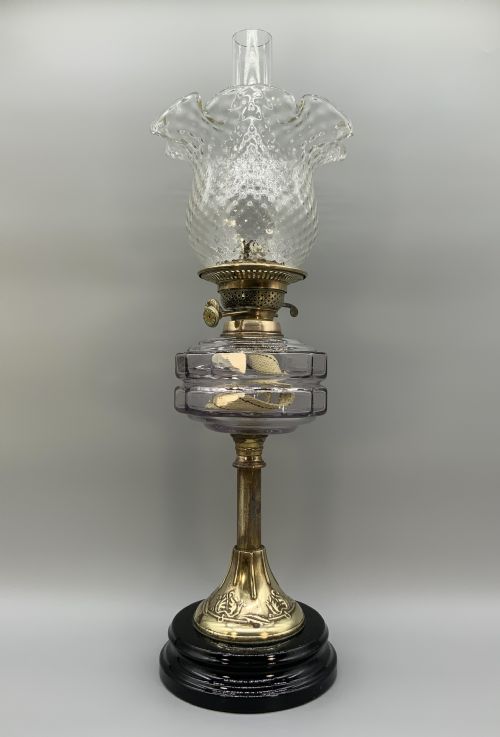
These shades span various forms including frilled tulip globes, hand-painted fonts, and etched designs dating from the Victorian era through the Edwardian period.
How they were made
Glassmakers utilised specialised blowing and moulding techniques, introducing metallic oxides to molten glass to achieve distinct cranberry, vaseline, and opaline hues.
Metal components like brass columns, brackets, and burners were cast and turned to support the delicate glass elements securely.
Surface decoration frequently involved hand-painting, acid-etching, or cutting to create patterned motifs on the exterior of the glass.
Some Victorian oil lamps even doubled as pulpits or featured sculptural owls peering out from ceramic bodies.
What varies in quality
The sophistication of the glass colouration and the depth of the hand-etching separate standard production items from finer studio outputs.
Substantial brass bases with crisp casting details and original matching fittings demonstrate superior original manufacture compared to later replacements.
Hinks·Taylor Tunnicliff·Sitzendorf
The Victorian Glass Lamp Shade Glossary
- Cranberry Glass
- A rich red-pink glass coloured with gold chloride during melting. It remains a defining look for nineteenth-century lighting.
- Vaseline Glass
- A yellow-green glass containing uranium dioxide that glows under ultraviolet light. This material appears frequently in period lamp shades.
- Opaline Glass
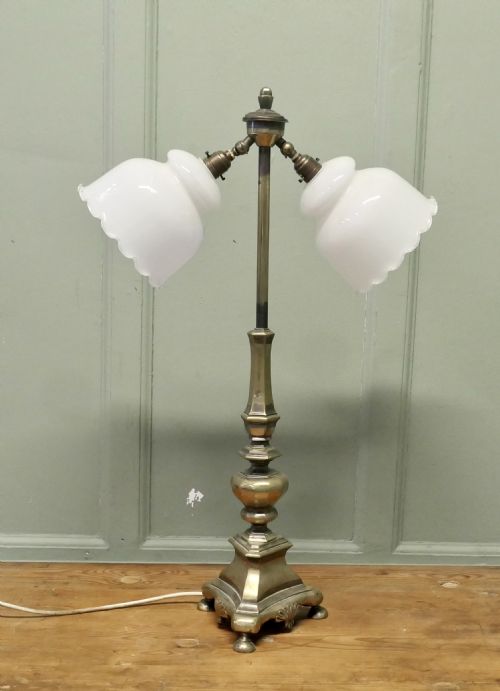
- An opaque, milky-white glass that softens and diffuses light evenly. It was widely utilised for Victorian and Edwardian task lighting.
- Duplex Burner
- A twin-wick mechanism designed to provide brighter illumination from oil lamps. Many larger Victorian lamps accommodated these double burners.
- Font
- The reservoir that held the lamp oil beneath the burner and shade. These components often match the glass shade in colour and material.
Victorian Glass Lamp Shade: Frequently Asked Questions
How do I clean an antique glass shade?
Wash the glass gently in warm soapy water using a soft cloth, avoiding harsh abrasives that might damage painted or etched surfaces.
Dry the piece thoroughly before reuniting it with its brass or ceramic base to prevent moisture damage to the metal.
Are these shades compatible with modern electric bulbs?
Many period shades fit standard modern gallery holders, provided the fitter rim matches the diameter of the new electrical fitting.
Take careful measurements of the shade's opening before attempting any conversion to modern electric lamp bases.
What is vaseline glass?
Vaseline glass is a translucent yellow-green material that gained popularity during the Victorian era due to its unique glowing properties.
The distinctive hue comes from small amounts of uranium added to the glass batch during production.
How do I date a Victorian glass shade?
Examine the manufacturing marks, the method of glass blowing, and the style of any accompanying brass or ceramic mountings.
Pieces from the mid-nineteenth century often display heavier hand-finishing and distinct pontil marks compared to later Edwardian examples.