

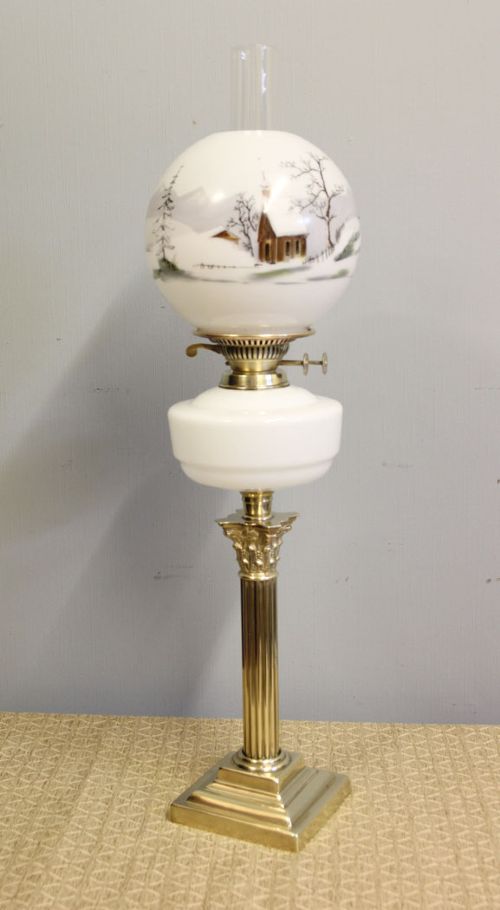
Antique Glass Shade Lamp
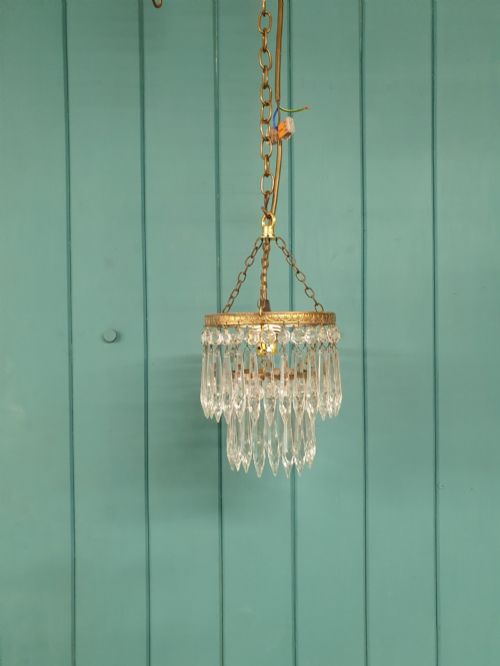
These antique glass shade lamp examples bring a warm, coloured glow to a room.
What an antique glass shade lamp is
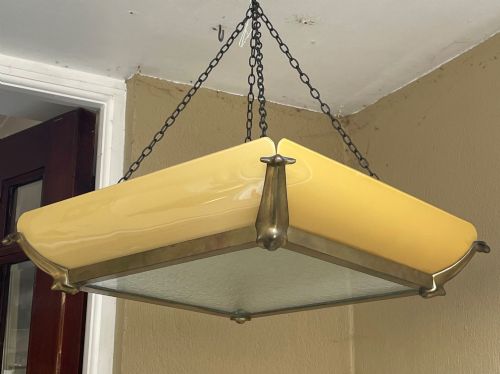
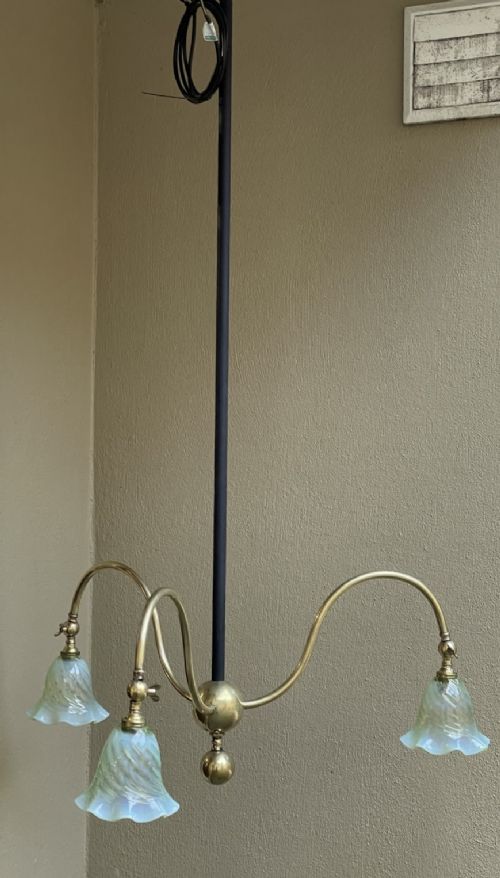
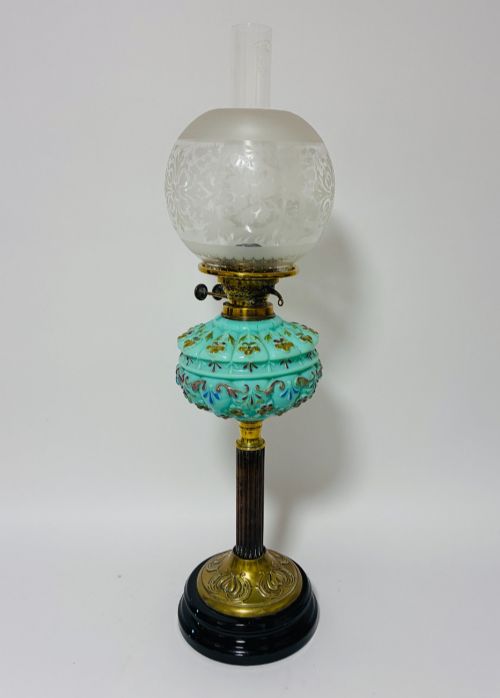
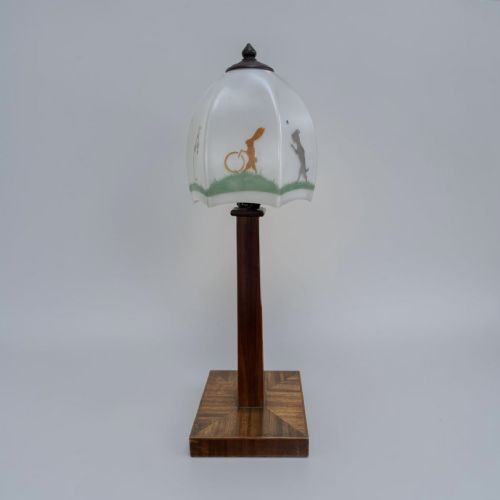
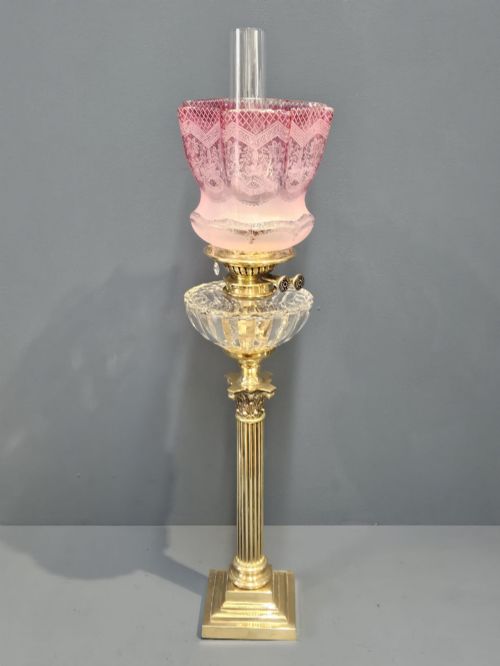
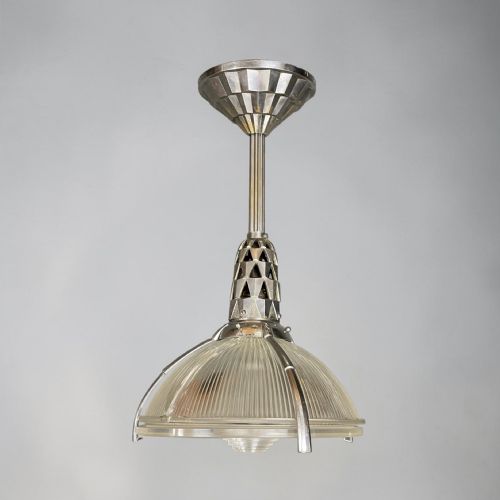
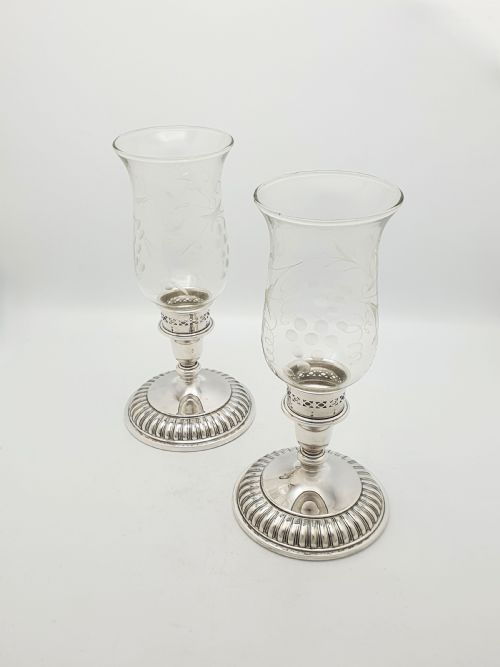
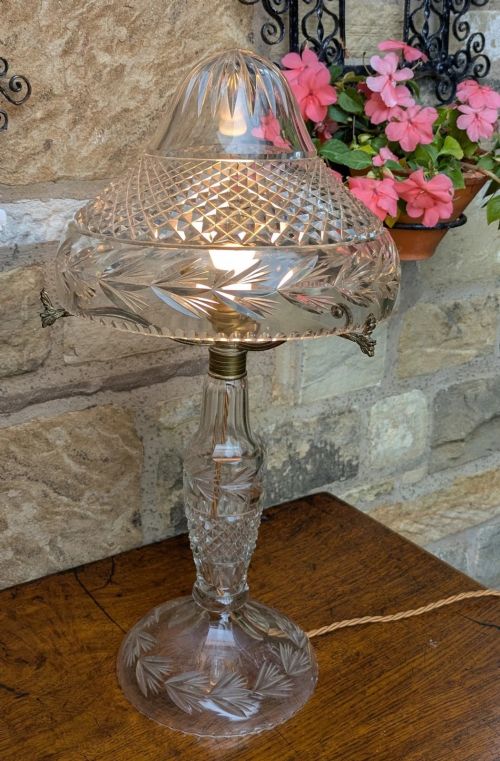
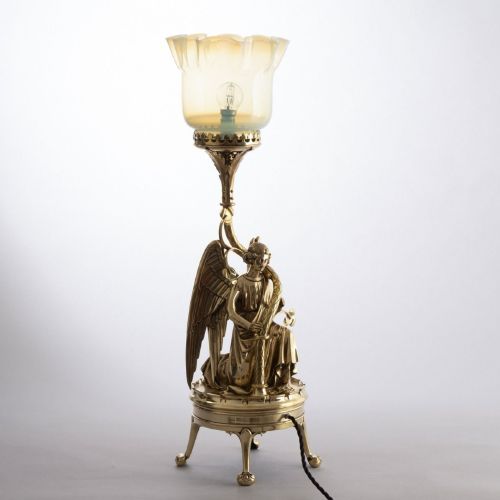
An antique glass shade lamp combines a weighted metal base with a richly coloured or etched glass shade. These pieces come in table, desk, and oil lamp forms from the Edwardian period and the early twentieth century.
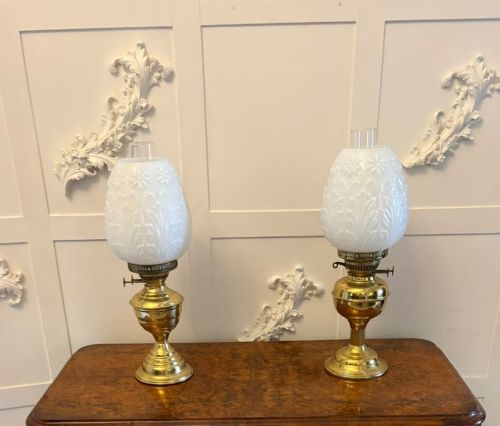
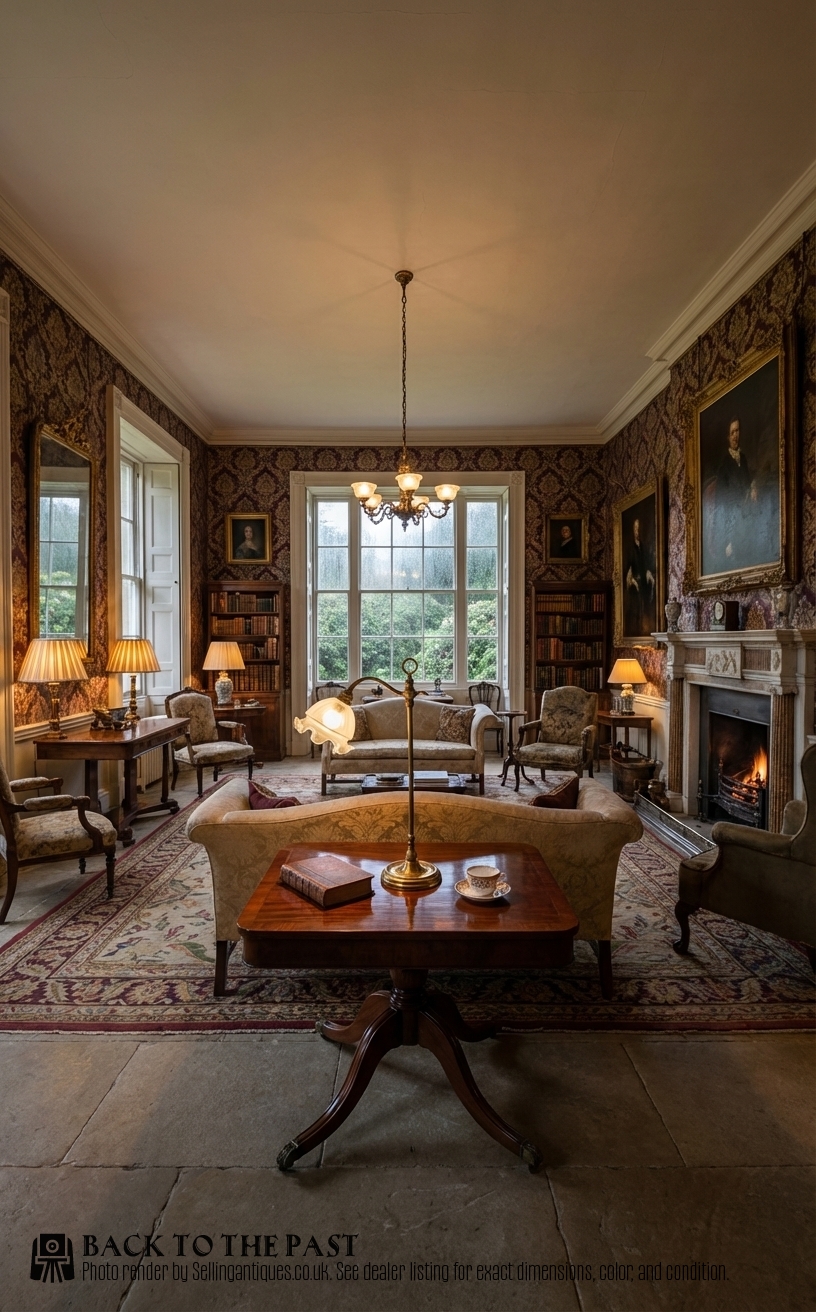
The version most commonly seen on this page is the brass table or desk lamp fitted with a vibrant glass shade. Examples range from simple student lamps to ornate electric and oil fittings.
How they were made
Makers formed the bases from cast brass, silver plate, bronze, cast metal, and ceramic. These metal components provided the necessary weight to support the upper fittings and glass globes securely.
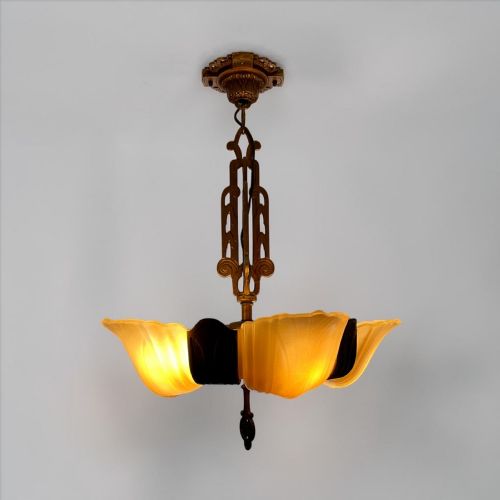
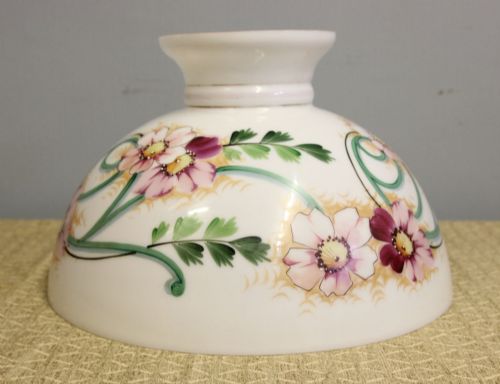
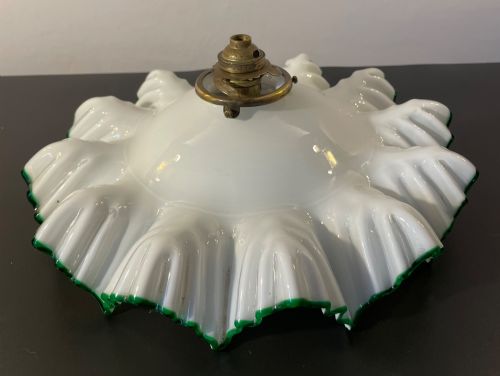
Glassmakers shaped shades using techniques that produced distinct colours such as vaseline, cranberry, green, amber, and ruby. Many shades feature etched patterns, ruffled edges, or tulip profiles created while the glass was hot.
Retail Price Guide 2026
Typical UK retail prices for glass shade lamp, calculated from the Sellingantiques database of over a million retail prices indexed since 2003. This retail price guide relies exclusively on Sellingantiques data; no external sources or auction records are used, so the figures do not describe the wider market.
Listings feature brass, silver plate, ceramic, and bronze combined with glass, slag glass, and cast metal.
What varies in quality
Quality rests in the depth of colour and the crispness of the glass moulding. Finer shades display rich hues and smooth, even thickness without distortion.
Metalwork construction also dictates standard. Solid brass and bronze bases with clean casting and well-adjusted fittings stand apart from simpler cast metal alternatives.
The Charles Parker Company
The Antique Glass Shade Lamp Glossary
- Vaseline glass
- A type of glass containing uranium dioxide that glows under ultraviolet light. It typically displays a yellow or greenish-yellow tint.
- Cranberry glass
- A rich red transparent glass made by adding gold chloride to the molten batch. It appears often on Victorian and Edwardian lighting.
- Slag glass
- An opaque or streaked glass made by mixing different coloured glass batches. It creates a marbled appearance popular in period shades.
- Rise and fall
- A mechanical counterweight system allowing the lamp height to be adjusted smoothly up and down. This mechanism suits reading and desk tasks.
- Oil lamp
- A lighting device that burns fuel via a wick before electricity became standard. Many retain their original burners alongside the glass shade.
Frequently Asked Questions
How do I clean an old glass shade?
Wash the glass gently in warm soapy water using a soft cloth. Avoid abrasive materials that might scratch the surface or damage etched details.
Dry the shade thoroughly before fitting it back onto the lamp base to prevent water spots.
Can these lamps take modern bulbs?
Many electric conversions accept standard modern bulbs provided the wattage matches the fitting. Check the internal wiring and holder before use.
Oil lamp conversions require careful inspection to ensure the burner safely accommodates any added electrical components.
Why do some glass shades change colour?
Certain historical glass recipes contain minerals that react to light or heat during production. Vaseline glass specifically reacts to ultraviolet light due to its content.
Different mineral oxides create distinct tones like cranberry and green when exposed to kiln temperatures.
Are these lamps heavy?
The metal bases use solid brass, bronze, or cast metal to provide stability. This weight stops the tall frame from tipping over.
Desk and table versions balance this weight evenly across a weighted foot or tripod base.
How do I date an Edwardian lamp?
Look for construction markers such as threaded brass components, maker stamps, and specific switch types. Edwardian designs often blend functional brass work with colourful glass.
Comparing the burner mechanism and shade style against known period examples helps narrow down the decade.