
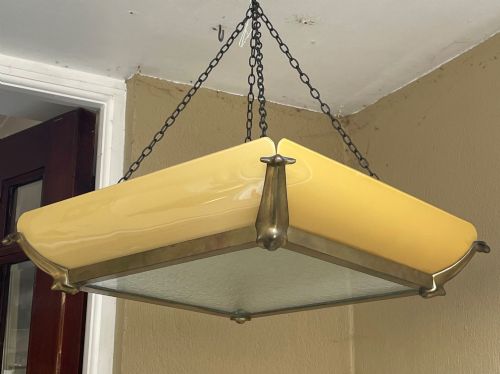
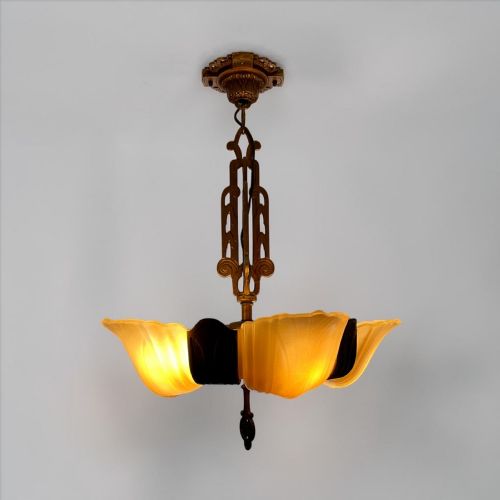
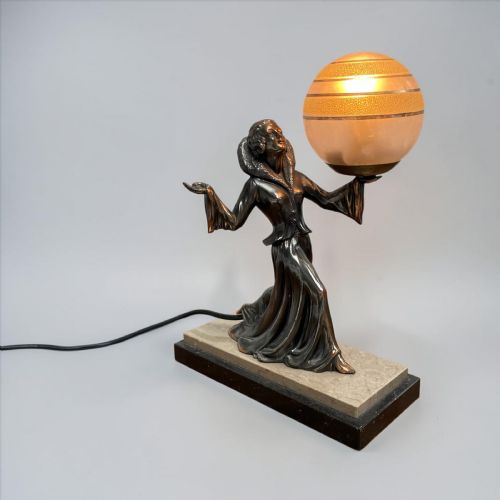
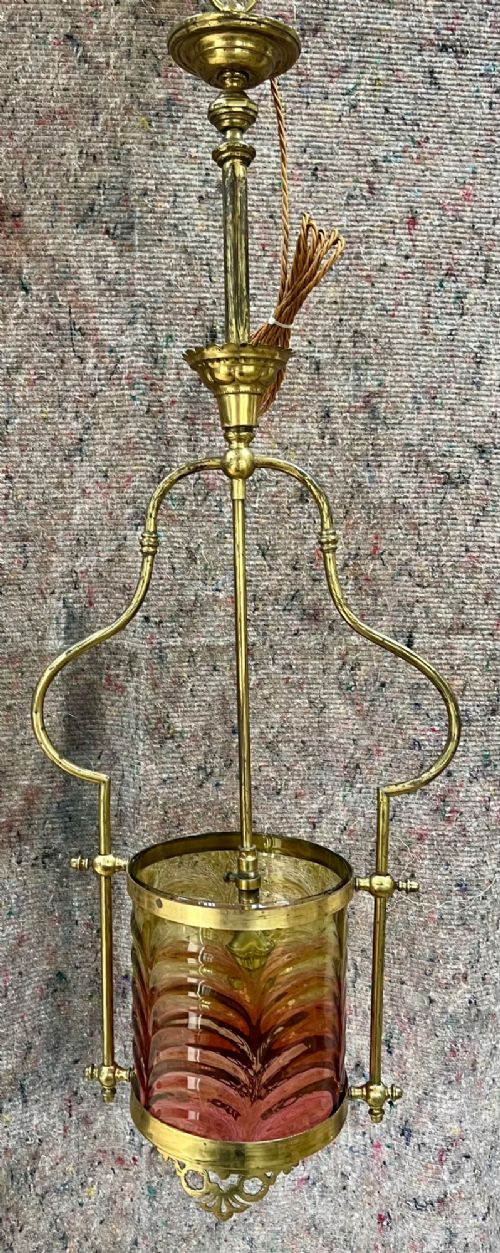
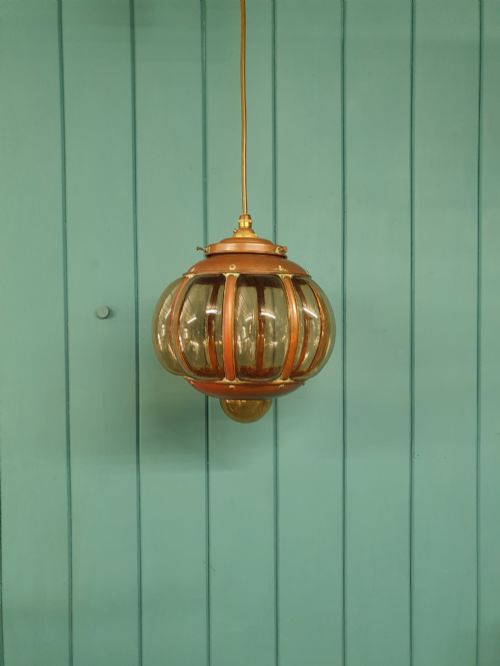
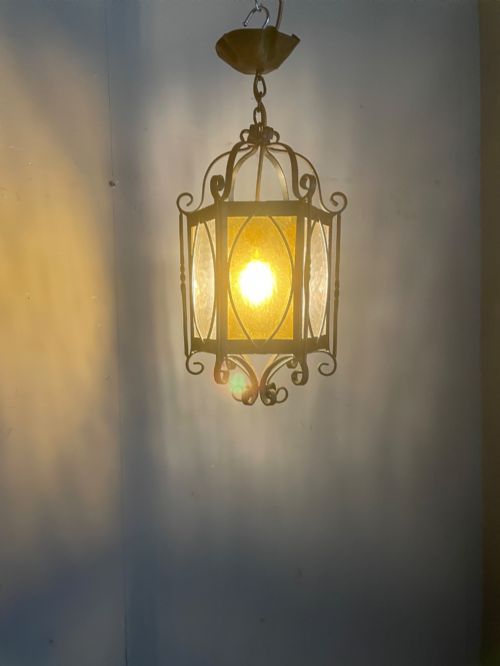
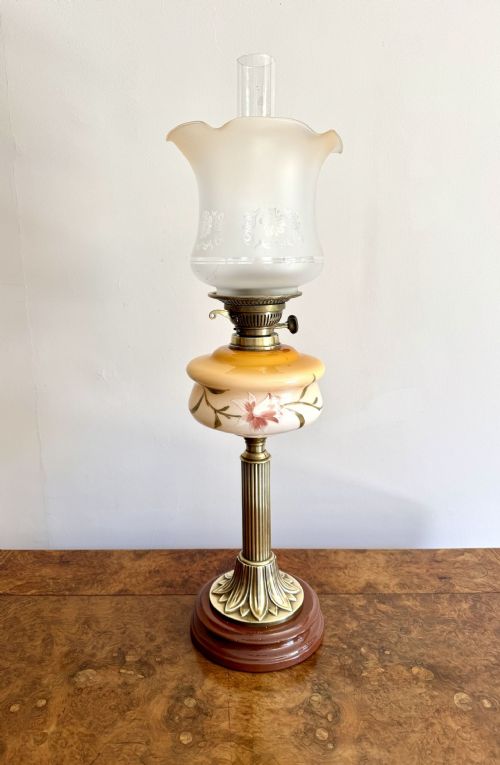


Amber Glass Lamp
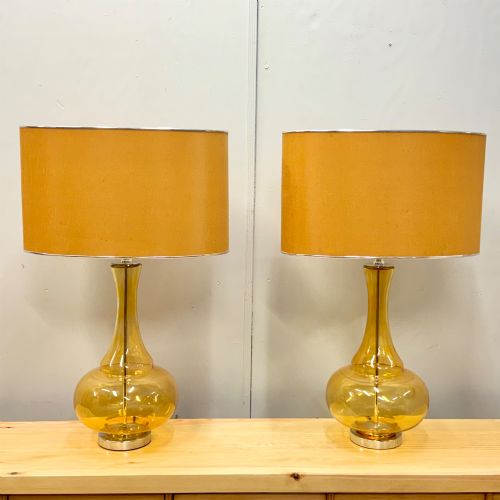
An amber glass lamp brings a warm, rich glow to a room through coloured or tinted glass.
Amber Glass Lamp
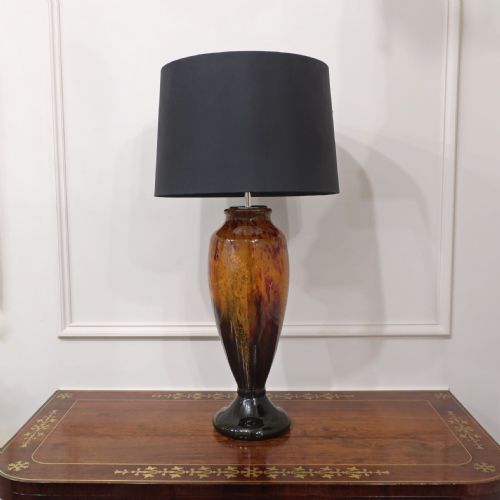
An amber glass lamp sits in domestic interiors across table, desk, and reading positions, often casting a deep, warm hue through the room. When you search for an amber glass lamp, you encounter pieces spanning the Victorian period, the Edwardian era, and the 1930s.
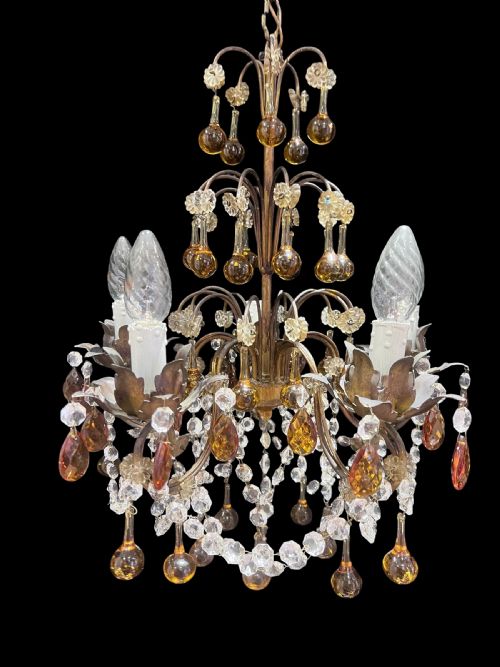
The forms on this page include table lamps, oil lamps converted or original, and hanging or ceiling lights. Table lamps paired with silk shades or fitted with moulded glass stems appear alongside boudoir wall lights and heavy desk fittings.
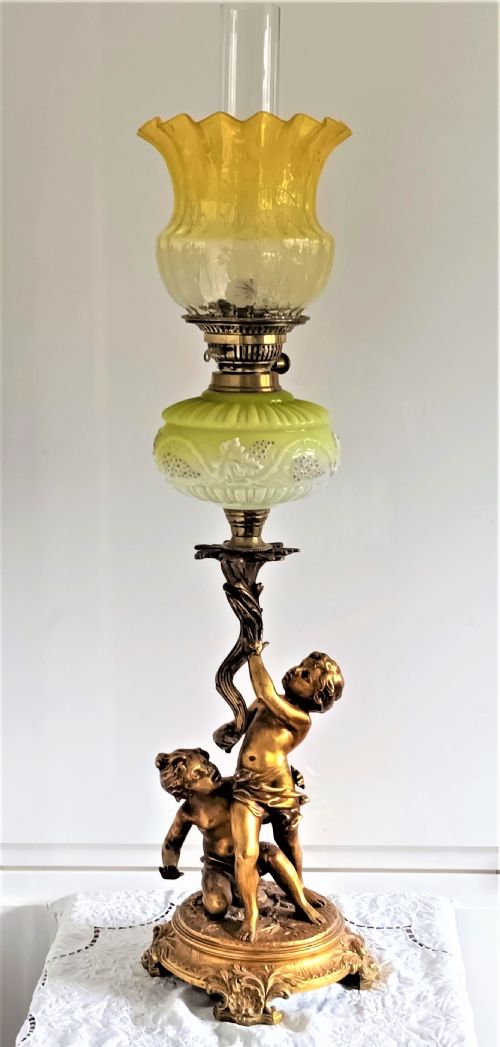
Many examples emerge from the Art Deco period, featuring geometric lines, slip shades, or crackle glass mounted on chrome and cast metal bases. Earlier Victorian and Edwardian iterations tend to combine heavy brass columns with etched or plain amber glass reservoirs.
How they were made
Makers shaped the glass through blowing, moulding, or pressing, sometimes adding enamelled decoration or surface texturing like crackling. Glass components join metal bases formed from cast brass, bronze, copper, wrought iron, or chrome.
Support elements frequently utilise patinated or gilded brass columns, sometimes resting on square or stepped metal bases. Structural fittings range from simple screw-thread mounts to elaborate wrought iron frames and bronze mountings.
Listings span the Victorian era, Edwardian period, and 1930s, featuring glass, brass, bronze, and chrome across table lamps and hanging lights.
What varies in quality
The weight and casting quality of the metal mounts dictate much of the distinction between standard and superior pieces. Heavier solid brass or bronze bases provide stability and display crisper detailing than lighter cast metal alternatives.
Glass production quality manifests in the depth of colour, consistency of thickness, and sophistication of moulding techniques. Works associated with known glasshouses exhibit finer finish in the surface texture and sharper execution in decorative motifs.
Charles Schneider·Daum·The Charles Parker Company·Verrerie Des Vosge·Messenger and Co·Walther and Sohne
The Amber Glass Lamp Glossary
- Amber glass
- Glass coloured by the addition of sulphur, carbon, or iron compounds during melting, producing tones from pale yellow-brown to deep honey.
- Slip shade
- A moulded piece of glass that slides or drops into a metal frame, common in Art Deco lighting design.
- Oil lamp
- A lighting device that burns liquid fuel via a wick, frequently found converted to electricity in later periods.
- Crackle glass
- Glass deliberately fractured during the blowing process by immersion in water, then reheated and expanded to seal the surface fissures.
- Boudoir lamp
- A small table or desk lamp intended for intimate spaces, typically measuring smaller than main room lighting.
Amber Glass Lamp: Frequently Asked Questions
How do I date an amber glass lamp?
Dating relies on combining the stylistic markers of the metal base with the manufacturing method of the glass. Art Deco pieces show geometric forms and chrome, whereas Victorian examples feature heavy brass and etched reservoirs.
Examine the construction joints, switches, and wiring channels where present. Older oil lamp conversions retain original burner mechanisms, while 1930s pieces often incorporate slip shades and cast metal bases.
Are these lamps originally electric?
Many examples began life as oil lamps fitted with glass reservoirs and brass burners before later conversion to electricity. Other forms, particularly those from the Art Deco period, were manufactured specifically for electrical wiring.
Checking the collar and internal fittings reveals whether the piece held a burner mechanism or an original lamp holder. Converted pieces retain their period character while accommodating modern domestic wiring standards.
Where should I place an amber glass lamp?
The warm tint of the glass makes these lamps suitable for living rooms, hallways, and side tables where soft illumination is preferred. Desk lamps provide focused task lighting while diffusing a rich background tone.
Pairing them with wooden side tables, mirrored surfaces, or heavy fabrics complements the period materials. Smaller boudoir lamps function effectively on bedside tables or within reading corners.
What is the difference between pressed and blown glass?
Blown glass is formed by inflating molten metal through a pipe, resulting in smooth walls and occasional air bubbles within the substance. Pressed glass relies on machine moulds that stamp the hot material into shape, creating sharper exterior patterns.
Pressed shades and stems often feature heavier walls and defined decorative reliefs typical of 1930s production. Blown reservoirs tend to display organic contours and subtle variations in colour density.